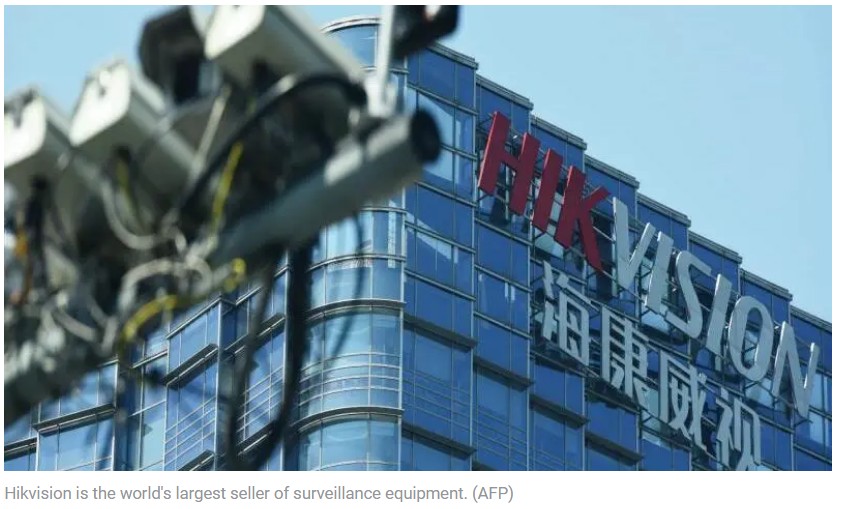
Chinese surveillance giant Hikvision has repeatedlydenied reports that the company is complicit in human rights abuses targeting Uyghurs in China’s northwestern region of Xinjiang.
But new details from an internal review of its contracts with police agencies in the region reveal the company has known since at least 2020 that some of its Xinjiang contracts were a “problem” because they included language about targeting Uyghurs as a group, according to a recording of a recent private company meeting obtained by technology trade publication IPVM and exclusively shared with Axios.
Why it matters: The Chinese government is perpetrating an ongoing campaign of genocide and mass detention of Uyghurs and other ethnic minorities in the country’s northwest region of Xinjiang.
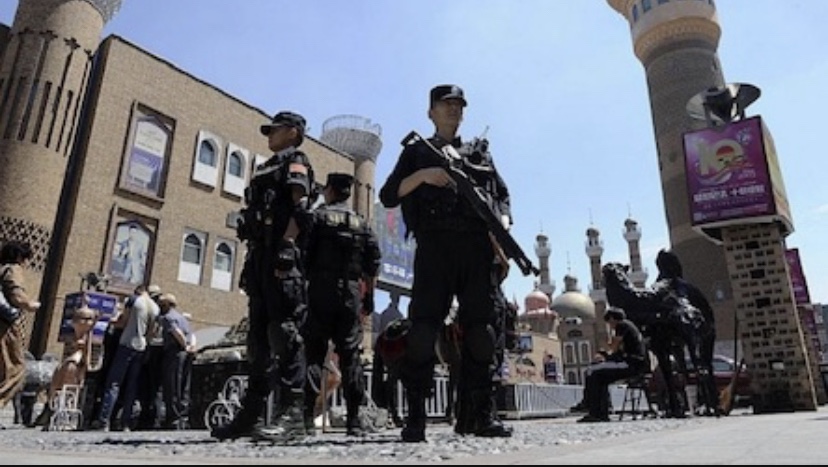
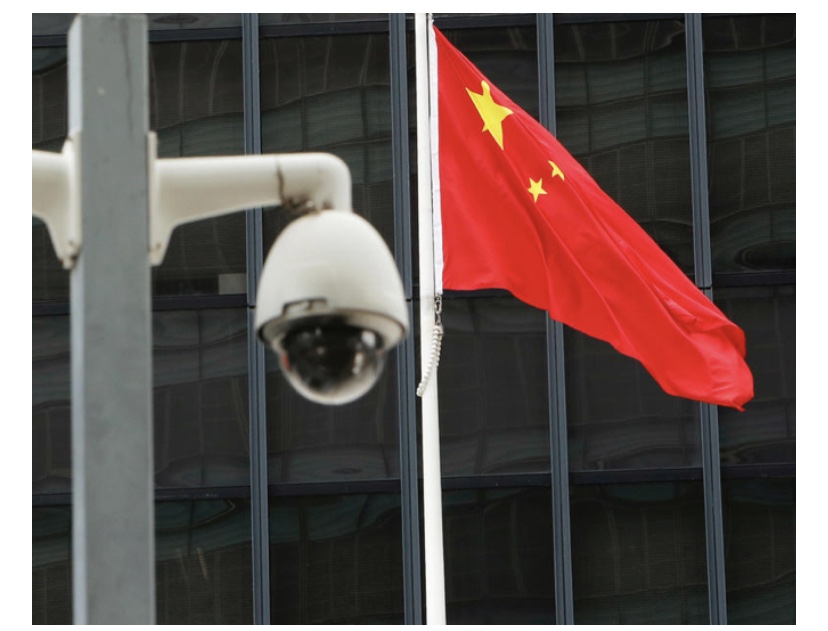
Procurement documents reportedly show that Hikvision cameras have been installed in public spaces across Xinjiang and in mass detention facilities, and Hikvision cameras have captured footage that has led to the detention of Uyghurs.
Hikvision has also advertised that it offers biometric surveillance technology that can track ethnic minorities, including Uyghurs, though in 2020 the company stated its products no longer offer that capability.
Human rights groups and the U.S. and othergovernments have accused Hikvision of participating in human rights abuses in Xinjiang — allegations the surveillance giant has rejected.
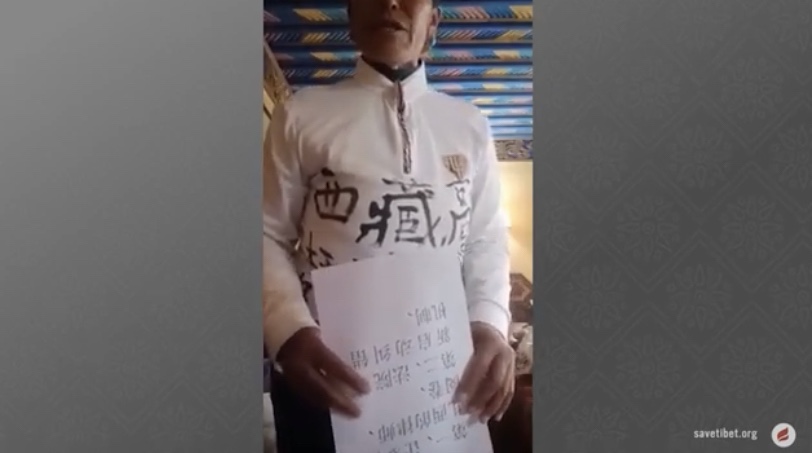
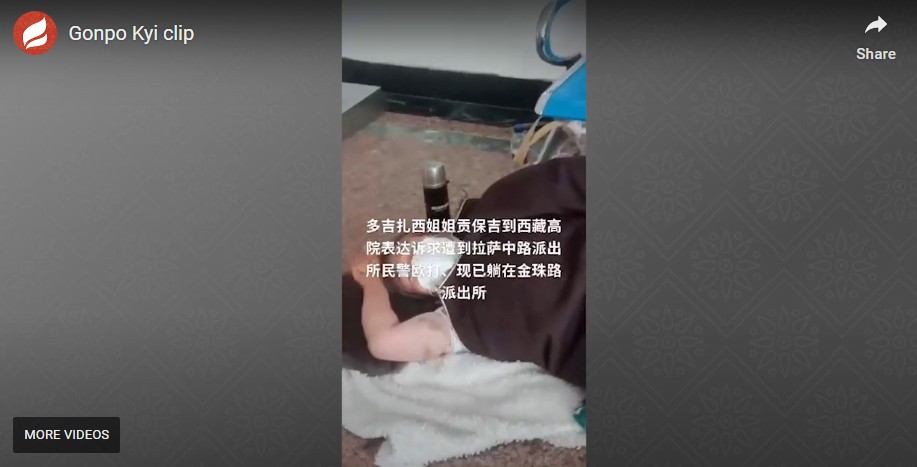
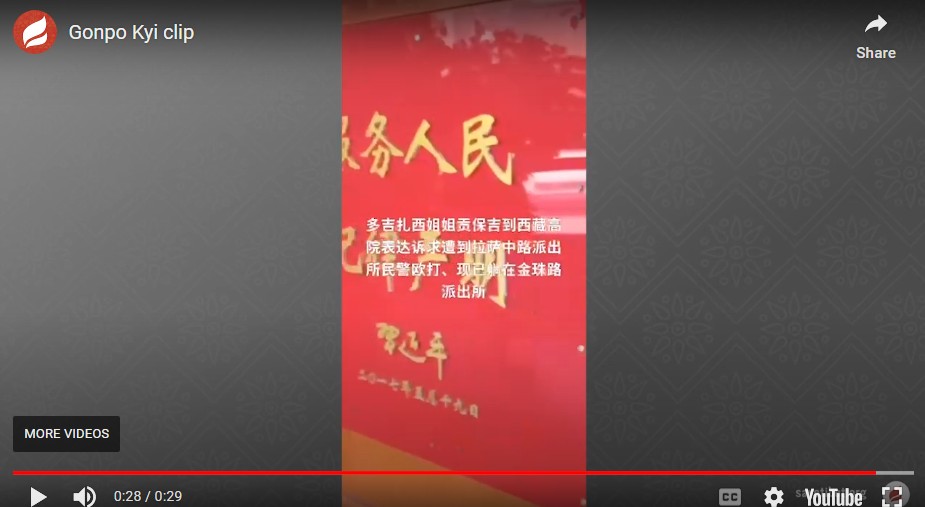
在拘留期间,警察殴打Gonpo。 据国际援藏运动提供的视频,贡布躺在拉萨解放路派出所的地板上,在短视频中,贡布展示了被警察殴打后右上臂的淤青 During the detention, the police beat Gonpo. In a video clip obtained by the International Campaign for Tibet, Gonpo is seen lying on the floor inside the Lhasa Liberation Road police station.
In the short clip, Gonpo shows the bruises on her upper right arm from the police beating.
China has illegally occupied Tibet for over 60 years. It has refused to negotiate with Tibetan leaders since 2010. But a new bill in 2023 will pressure China to get back to the negotiating table.
As for Islamophobia day, will the UN declare a day each for Hinduphobia, Christian phobia and Jeruphobia because they all face hate, persecution and even extermination in different degrees in different parts of the world? the Directus questioned
China made a clever decision to use Pakistan, an Islamic country to counter the west’s campaign against human rights violations of Uyghur Muslims in Xinjiang. In September last year, Pakistan led 68 countries at the 51st session of the United Nations Human Rights Council opposing what they called interference in China’s internal affairs under the pretext of human rights. They said Xinjiang, Hong Kong and Tibet were China’s internal affairs and there should be no politicisation of human rights and double standards.
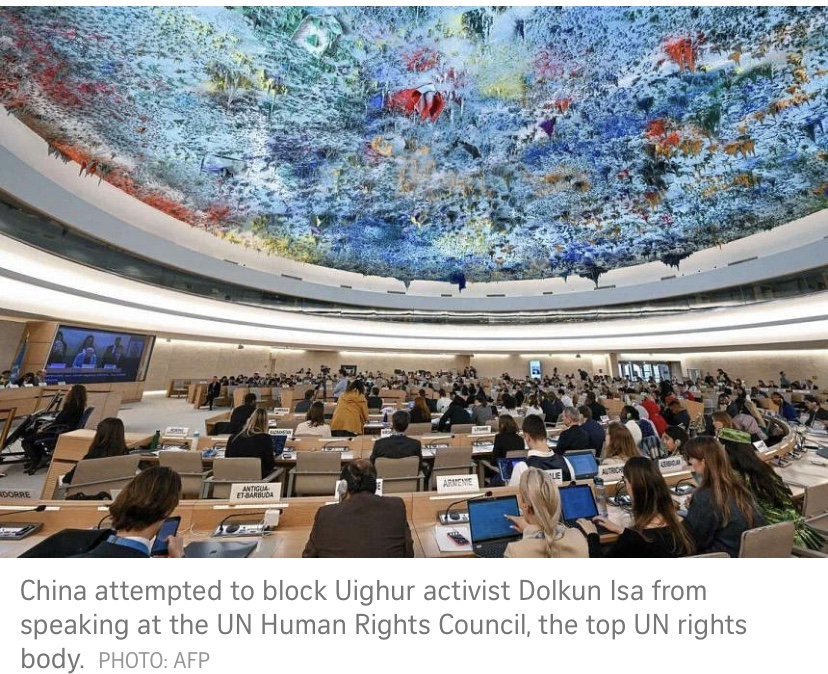
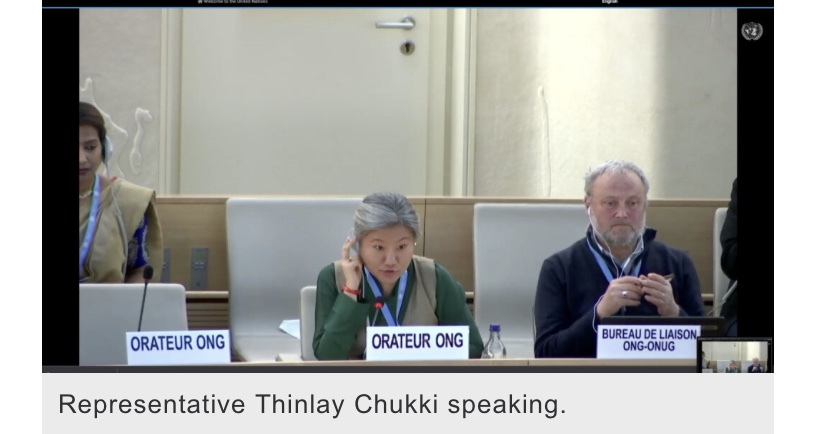
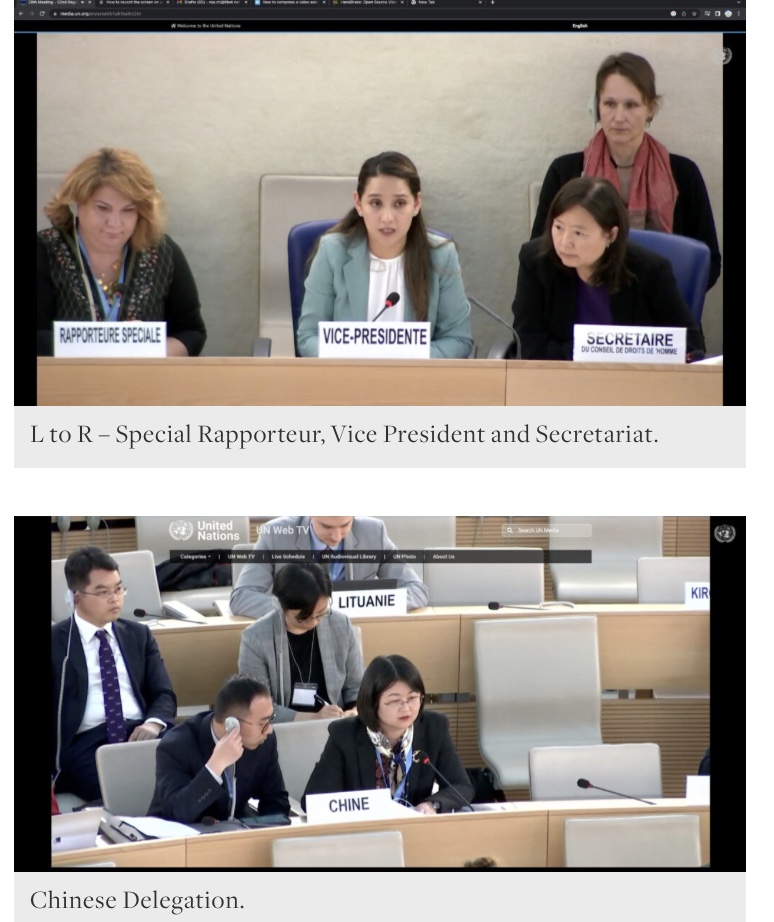
中国周四试图阻止一名著名的维吾尔族活动家在联合国人权理事会发表讲话,他要求该机构紧急处理关于北京严重违规行为的指控。 China attempted on Thursday to block a prominent Uighur activist from speaking at the United Nations Human Rights Council, where he demanded the body urgently address allegations of serious violations by Beijing.
This report explores how the Chinese party-state’s globally focused propaganda and disinformation capabilities are evolving and increasing in sophistication. Concerningly, this emerging approach by the Chinese party-state to influence international discourse on China, including obfuscating its record of human rights violations, is largely flying under the radar of US social media platforms and western policymakers.
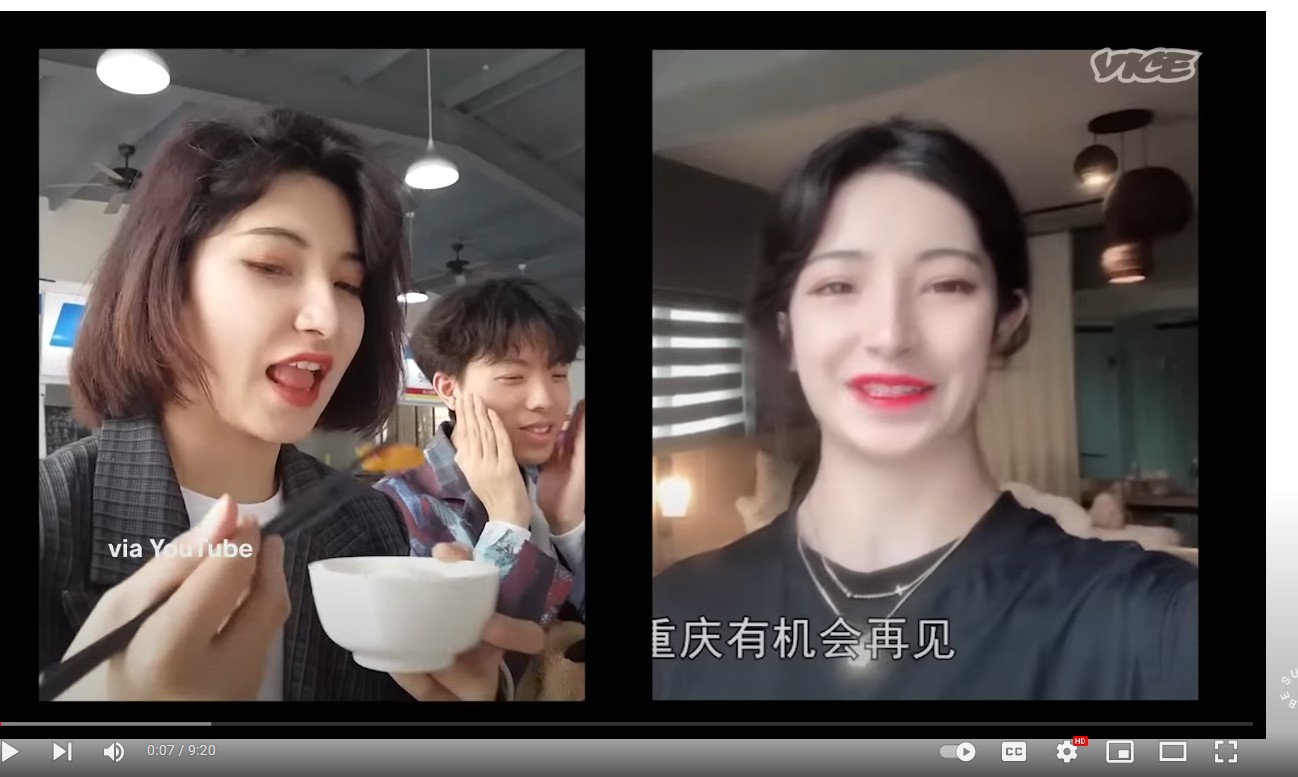
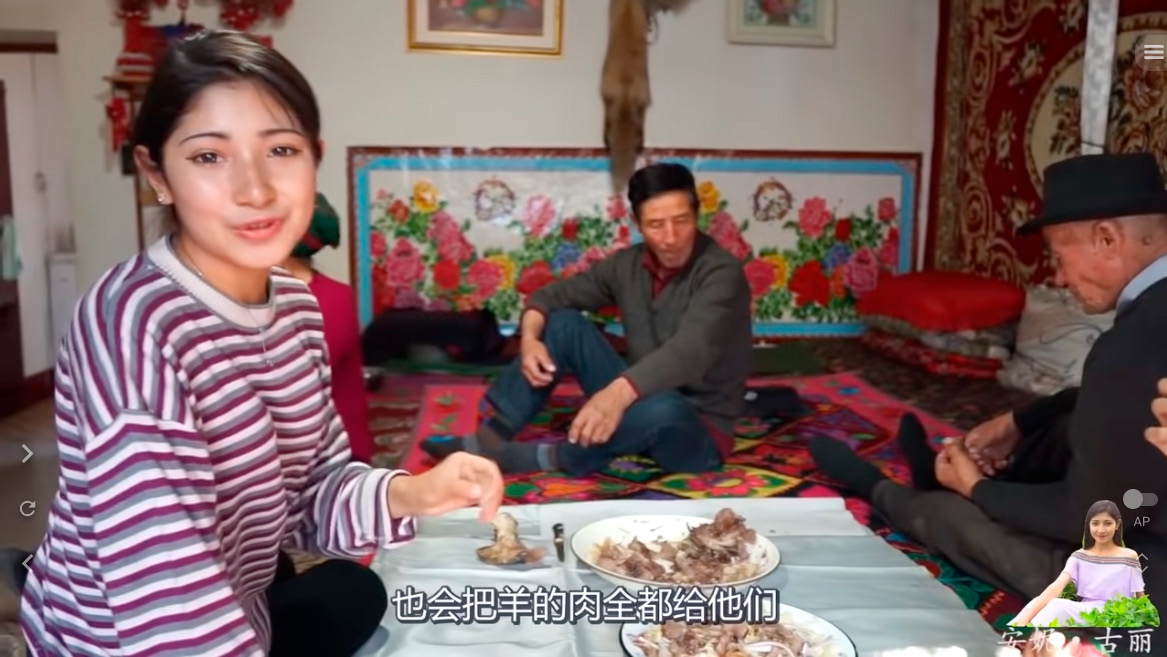
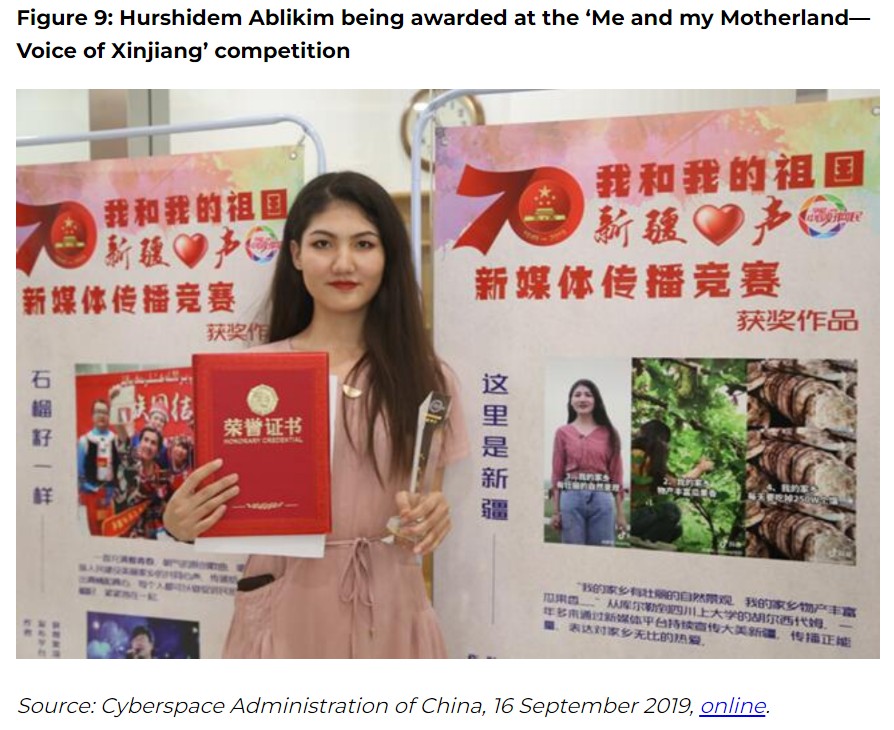
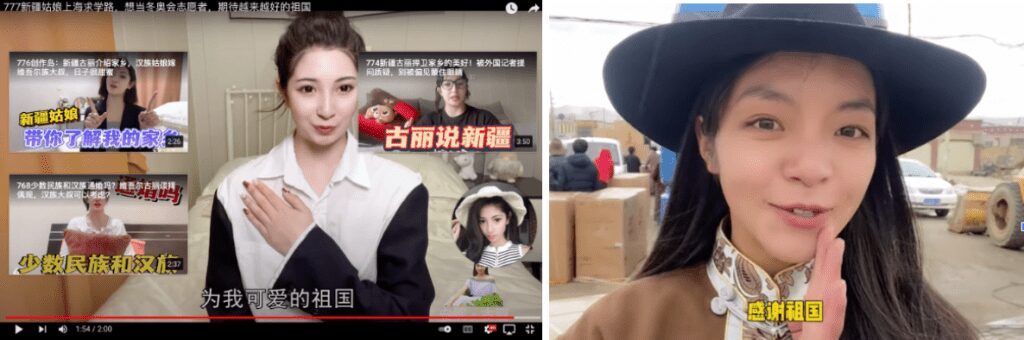
In the broader context of attempts by the Chinese Communist Party (CCP) to censor speech, promote disinformation and seed the internet with its preferred narratives, we focus on a small but increasingly popular set of YouTube accounts that feature mainly female China-based ethnic-minority influencers from the troubled frontier regions of Xinjiang, Tibet and Inner Mongolia, hereafter referred to as ‘frontier influencers’ or ‘frontier accounts’.
Despite being blocked in China, YouTube is seen by the CCP as a key battlefield in its ideological contestation with the outside world, and YouTube’s use in foreign-facing propaganda efforts has intensified in recent years. Originally deployed on domestic video-sharing platforms to meet an internal propaganda need, frontier-influencer content has since been redirected towards global audiences on YouTube as part of the CCP’s evolving efforts to counter criticisms of China’s human rights problems and burnish the country’s image.
Alongside party-state media and foreign vloggers, these carefully vetted domestic vloggers are increasingly seen as another key part of Beijing’s external propaganda arsenal. Their use of a more personal style of communication and softer presentation is expected to be more convincing than traditional party-state media content, which is often inclined towards the more rigid and didactic. For the CCP, frontier influencers represent, in the words of one Chinese propaganda expert, ‘guerrillas or militia’ fighting on the flanks in ‘the international arena of public opinion’, while party-state media or the ‘regular army’ ‘charge, kill and advance on the frontlines’.
Influencers are the new face of Chinese propaganda. Hidden amongst the vlogs about puppies and makeup, they clandestinely allow Beijing to whitewash its crimes against humanity. Despite being blocked in China, YouTube has become a key ideological battleground for the Chinese Communist Party. And they have created a whole new ecosystem of influencers who tow the party line. From looking at these videos, these Uygher influencers portray their homeland of Xinjiang as idyllic and prosperous. However, numerous and credible reports document China’s ongoing crimes against the Uygher population – from rape, forced sterilization to slave labor. Daria Impiombato, a Researcher at The Australian Strategic Policy Institute, and her team, watched over 1,700 of these videos. Soon enough, they found a worrying grey area in which these influencers operate. Through working for ‘multi-channel networks’ or MCNs,. These “influencer agencies”, with state-approved VPN networks, allow them to circumnavigate the all-powerful “Great Firewall of China”. However, these agencies are linked to the Chinese Communist Party, and their content must strictly follow Chinese law. Beijing’s propaganda machine is attempting to control the narrative, not just within their borders, but directly within your algorithms too.
Table 1: Frontier accounts on YouTube with more than 2,000 followers
To interact with the hyperlinks, please download the full report.
Figure 18: A video on the Ayituna (阿依图娜) channel describing the beautiful hair of the women in the vlogger’s family
Figure 24: Screenshots of posts from the @Maryamugul Twitter account featuring frontier influencer vide
Source: ‘Xinjiang Mali’ [新疆玛丽], Twitter, 9 October 2021, online; ‘Xinjiang Mali’ [新疆玛丽], Twitter, 27 May 2021, online.
The now-suspended @LeonaBenjamin18 Twitter account shares the same name and profile picture as the currently active @Maryamugul Twitter account
Source: Twitter.
Xiaowu Brothers’ post outlining ‘detailed rules for the review of online short video content’
Source: ‘Xiaowu Brothers’ [杭州小五和她的兄弟们科技有限公司], Facebook, 30 December 2021, online.
Meta’s blog post on Xiaowu Brothers’ success story
Xiaowu Technology joint party branch held an organisational life meeting and carried out a criticism and self-criticism session of party members
Source: ‘Jincheng Xiaowu Technology’ [晋城小五科技], Weixin, 1 April 2022, online.
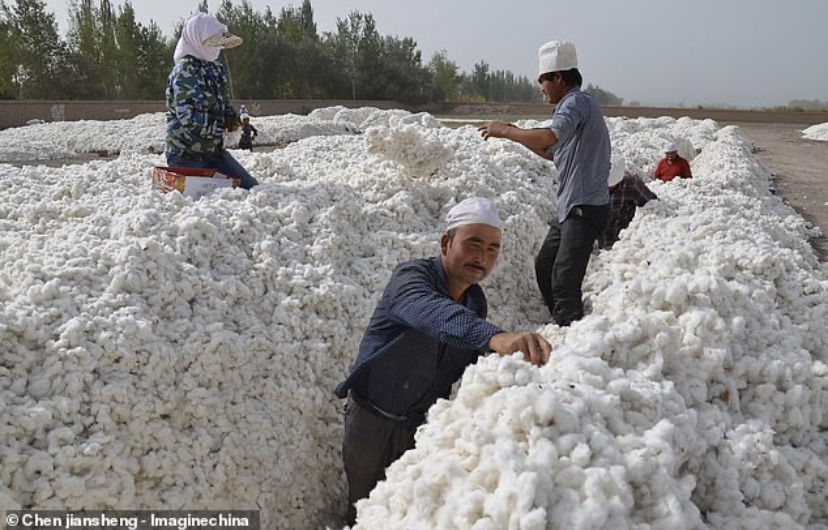
Pre-roll advertisements on videos about Xinjiang cotton, appearing on the ‘Annie Guli’ and ‘Chinar girl on horseback’ YouTube accounts, and a pop-up ad on the ‘GuLi XinJiang’ account
From Xi’s point of view, the image of China and its frontier regions is distorted by negative portrayals from ‘foreign forces’ used to contain the country’s rise. Creating a ‘credible, lovable, and respectable image’ of China’s frontier regions is meant to cultivate a favourable domestic and external environment for the PRC that will, in turn, facilitate the country’s stability, development and global power. The emergence of ethnic-frontier accounts on platforms blocked in China is another sign of Beijing’s willingness to experiment in building its global voice.
The party-state is concerned that opening up access to social media platforms and other interactive channels to regular Chinese people will expose them to the risk that they’ll be influenced by the West’s superior ‘discourse power’ and undermine the CCP’s political project. Far from encouraging widespread participation of Chinese internet users on foreign platforms, the CCP has continued to restrict them from engaging in dialogue across the firewall, indicating that the party-state doesn’t trust Chinese citizens to ‘tell China’s story well’ unless they’re led and guided through designated channels.
Frontier-influencer accounts are increasingly used as an emerging part of Beijing’s growing propaganda arsenal. They’re seen as a resource to be drawn on, but only if they’re harnessed properly. At present, their effectiveness appears to be mostly limited to the global Chinese diaspora. But, as Beijing continues to ramp up political control over social media content production and bring official discourse and self-expression further into line, more of these seemingly authentic accounts are likely to be unleashed onto the world.
The interruptions occurred at the Council’s interactive dialogue with Alexandra Xanthaki, the U.N.’s special rapporteur in the field of cultural rights, on her report on migration and cultural rights. The report identified gaps that exist in the protection of the cultural rights of no less than 280 million around the world.
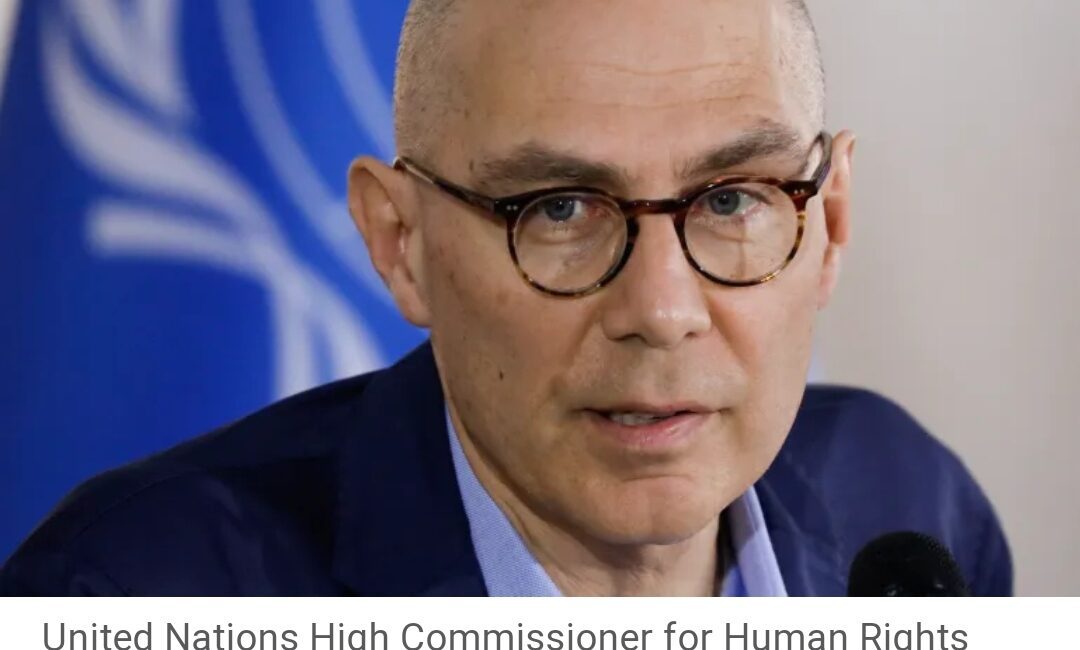
The new United Nations human rights chief has said his office has opened “channels of communication” to help follow up on concerns about the rights of minorities in the western Xinjiang region of China, including Uighur Muslims and Tibetans. 新任联合国人权事务负责人表示,他的办公室已经开通了“沟通渠道”,以帮助跟进对中国西部新疆地区少数民族权利的担忧,包括维吾尔族穆斯林和藏族人。
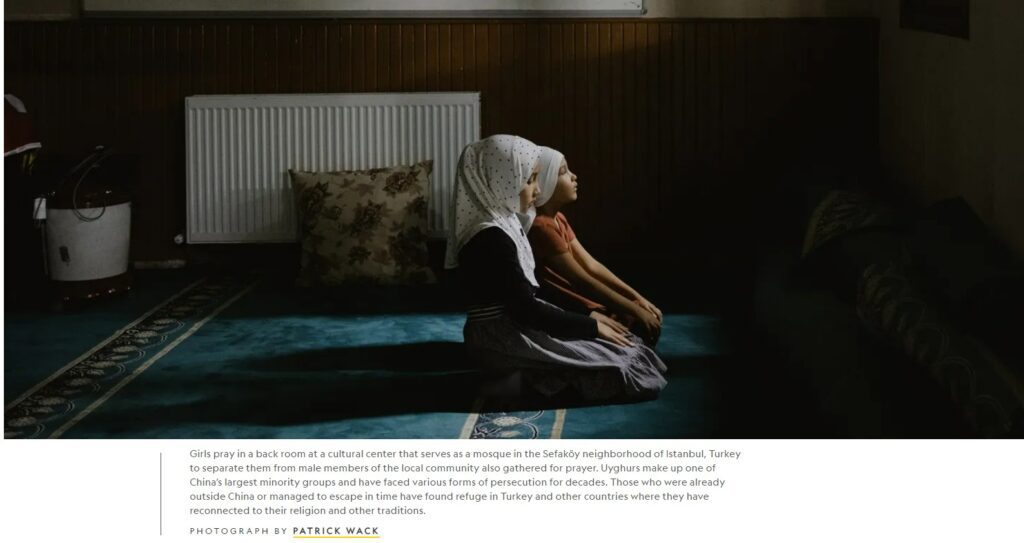
“One day, we will raise this flag in our homeland,” Küseni says. “Are you ready?”
“Yes!” the children reply in unison, placing their right hands to their chests as the East Turkestan anthem “March of Salvation” plays. In Xinjiang that would also be illegal. Then the students crowd into an assembly hall where a carpeted stage, backed by lilac drapes and an arch of white flowers, has been arranged in front of rows of plastic chairs.
Intended to punish China for its treatment of Uyghurs and other minorities across Xinjiang province, the crackdown has had the corresponding effect of crippling the U.S. solar market and freezing its supply chain.
— Read on www.axios.com/2023/01/13/us-china-forced-labor-imports-solar-industry
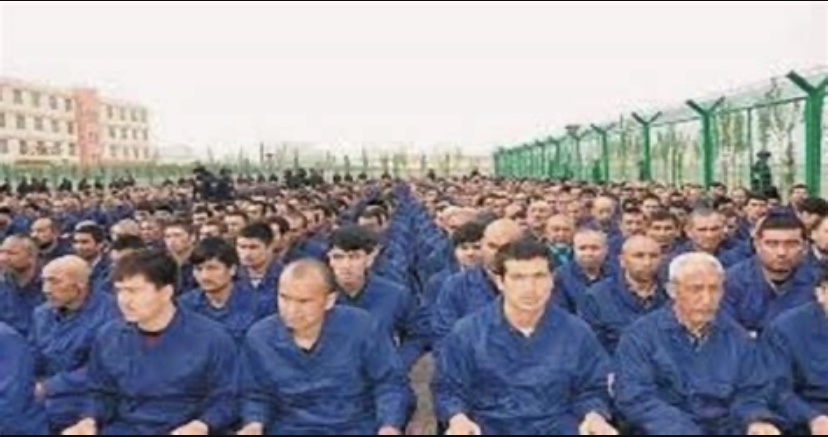
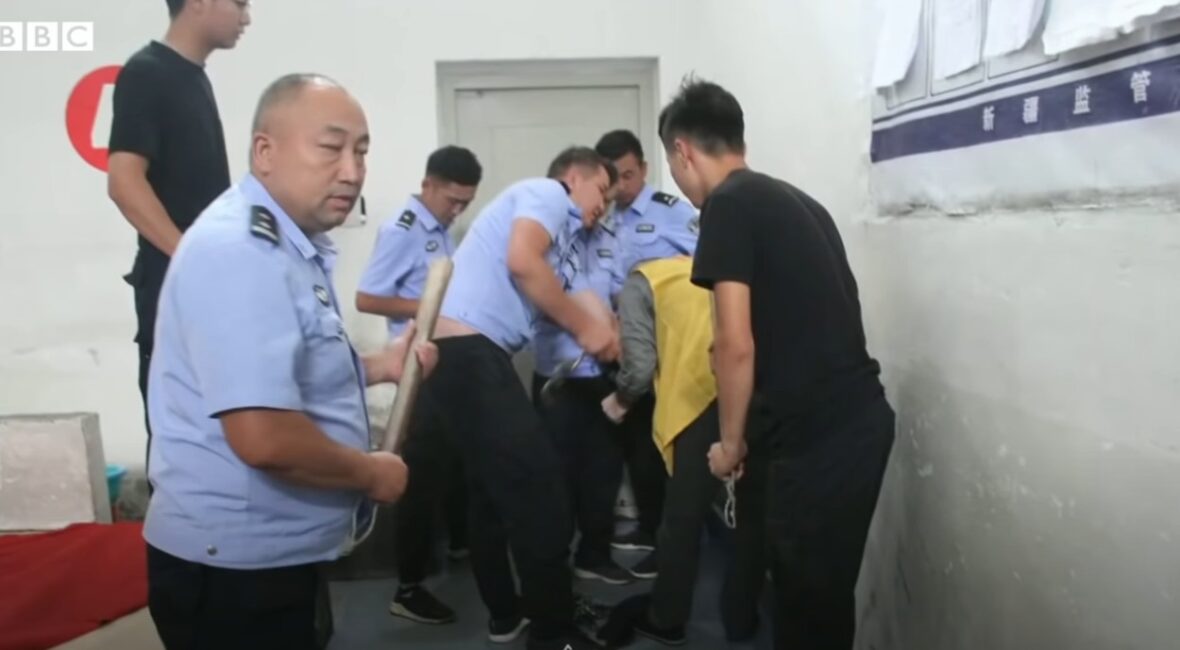
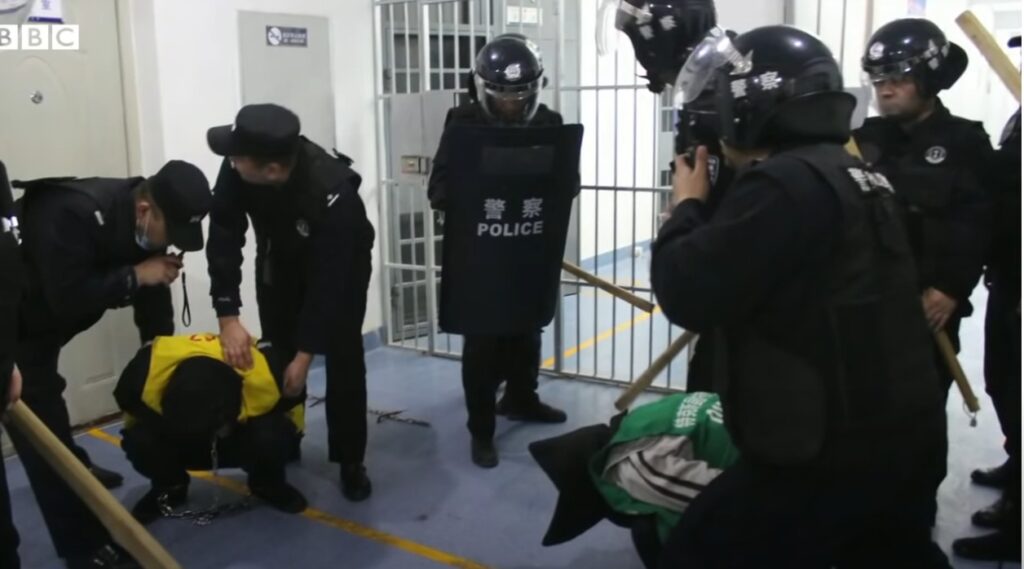
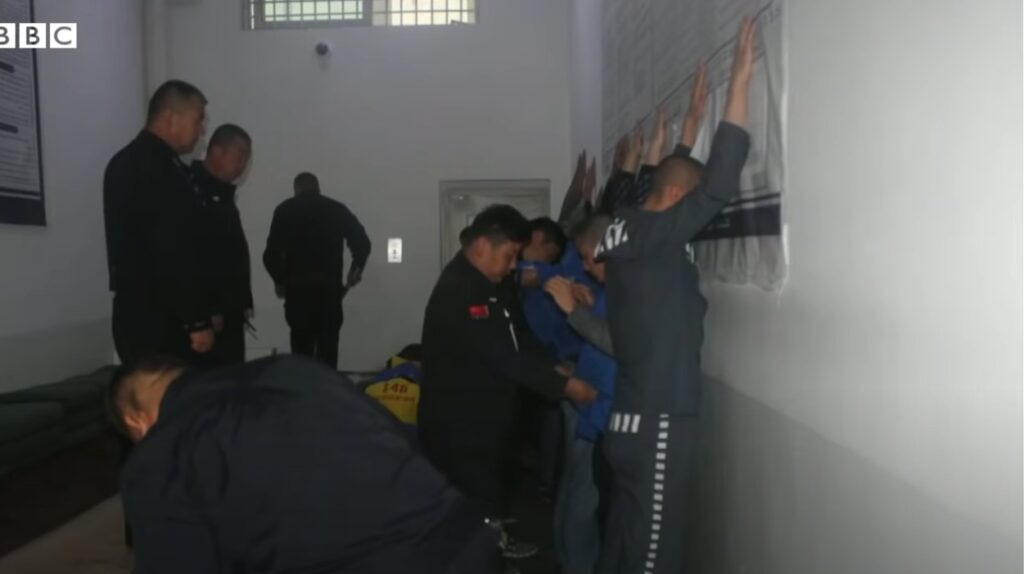
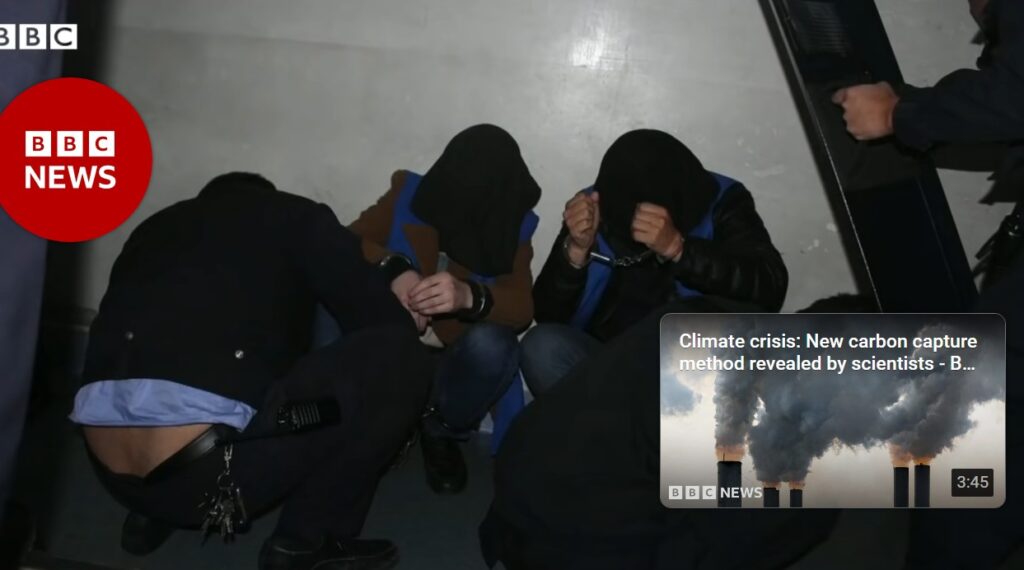
Uyghur detention camps in China’s western Xinjiang province have a shoot-to-kill policy for those who try to escape, according to leaked documents seen by the BBC. The Xinjiang Police Files, a huge cache of data hacked from police computer servers in the region, also include thousands of police photographs of Uyghurs in detention camps. The documents provide some of the strongest evidence to date for a policy targeting almost any expression of Uyghur identity, culture or Islamic faith. These “re-education camps”, built across the region since 2017, are what the Chinese government claim are nothing more than “schools”.
China accelerates global campaign to sway foreign media
As part of the campaign, Chinese diplomats and state media outlets have “openly promoted falsehoods or misleading content,” the report said.
“[T]here was a concerted effort to whitewash and deny the human rights atrocities and violations of international law being committed against members of ethnic and religious minority groups in Xinjiang,” Freedom House said, calling this “the most disturbing result of the CCP’s global media influence campaign.”
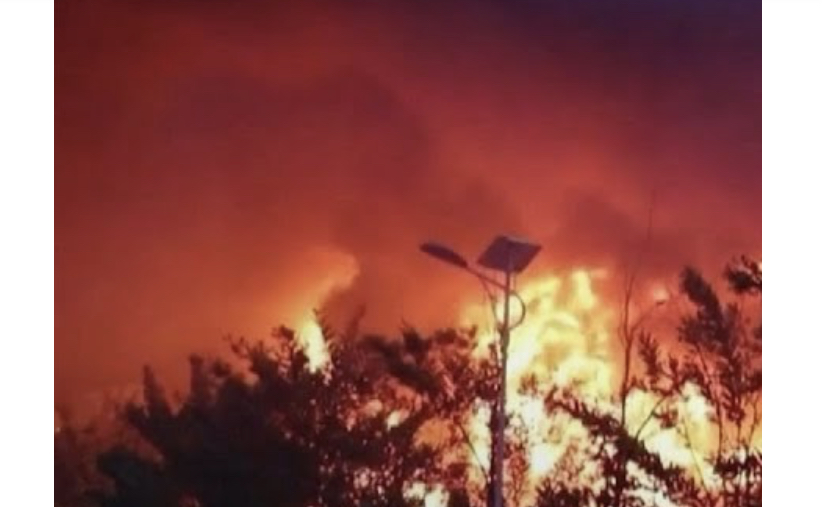
The Xinjiang isolation camp, filmed on 4-Oct, it is so wide that you can’t see the end of it … Looks like a concentration camp to experts, but China claims it is just covid isolation camp
Chinese internet users detained over Xinjiang Covid-19 outbreak ‘rumours’
4 people in Yining ordered to serve up to 10 days behind bars for various offences, including ‘inciting opposition’Announcement comes just days after authorities in the prefecture admit failings in access to medical services
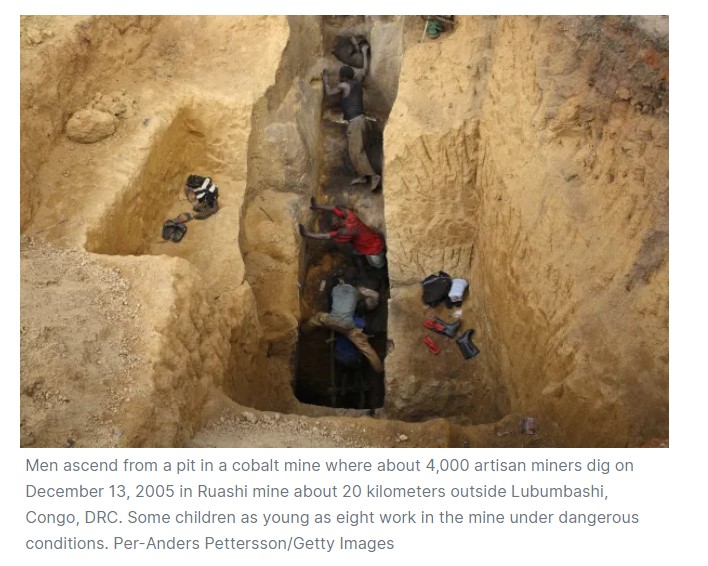
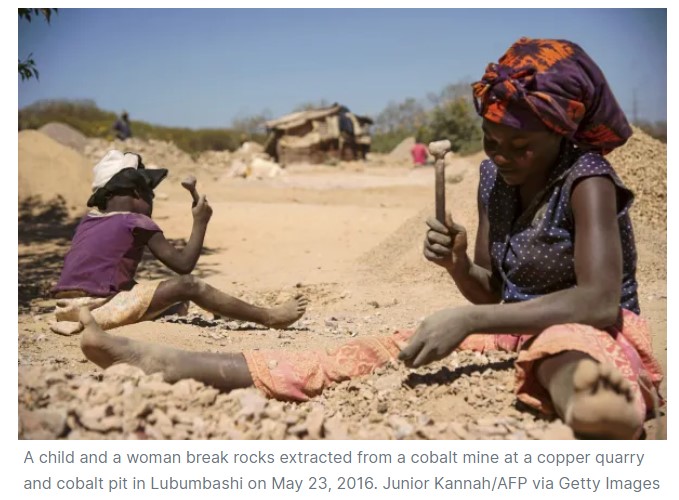
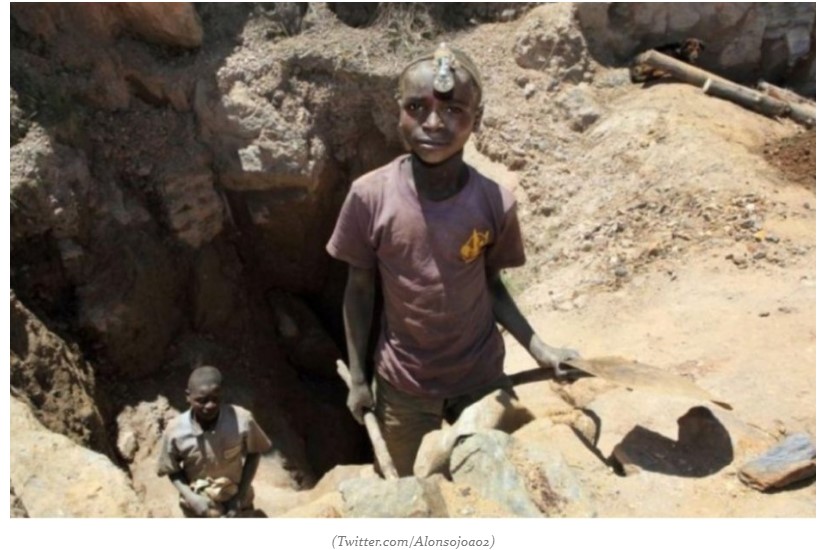
chinese’s racism is becomes very severe not only in China but over the world by Chinese. 中国种族主义不仅在中国而且在全世界都变得非常严重. 中国公司涉嫌在刚果拐卖4万名儿童,强迫他们在危险矿井工作
Human rights advocates have accused China of exploiting thousands of Congolese children to work in cobalt mines.
There’s a new demand for cobalt, a mineral used in electric car batteries, amid a global race to rule the electric vehicle market. Witnesses testified, however, to the inhumane treatment and abuse of 40,000 children in cobalt mines in the Democratic Republic of Congo at a congressional hearing on July 14…….
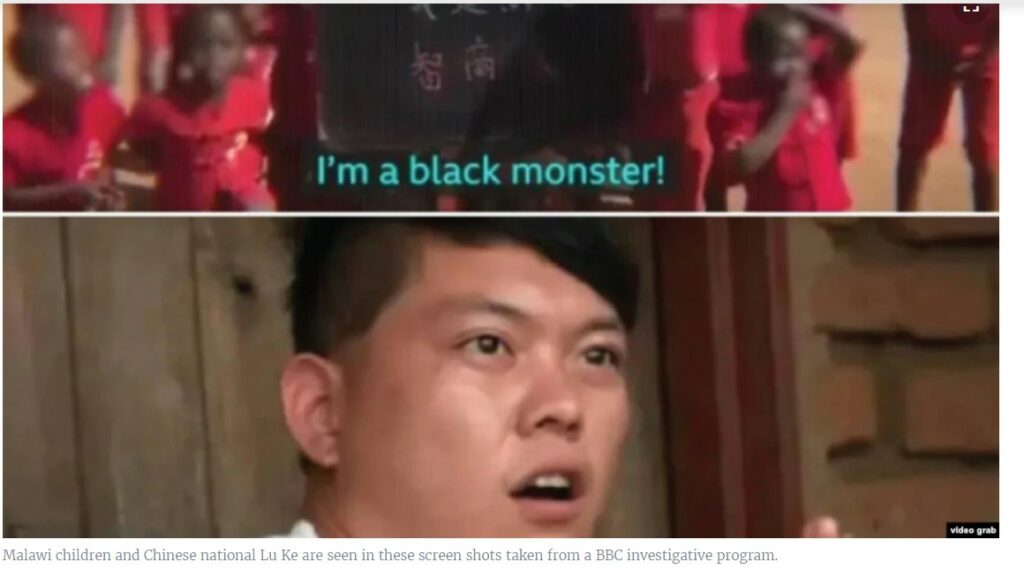
中华民族的传统美德. Chinese man behind racist videos of children in Malawi arrested
马拉维儿童种族主义视频背后的中国男子被捕
chinese’s racism is becomes very severe not only in China but over the world by Chinese. 中国种族主义不仅在中国而且在全世界都变得非常严重
中华民族的传统美德 Racist videos about Africans fuel a multimillion-dollar Chinese industry
6 月,英国广播公司 (BBC) 的一项广为流传的调查揭露了马拉维一名名叫卢克的中国视频制作者,他被指控对至少一名黑人儿童进行身体虐待。在这段视频引发全球强烈抗议后,中国政府发誓要打击网络种族主义。据研究人员称,该国包罗万象的审查机构经常对仇外心理视而不见,该州并不认为这是对其统治的迫在眉睫的威胁。 BBC 纪录片发布后不久,快手、小红书、微信和抖音(中国版 TikTok)等社交媒体平台禁止用户搜索包含“非洲”一词的视频账户。几乎所有在非洲的顶级中国影响者都停止了他们的日常直播。程告诉我们,快手告诉他,对非洲视频博主的直播禁令是由 BBC 调查触发的;快手、小红书和哔哩哔哩没有回应置评请求。字节跳动拒绝就此次打击置评。微信的所有者腾讯也拒绝就禁令置评,并将世界其他地区提到该应用程序的反对仇恨言论的政策。
In the past four years, China’s global image has deteriorated extensively.
中国崩溃的全球形象 过去四年,中国的全球形象大幅恶化。
In the past four years, China’s global image, which had been positive or at least neutral in many parts of the globe for the previous two decades, has deteriorated extensively. This deterioration has occurred not only among leading democracies such as the United States and Japan, with whom China already had prickly relations, but also among developing countries in Africa, Asia, and Eastern Europe. China had enjoyed positive relations with states in these regions between the 1990s and late 2010s. In some parts of the world, ……
Torture claims against China Uyghurs ‘credible’ says United Nations – BBC News
96,540 views Sep 2, 2022 China has been accused of crimes against humanity in regards to their treatment of Uyghurs Muslims and other minorities, according to a report by the UN. The report suggests there has been credible allegations of torture and sexual abuse in detention camps in the Xinjiang province. China has claimed the report is a farce created by the UN and western countries.