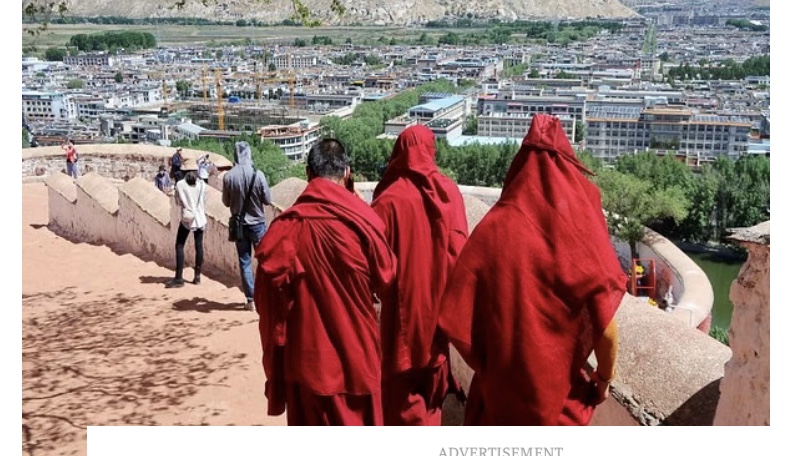
中国正在窃取西藏的地下水,并将其卖回给西藏人,西藏人之前是免费获得的。在其中一则广告中,人们看到一名年轻的西藏游牧妇女在宣传一种中国品牌的瓶装水,该瓶装水实际上来自西藏。 China is stealing Tibet’s groundwater and selling it back to Tibetans, who previously got it for free. In one of the ads, a young Tibetan nomad woman was seen promoting a Chinese brand of bottled water that is actually sourced from Tibet.
Chinese Government Uses Phone Search Program to Target Uyghur Muslims…
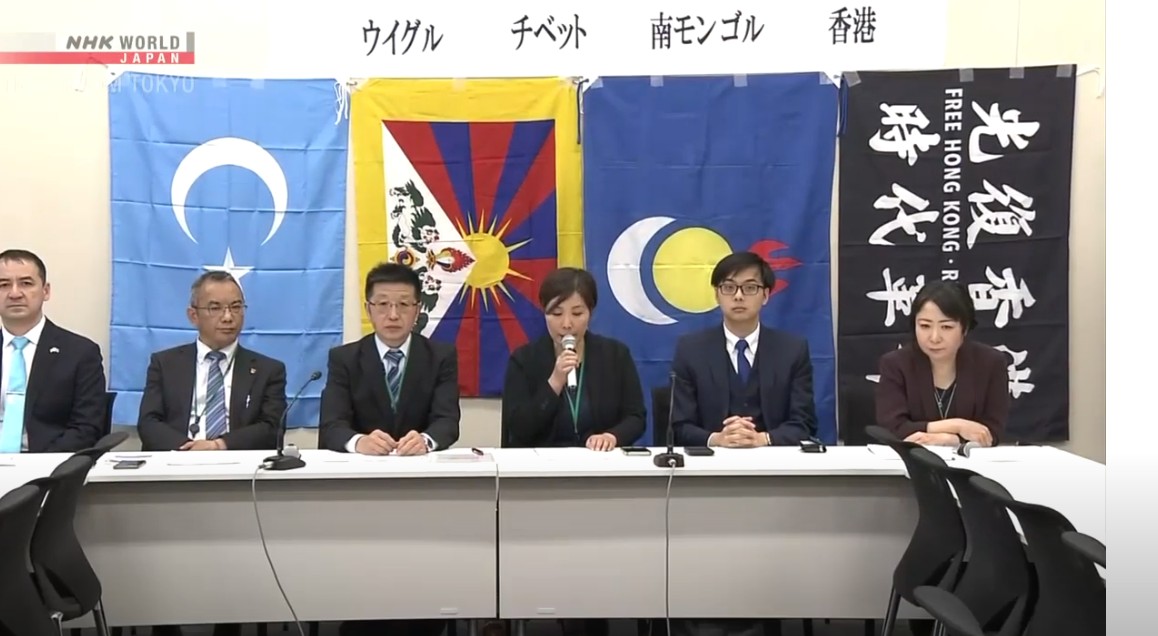
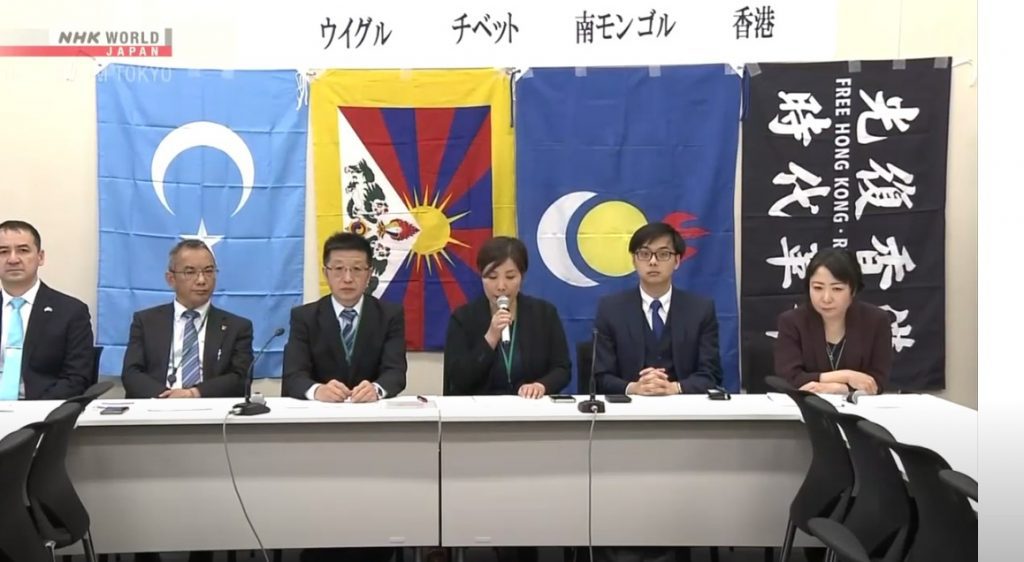
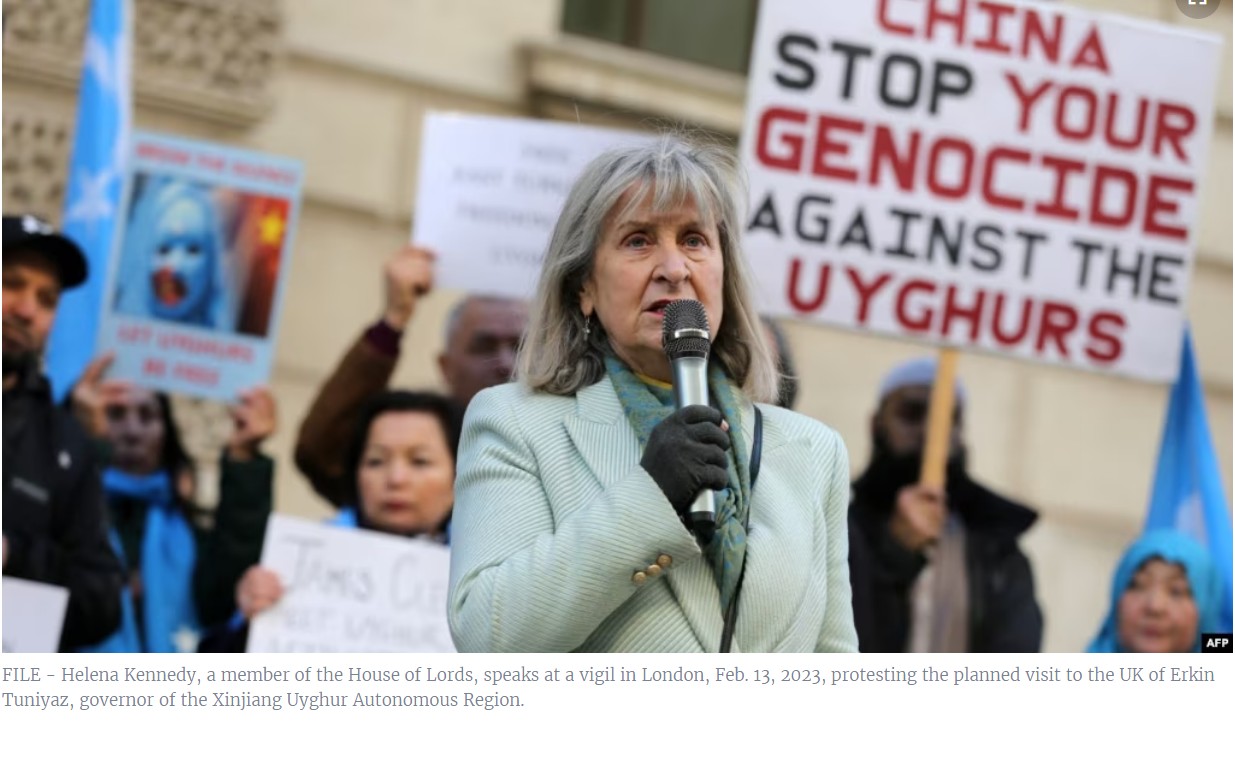
Consuls General Visit Xinjiang Amid Criticism of Chinese Propaganda on Human Rights Abuses… TikTok Parent Company Includes ‘Uyghur’ in Words to be Monitored…. Uyghur Activist Urges Malaysian Prime Minister to Speak Up for Uyghur Muslims in China…. Rights Group Urge End to Indefinite Detention of Asylum Seekers in Thailand after Second Uyghur Dies… US Representatives Call for Halt to Shein IPO Over Forced Labor Concerns…. UN Working Group Demands China Releases Detained Uyghurs… ‘Returning to the Past’: Uyghur Teenagers Reconnect with Their Heritage in Berlin…. Virginia After-School Program Offers Uyghur Youth Language and Culture Classes…. Calls for Canada to do More to Stop the Import of Goods Potentially Made by Forced Uyghur Labor…. Japanese-Uyghur Woman Makes History as First Uyghur Candidate to Win Seat in Parliament….
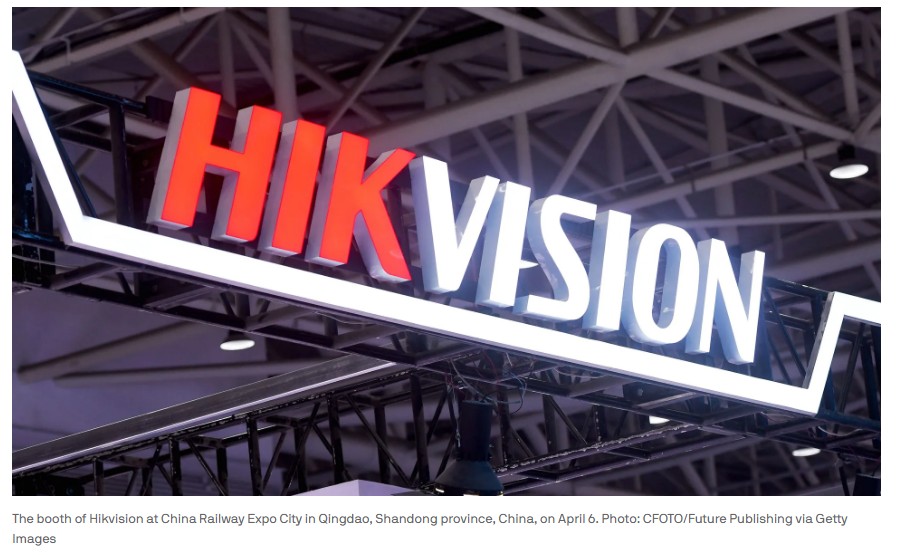
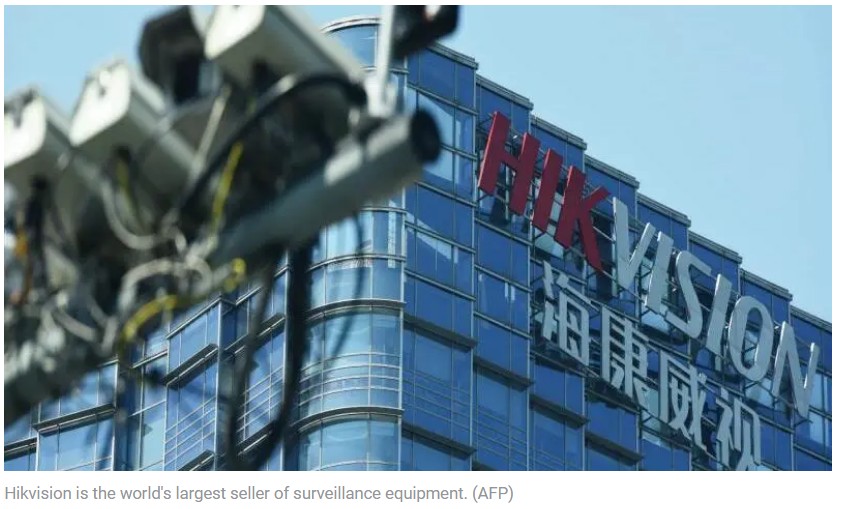
Chinese surveillance giant Hikvision has repeatedlydenied reports that the company is complicit in human rights abuses targeting Uyghurs in China’s northwestern region of Xinjiang.
But new details from an internal review of its contracts with police agencies in the region reveal the company has known since at least 2020 that some of its Xinjiang contracts were a “problem” because they included language about targeting Uyghurs as a group, according to a recording of a recent private company meeting obtained by technology trade publication IPVM and exclusively shared with Axios.
Why it matters: The Chinese government is perpetrating an ongoing campaign of genocide and mass detention of Uyghurs and other ethnic minorities in the country’s northwest region of Xinjiang.
Procurement documents reportedly show that Hikvision cameras have been installed in public spaces across Xinjiang and in mass detention facilities, and Hikvision cameras have captured footage that has led to the detention of Uyghurs.
Hikvision has also advertised that it offers biometric surveillance technology that can track ethnic minorities, including Uyghurs, though in 2020 the company stated its products no longer offer that capability.
Human rights groups and the U.S. and othergovernments have accused Hikvision of participating in human rights abuses in Xinjiang — allegations the surveillance giant has rejected.
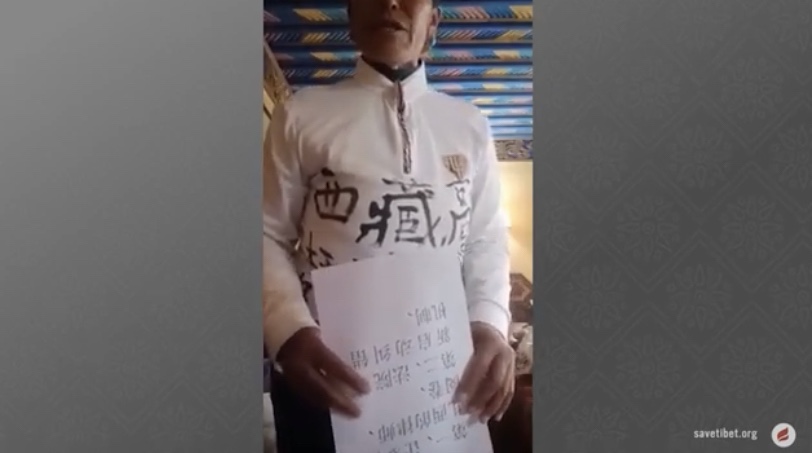
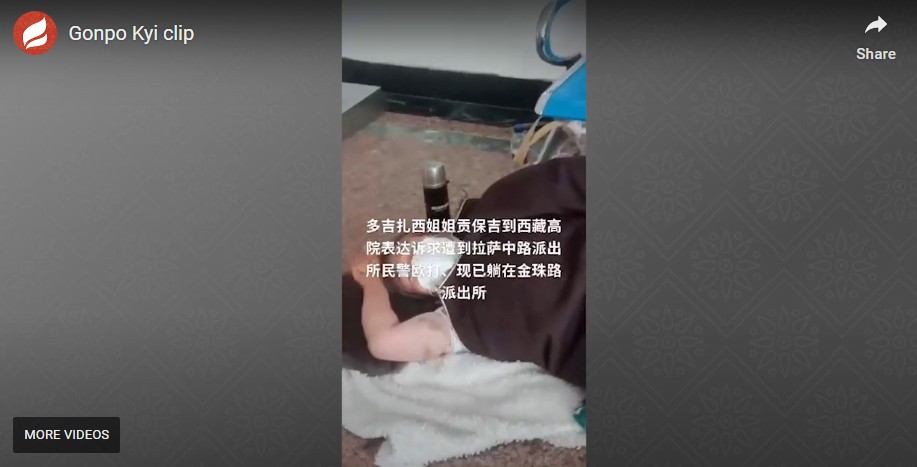
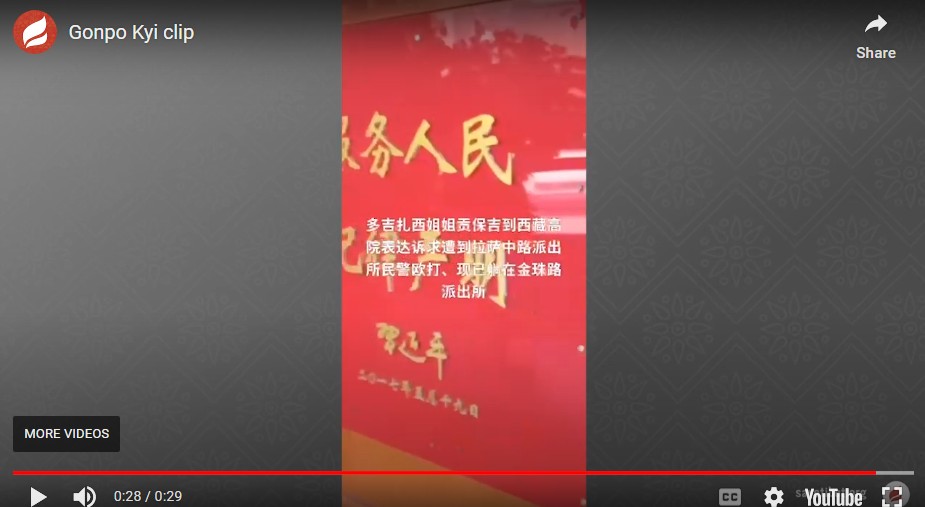
在拘留期间,警察殴打Gonpo。 据国际援藏运动提供的视频,贡布躺在拉萨解放路派出所的地板上,在短视频中,贡布展示了被警察殴打后右上臂的淤青 During the detention, the police beat Gonpo. In a video clip obtained by the International Campaign for Tibet, Gonpo is seen lying on the floor inside the Lhasa Liberation Road police station.
In the short clip, Gonpo shows the bruises on her upper right arm from the police beating.
China has illegally occupied Tibet for over 60 years. It has refused to negotiate with Tibetan leaders since 2010. But a new bill in 2023 will pressure China to get back to the negotiating table.
As for Islamophobia day, will the UN declare a day each for Hinduphobia, Christian phobia and Jeruphobia because they all face hate, persecution and even extermination in different degrees in different parts of the world? the Directus questioned
China made a clever decision to use Pakistan, an Islamic country to counter the west’s campaign against human rights violations of Uyghur Muslims in Xinjiang. In September last year, Pakistan led 68 countries at the 51st session of the United Nations Human Rights Council opposing what they called interference in China’s internal affairs under the pretext of human rights. They said Xinjiang, Hong Kong and Tibet were China’s internal affairs and there should be no politicisation of human rights and double standards.
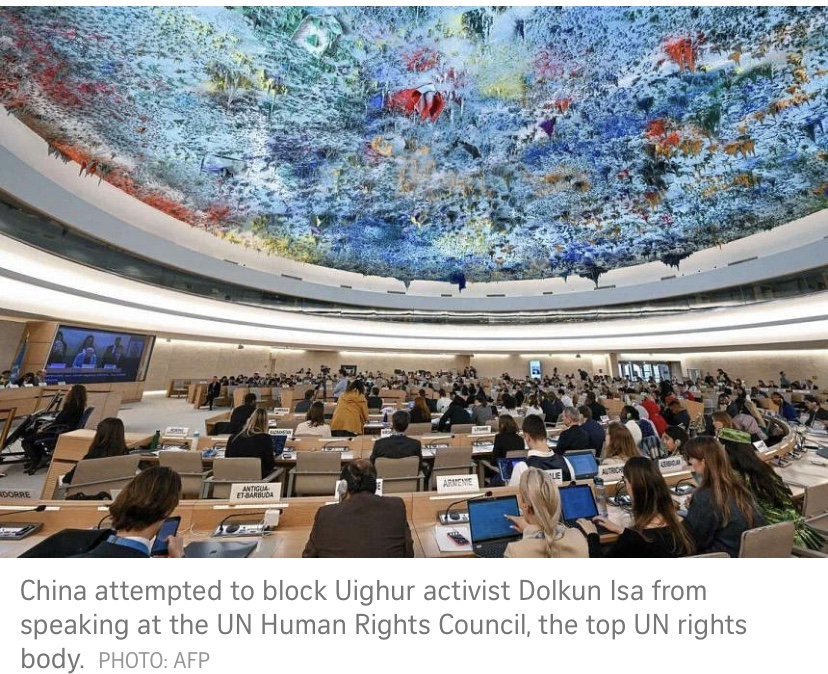
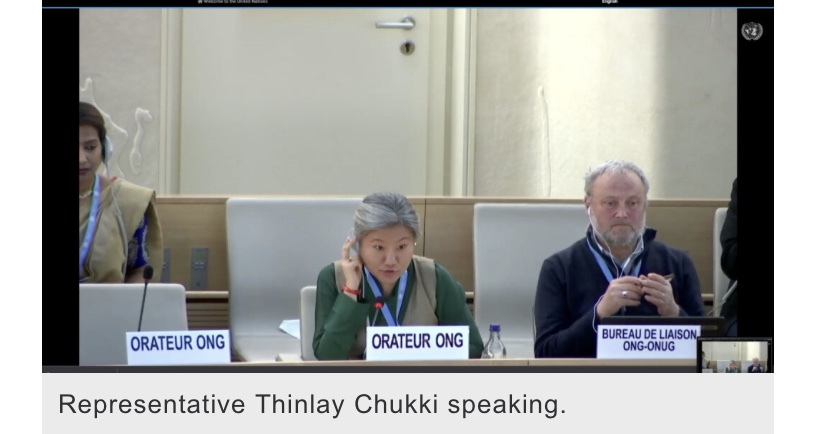
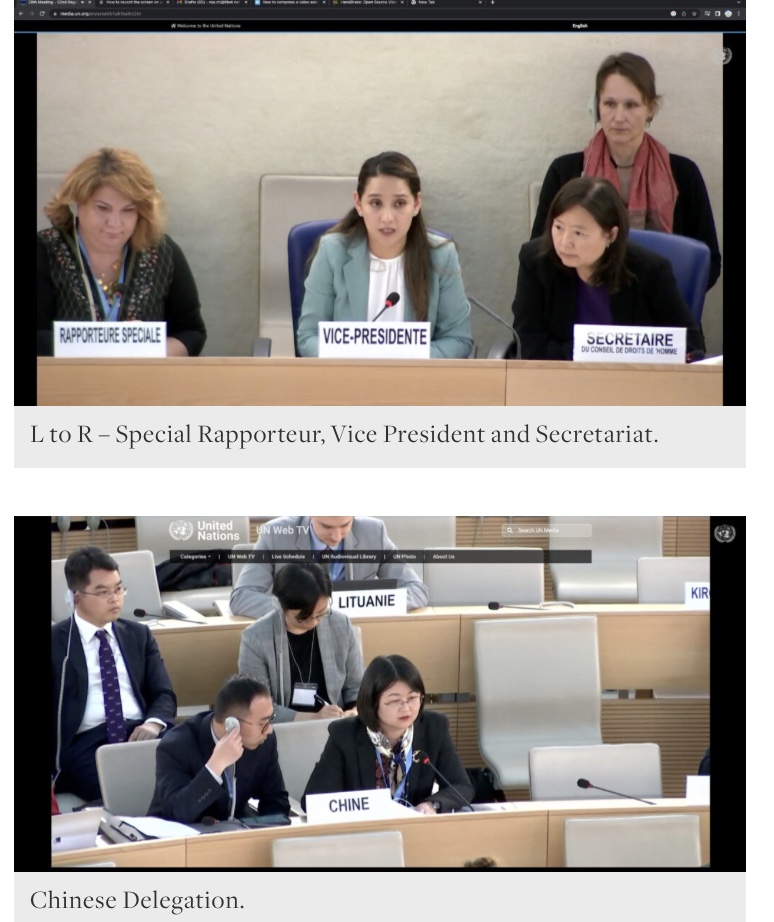
中国周四试图阻止一名著名的维吾尔族活动家在联合国人权理事会发表讲话,他要求该机构紧急处理关于北京严重违规行为的指控。 China attempted on Thursday to block a prominent Uighur activist from speaking at the United Nations Human Rights Council, where he demanded the body urgently address allegations of serious violations by Beijing.
The interruptions occurred at the Council’s interactive dialogue with Alexandra Xanthaki, the U.N.’s special rapporteur in the field of cultural rights, on her report on migration and cultural rights. The report identified gaps that exist in the protection of the cultural rights of no less than 280 million around the world.
The new United Nations human rights chief has said his office has opened “channels of communication” to help follow up on concerns about the rights of minorities in the western Xinjiang region of China, including Uighur Muslims and Tibetans. 新任联合国人权事务负责人表示,他的办公室已经开通了“沟通渠道”,以帮助跟进对中国西部新疆地区少数民族权利的担忧,包括维吾尔族穆斯林和藏族人。
“One day, we will raise this flag in our homeland,” Küseni says. “Are you ready?”
“Yes!” the children reply in unison, placing their right hands to their chests as the East Turkestan anthem “March of Salvation” plays. In Xinjiang that would also be illegal. Then the students crowd into an assembly hall where a carpeted stage, backed by lilac drapes and an arch of white flowers, has been arranged in front of rows of plastic chairs.
Intended to punish China for its treatment of Uyghurs and other minorities across Xinjiang province, the crackdown has had the corresponding effect of crippling the U.S. solar market and freezing its supply chain.
— Read on www.axios.com/2023/01/13/us-china-forced-labor-imports-solar-industry
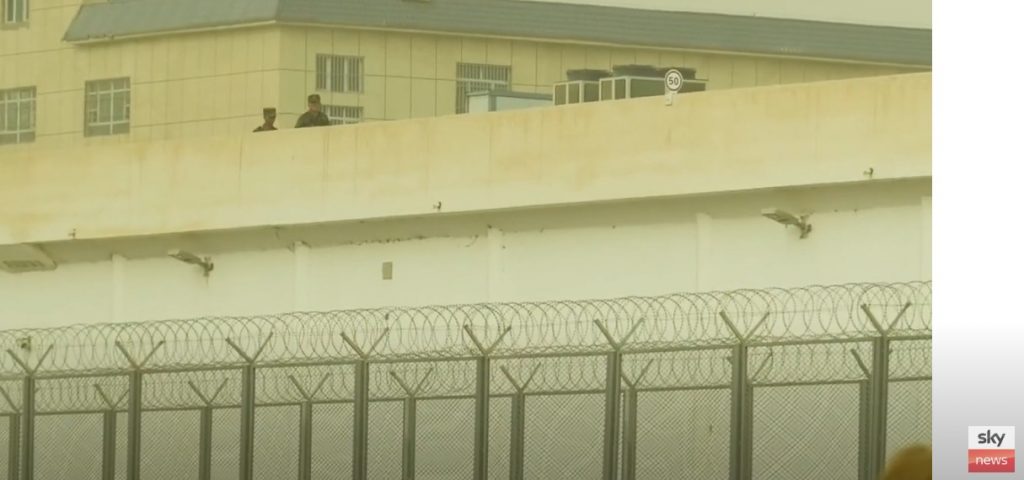
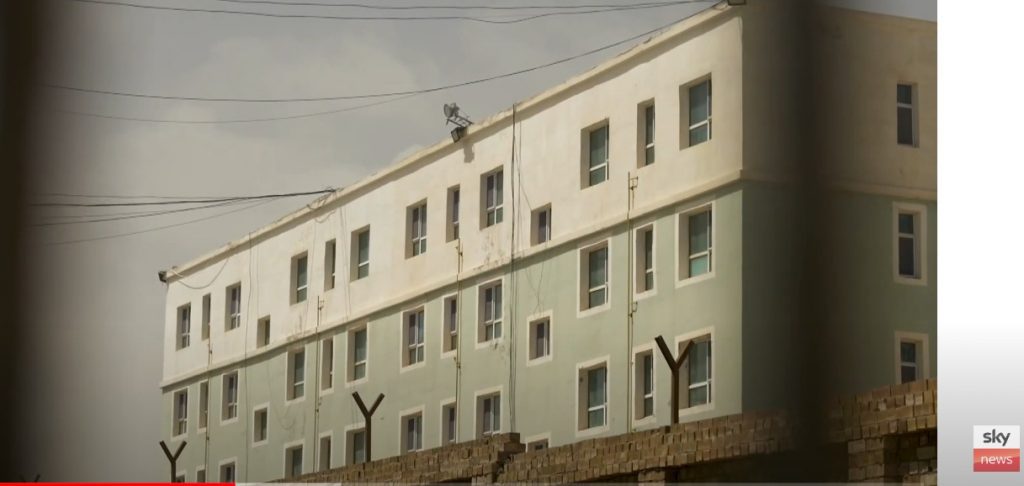
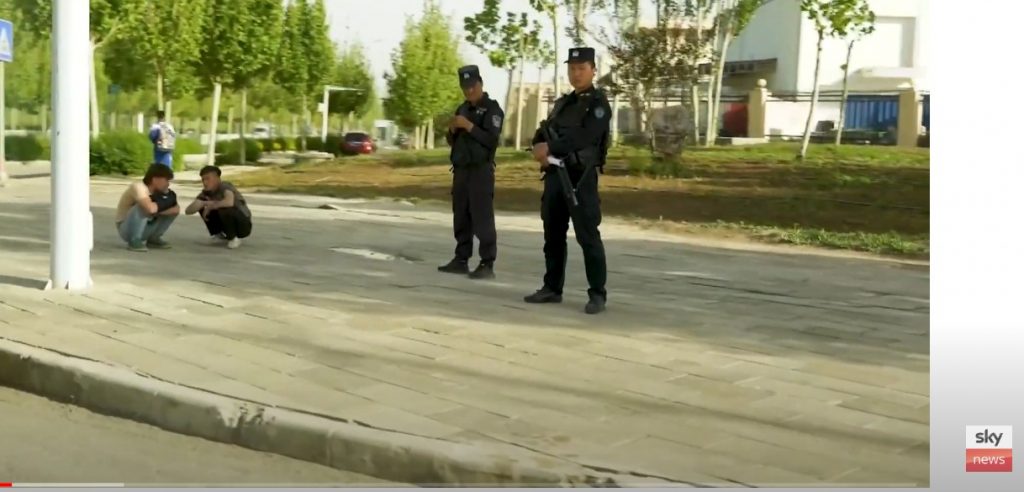
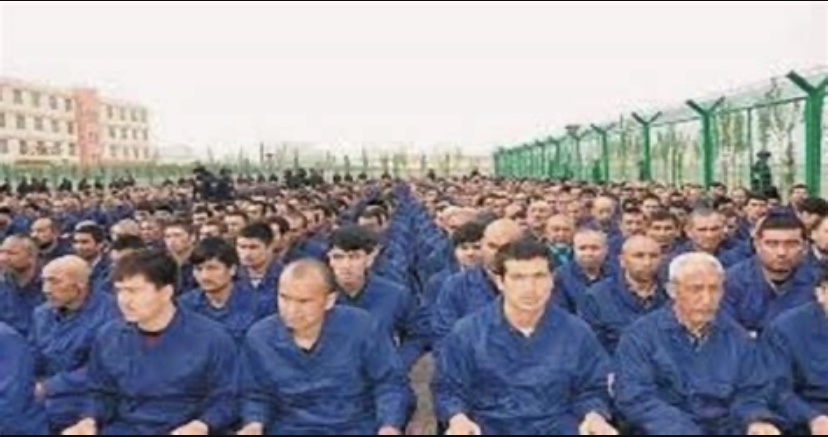
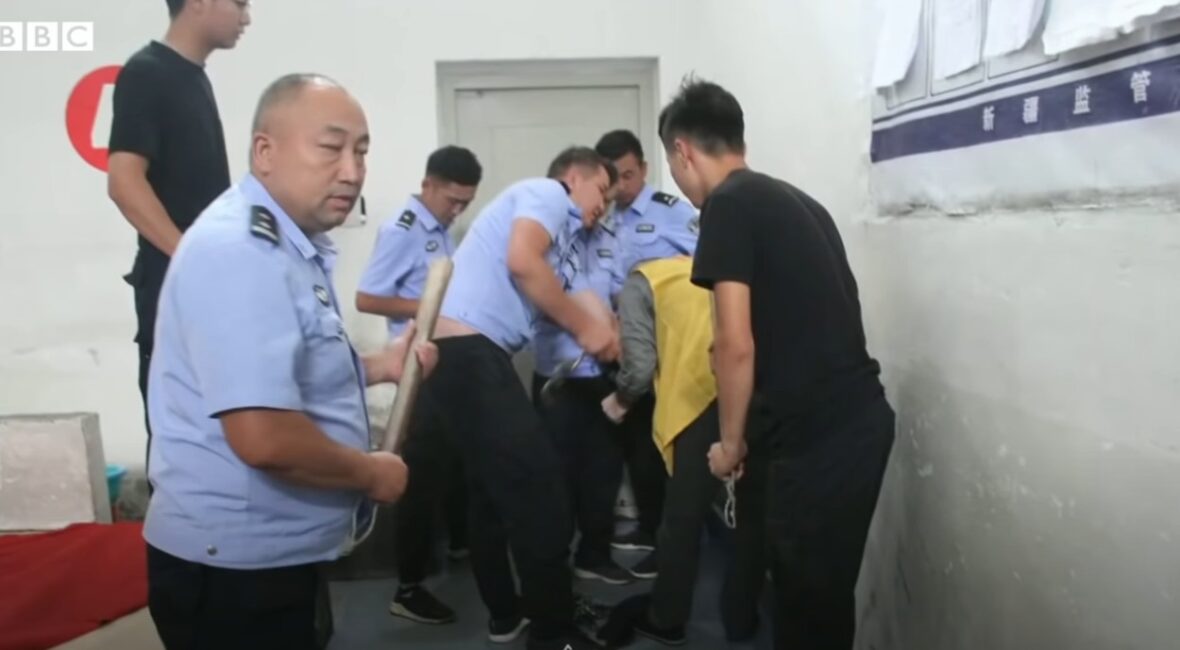
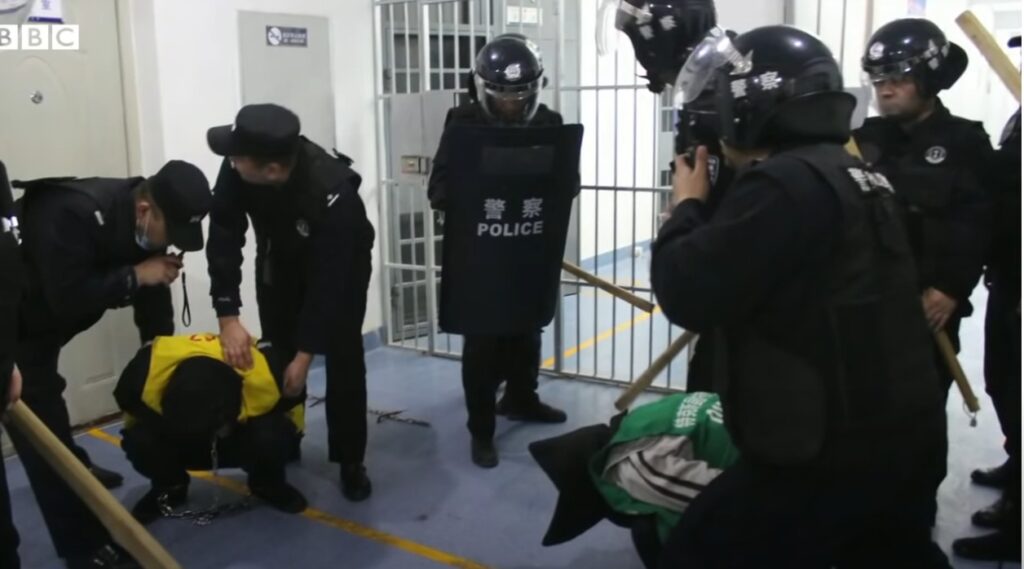
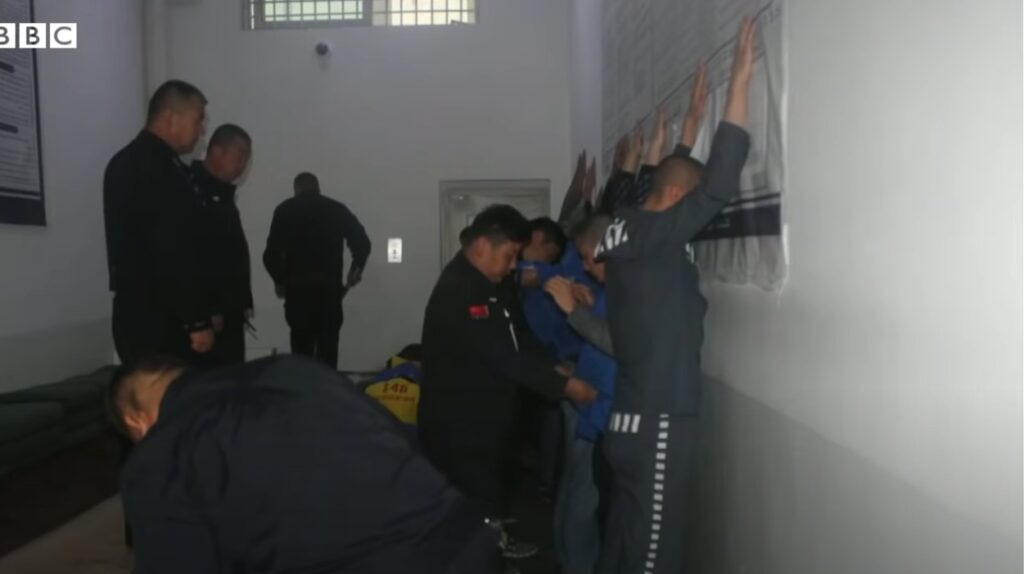
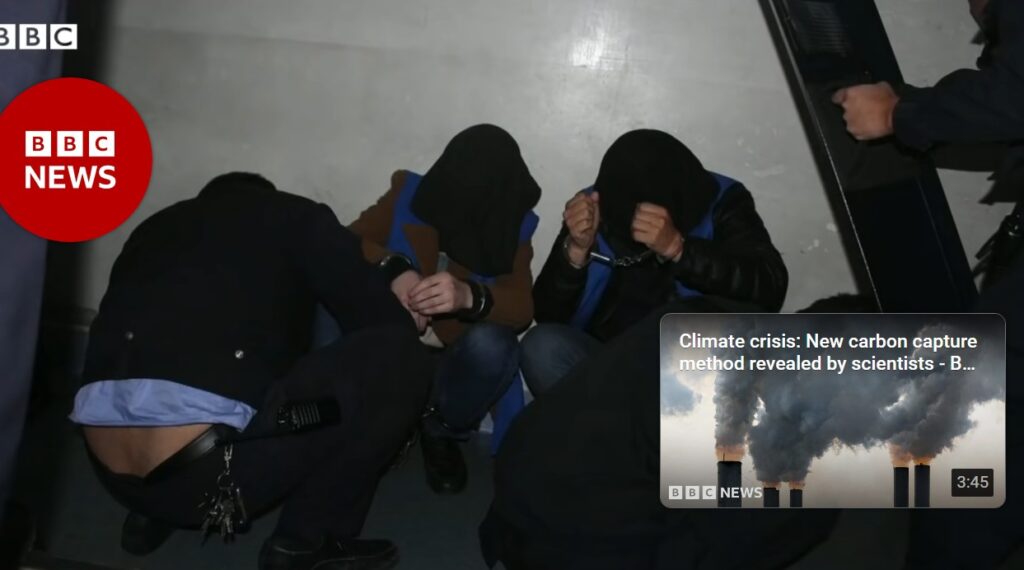
Uyghur detention camps in China’s western Xinjiang province have a shoot-to-kill policy for those who try to escape, according to leaked documents seen by the BBC. The Xinjiang Police Files, a huge cache of data hacked from police computer servers in the region, also include thousands of police photographs of Uyghurs in detention camps. The documents provide some of the strongest evidence to date for a policy targeting almost any expression of Uyghur identity, culture or Islamic faith. These “re-education camps”, built across the region since 2017, are what the Chinese government claim are nothing more than “schools”.