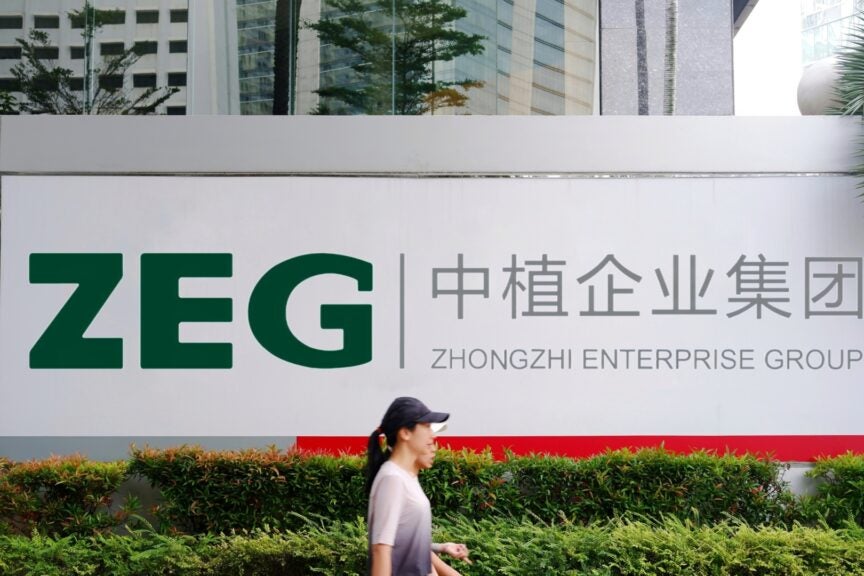
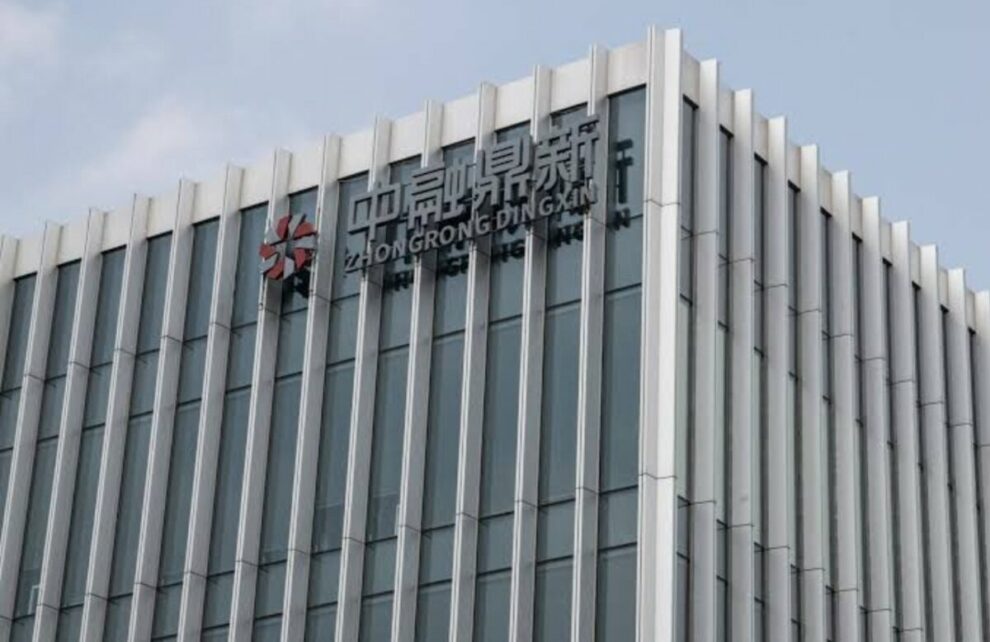
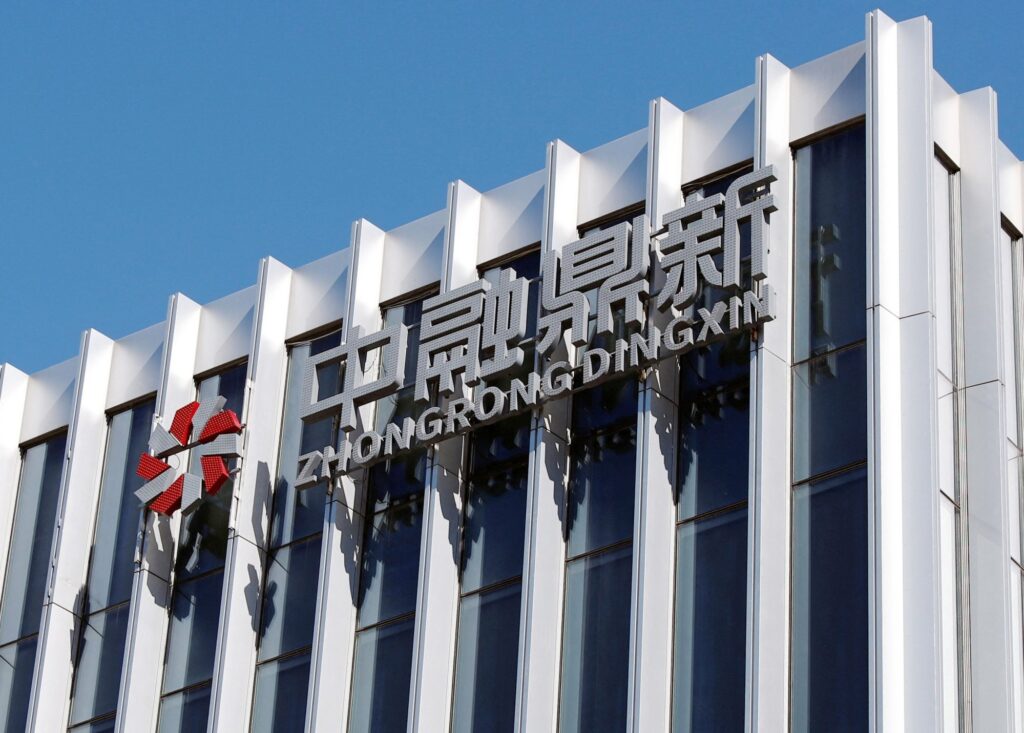
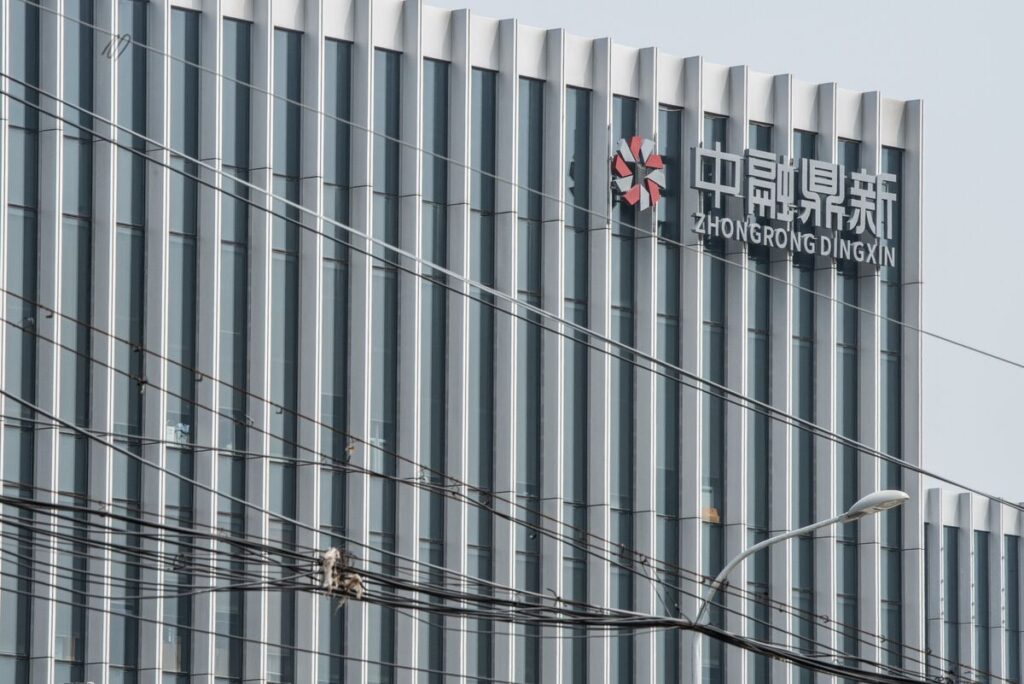
Zhongzhi applied for bankruptcy on the grounds it could not pay its due debts and its assets were insufficient to pay all its debts, a court in China’s capital Beijing said in a statement on Friday.
The court said it accepted Zhongzhi’s bankruptcy liquidation application in accordance with China’s enterprise bankruptcy law.
The worsening woes at Zhongzhi, a major player in China’s $3 trillion shadow banking sector — roughly the size of the French economy — add to worries that the country’s property debt crisis is spilling over into the broader financial sector.
The company, which has sizable exposure to China’s real estate sector, apologized to its investors in a letter in November that said it was heavily insolvent with up to $64 billion in liabilities.
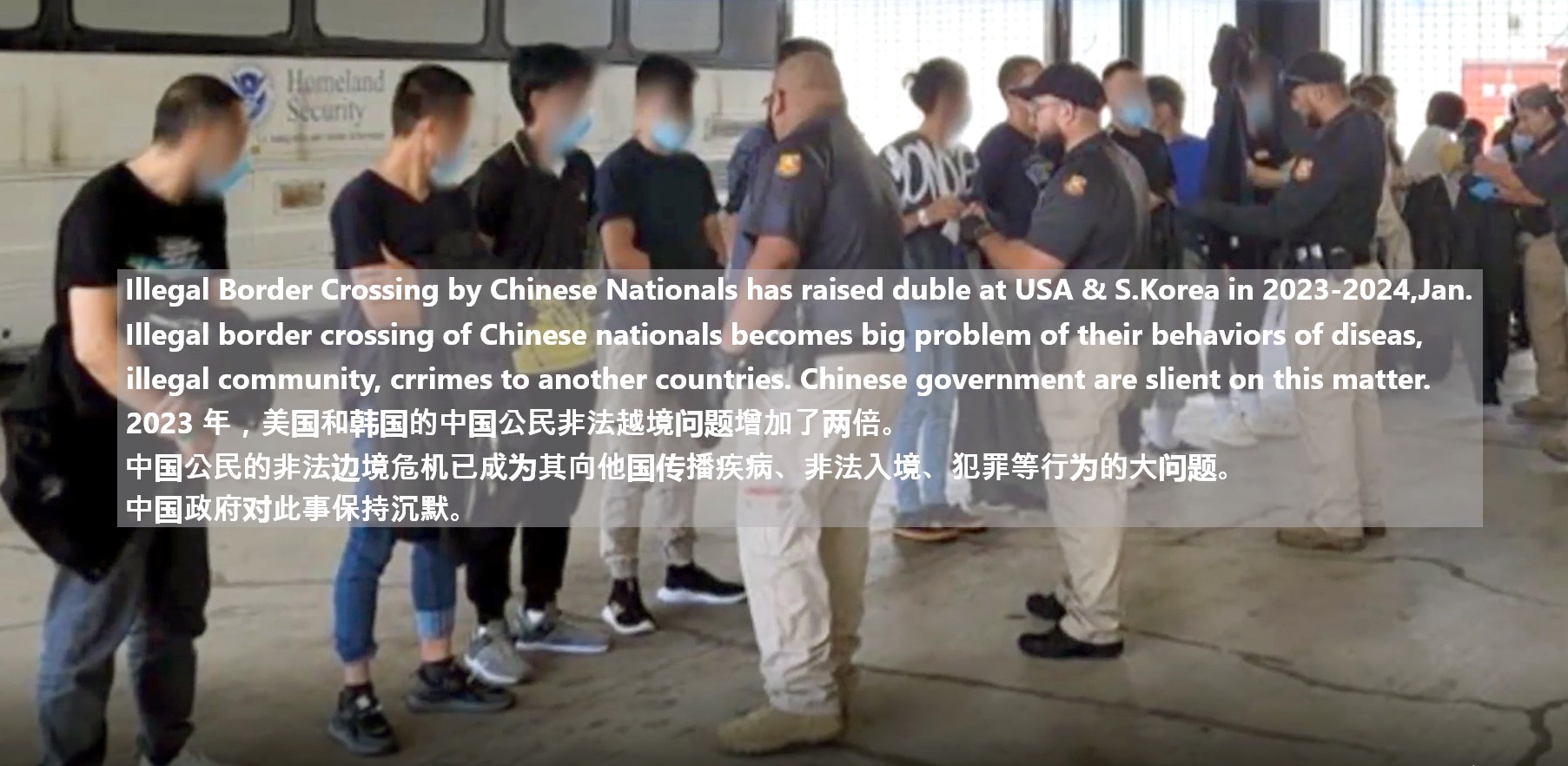
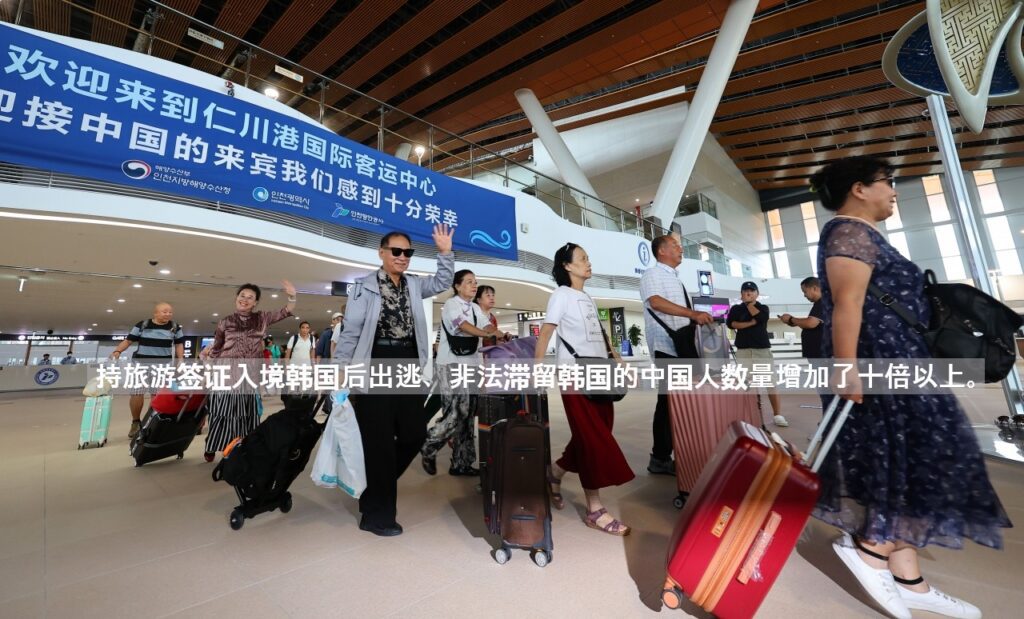
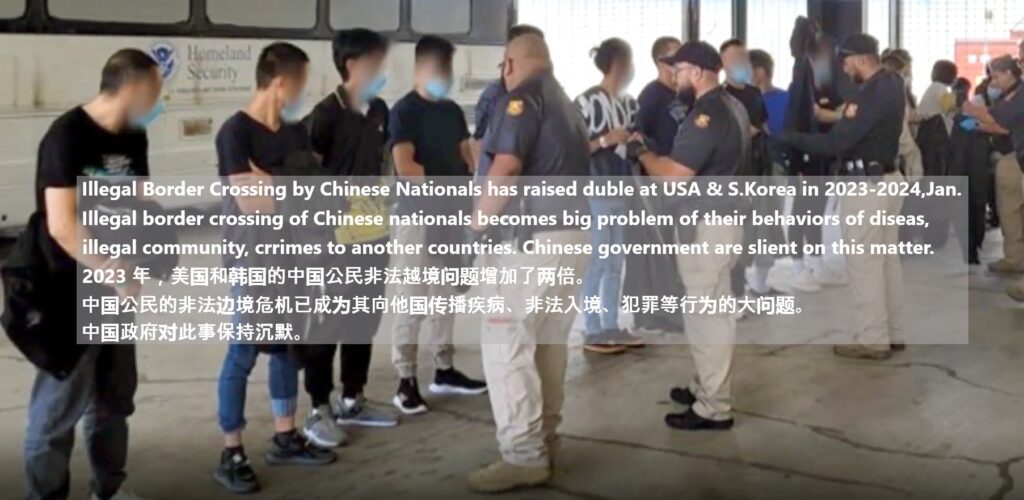
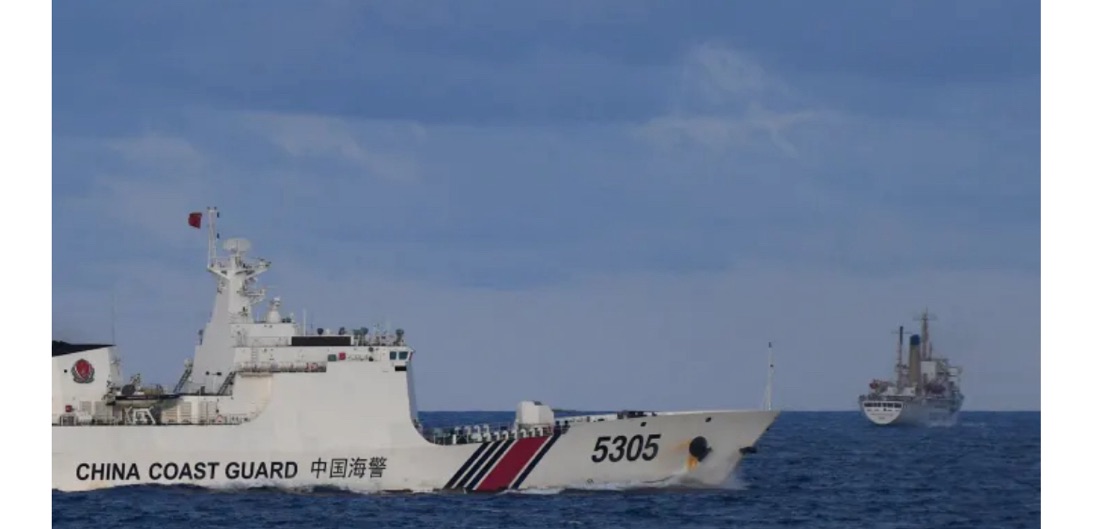
韩国济州海岸警卫队逮捕了三人,其中包括一名中国特工,他们试图非法出境。 South Korea’s Jeju Coast Guard arrests three people, including a Chinese agent, who attempted to move illegally outside the province.
An illegal Chinese woman who had entered Jeju without a visa was arrested after being discovered through an 一名非法入境韩国济州岛的中国女子被警方发现后被捕
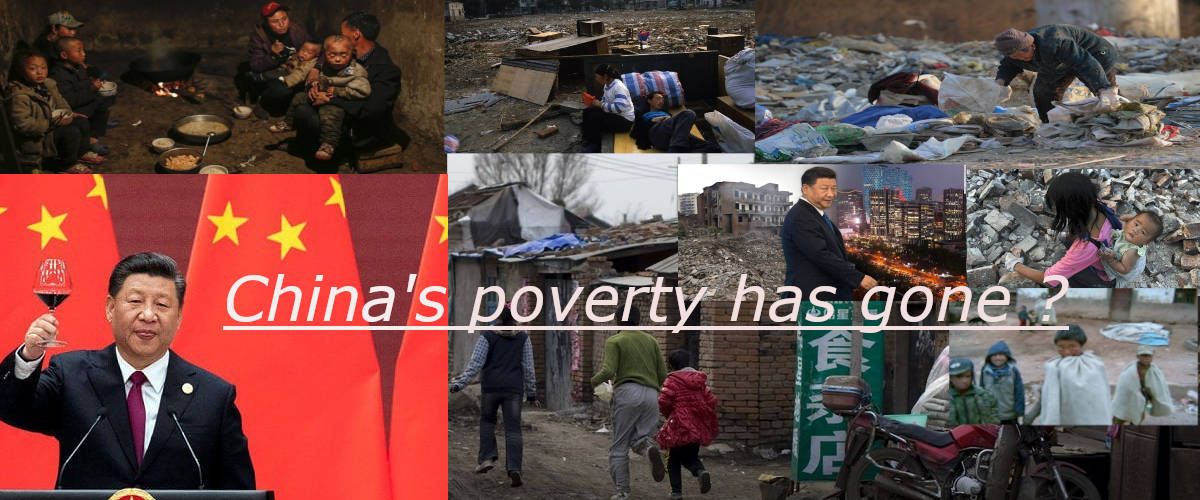
China claims to have eliminated poverty, but the figures mask harsh challenges
中国声称已经消除了贫困,但数字掩盖了严峻的挑战
the country’s poverty alleviation campaign dominated headlines posted on social media, with some discussions censored after Internet users questioned the figures. “Can someone tell me what the official standard is for eliminating poverty? Why can I still see people on the street begging?” one asked on the microblog Weibo. Another joked, “China has eliminated absolute poverty. That’s right. Everyone is just relatively poor.”
It is important to clarify that our findings refer only to extreme poverty, defined as the inability to purchase essential food, shelter and a few basic necessities.
China’s impressive industrial development has, of course, led to substantial improvements in access to modern appliances, information technology and other goods. But when it comes to access to basic nutrients and housing, a large share of China’s population appears to have suffered during the move to a market economy.
Our findings have important implications. They suggest that although industrial development is an important goal, it can’t be relied upon to cut extreme poverty in and of itself, at least not in the context of capitalist reforms and social policy retrenchment.
Public ownership, price controls, and universal access to social services, of the kind advanced in China before the market reforms, can be at least as effective, especially at low levels of economic development.
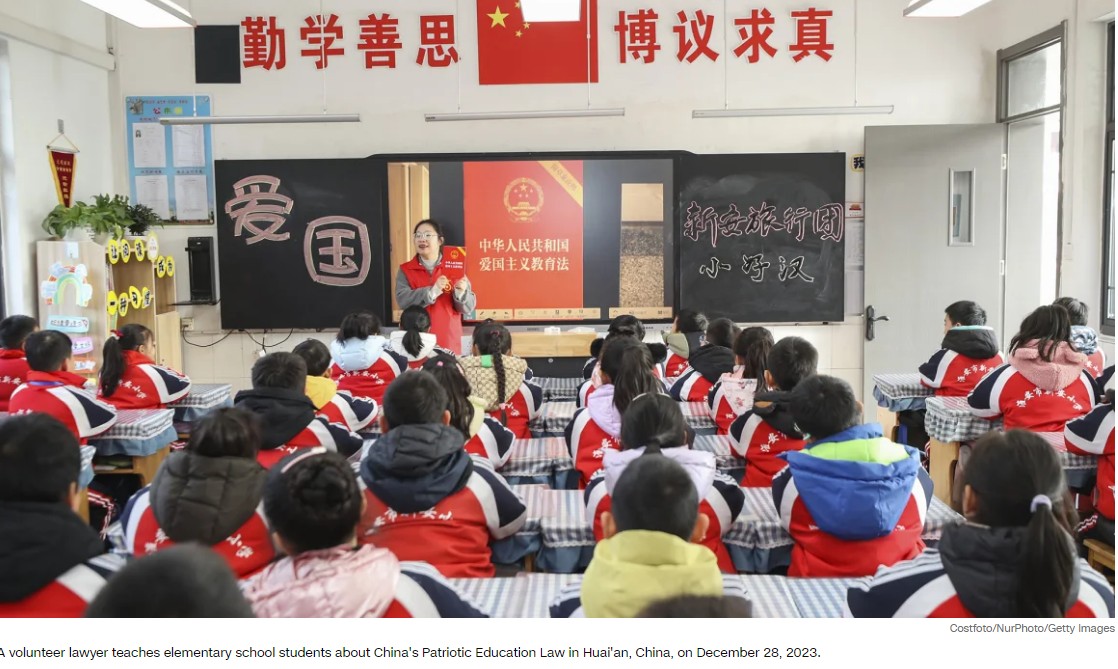
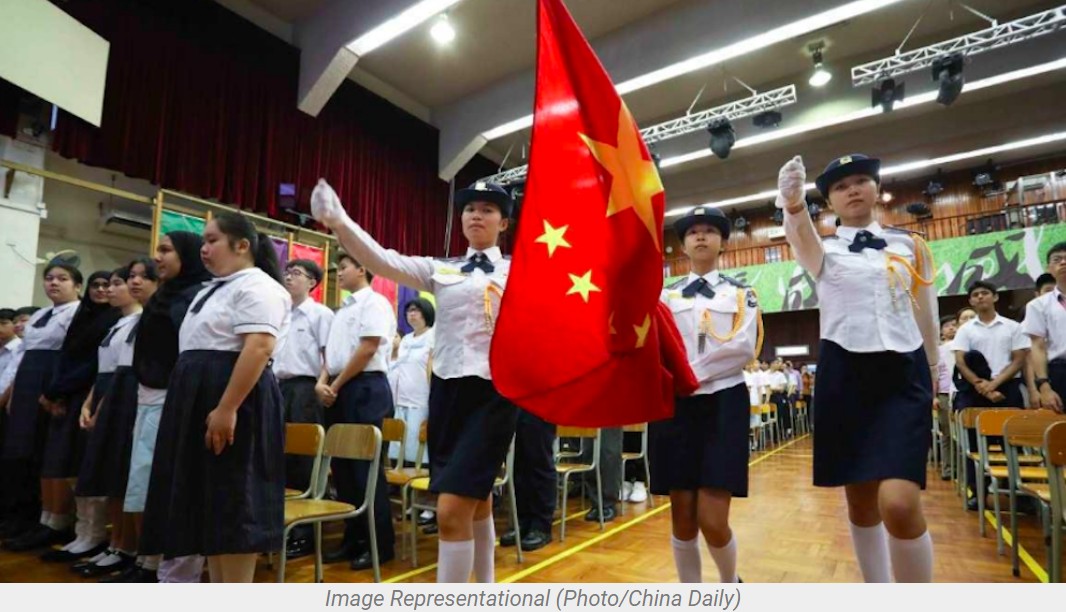
That “Patriotic Education Law,” aimed at “enhancing national unity,” mandates that love of the country and the ruling Chinese Communist Party be incorporated into work and study for everyone – from the youngest children to workers and professionals across all sectors.
It is meant to help China “unify thoughts” and “gather the strength of the people for the great cause of building a strong country and national rejuvenation,” a Chinese propaganda official told a news briefing last month.
The push for a love of country and the Communist Party is far from new in China, where patriotism and propaganda have been an integral part of education, company culture and life since the People’s Republic was founded nearly 75 years ago.
“They were portraying the indigenous people of Xinjiang as immigrants and Islam as a religion that was foreign to the region,” Jazexhi said. “It was incorrect.”
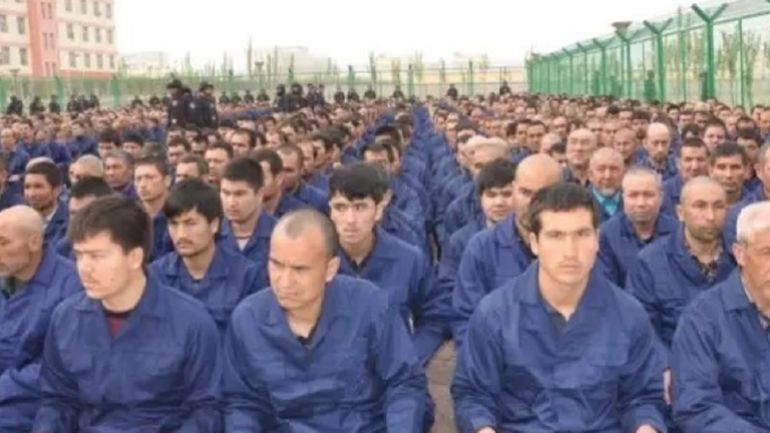
His disillusion only continued when he and other journalists were taken by their Chinese hosts to one of the so-called vocational training centres outside the regional capital of Urumqi.
“They said it was like a school but it was clearly a high-security site in the middle in the desert,” Jazexhi said.
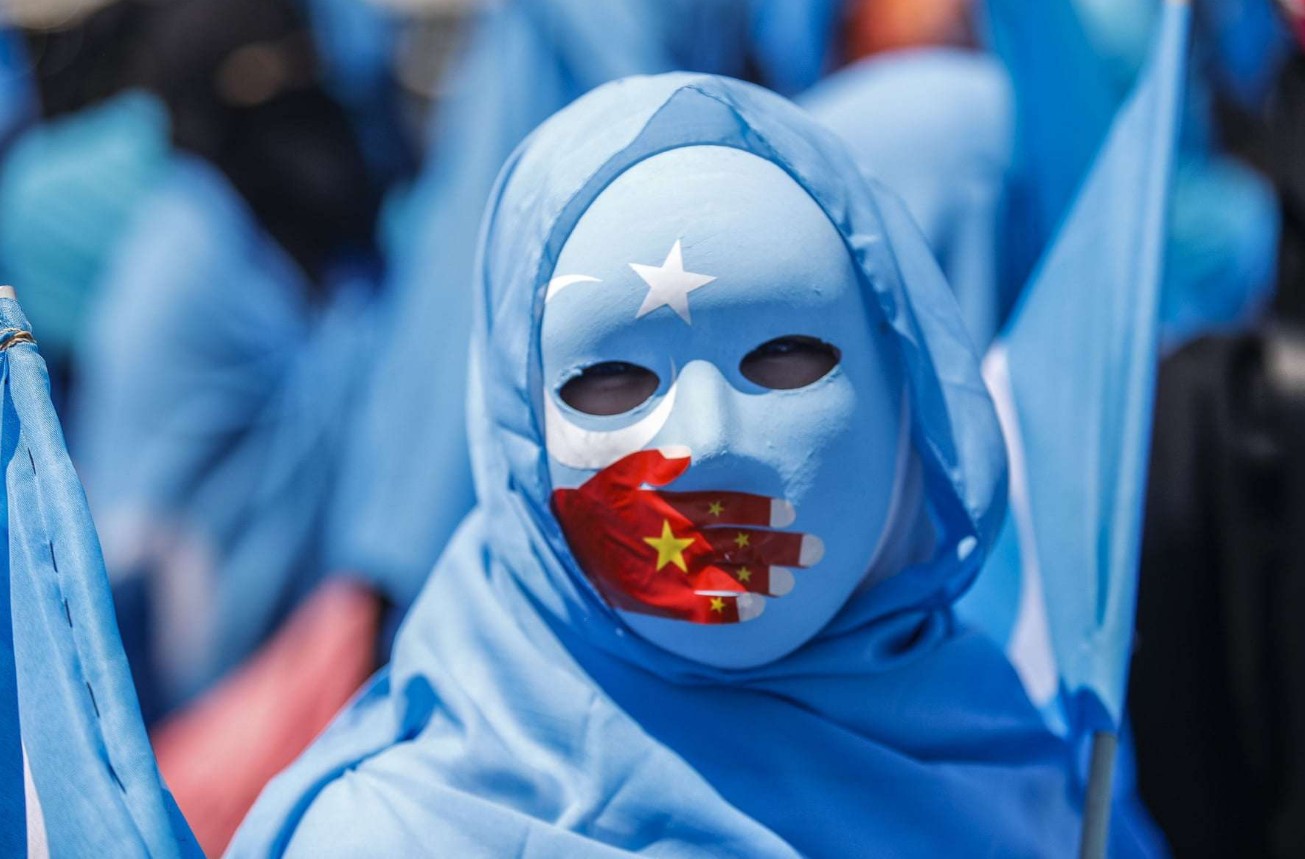
“They also told us that the people staying there were not allowed to leave so it was obviously not a school but a prison and the people there were not students but prisoners.”
Once they entered the site, Jazexhi had a chance to interact with several Uighurs and it quickly became clear they were not the “terrorists” or “extremists” Beijing had claimed.
At the same time, information flowing in and out of Xinjiang remains tightly controlled, while Xinjiang residents are punished for having unauthorised contact with people outside China.
“The genocide is still happening but it is just much more covert now,” Turdush said.
Despite the controversy surrounding the organised tours, both Turdush and Jazexhi believe that foreign journalists and officials should continue to visit Xinjiang as long as they challenge the narratives that are presented to them.
“They should go,” Jazexhi said.
“And they should speak the truth about what they see in Xinjiang and what they don’t see.”
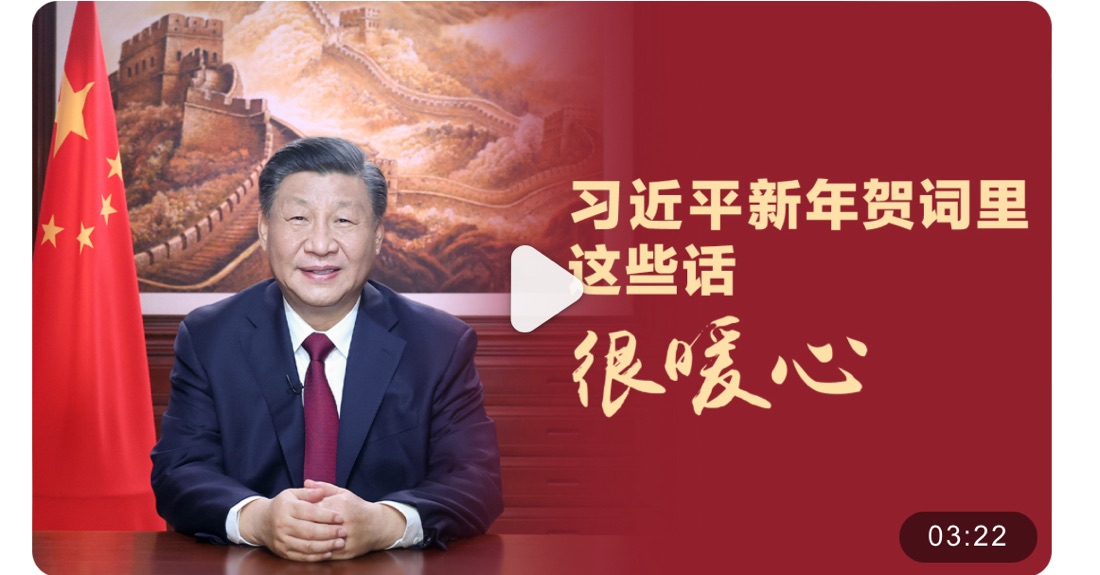
Xi仍然不知道谁破坏了中国经济。 或者Xi知道谁,但无视真相。 最近,经济疲软的迹象有所增加,12月份工厂活动萎缩到六个月来的最低水平,这可能会给决策者增加压力,迫使他们采取紧急行动,为经济注入动力。 —在fortune.com/asia/2023/12/31/china-xi-jinping-year-end-address-manufacturing-electric-vehicles-planes-weakness-economy/上阅读 Xi still has no idea who spoil China’s Economy. Or Xi knows whom but disregard the truth. Signs of weakness in the economy have increased recently with factory activity shrinking in December to the lowest level in six months, likely adding pressure on policymakers to act urgently to inject impetus to the economy.
— Read on fortune.com/asia/2023/12/31/china-xi-jinping-year-end-address-manufacturing-electric-vehicles-planes-weakness-economy/
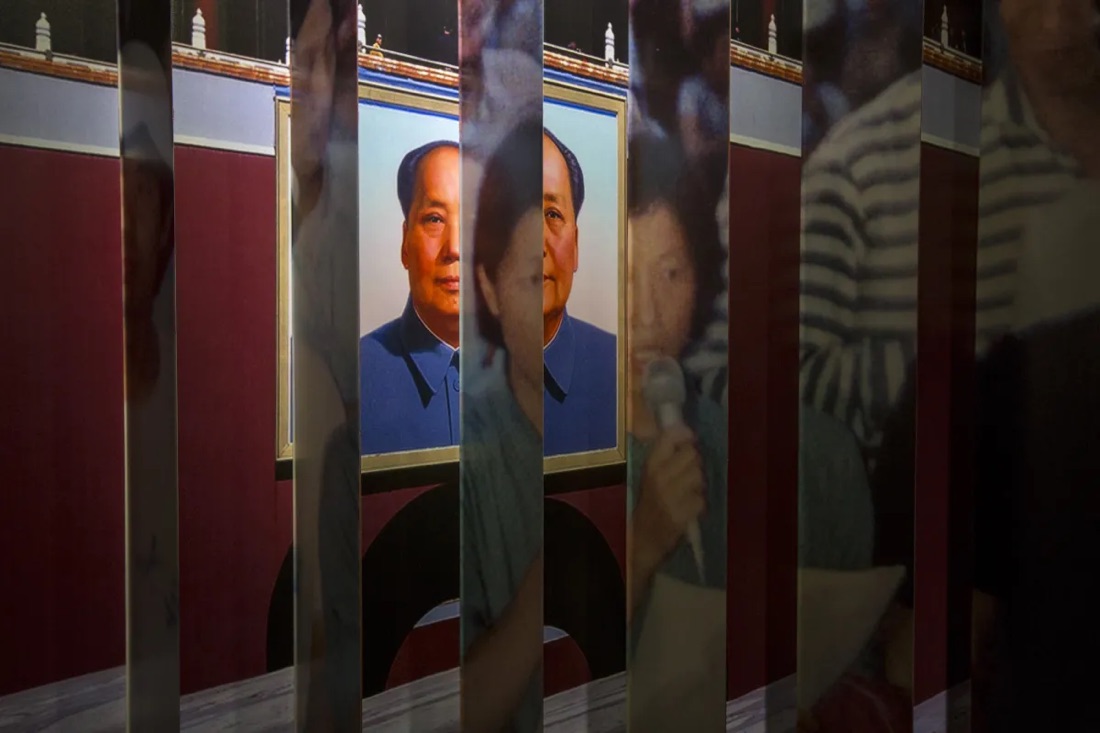
CCP has using their manipulated history to brainwash their people.
Most of Chinese nationals has been educated from kindergarten to be brainwashed for the eternal royalty to CCP. This brainwashing procedure results most Chinese are uncivilized and scared their brutal government leads to follow and come together without own will.
在一场值得间谍惊悚片的情节转折中,中国动摇欧洲政治的秘密行动刚刚撞上了墙。 故事以中国间谍的尝试展开 In a plot twist worthy of a spy thriller, China’s covert operation to sway European politics just hit a wall. The story unfolds with Chinese spies attempting
— Read on www.cryptopolitan.com/inside-china-failed-attempt-to-spy-on-europe/
中国在欧洲的间谍企图因利用比利时政治家影响政治讨论而动摇。
中国间谍Daniel Woo旨在操纵欧洲关于香港和维吾尔人等敏感问题的话语。
尽管做出了努力,但行动收效甚微,凸显了国际间谍活动的复杂性和风险。
China’s espionage attempt in Europe faltered with their use of a Belgian politician to influence political discussions.
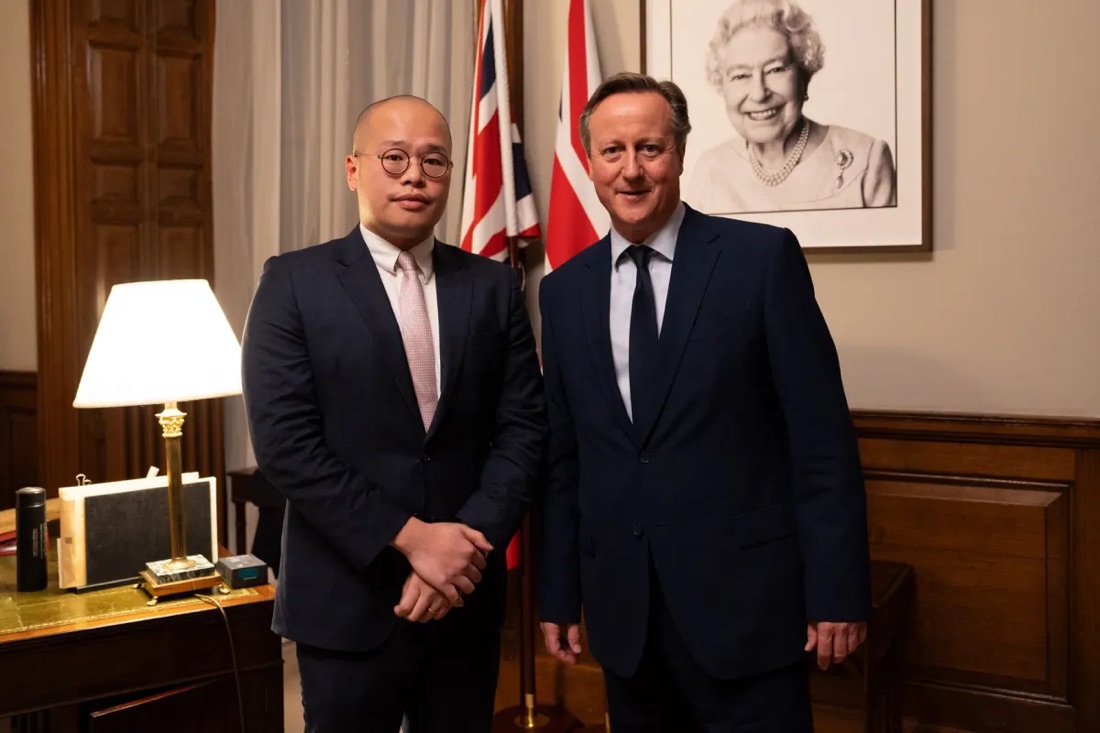
Daniel Woo, a Chinese spy, aimed to manipulate European discourse on sensitive issues like Hong Kong and the Uyghurs.
Despite efforts, the operation achieved little success, highlighting the complexities and risks in international espionage.
In October, China unveiled a plan to issue 1 trillion yuan ($139.84 billion) in sovereign bonds by year-end to help kick-start activity, raising the 2023 budget deficit target to 3.8% of GDP from the original 3%.
After years of over-investment, plummeting returns from land sales, and soaring costs to battle COVID, rating firms have been warning about the contingent liability risks of debt-laden Chinese municipalities.
Local government debt reached 92 trillion yuan ($12.6 trillion), or 76% of China’s economic output in 2022, up from 62.2% in 2019, according to the latest data from the International Monetary Fund (IMF).
Capital outflows from China have also intensified, reaching $75 billion in September, in the biggest monthly exodus since 2016, Goldman Sachs data showed.
($1 = 7.1430 Chinese yuan renminbi)
Reporting by Gnaneshwar Rajan and Shristi Achar A in Bengaluru, Kevin Yao in Beijing, Marc Jones in London and Lewis Krauskopf in New York; Editing by Tom Hogue, Kim Coghill, Nick Zieminski and Richard Chang
班加罗尔的 Gnaneshwar Rajan 和 Shristi Achar A、北京的 Kevin Yao、伦敦的 Marc Jones 和纽约的 Lewis Krauskopf 进行报道; 编辑:Tom Hogue、Kim Coghill、Nick Zieminski 和 Richard Chang
75岁的英国公民、现已关闭的小报《苹果日报》的创始人Lai自2020年以来一直在香港坐牢,等待根据有争议的国家安全法涉嫌“与外国势力勾结”的审判。 Lai, a 75-year-old British citizen and founder of the now-shuttered tabloid Apple Daily, has been behind bars in Hong Kong since 2020, awaiting trial for alleged “collusion with foreign forces” under a controversial national security law.
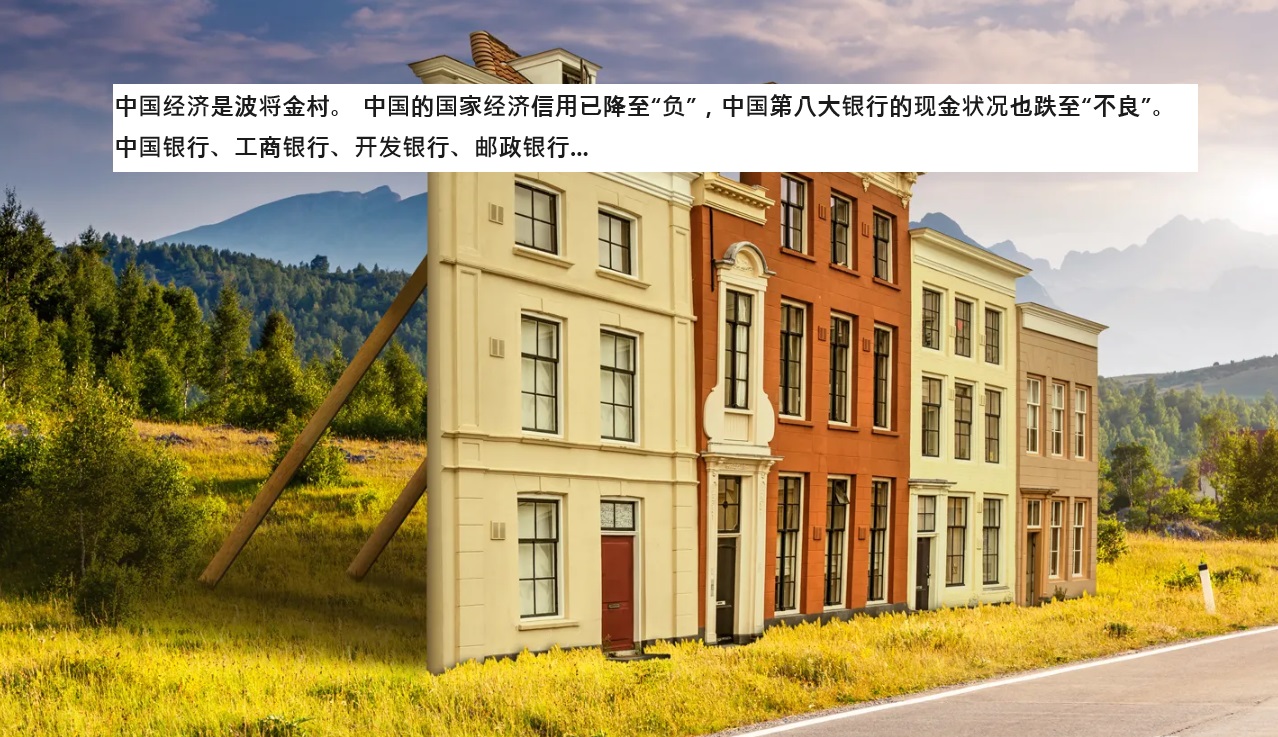
中国经济无论是国际还是国内都在下滑、崩溃。 中国8家银行信用评分为“负”,中国政府信用降至“负” Falling , Collapsing China’s Economy both in International or Domestic. China Government Credit fall down to “negative” following China’s 8 Banks got “negative” credit score
Ratings agency Moody’s cut its outlook on China’s government credit ratings to negative from stable on Tuesday, in the latest sign of mounting global concern over the impact of surging local government debt and a deepening property crisis on the world’s second-largest economy 评级机构穆迪周二将中国政府信用评级展望从稳定下调至负面,这是全球对地方政府债务激增和房地产危机加深对世界第二大经济体影响日益担忧的最新迹象。
Moody’s downgraded its outlook on China’s government credit ratings to negative from stable.
Moody’s expects Beijing’s support and possible bailouts for distressed local governments and state-owned enterprises to diminish China’s fiscal, economic and institutional strength.
The ratings agency retained China’s “A1” long-term rating on the country’s sovereign bonds.
China is once again causing global concern with a new virus, and has been accused of not following the same international health guidelines that other countries adhere to. This follows a pattern of behavior seen previously during the Covid-19 pandemic.
The Chinese government is saying there is nothing major to worry about. When asked by the World Health Organization about reports of widespread clusters of undiagnosed pneumonia in children, health authorities said the uptick in sick people was due to known pathogens such as influenza, rhinovirus, RSV and mycoplasma.
No new germs have been found, they said. And so far, no deaths have been reported.
That’s probably little comfort to parents who have had to wait several hours in hospitals in Beijing and other cities in the north for their sick children to see a doctor. The scenes of overcrowded hallways and children on intravenous infusions have brought back memories of the early days of Covid, which emerged as a mysterious pneumonia.
The truth is, mycoplasma is not unusual. It is a common pathogen that causes pneumonia among children aged five or above, and it has triggered epidemics in China every two-to-four years.
While it tends to cause only mild colds in older kids and adults with robust immune systems, younger children are prone to develop pneumonia — creating concern on what to do once they get it. China has the world’s highest incidence of mycoplasma that’s resistant to a class of antibiotic called macrolides. Up to 80% of cases in kids don’t respond to the commonly prescribed azithromycin and similar drugs.
Oddly, China appears to be the only country facing a major mycoplasma outbreak. The US and much of Europe are dealing with the flu and RSV. One study showed mycoplasma was subdued in China for almost two years by Covid countermeasures that have since been lifted.
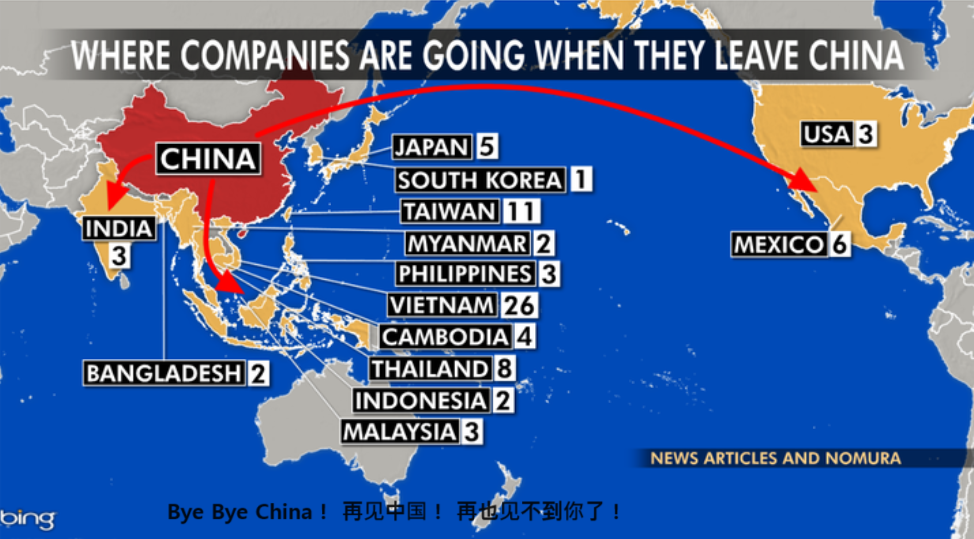
中国本已陷入困境的经济又面临着另一个问题。 外国公司(其中一些在中国历史悠久)正在重新考虑现代化和扩张的计划,并开始将利润转移到国内或亚洲其他地方,甚至更远的地方。 这种趋势有多种原因——有些是直接的,有些是更根本的——并且已经发展了一段时间。 然而,无论其原因是什么,它都让中国的经济复苏看起来更加成问题。China’s already beleaguered economy is facing yet another problem. Foreign firms, some long-established in China, are rethinking plans to modernize and expand and have begun to send their profits home or elsewhere in Asia and even further afield. The trend has diverse causes — some immediate, some more fundamental – and has been developing for some time. Whatever its cause, however, it has made China’s economic recovery looks even more problematic.
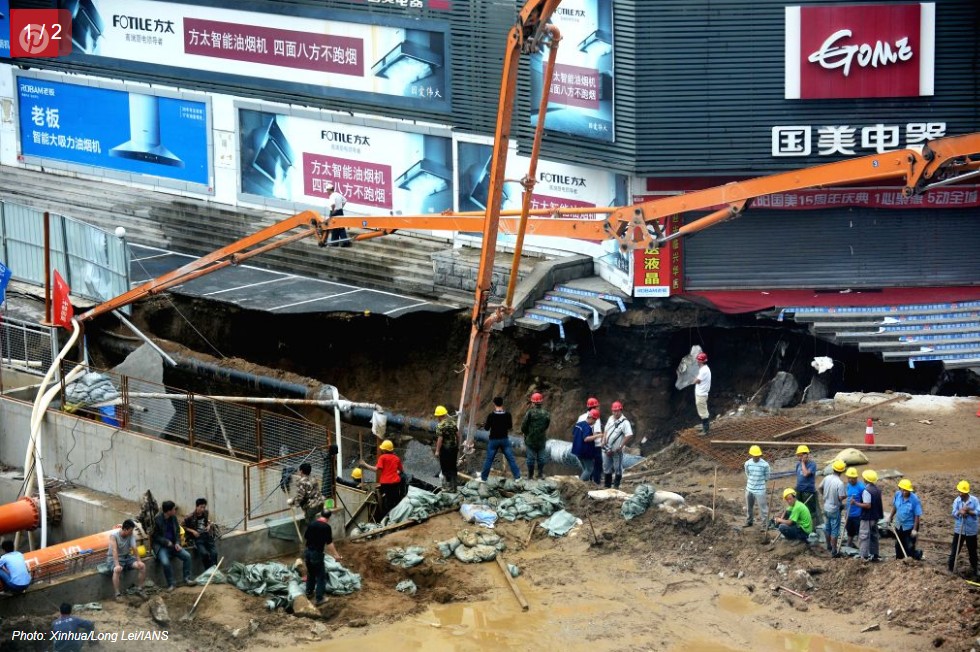
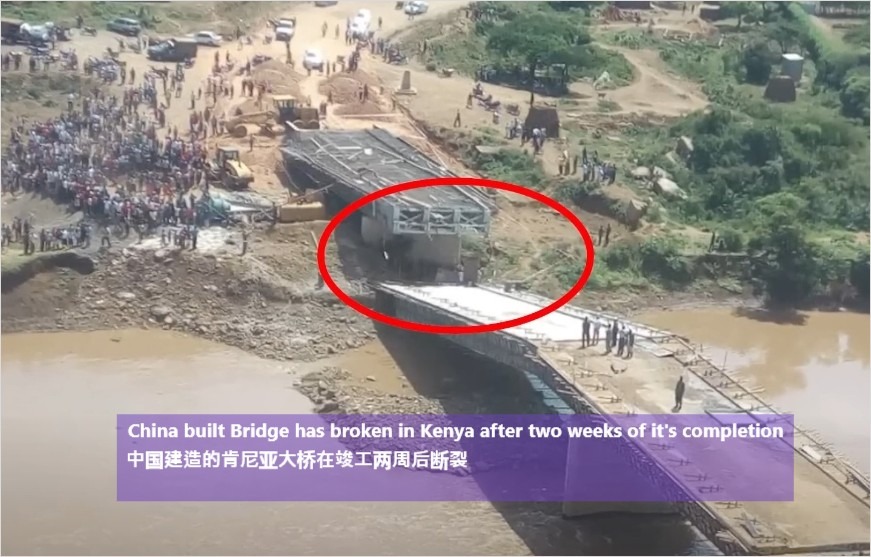
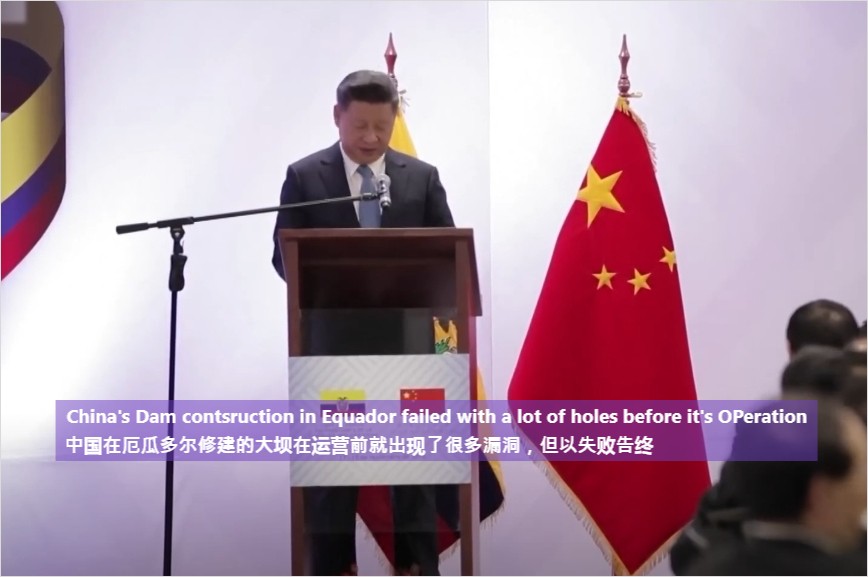
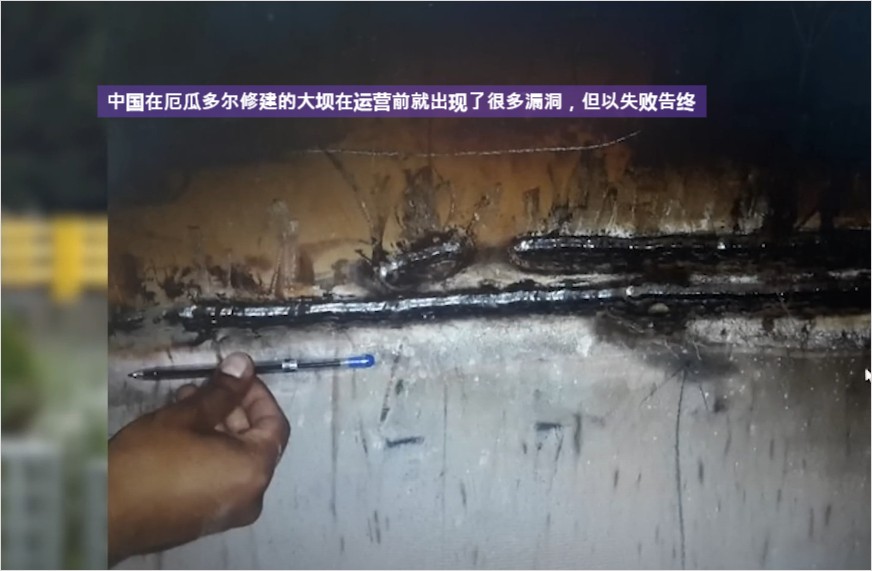
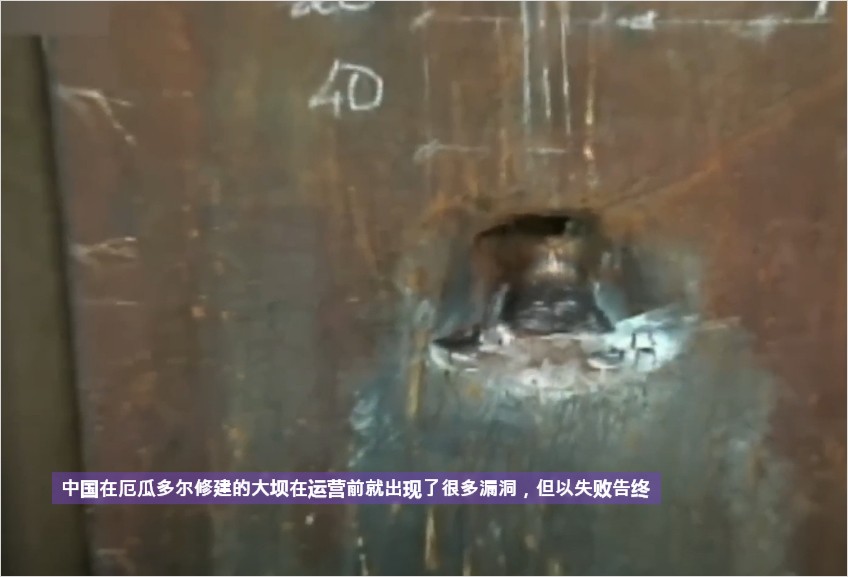
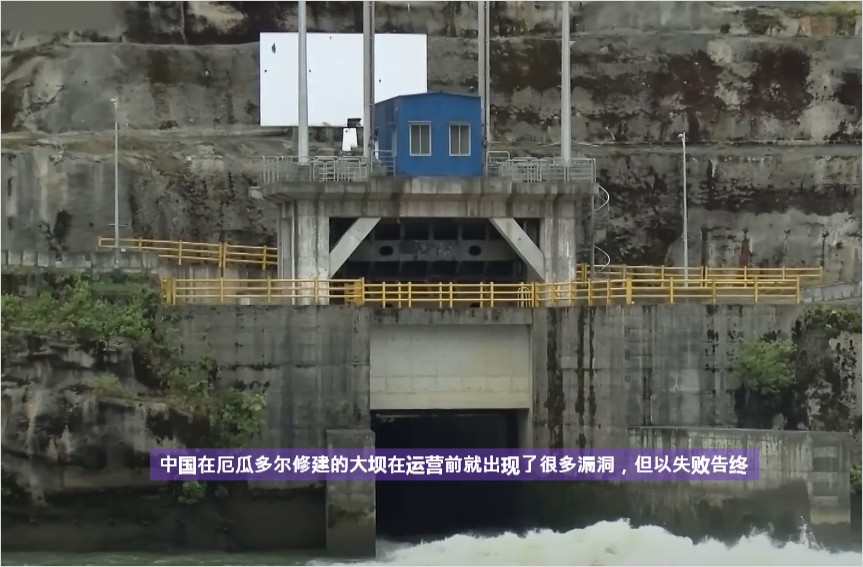
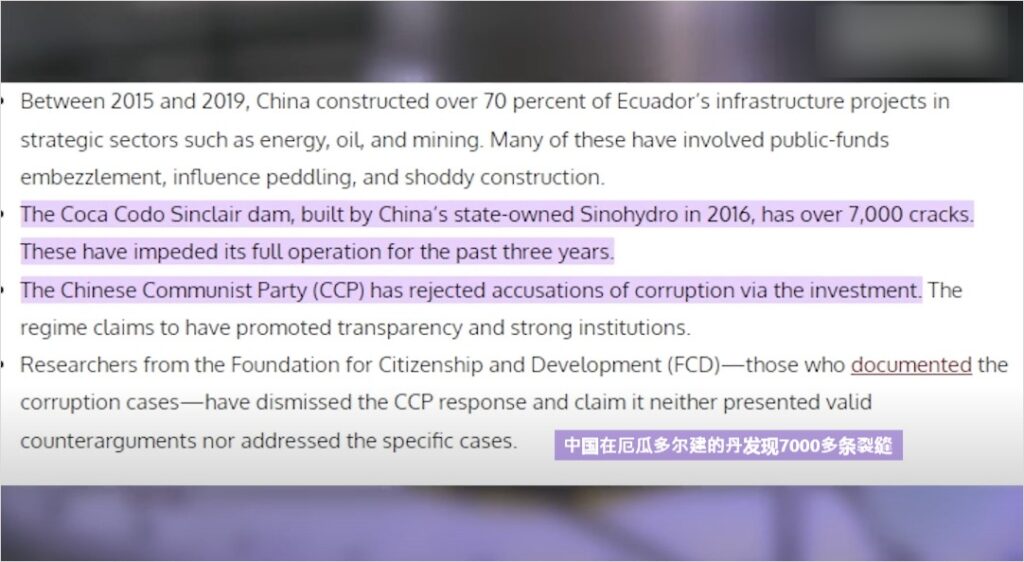
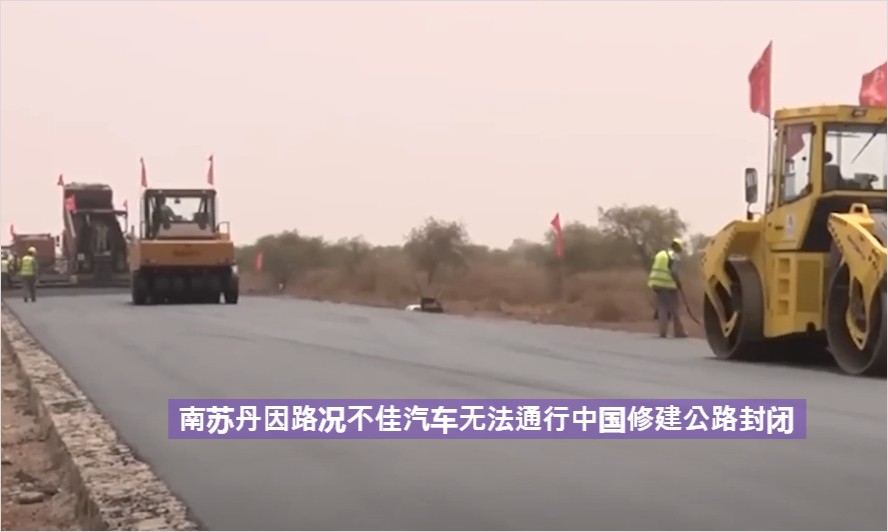
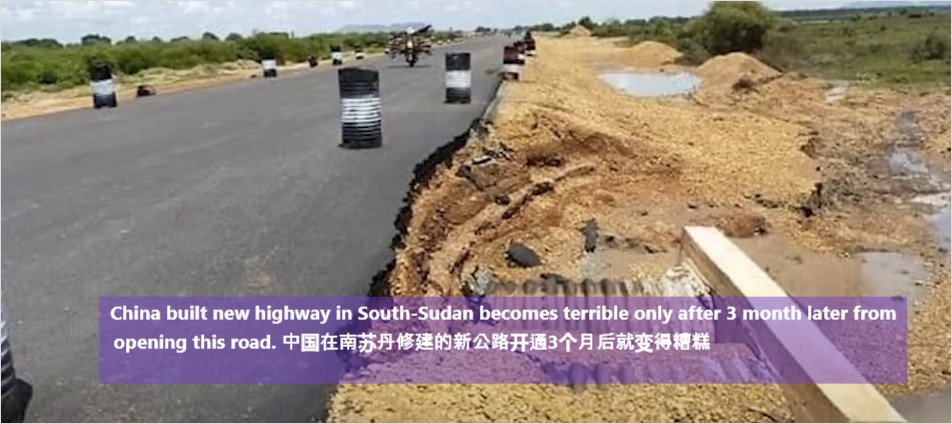
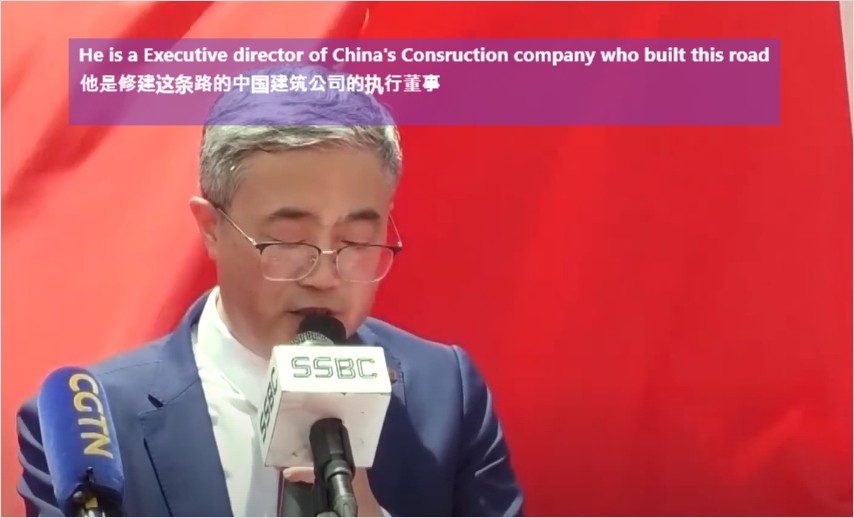
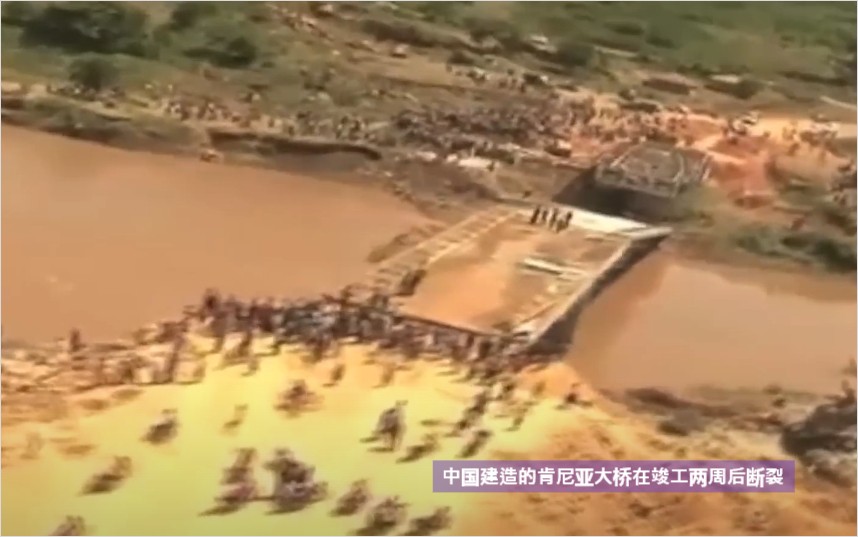
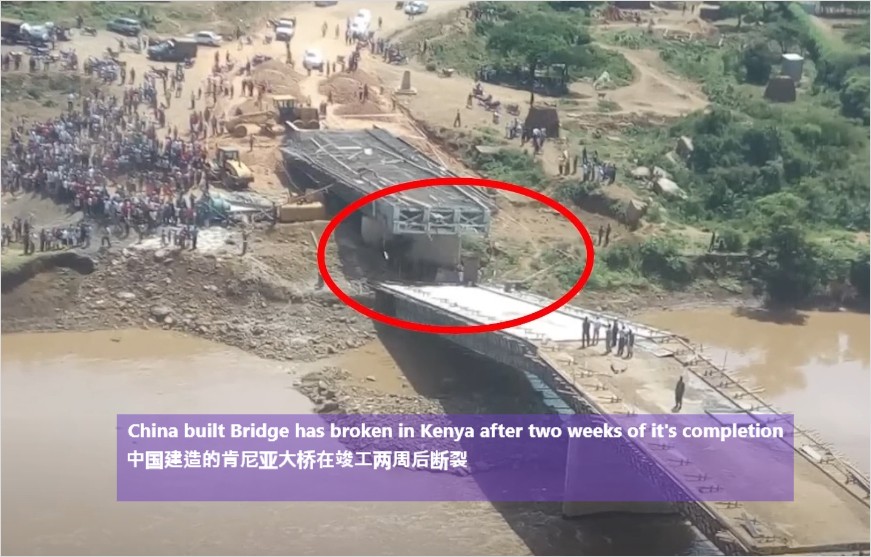
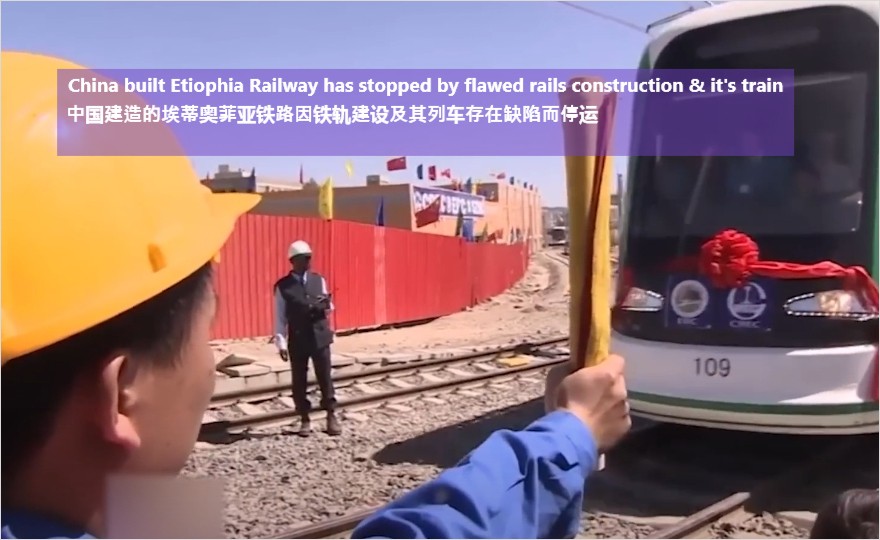
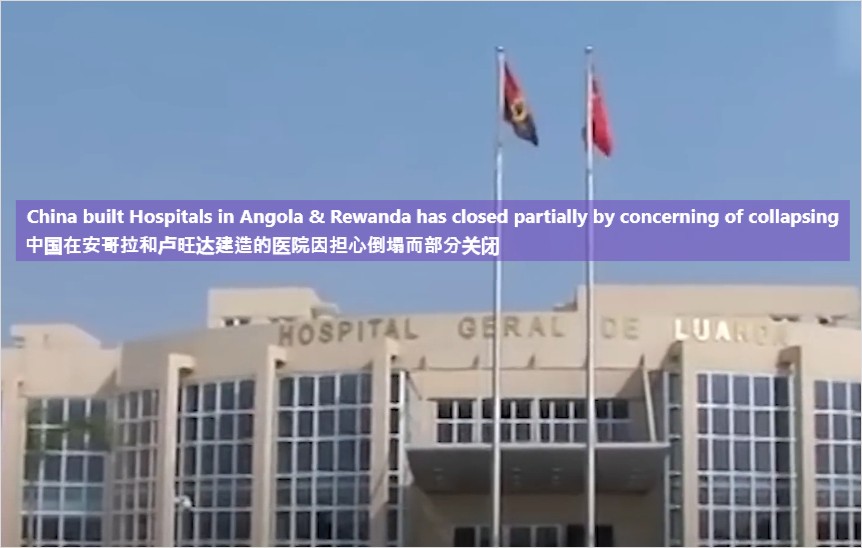
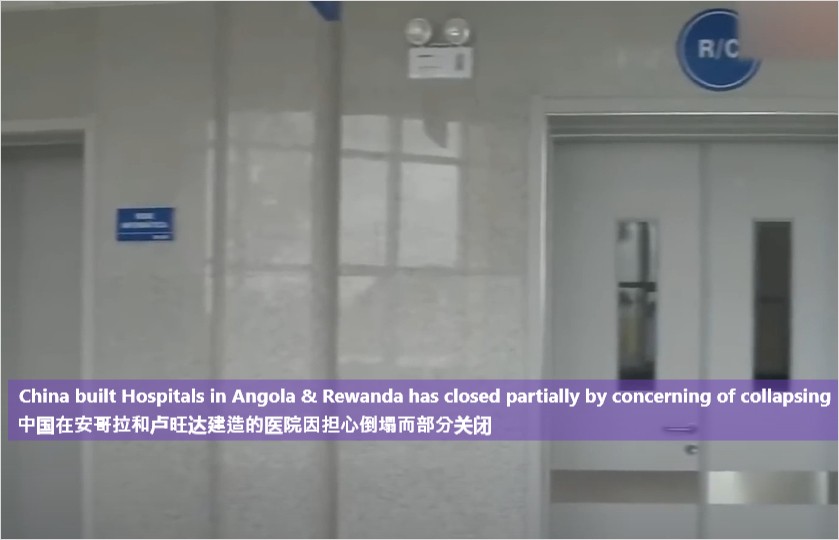
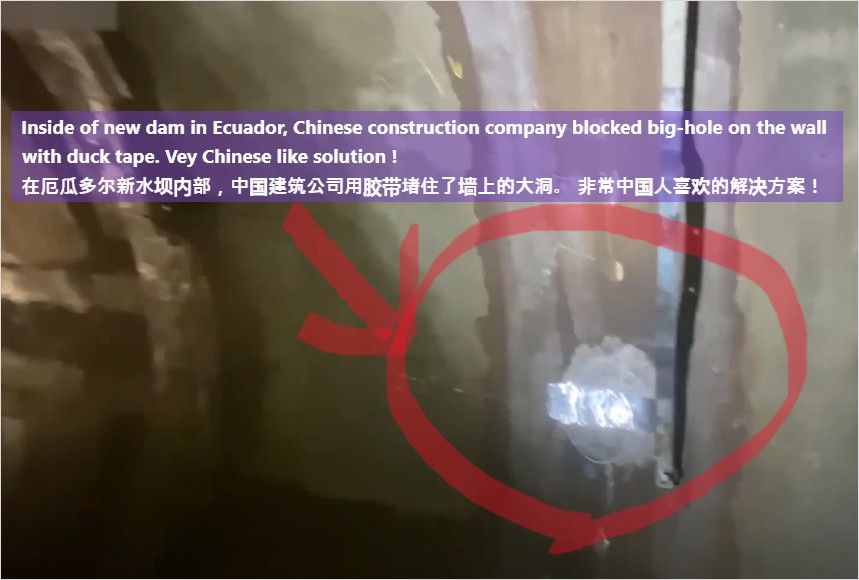
Many of China’s Belt and Road infrastructure projects are plagued with construction flaws, including a giant hydropower plant in Ecuador, adding more costs to a program criticized for leading countries deeper into debt 中国的许多“一带一路”基础设施项目都存在建设缺陷,其中包括厄瓜多尔的一座巨型水电站,该项目增加了更多成本,该项目被批评导致国家陷入更深的债务
China Export Tofu Dreg Construction to the World: Making Other Nations Collapse | China Undercover 中国向世界出口豆腐渣建筑:让其他国家崩溃 中国卧底