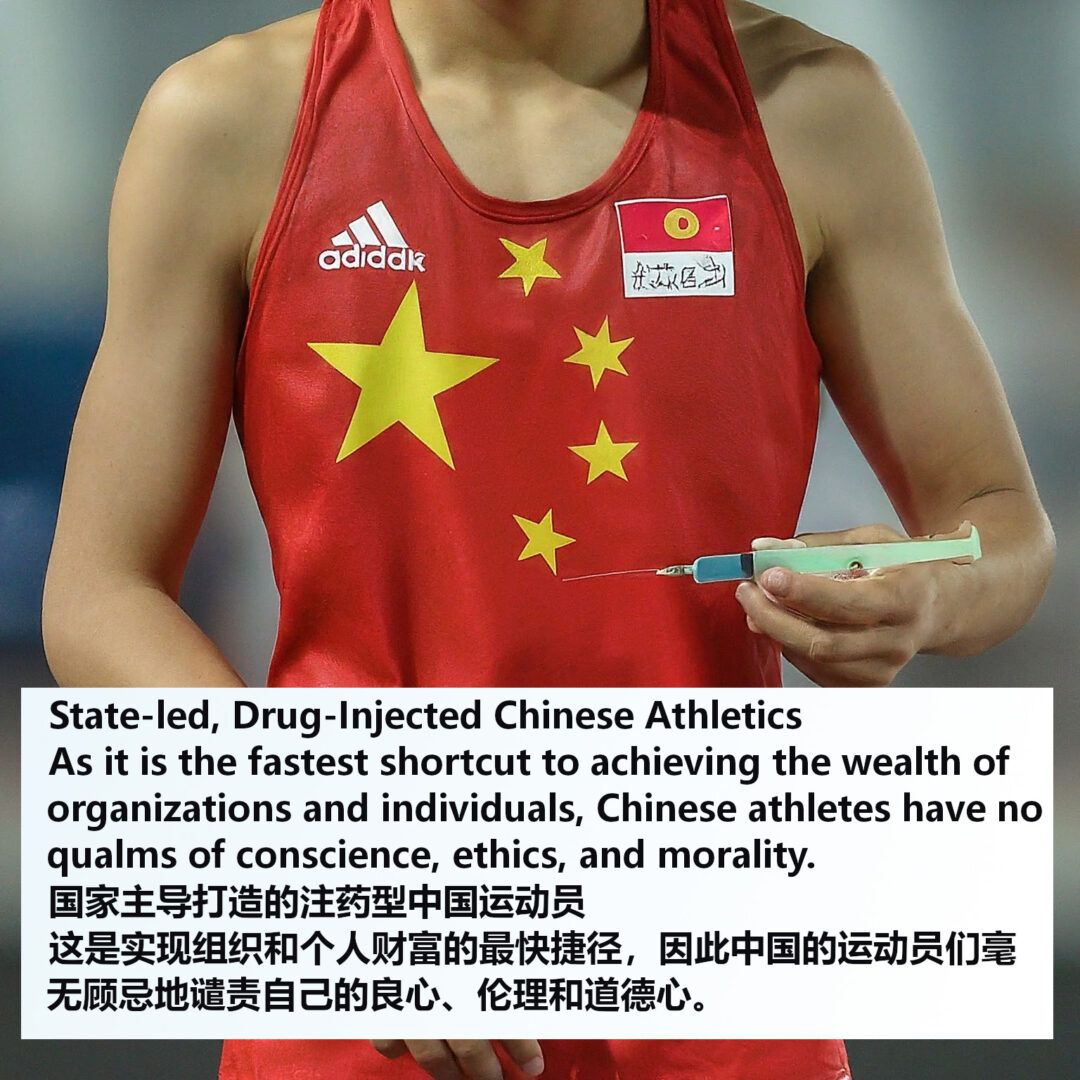
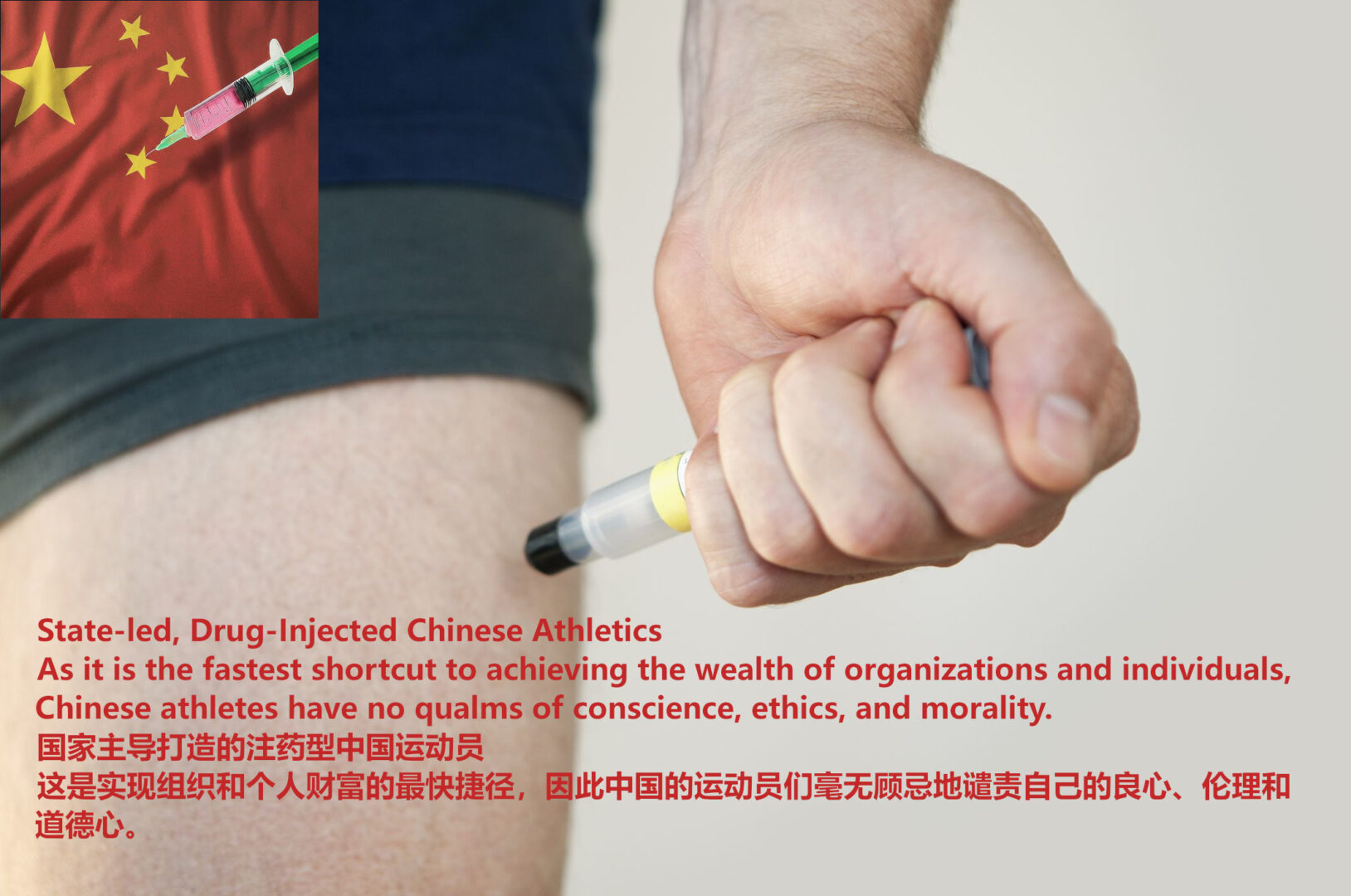
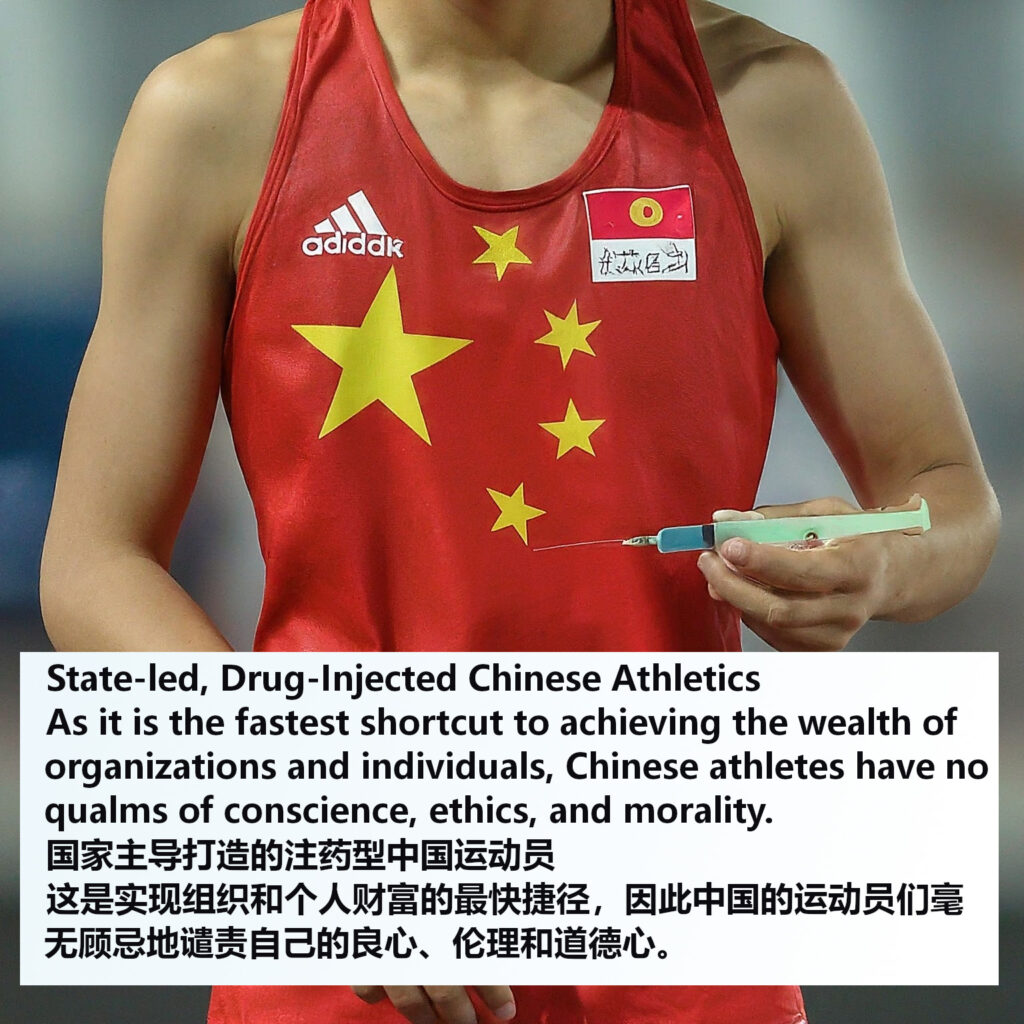
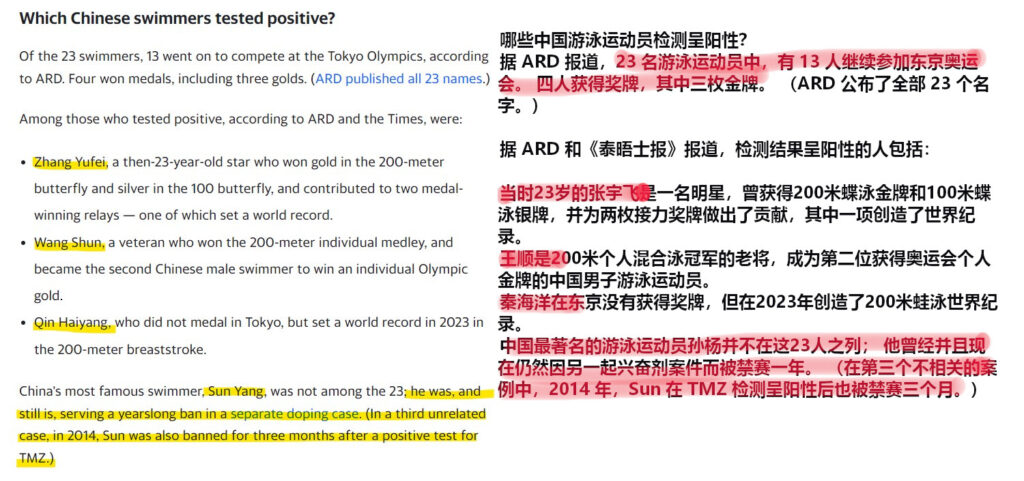
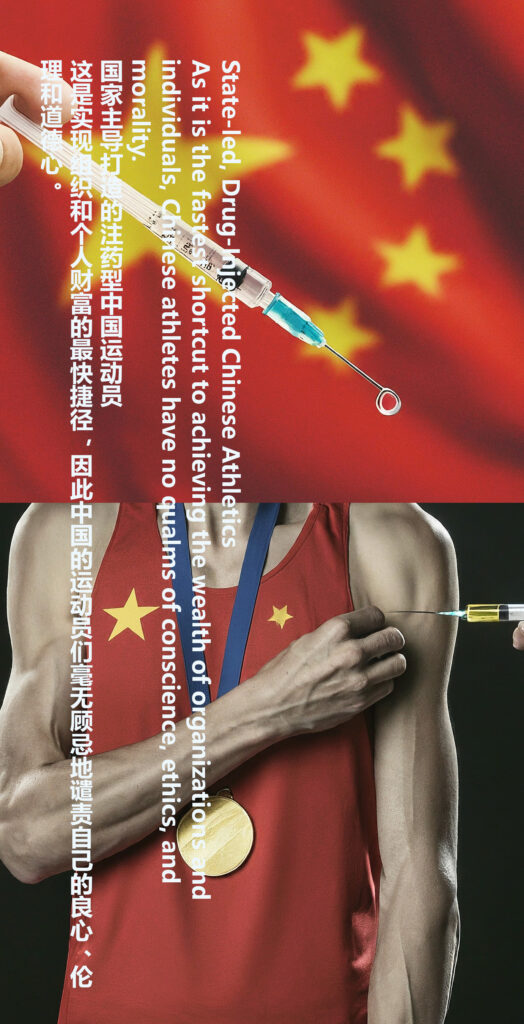
A documentary produced two years after an investigation by the German Public Broadcasting Union ARD exposed some of the 23 Chinese swimming team members who were tested positive for trimetazidine, including:
Tokyo Olympic champions Zhang Yufei, Yang Junxuan, Wang Shun
World champions Yan Zibei and Wang Yichun
The best male swimmer in 2023, 200-meter breaststroke world record holder Qin Haiyang
Dear Chinese Peoples, Never worship power but love your Country. Never be managed by power but have yourself. Keep your child away from the black hand of power. Open your eyes through brainwashed life
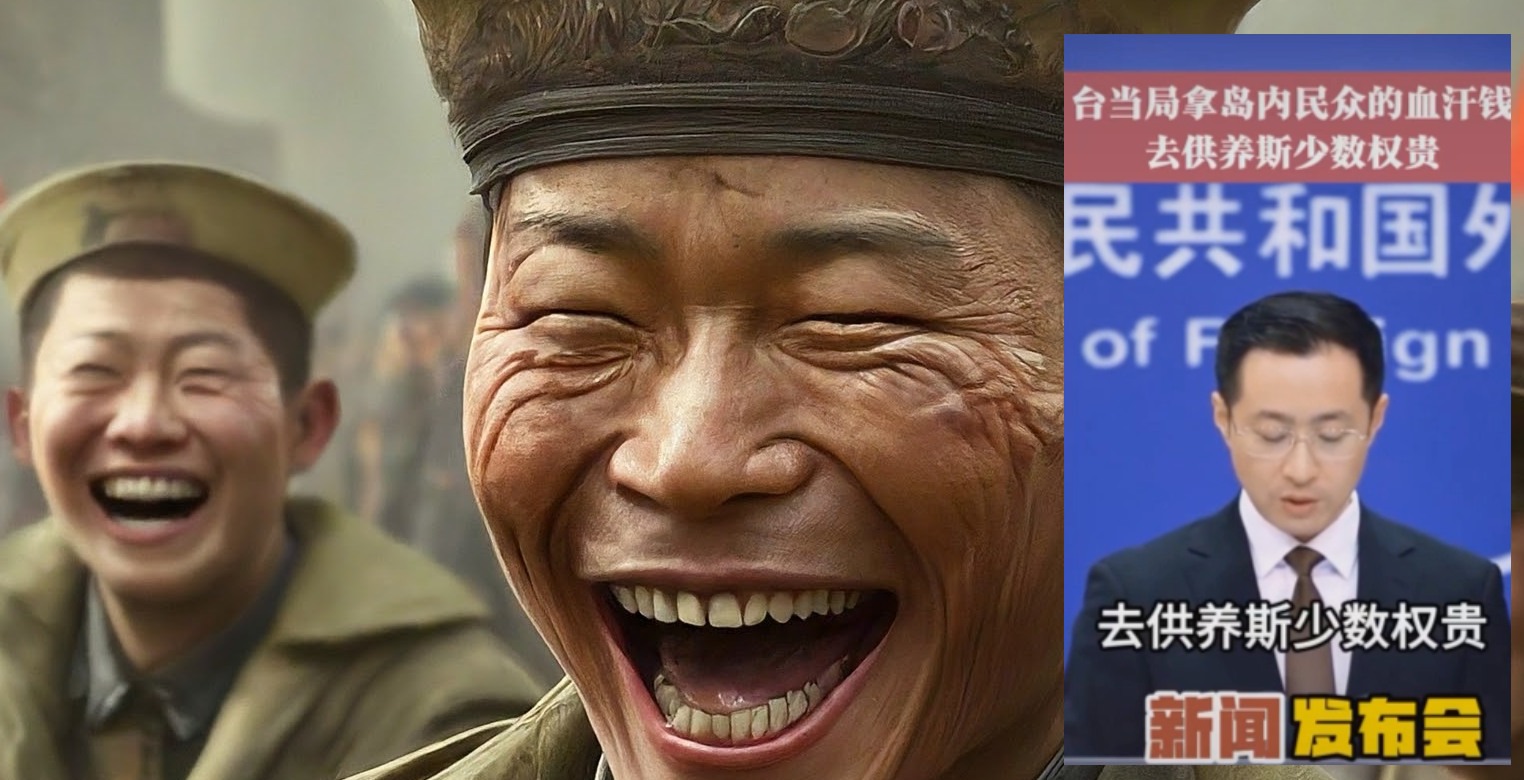
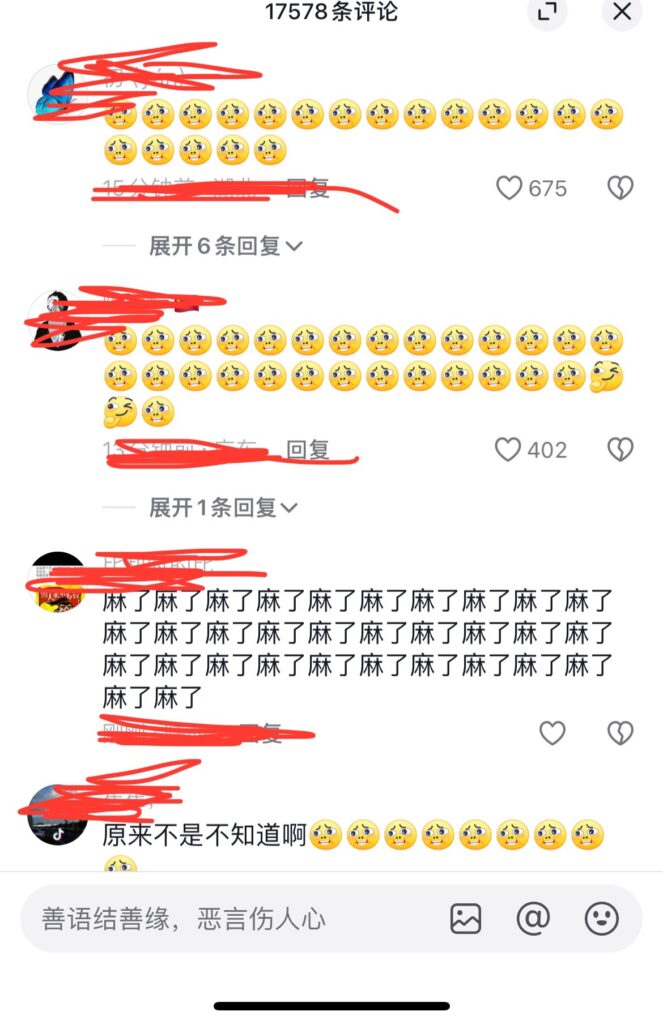
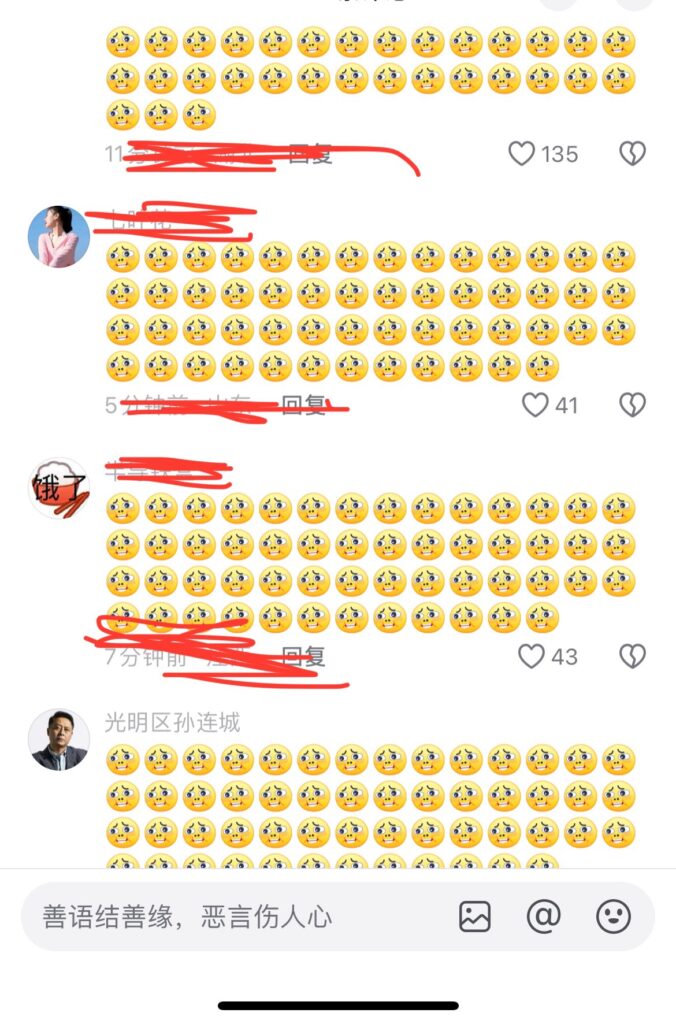
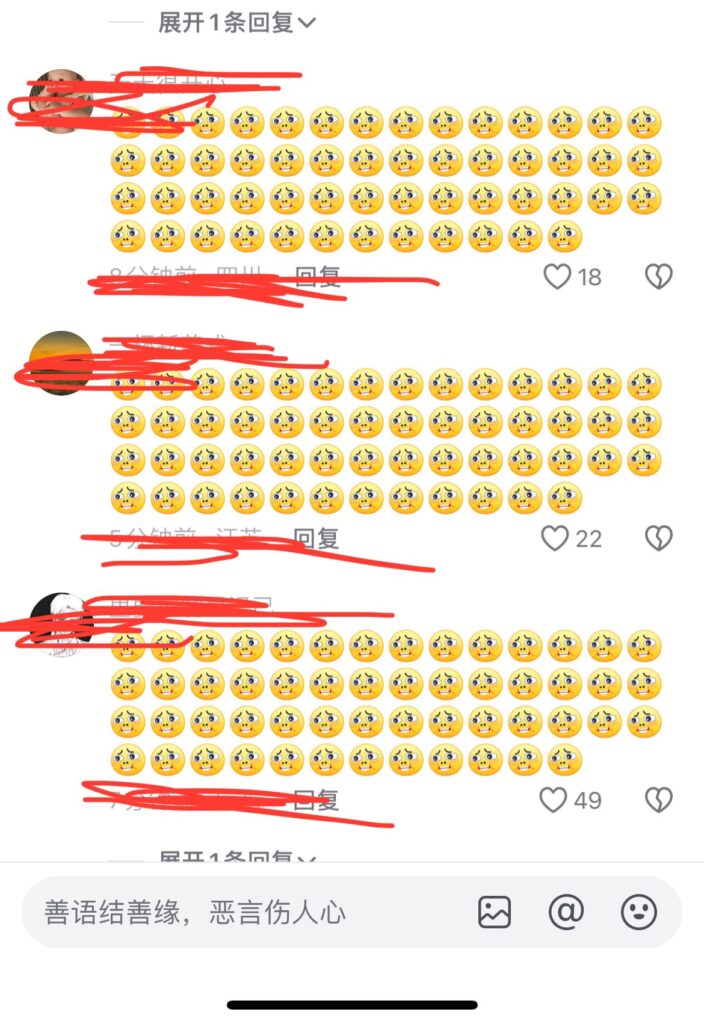
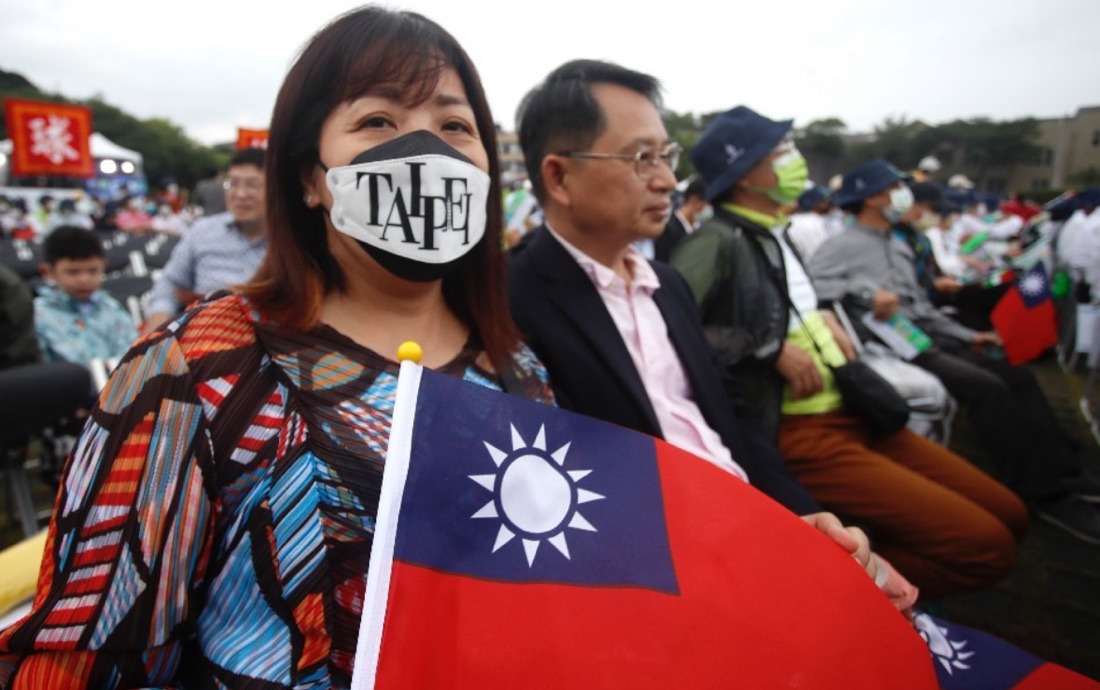
很符合对中共的想象-外交部发言人说台湾当局那少数民众的血汗钱去维系所谓邦交关系-评论区全是嘲讽 Very much in line with the CCP’s imagination – Taiwan’s foreign ministry spokesman said the few people in the Taiwan authorities had spent their hard-earned money to maintain so-called diplomatic ties – the comment section was full of derision
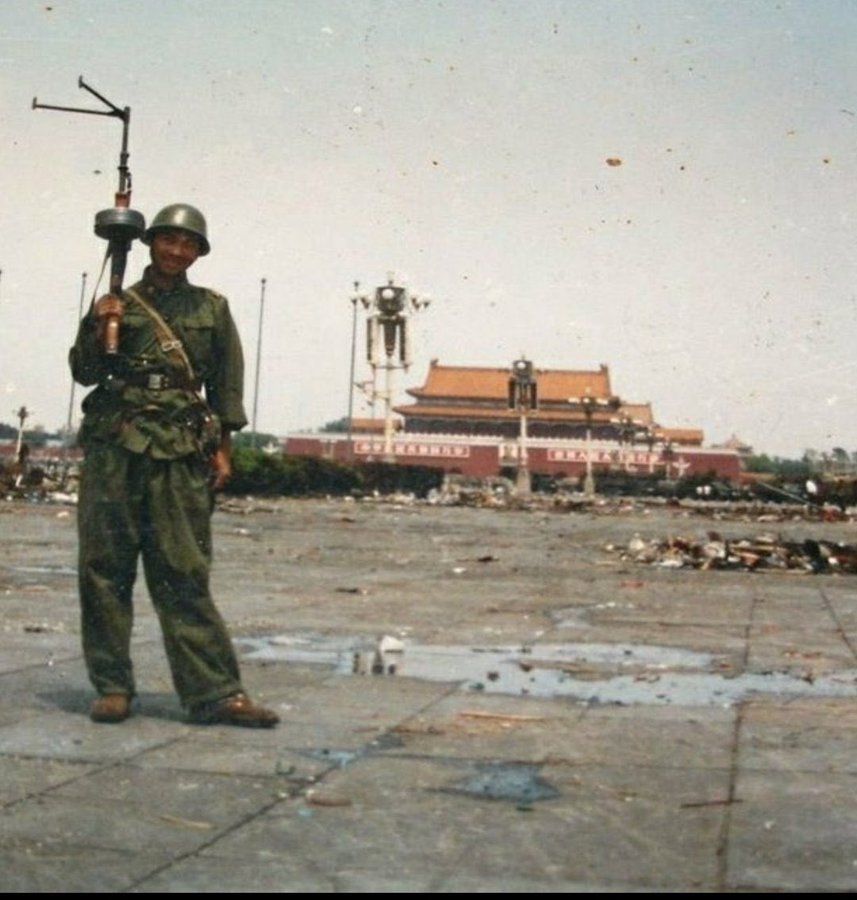
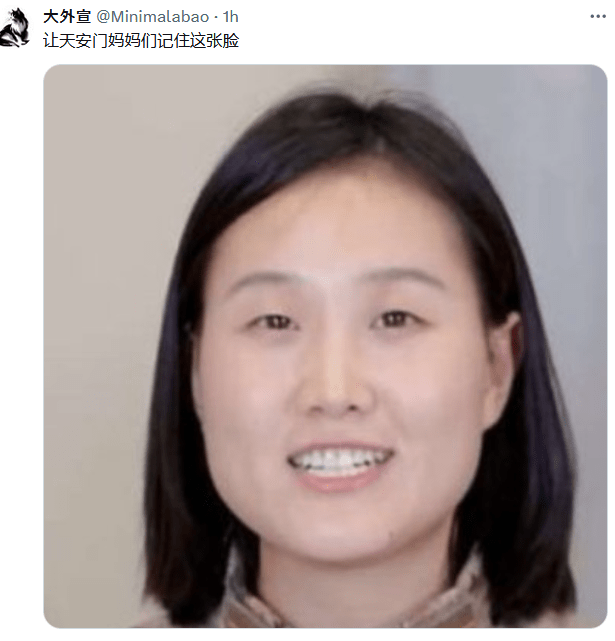
她的父亲是屠杀赤手空拳呼吁自由的同族的天安文学屠杀的主角。Her father was the mastermind of the Tiananmen massacre, which massacred his compatriots who were crying for freedom with their bare hands.
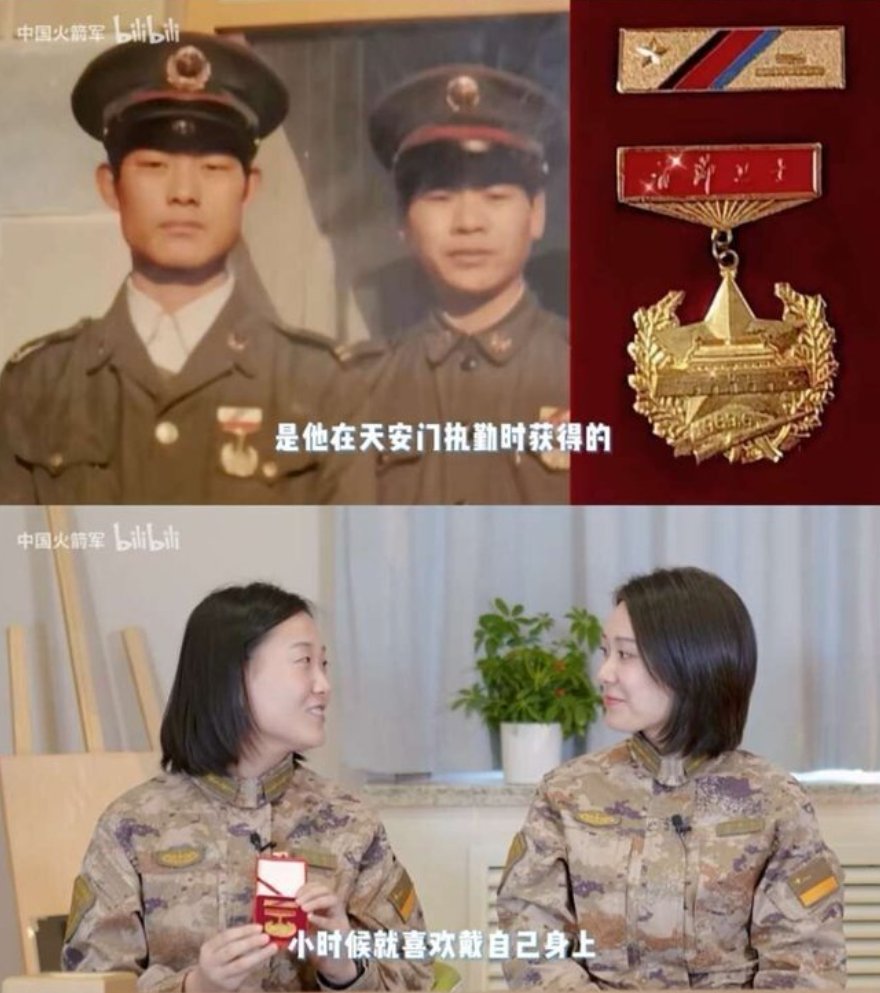
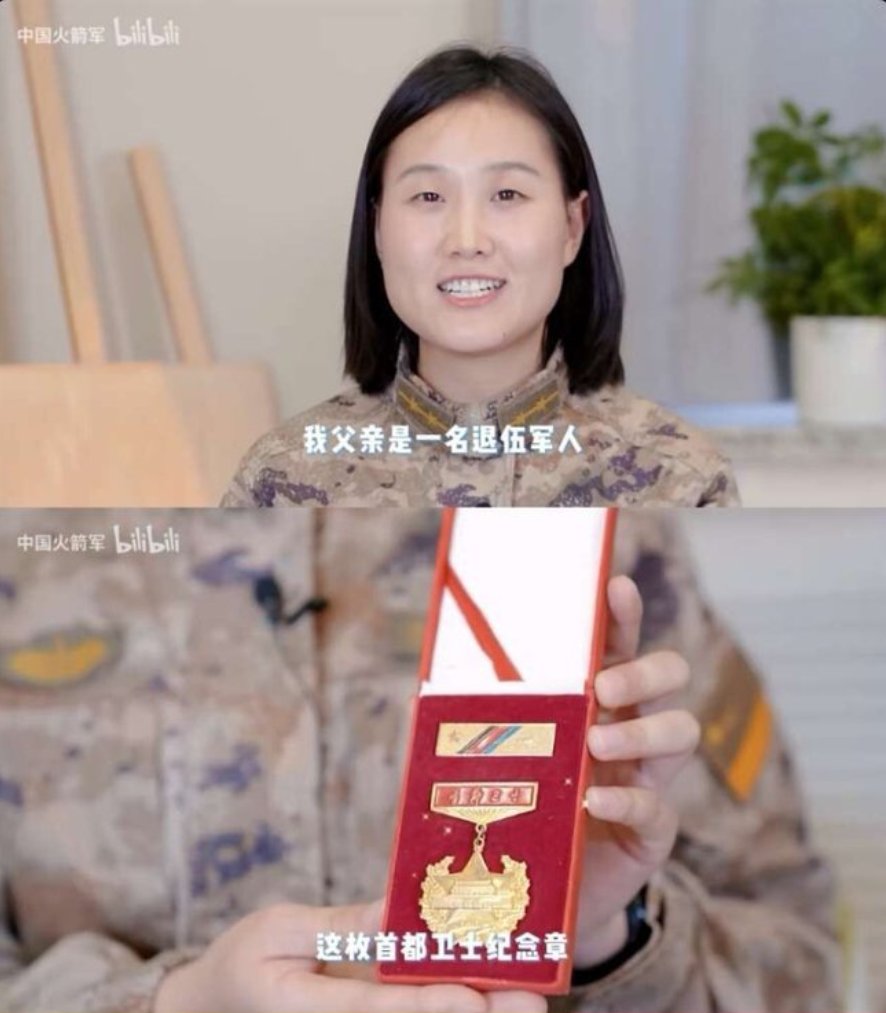
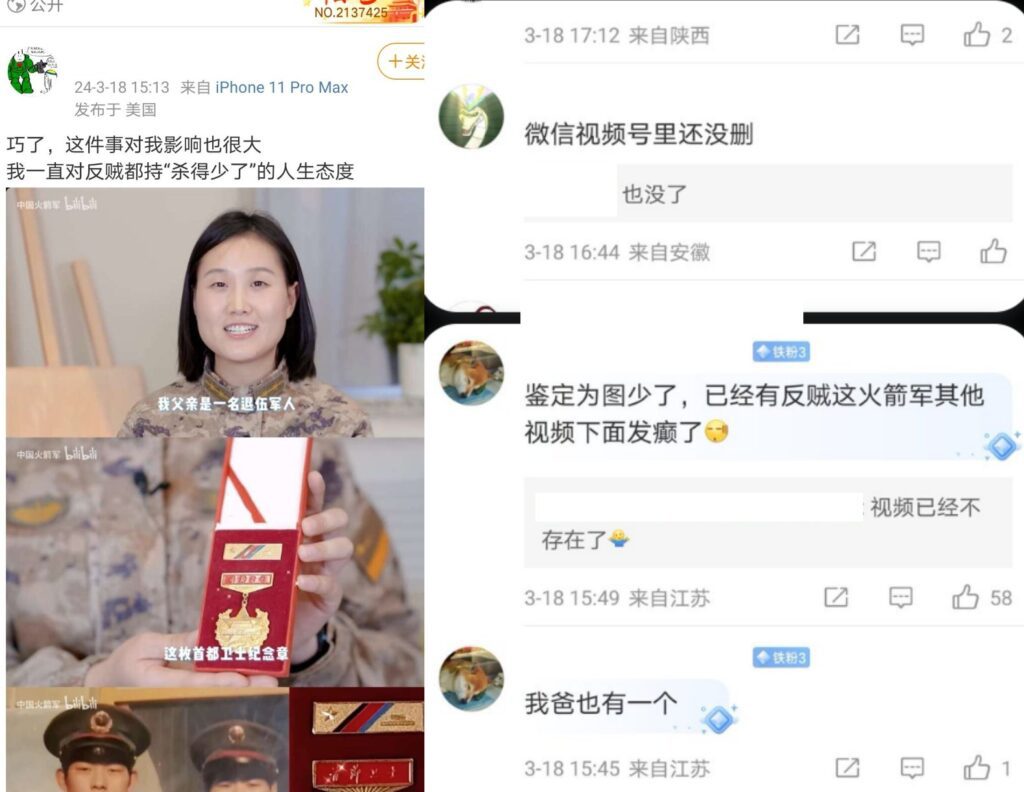
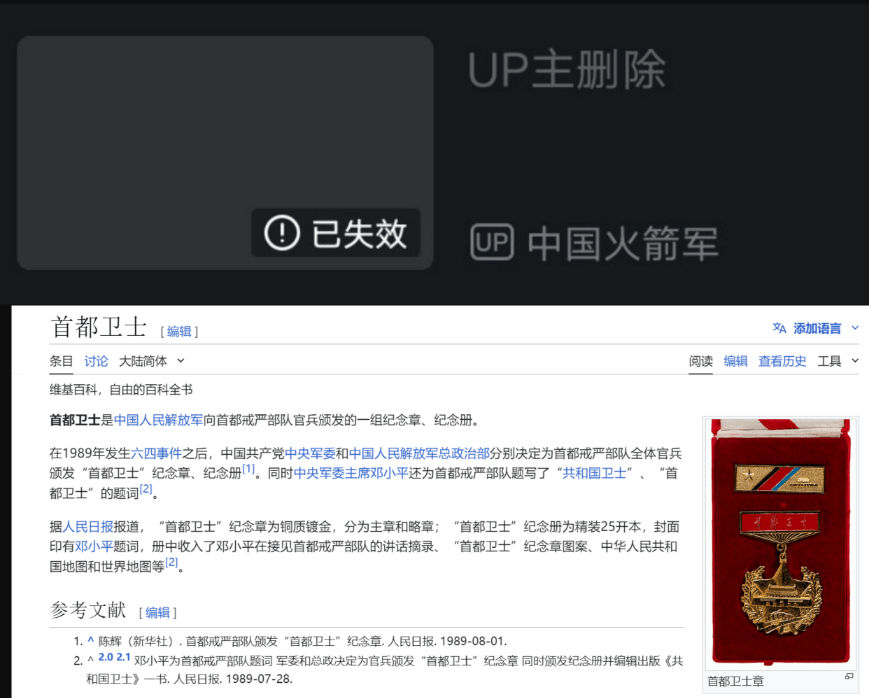
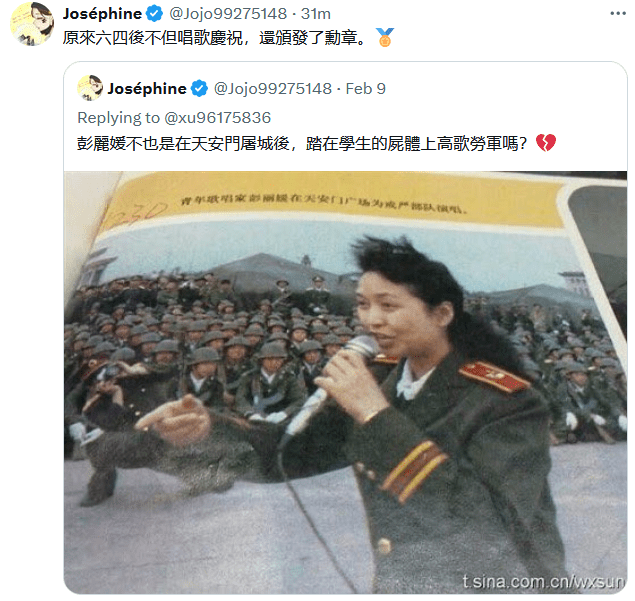
On March 18, the Chinese Rocket Force’s Station B account posted a video of a female soldier showing off her father’s “Capital Guard” medal. According to information, the “Capital Guard” medal was awarded by the Chinese People’s Liberation Army to officers and soldiers of the Capital Martial Law Force after the Tiananmen Massacre. This video was first discovered and discussed in the pink community, but the video has now been deleted.
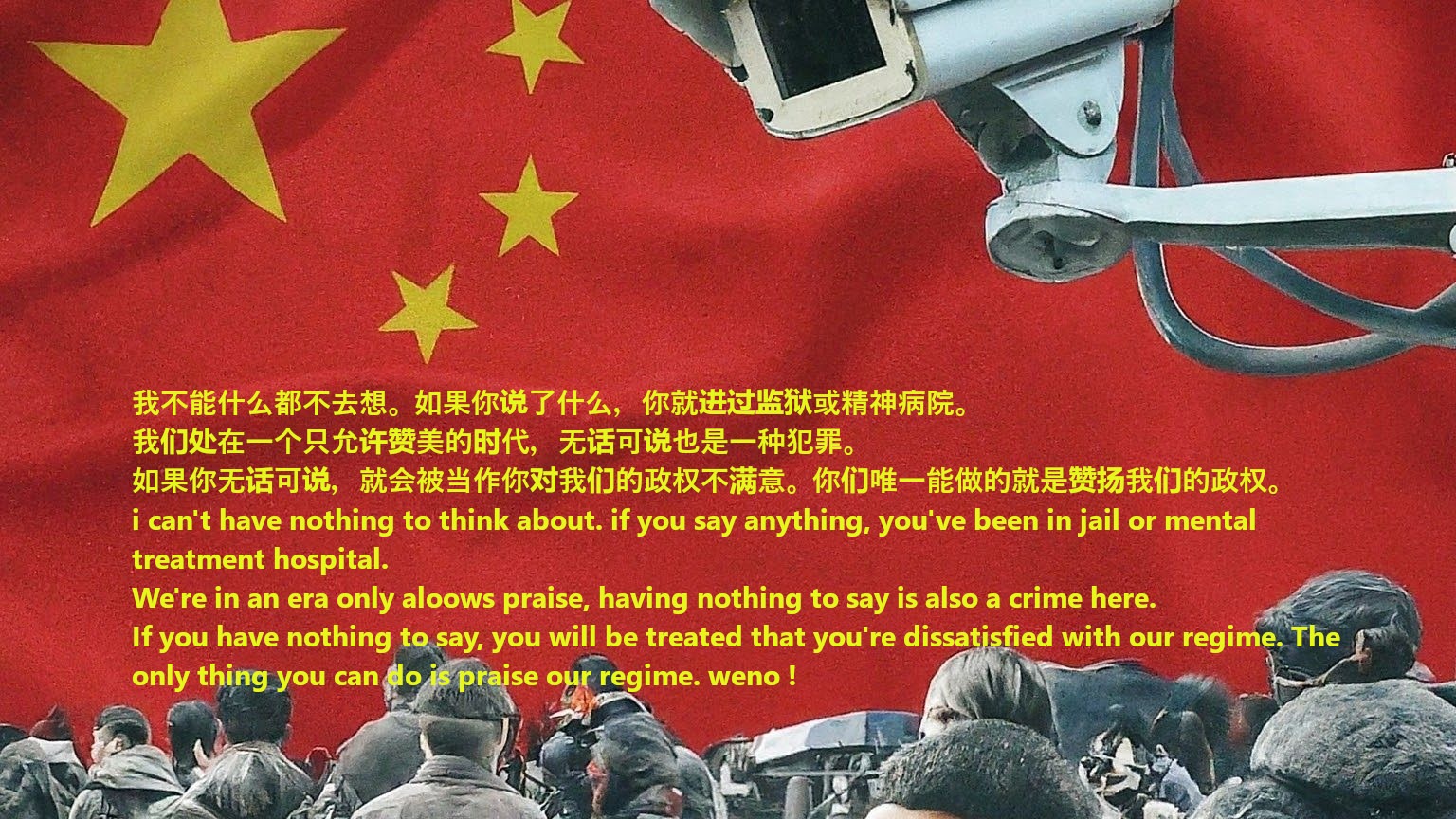
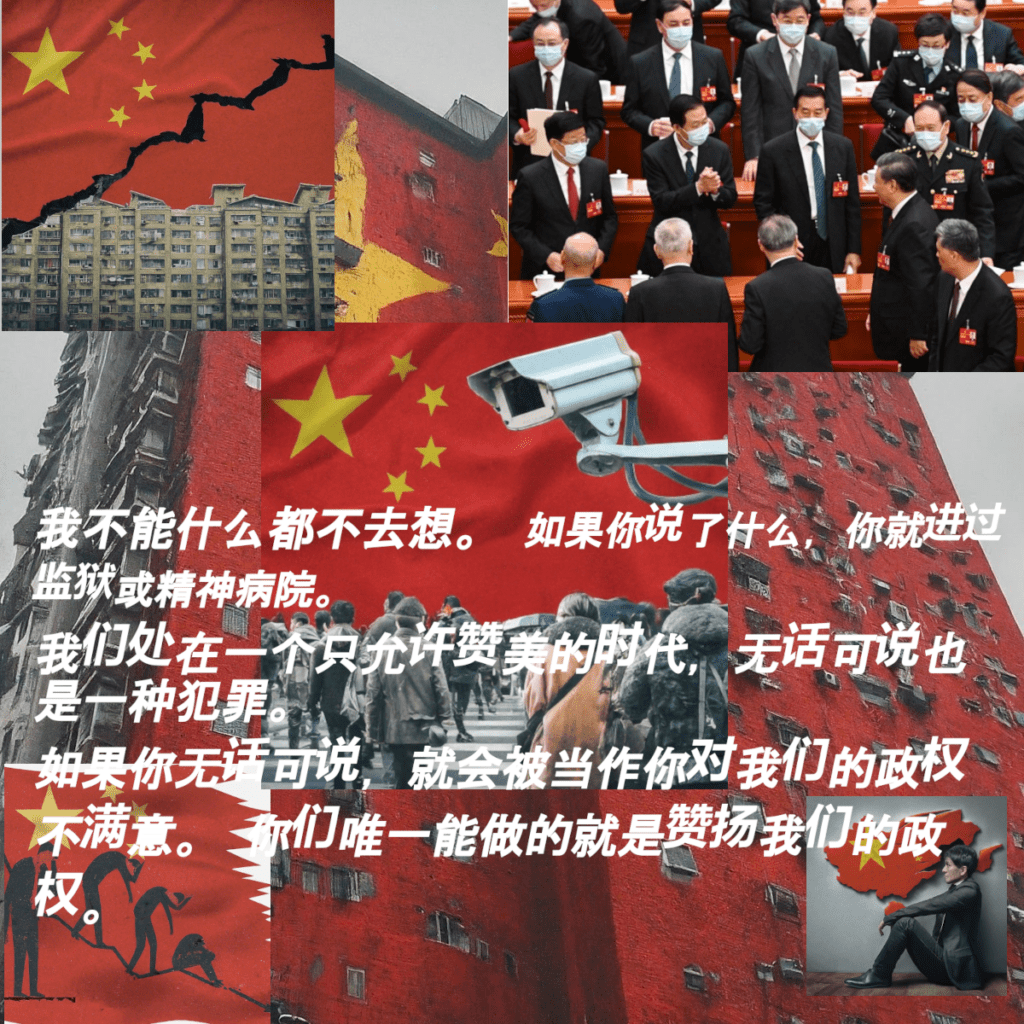
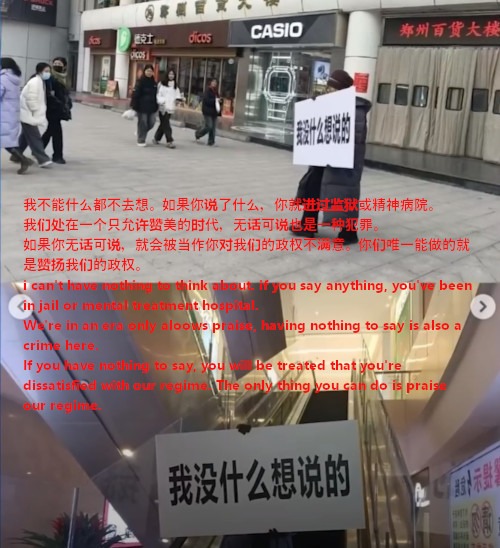
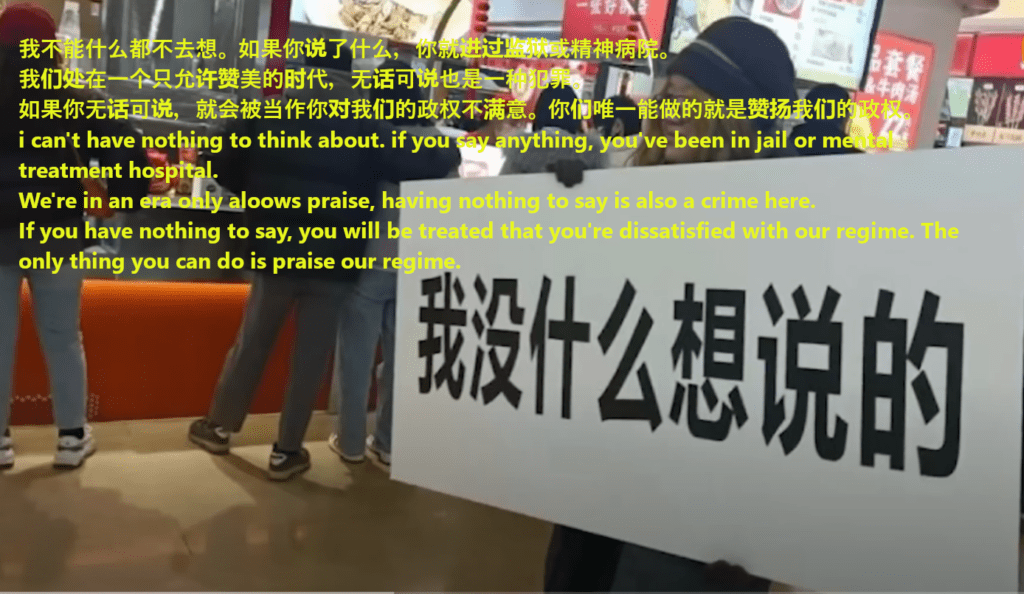
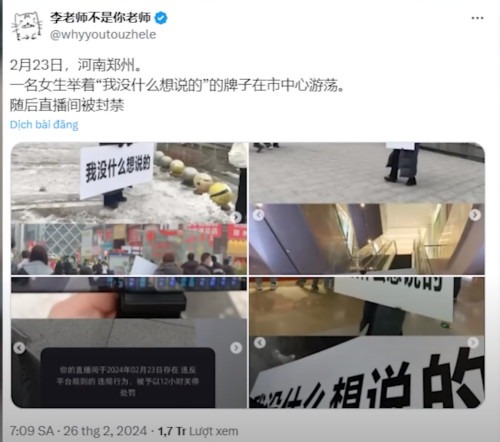
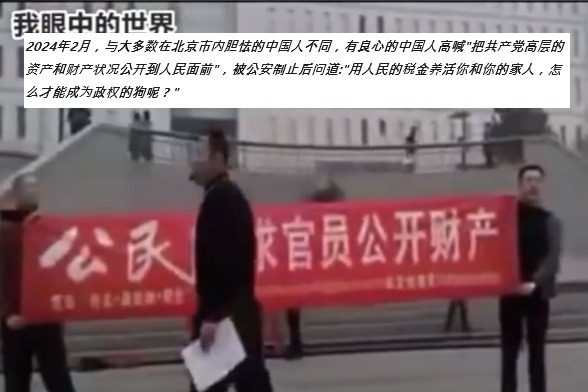
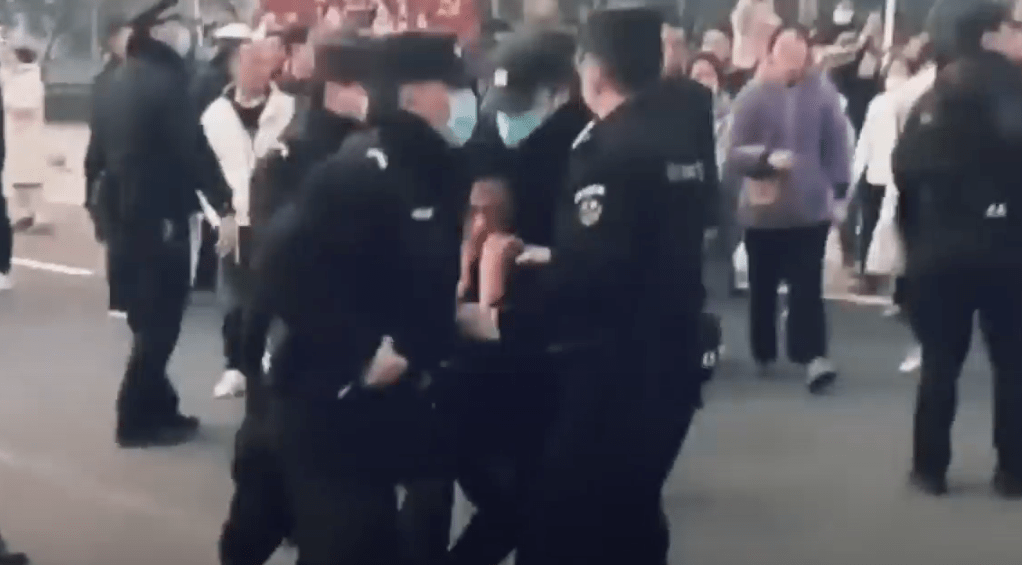
i can’t have nothing to think about. if you say anything, you’ve been in jail or mental treatment hospital. We’re in an era only allows praise, having nothing to say is also a crime here. If you have nothing to say, you will be treated that you’re dissatisfied with our regime. The only thing you can do is praise our regime.
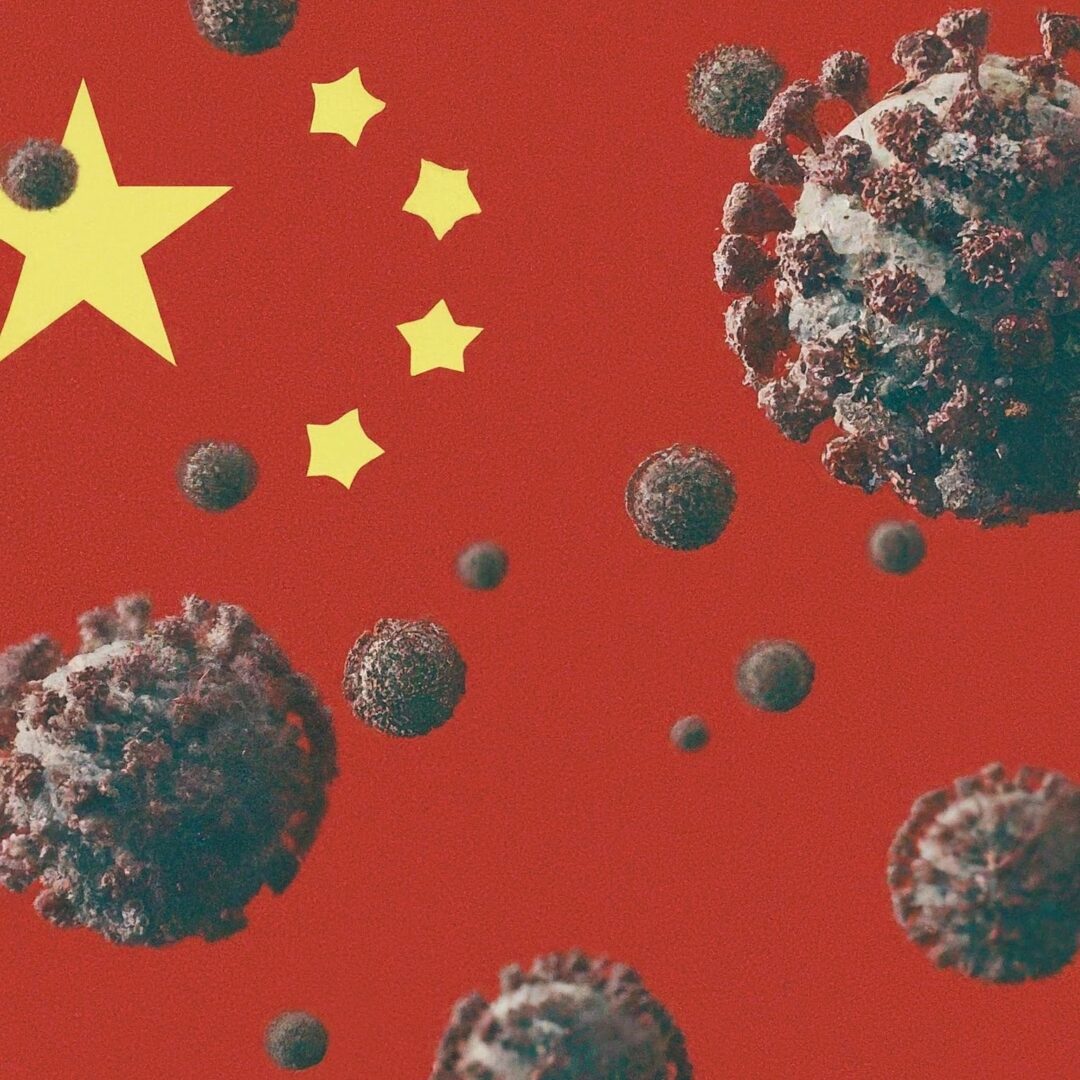
“In 2020 and 2021, we luckily didn’t really feel the pandemic in China,” he said.
After a late response to the initial COVID-19 outbreak in Wuhan, the Chinese authorities subsequently managed to get the pandemic under control, and by mid-2020, normal life had resumed and social order was restored.
That was a contrast to several high-income countries in the Western world where health services struggled when the pandemic first struck, according to assistant professor Yan Long, who has studied the development of Chinese public health policies at the University of California, Berkeley.
That also made the zero-COVID policy a source of national pride in China and an opportunity for the Chinese leadership to showcase, at least domestically, that China had outdone countries such as the United States.
“It was a way to say, ‘Look, democracy has failed, we succeeded’,” Long told Al Jazeera.
The success began to fray, however, with the emergence of more infectious COVID-19 variants such as omicron. Immense resources were poured into constant rounds of mass testing and the implementation of lockdowns, but the measures failed to put an end to new outbreaks.
“The zero-COVID policy became financially unsustainable, and scientifically impossible, while the confidence in the policy also began to drastically decline,” Long said.
“By 2022, COVID was no longer the biggest fear. People were more afraid of the disruption of the lockdowns.”
After asking Beijing for more data on the ‘influenza-like illness’, the WHO concluded it was not a new pathogen [File: Jade Gao/AFP]
Hou from Shanghai agrees that towards the end, the zero-COVID policy felt worse than COVID-19.
“The policy made life a living hell,” he said.
Hou knows of many people who experienced traumatic episodes during the lockdowns as well as in the subsequent rapid reopening of society.
“But unlike me, most people I know don’t want to talk about the COVID times. They just want to forget them,” he said.
Long, the academic, doubts that Chinese people have had a chance to heal after what happened.
“It is now a year later, and there has been no discussion about COVID, no reflection about what was right and what was wrong,” she said.
“When you bury the memory, you don’t learn any lessons, which means there is no guarantee that the same mistakes won’t be made again.”
“So many people suffered under the zero-COVID policy, and so many people died when it ended,” Ma said.
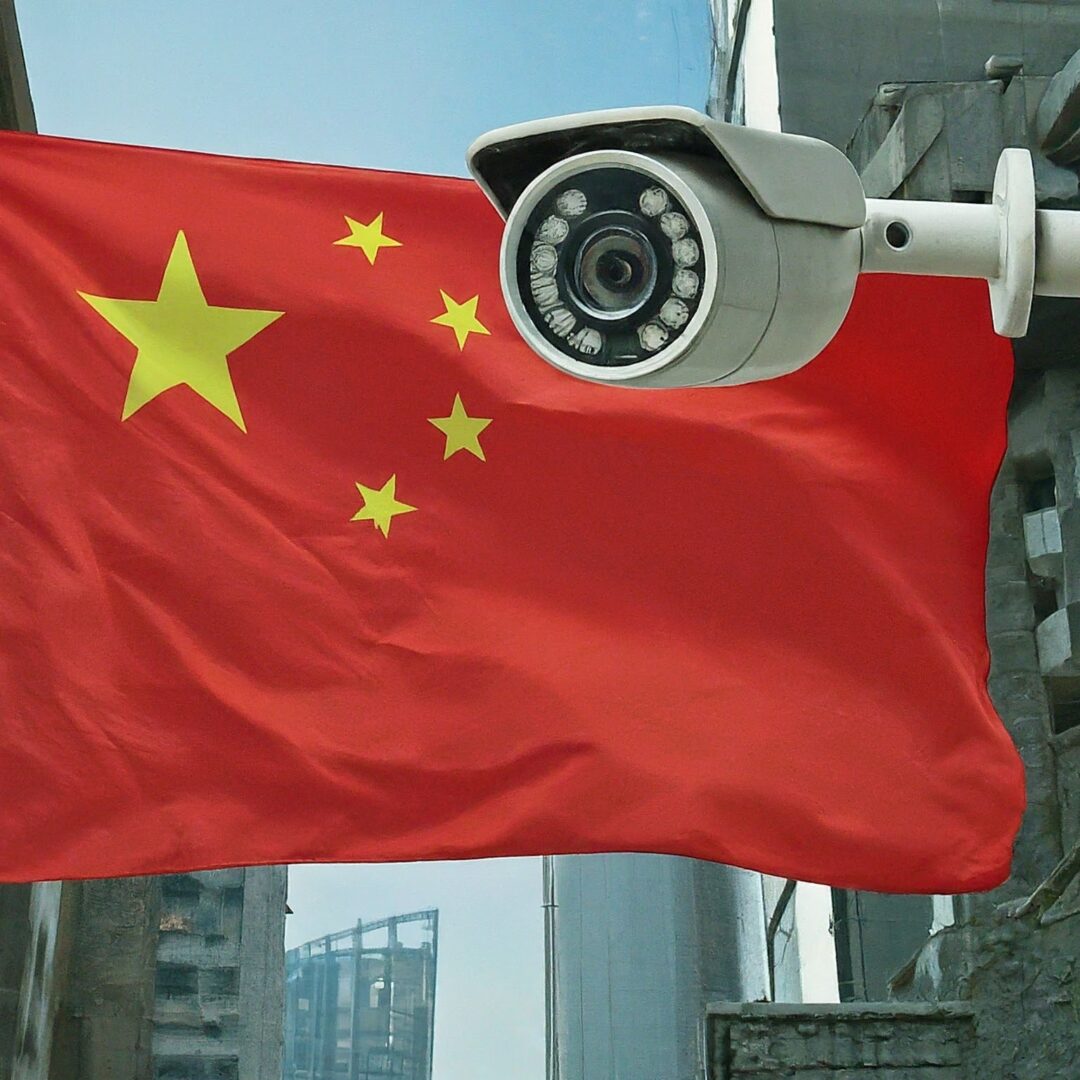
Overseas residents, private businesses, and international students of Chinese nationality residing abroad. All Chinese, including travelers, are monitored by the China Space Party for all overseas activities and online activities, and even the same organization, friends, and colleagues are monitoring each other. Sometimes, they are used by intimidation using their families in their home countries, or voluntarily for overseas espionage activities in China, and are actively mobilized for the Communist Party’s overseas propaganda activities.
Some overseas critics of the Chinese Communist Party have been emboldened, not cowed, after police and other officials warned them about their activities.
Early one morning last year, she said, she got a call from her father in China, as police officers in his office dictated questions about the petition and demanded she log into her social media accounts.
“It’s kind of unbelievable. How did they find out? My only reaction was to think about how to fool them, how to protect my parents,” said the woman, a scientist based on the East Coast who asked not to be identified by her real name and to withhold her exact location for fear of reprisals from the Chinese government.
Two prominent Chinese bloggers in exile said this week that Chinese police were interrogating their hundreds of thousands of followers on X and other international social media platforms, urging fans to unsubscribe from their accounts.
Some of the hacking tools that Chinese police use to investigate social media users around the world were revealed in a recent leak of documents from I-Soon, a private security contractor linked to the Chinese government.
‘Determined to speak out’ A chemical engineer living in California has a similar story. He said he was then contacted by a police officer on the Chinese messaging service WeChat.
“He asked me to provide my personal accounts for YouTube and Twitter,” the engineer said. “I said no, you can’t ask me that, because I’m in the United States,” where unlike in China he can access such services freely.
“He said even if you’re in the United States, it’s your responsibility as a Chinese citizen to maintain our country’s good image.”
He said police contacted his family two other times, and threatened his father with not being able to leave the country — a practice known as an exit ban that rights groups say is an increasingly
The U.S. is considering slapping sanctions on Chinese companies it believes are helping Russia fuel its war in Ukraine, members of Congress told CNBC. Lawmakers may “very soon” follow similar proposals from the EU, in what would mark the first direct penalties against Beijing over its alleged military support for Moscow. “China has to understand that the same kinds of sanctions which are beginning to really take hold in Russia … can also be applied to China,” Senator Gerald Connolly said.
No. The Biggest threat to China economics is You, Xi, not your spacegoat. Xi just fired China’s top markets regulator. It shows his focus is still on control above all else.
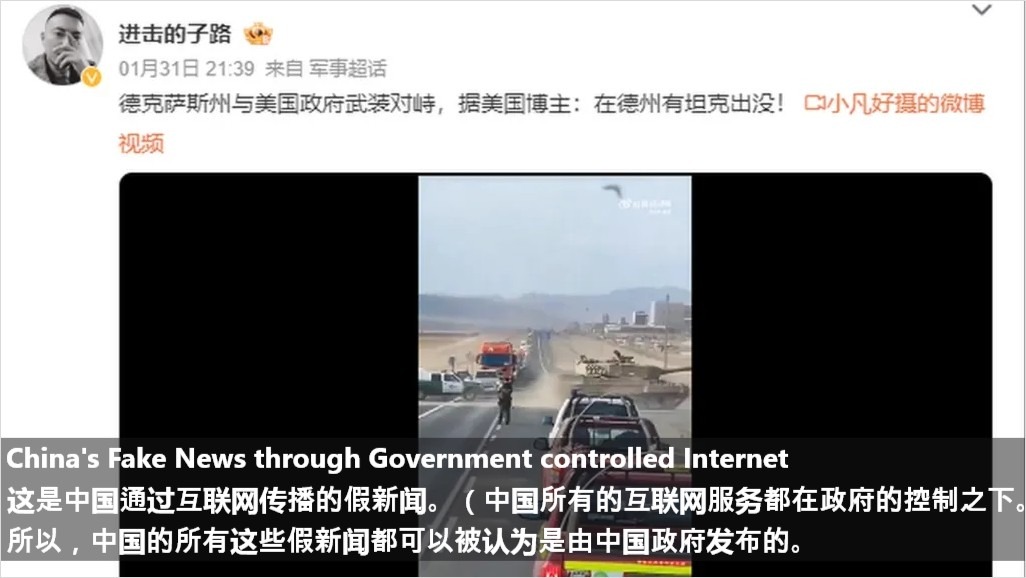
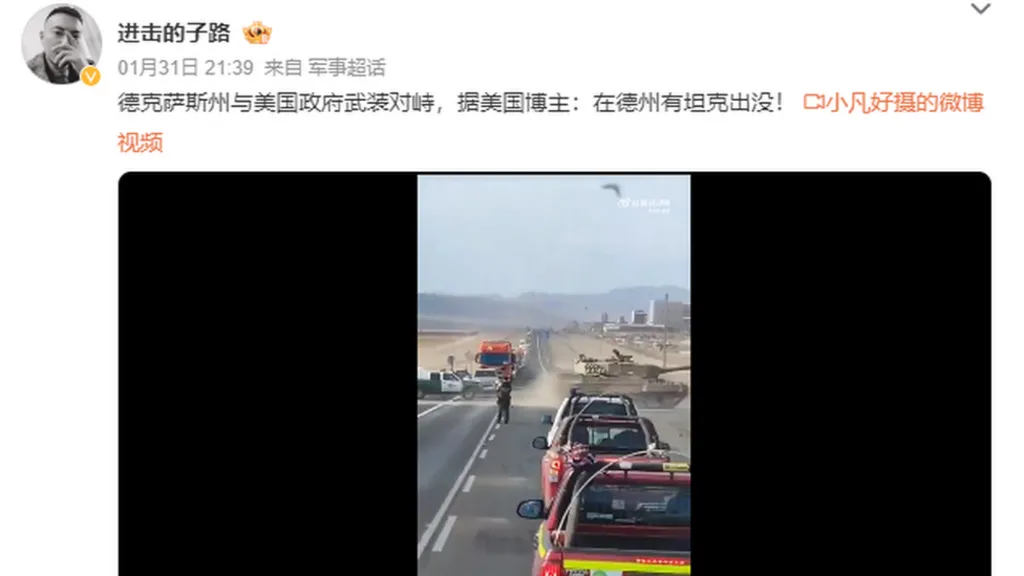
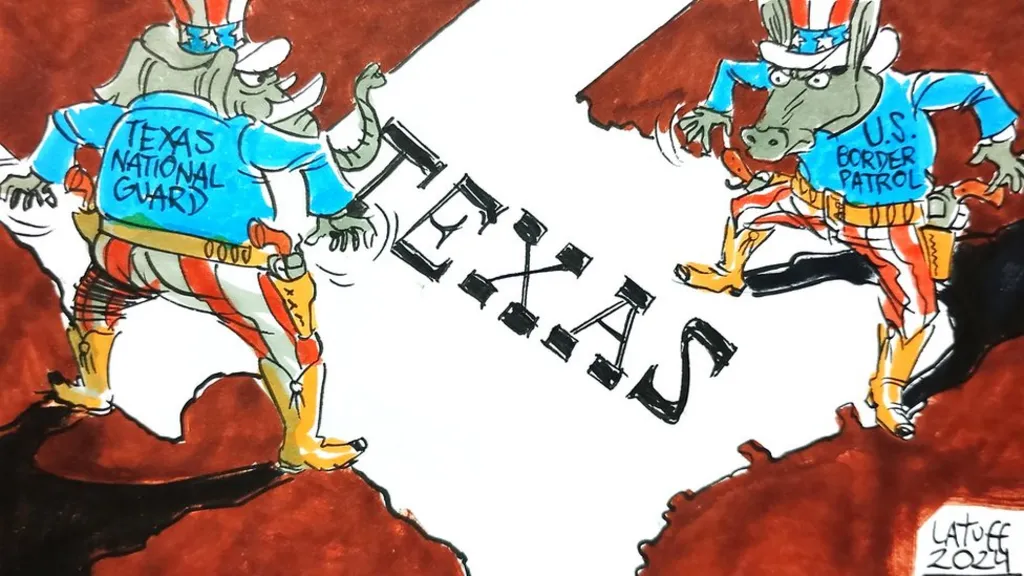
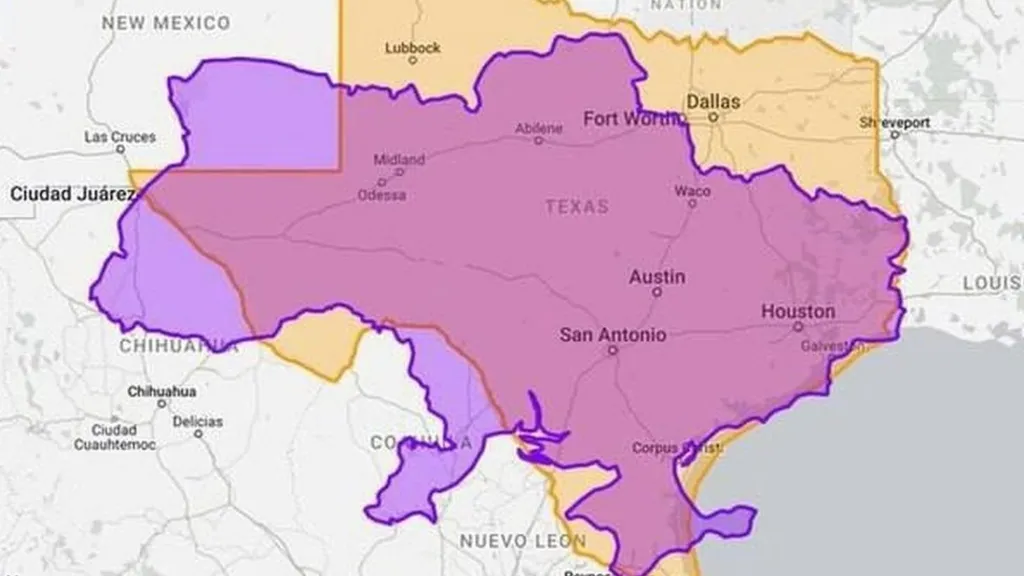
Popular Chinese outlets have been suggesting that events in Texas have led to deep divisions in the US widening to a point where unrest has become a stark reality. More than 6.3m migrants have crossed into the US illegally since the beginning of 2021 – record highs that have intensified a standoff between President Joe Biden and Texas Governor Greg Abbott. As part of his Operation Lone Star, Mr Abbott has sought to block or deter entry into his state, including by installing about 30 miles (48km) of razor wire barriers along the city of Eagle Pass. …..
Here are China’s Fake news through their internet.. (All China’s Internet services are under control of governement. So,, All these kinds of Fake Newsin China could be think that it has beem released by China Givernment.
…..A Voice of America journalist Wenhao, who specialises in Chinese online disinformation, posted on X that the “biggest US related news on China’s internet for the past few days is Texas governor declaring war with the federal government, which did not happen in reality”. “Netizens are cheering for what they call America’s self destruction,” the post added.
Social media users in China on Friday, for example, were able to read reports that Florida’s Republican governor Ron DeSantis is sending up to 1,000 members of the National Guard to Texas.
China often publishes such reports as a response to Western governments issuing critical comments on China’s handling of issues in Xinjiang, Hong Kong or Taiwan. It’s a way of saying: focus on your own backyard, instead of telling us how to run our country.
台湾人民已经明确表示,只有民选政府才有权在国际社会中代表我们。The people of Taiwan have made clear that only a democratically elected government has the right to represent us in international society.
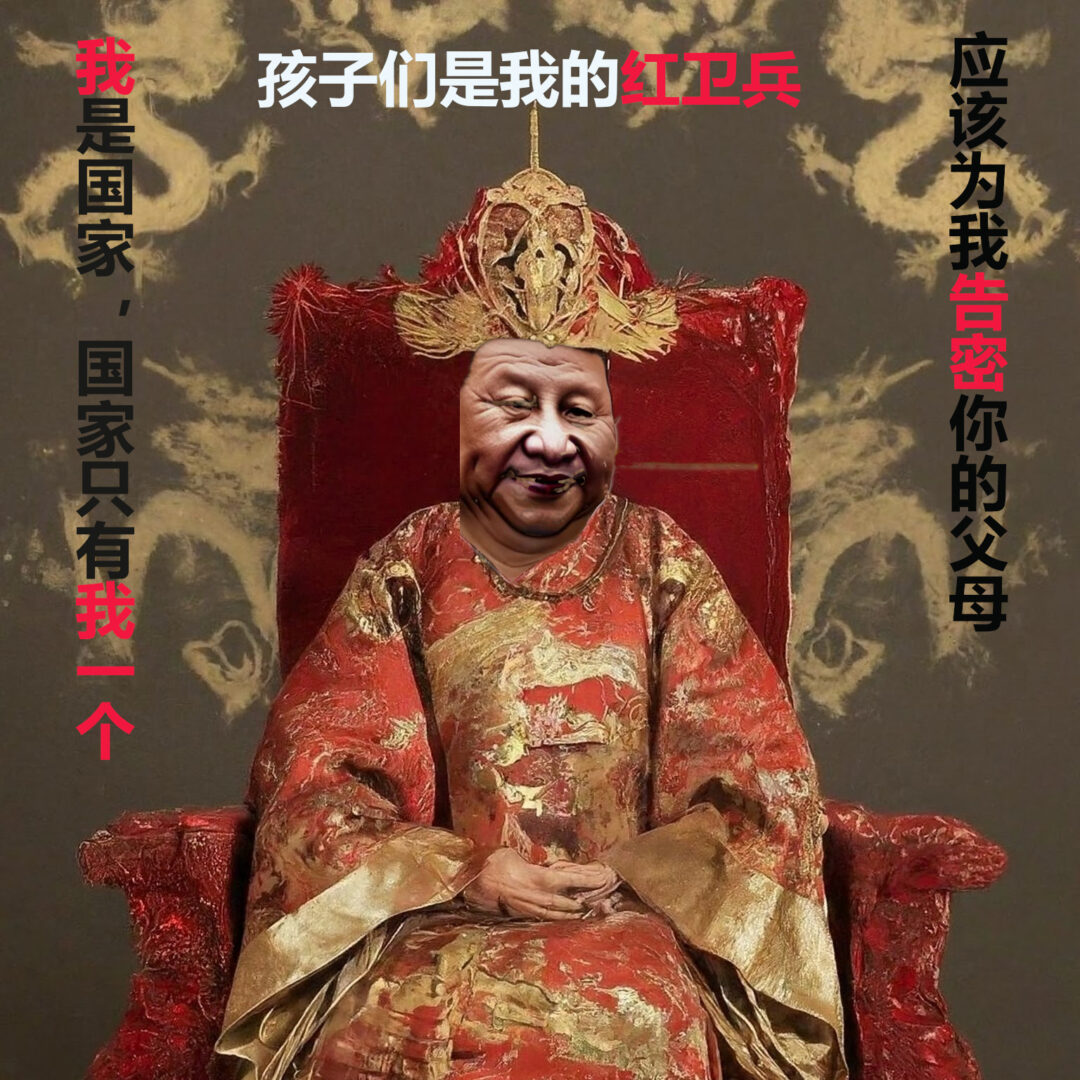
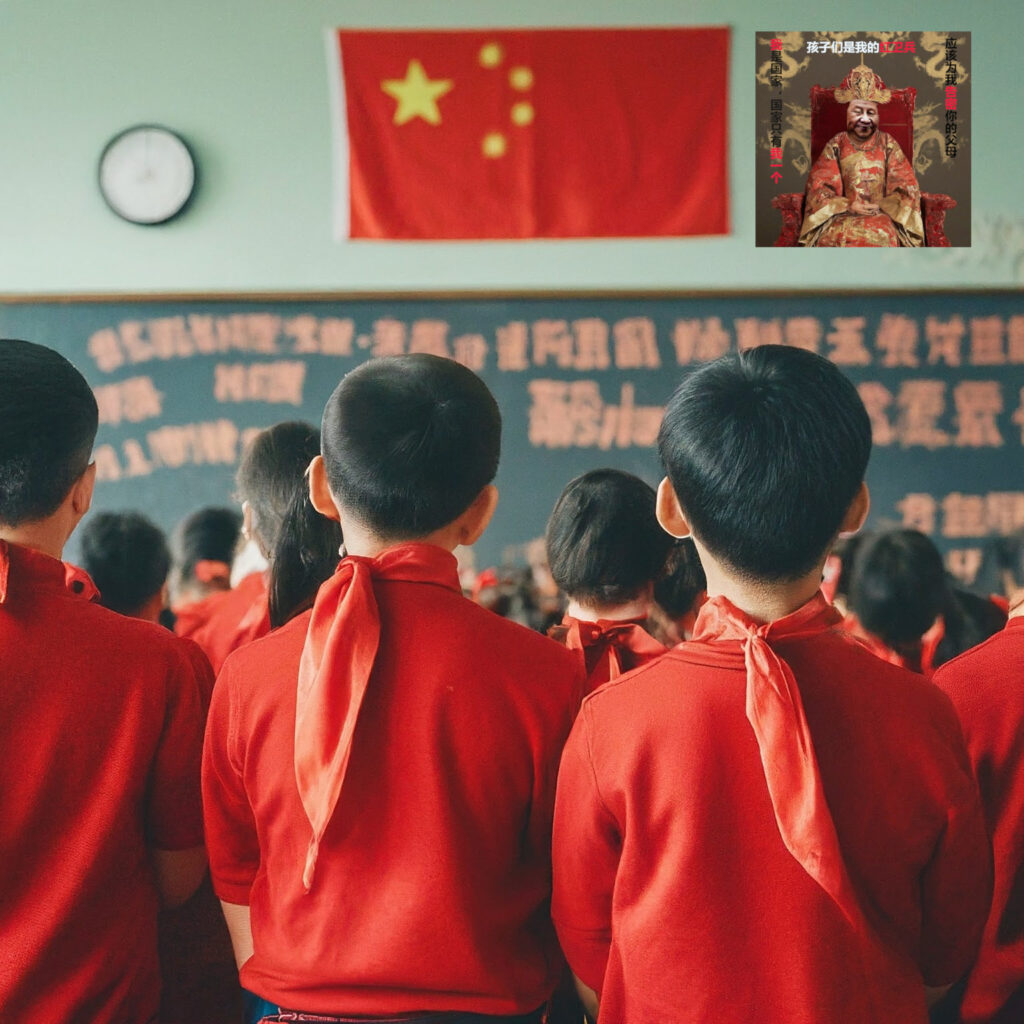
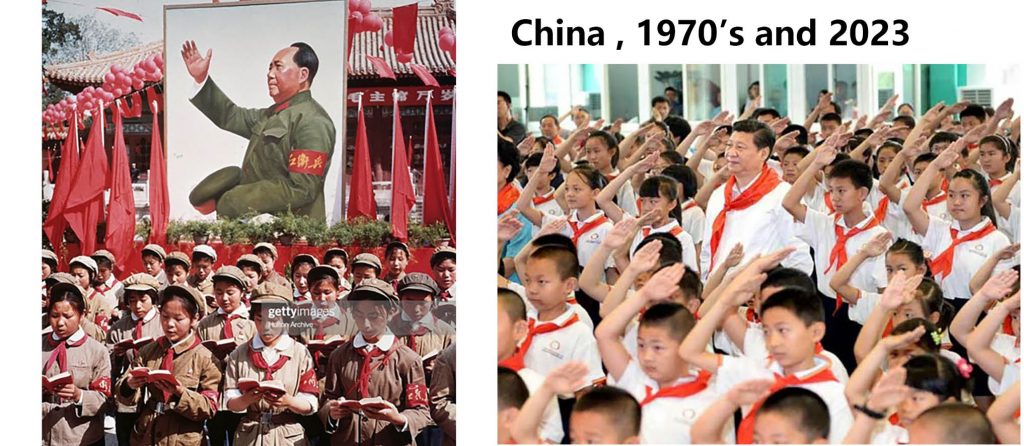
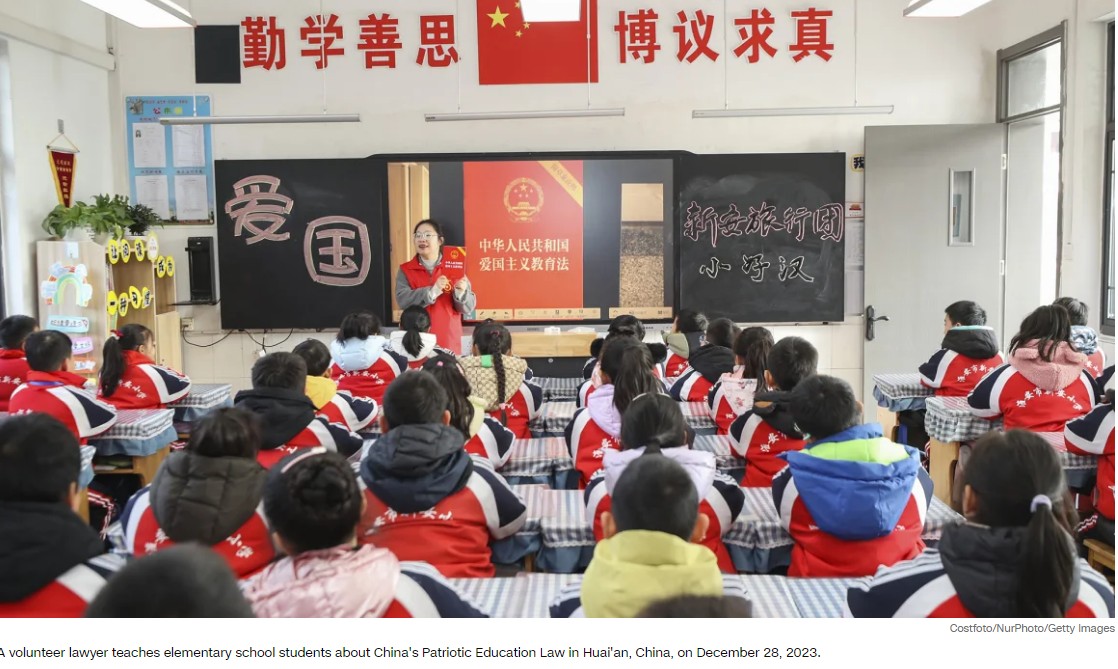
That “Patriotic Education Law,” aimed at “enhancing national unity,” mandates that love of the country and the ruling Chinese Communist Party be incorporated into work and study for everyone – from the youngest children to workers and professionals across all sectors.
It is meant to help China “unify thoughts” and “gather the strength of the people for the great cause of building a strong country and national rejuvenation,” a Chinese propaganda official told a news briefing last month.
The push for a love of country and the Communist Party is far from new in China, where patriotism and propaganda have been an integral part of education, company culture and life since the People’s Republic was founded nearly 75 years ago.
“They were portraying the indigenous people of Xinjiang as immigrants and Islam as a religion that was foreign to the region,” Jazexhi said. “It was incorrect.”
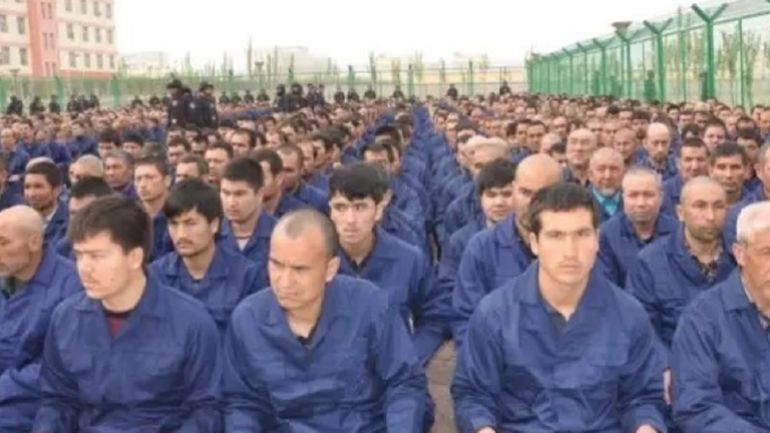
His disillusion only continued when he and other journalists were taken by their Chinese hosts to one of the so-called vocational training centres outside the regional capital of Urumqi.
“They said it was like a school but it was clearly a high-security site in the middle in the desert,” Jazexhi said.
“They also told us that the people staying there were not allowed to leave so it was obviously not a school but a prison and the people there were not students but prisoners.”
Once they entered the site, Jazexhi had a chance to interact with several Uighurs and it quickly became clear they were not the “terrorists” or “extremists” Beijing had claimed.
At the same time, information flowing in and out of Xinjiang remains tightly controlled, while Xinjiang residents are punished for having unauthorised contact with people outside China.
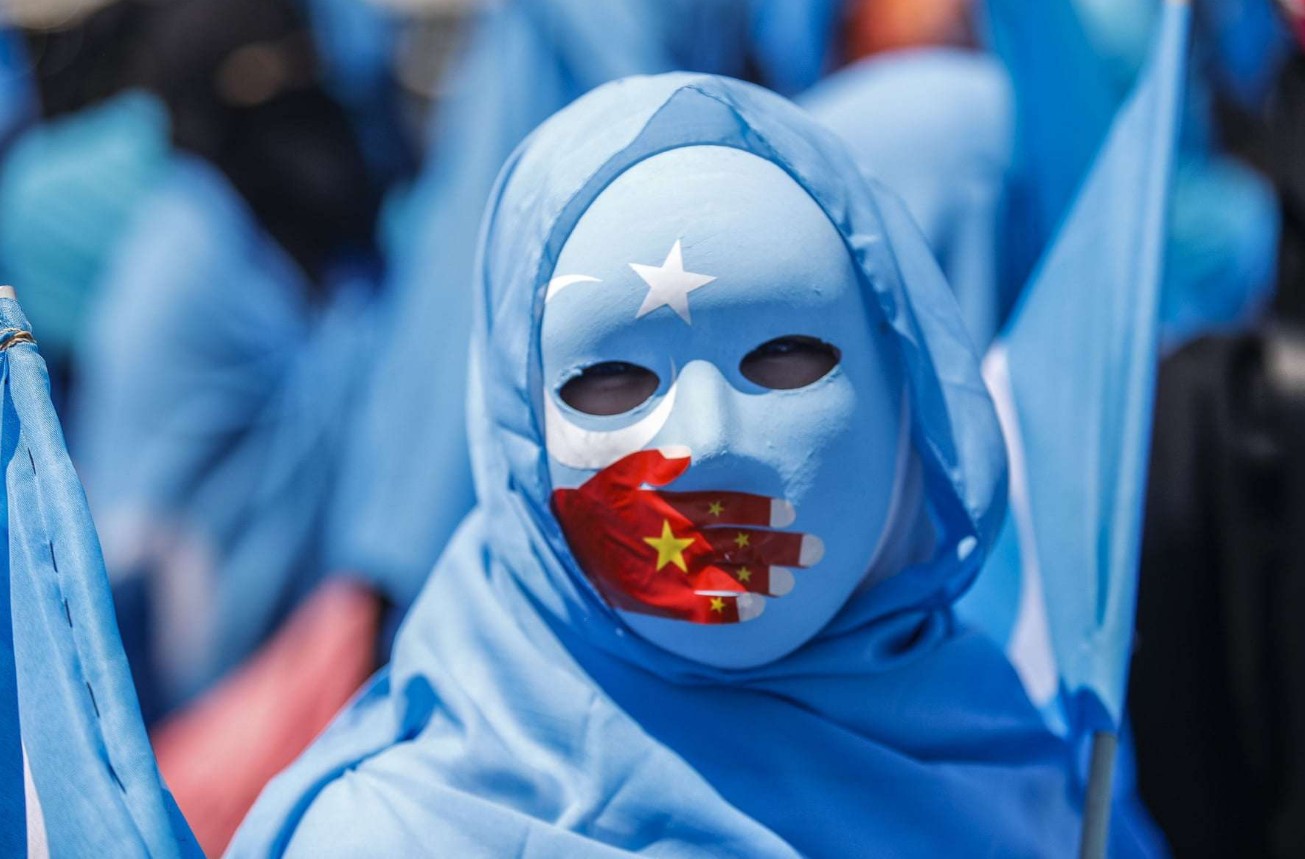
“The genocide is still happening but it is just much more covert now,” Turdush said.
Despite the controversy surrounding the organised tours, both Turdush and Jazexhi believe that foreign journalists and officials should continue to visit Xinjiang as long as they challenge the narratives that are presented to them.
“They should go,” Jazexhi said.
“And they should speak the truth about what they see in Xinjiang and what they don’t see.”