This is not the first time Van Kerkhove has been vocal about China’s lack of transparency about Covid, nor is she the only world leader to call on China to be forthcoming about the beginnings of the pandemic.
In March, Van Kerkhove described to Science WHO’s late discovery of the Chinese data about the market as “beyond infuriating,” calling the lack of collaboration “scary as hell.”
Dr. Michael Osterholm, director of the Center for Infectious Disease Research and Policy at the University of Minnesota and a member of President Joe Biden’s Covid task force during the presidential transition, said Van Kerkhove’s editorial puts WHO on the record on the issue.
“Will that be a compelling incentive for China to share more? No. They’re going to do what they’re going to do,” Osterholm said.
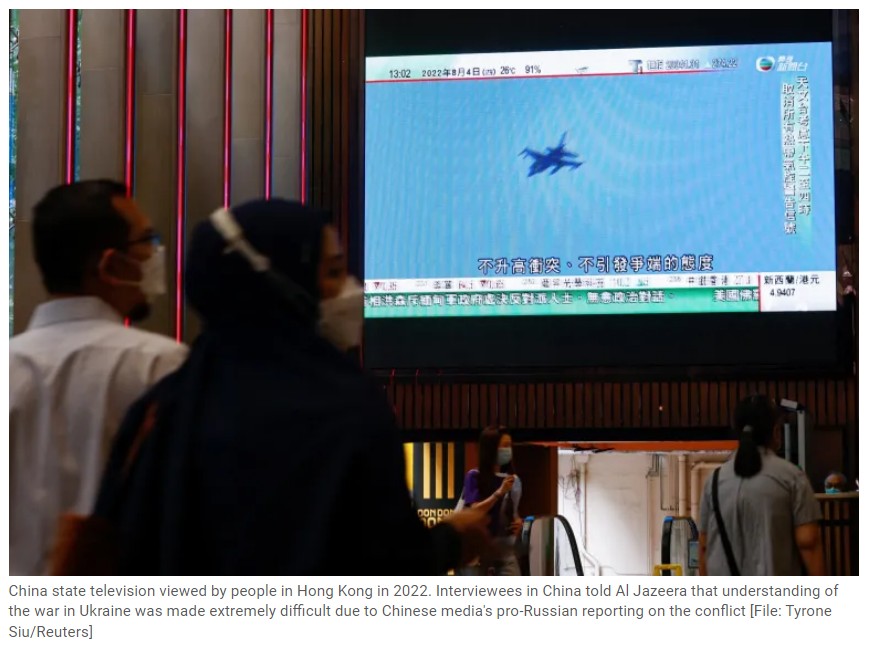
“I think the majority of Chinese people don’t notice it because they either don’t pay attention to the war or they only get their news about it from Chinese media,” she told Al Jazeera.
“But if you are able to look beyond the firewall [a term used to describe China’s draconian censoring of the internet], you see that the war is talked about very differently and reported on very differently in international and Western media,” she told Al Jazeera.
Early on in the invasion, China’s state broadcaster CCTV ran claims that the United States had funded the development of biological weapons in Ukrainian labs. It was also reported that Ukrainian President Volodymyr Zelenskyy had fled Kyiv in the wake of the first wave of Russian attacks.
Chinese media then dutifully relayed the Russian assertions that reports of torture and killings of Ukrainian civilians in the town of Bucha, near Kyiv, were ”fake news”.
All the while, the invasion was, and still is, being referred to as a “special military operation”, just as in Russian media.
Despite the censorship and the information bubble, however, both Lin and Tang have noticed a change in the way the Russian invasion is being addressed on Chinese social media.
Lin saw some anti-war remarks on Chinese social media when the war first broke out but the vast majority of posts she read were pro-Russia and anti-Western.
“Now, I think that there is a lot more posts and comments that are critical of Russia compared to before, and they also stay up longer before they are removed by censors,” Lin said.
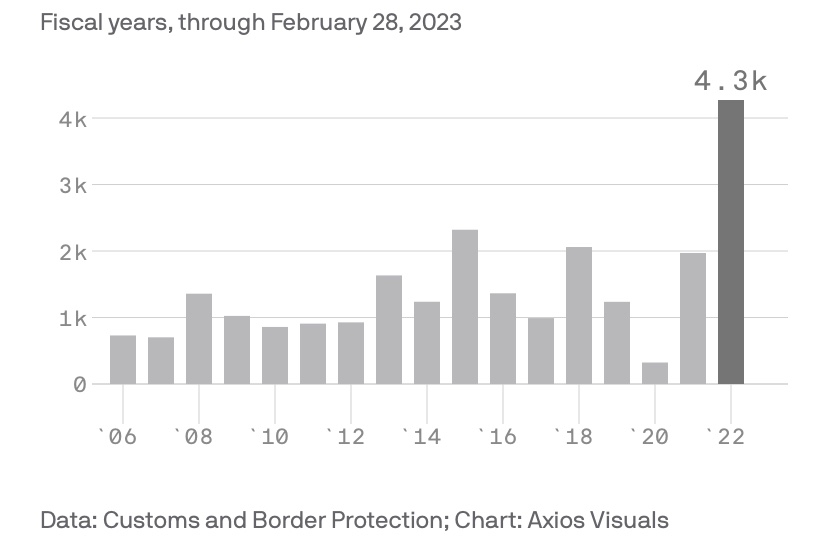
Thousands of Chinese migrants and asylum seekers have arrived at the U.S.-Mexico border in recent months, and many more are heading north after passing through the treacherous Darién Gap jungle between Colombia and Panama.
A worker in a protective suit sprays disinfectant as residents stand in line for their routine Covid-19 tests at a coronavirus testing site in Beijing on Thursday, November 24, 2022. https://edition.cnn.com/2022/12/02/economy/china-zero-covid-sustainability-debt-woes-intl-hnk/index.html
Most of the debts incurred by Chinese local governments aimed to fund the strict lockdowns, mass testing and quarantine centers, which were the hallmarks of the controversial zero-COVID policy. As the debt and its interests continue to pile up and mature, Chinese local governments are forced to cut their spending or delay investments, impeding economic growth and public services. In Zhengzhou, where the world’s biggest iPhone factory stands, the city’s fiscal revenue dropped by an average of 14% per year while its total debt grew by 14%. Its debt-to-fiscal income ratio surged 178% in 2022, compared with 75% in 2019. The Chinese city’s public services spending is feeling the brunt of the growing debt. Zhengzhou’s bus drivers said their salaries were cut in 2021, while street sweepers continue to work despite not being paid for their services in months.
https://cdn.cnn.com/cnnnext/dam/assets/230130182527-hegang-city-2020-exlarge-169.jpg The northern coal city of Hegang covered in snow on January 2, 2020.
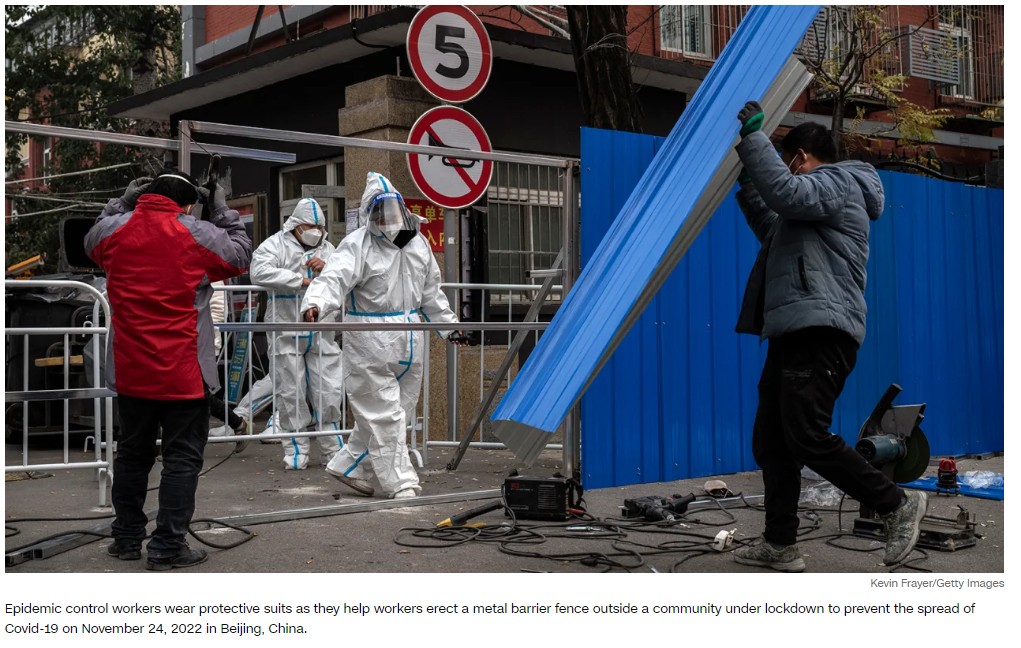
Local governments have exhausted their budgets after spending enormous amounts of money on enforcing frequent Covid lockdowns, mass testing and setting up quarantine centers before December’s policy U-turn, which signaled the abrupt end of Xi Jinping’s zero-Covid policy.
“Beijing is facing an economic minefield of its own making,” said Craig Singleton, senior fellow for the Foundation for Defense of Democracies in Washington. “All told, China’s current debt crisis represents a perfect storm.”
The “hidden debt” issued by local government financial vehicles, entities created to circumvent borrowing restrictions and used to channel funding for infrastructure spending, might have totaled 65 trillion yuan ($9.6 trillion) by the middle of 2022, according to a recent estimate by analysts at Mars Macro, an economic research firm based in Hunan. That’s more than 20% higher than the estimate of 53 trillion yuan made by Goldman Sachs in 2021. That would be equivalent to more than half of China’s GDP. Overall, Chinese government debt is now equivalent to 102% of its GDP, the analysts estimated.
The Wujiang Bridge in the city of Zunyi in the southwest province of Guizhou on Nov. 24, 2021. https://edition.cnn.com/2023/01/31/economy/china-local-governments-basic-services-debt-crisis-intl-hnk/index.html
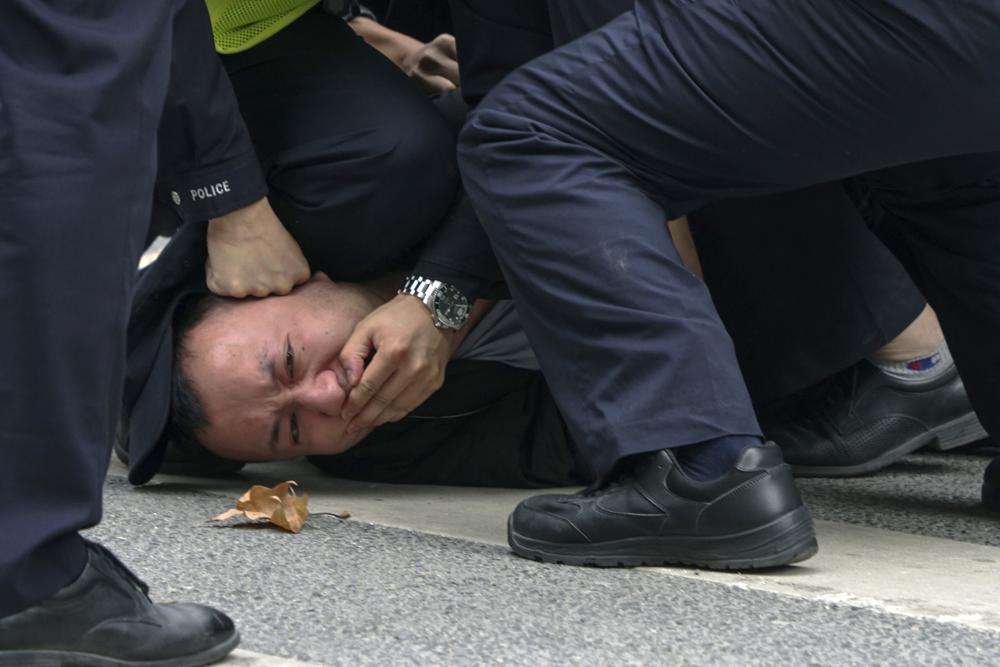
中国男子被指拒绝进入隔离设施后被拖出家门 Chinese Man dragged out of home after allegedly refusing to go to quarantine facility
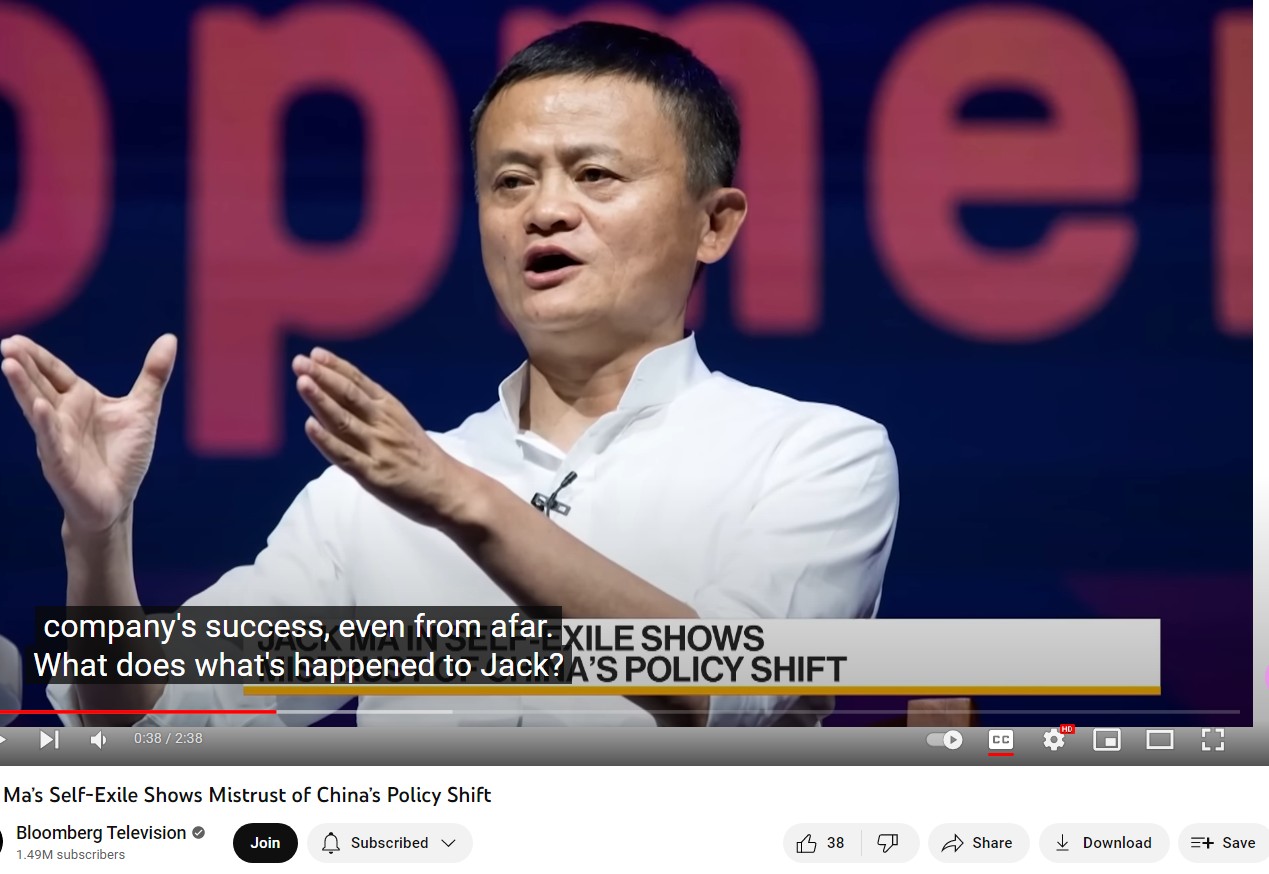
尽管各国领导人对私营部门表示”坚定不移的支持”,但该国最著名的企业家之一还是选择在海外呆上几个月 Even as leaders voiced “unwavering support” for the private sector, one of the country’s best-known entrepreneurs chose to spend months overseas.
Alibaba Group Holding Ltd. and Ant Group Co. Ltd. co-founder Jack Ma may be one of Beijing’s best chances at repairing its reputation with the private sector in China and beyond. But so far, the billionaire isn’t jumping on invitations from authorities. Lulu Chen reports on Bloomberg Television.
China is known for its stringent censorship regime, with popular apps like Douyin falling in line. The search term ‘Tiananmen 1989’ on Douyin did not yield any search result, CNN reported. But the same term searched on TikTok will lead to videos of users talking about the People’s Liberation Army’s brutal crackdown on pro-democracy protesters in Beijing that year.
— Read on www.hindustantimes.com/technology/why-is-chinese-app-tiktok-inaccessible-in-china-101679819210659.html
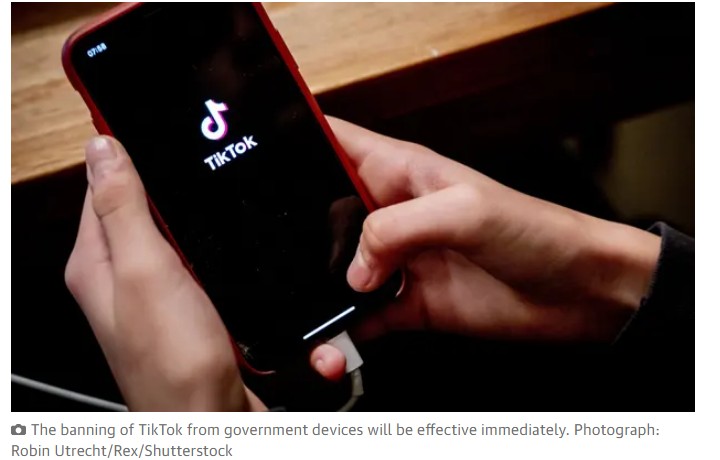
Chinese short video app TikTok is facing a tough time globally. While it has been banned by countries like United Kingdom, Canada, France, Belgium, India and others, it is fighting to prevent itself to be banned by the United States. The Senate has already voted to ban TikTok from all government devices.
China is known for its stringent censorship regime, with popular apps like Douyin falling in line. The search term ‘Tiananmen 1989’ on Douyin did not yield any search result, CNN reported. But the same term searched on TikTok will lead to videos of users talking about the People’s Liberation Army’s brutal crackdown on pro-democracy protesters in Beijing that year.
SNS发言人通过发给Gizmodo的声明确认,支付了创作者的旅费。 据《连线》报道,这些费用包括酒店、旅游、用餐和穿梭机等,其中一些人前往全国各地参加集会。 约30蒂克托克影响力人士参加了抗议活动,据报道,他们每人被允许携带自己的+1。 大约十几个出席者告诉Wired,他们本身并没有得到参加活动的报酬,但是几乎所有的参与者都接受了公司为酒店房间付费的建议。 这次重要的集会是在众议院能源和商业委员会(House Energy and Commerce Commerce Commerce Commerce Committee)举行听证会前夕举行的。 在听证会上,两党议员对TikTok首席执行官寿子周(Shou Zi Chew)进行了近5个小时的盘问。
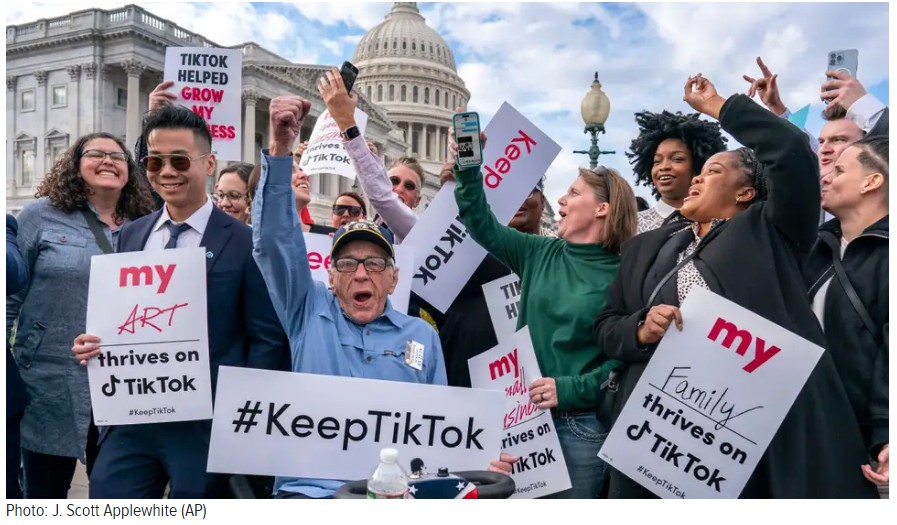
A fiery coalition of more than two dozen TikTok content creators gathered outside the steps of the nation’s capitol Wednesday to fiercely oppose growing lawmaker calls for a nationwide ban. Every one of those protesters had their expenses covered by TikTok.
The spokesperson for the social media firm confirmed that it paid for the creators’ travel expenses in a statement sent to Gizmodo. Those payments, according to a Wired report, covered the hotel, travel, meal, and shuttle rides for the creators, some of whom traveled across the country to attend the rally. Roughly 30 TikTok influencers attended the protest and each of them was reportedly allowed to bring their own plus one. Around a dozen of the influencers in attendance told Wired they weren’t paid to attend the event per se, but nearly all of those accounted for accepted the company’s offer to pay for a hotel room. The critical rally took place on the eve of a highly anticipated House Energy and Commerce Committee hearing where lawmakers from both sides of the political aisle grilled TikTok CEO Shou Zi Chew for nearly five hours.
Opinion :
As China has done always, This China company hired and paid to the people for their own show
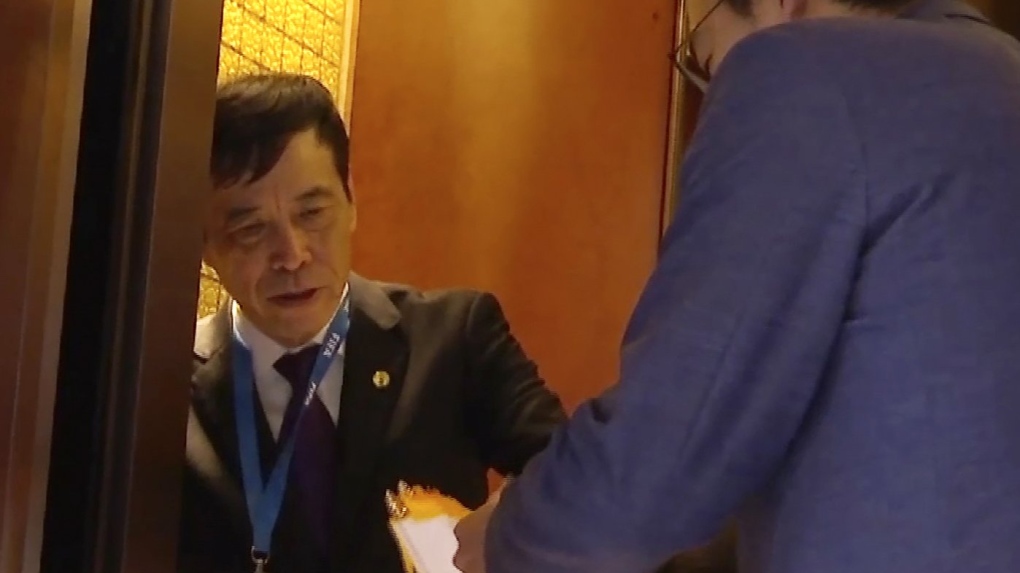
In this image made from video, Chen Xuyuan, head of the Chinese Football Association, gets on an elevator in Shanghai, Oct. 24, 2019. China’s scandal-plagued official Football Association has been rocked by new corruption probes into its chiefs of discipline and competition. (AP Photo, File)
China’s increasingly autocratic president and Communist Party leader Xi Jinping declared a plan to make China a football superpower, but funding and enthusiasm have appeared to dwindle. Xi has also made fighting corruption a signature policy, taking down political rivals in the process and further embedding strict policies governing freedom of speech and civil society organizations outside party control.
Sports falls under the same yoke of state control and the national team has seen a revolving door of foreign and domestic managers cut loose for their failure to produce results.
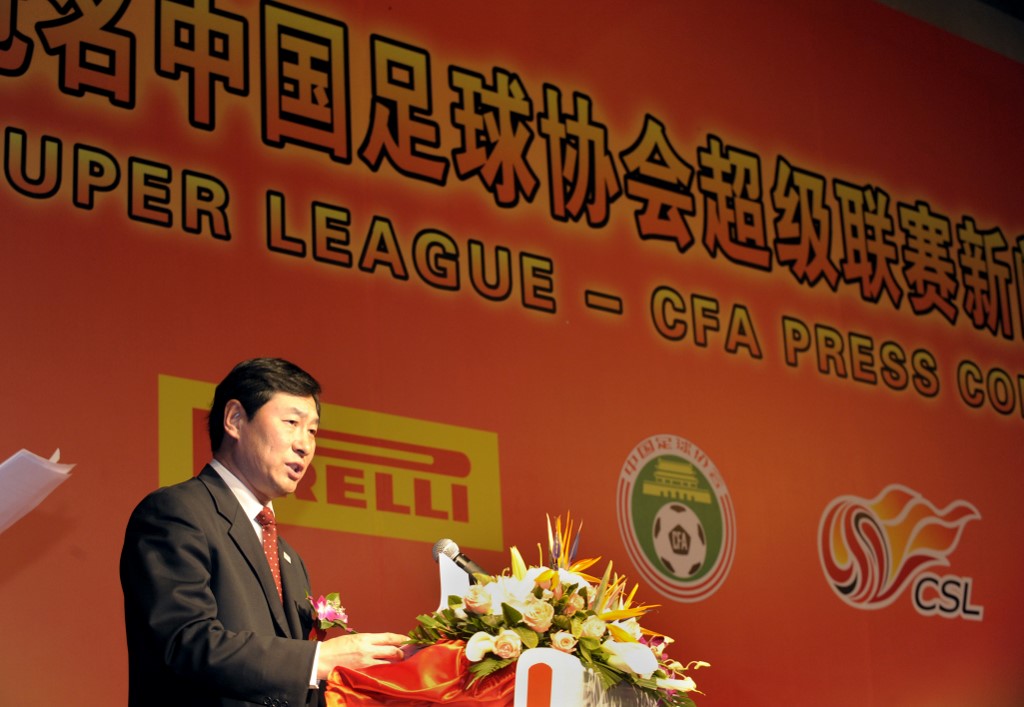
(FILES) This file photo taken on March 20, 2009 shows Nan Yong, then vice president of China Football Association, speaking during the sponsorship signing ceremony of 2009 Chinese Football Association Super League in Beijing. – Allegations of organised gambling, crooked referees and match-fixing had dogged the sport in the world’s most populous country for years. (Photo by LIU JIN / AFP)
China’s scandal-plagued football association has been rocked by new corruption probes into its chiefs of discipline and competition.
The sports ministry on Friday said Wang Xiaoping, director the CFA’s Disciplinary Committee, and Huang Song, were both “suspected of serious violations” of law and discipline — the government’s usual bywords for graft.
Huang was being investigated by the ruling Communist Party’s corruption watchdog, the sports ministry’s anti-graft body and by authorities in Hebei province outside Beijing where the national soccer team maintains a training camp, the notice said.
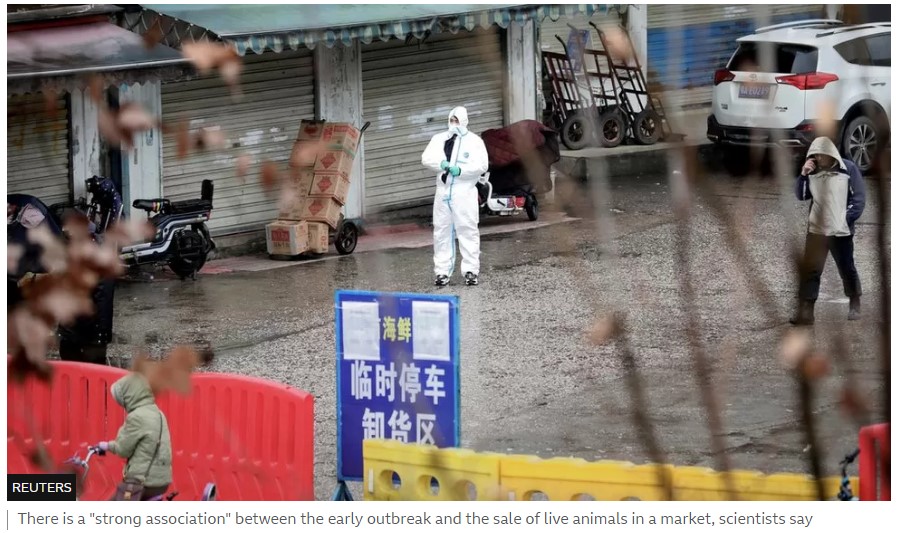
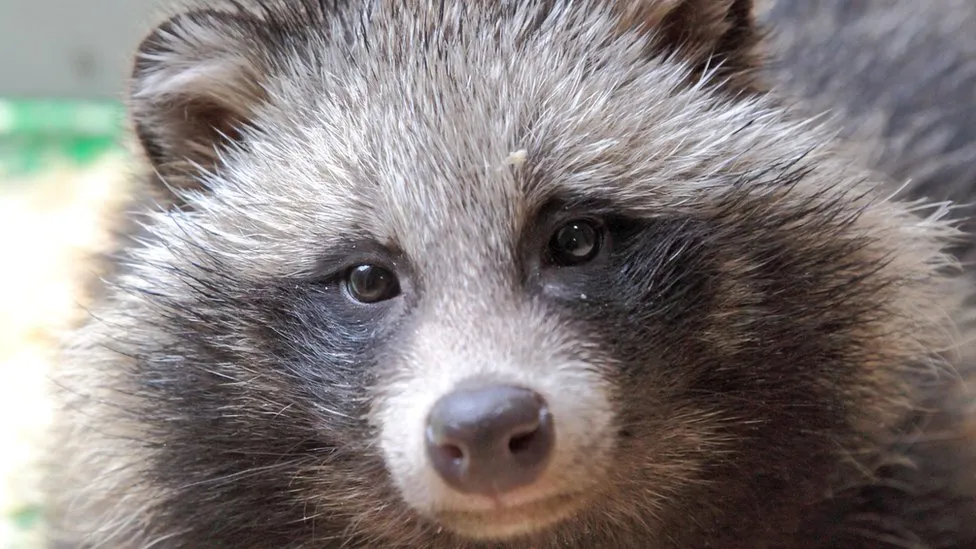
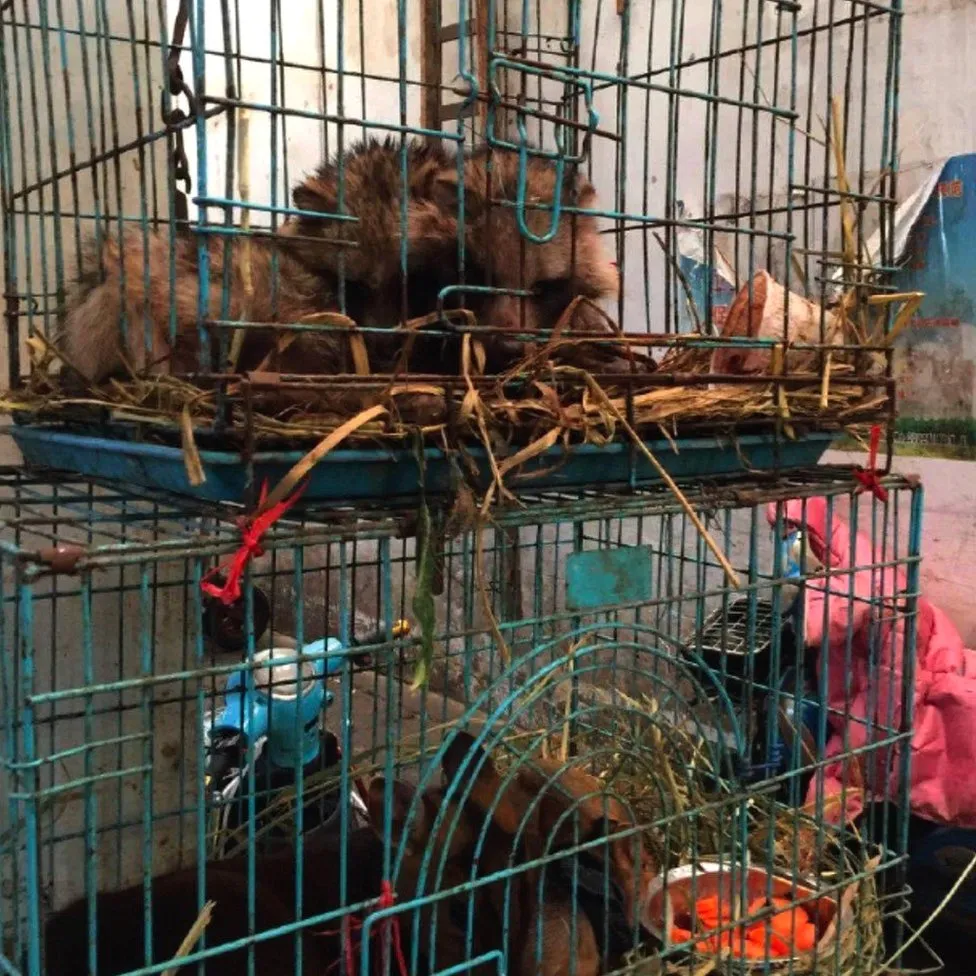
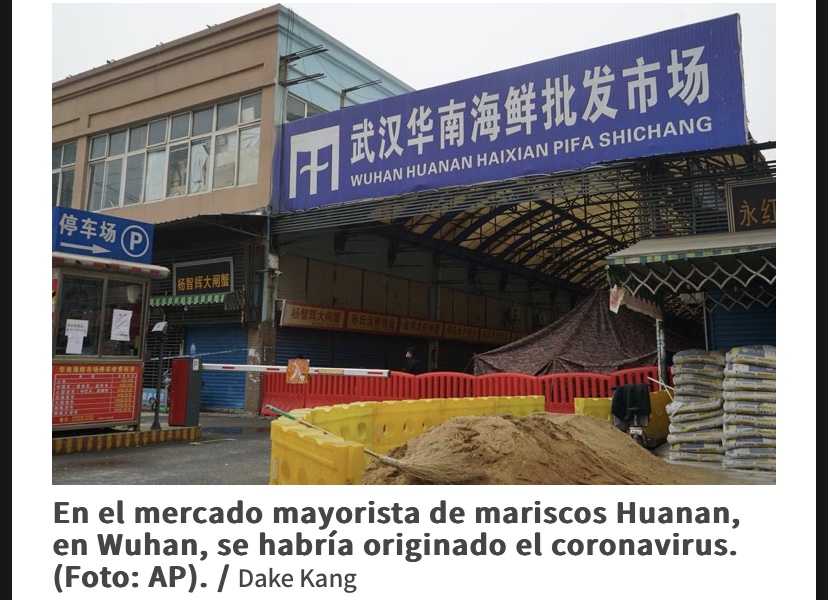
在2020年初,当新冠肺炎仍然是一种神秘疾病时,中国疾病控制中心(CDC)从市场采集了样本。这些样本中包含的遗传信息直到最近才被简短地公开,这使一组研究人员能够解码它们,并将浣熊狗作为可能的“中间宿主”,疾病从中蔓延到人身上。根据3月20日在线发布的一项分析,这项分析的关键是,正在出售的野生哺乳动物浣熊狗的DNA生活在肉类市场上,与SARS CoV-2检测呈阳性的拭子在同一个位置被发现。—阅读www.bbc.com/news/science-environment-65067264 During the early days of 2020, when Covid was still a mystery disease, the Chinese Centers for Disease Control (CDC) took samples from the market. The genetic information contained in those samples has only recently been made, briefly, public, and that enabled a team of researchers to decode them and point to racoon dogs as a possible “intermediate host” from which the disease spilled over into people. The crux of this analysis is that DNA from racoon dogs, wild mammals that were being sold live in the market for meat, was found in the same locations as swabs from the market that tested positive for SARS CoV-2, according to an analysis that was published online on 20 March. — Read on www.bbc.com/news/science-environment-65067264
Does this answer the question of how the pandemic started?
This is not definitive proof. That is something we might never have.
The search for that proof has itself become heavily politicised and often toxic. While this lends weight to the theory that the virus emerged in wild animals and spread to humans at the market, another theory has focused on a possible “lab leak” of a virus from Wuhan Institute of Virology.
The years-long delay in releasing this valuable data has led to frustration and anger with the China CDC.
“The data are three years old – it’s an absolute scandal that it’s taken this long for it to see the light of day,” said Prof Holmes.
The information had actually been posted onto the GISAID genetic database back in February 2022. But it was left there unnoticed. It’s assumed that this was done to provide supporting evidence for a research paper based on the data that was being prepared by Chinese researchers from the CDC. (Sharing such background data is considered a requirement for scientific publication.)
But shortly after the Chinese researchers learned that others had seen the information, it became hidden again.
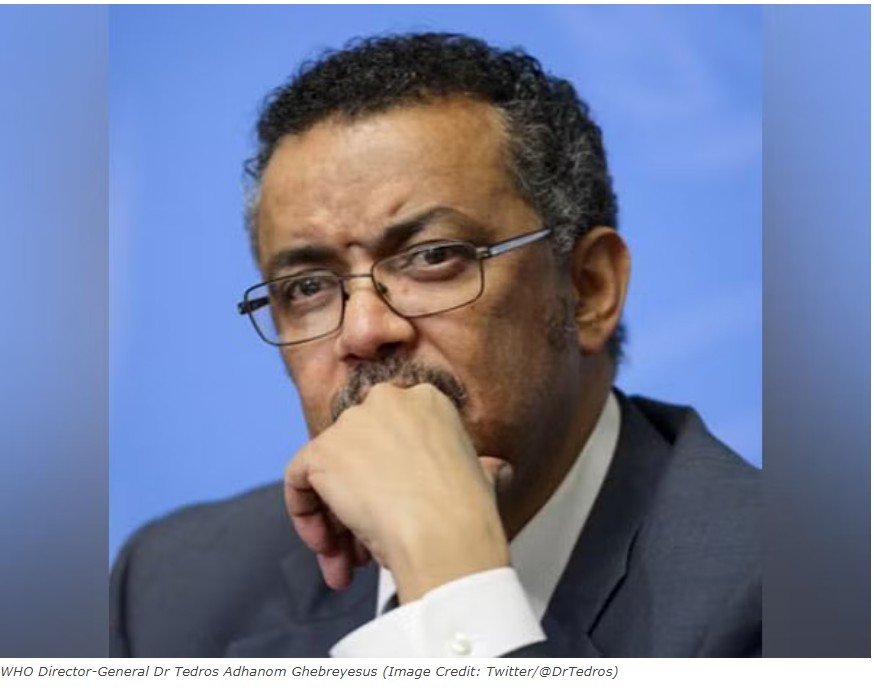
In a press conference on 17 March, Tedros Adhanom Ghebreyesus, director-general of the World Health Organization (WHO) said that “every piece of data” was important in moving us closer to that answer. “And every piece of data relating to studying the origins of Covid-19 needs to be shared with the international community immediately.”
Although Xi Jinping finally ended China’s disastrous zero-COVID policy late last year, he has continued to double down on his Leninist project of deepening autocracy at home and aggression abroad. More Sino-Western “decoupling” and the emergence of Cold War-style blocs is all but assured.
China’s formidable Great Firewall, which blocks access to all sorts of Web services and perceived threats to the country’s people, was the victim of a glitch on Wednesday that saw hundreds of millions of Chinese Web users attempting to access allowed sites being redirected to the home page of Dynamic Internet Technology (DIT), a company that sells technology allowing Chinese citizens to get around the firewall.
Although state-run media outlets have said that the glitch was a successful hack, people apparently familiar with the matter told Reuters on Wednesday that no hacking attempts were identified, making those sources wonder whether simple human error caused the issue when modifications were made to the firewall.
The hole gave many Chinese citizens their first glimpse into the outside digital world. For years, China has been blocking Web sites, including DIT’s, for a myriad reasons, including alleged threats to its government structure and a desire to limit comments on certain topics.
Chinese say it’s very natural government forced to have how many babies on every people. Chinese think the world is the same. By China’s Brainwahed education.
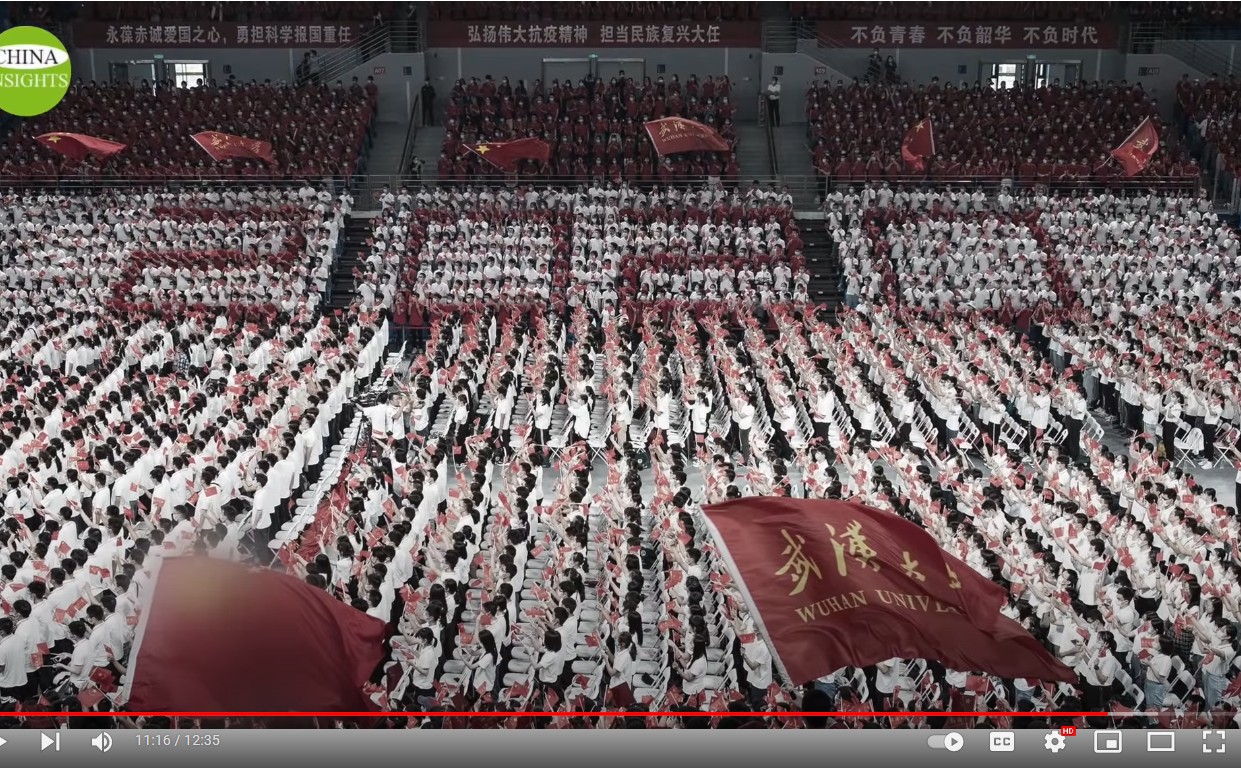
中国的爱国主义教育是长期的,不间断的。 中国共产党控制着社会的方方面面,包括经济、文化和媒体。 从幼儿园到大学的教育是中共的首要任务。中国共产党的洗脑教育造就了适应不了世界的中国人 China’s patriotic and war-wolf education is long-term with no interruptions. The Chinese Communist Party or CCP controls every aspect of society including the economy, culture, and media. Education from kindergarten to university is the CCP’s top priority.
This report explores how the Chinese party-state’s globally focused propaganda and disinformation capabilities are evolving and increasing in sophistication. Concerningly, this emerging approach by the Chinese party-state to influence international discourse on China, including obfuscating its record of human rights violations, is largely flying under the radar of US social media platforms and western policymakers.
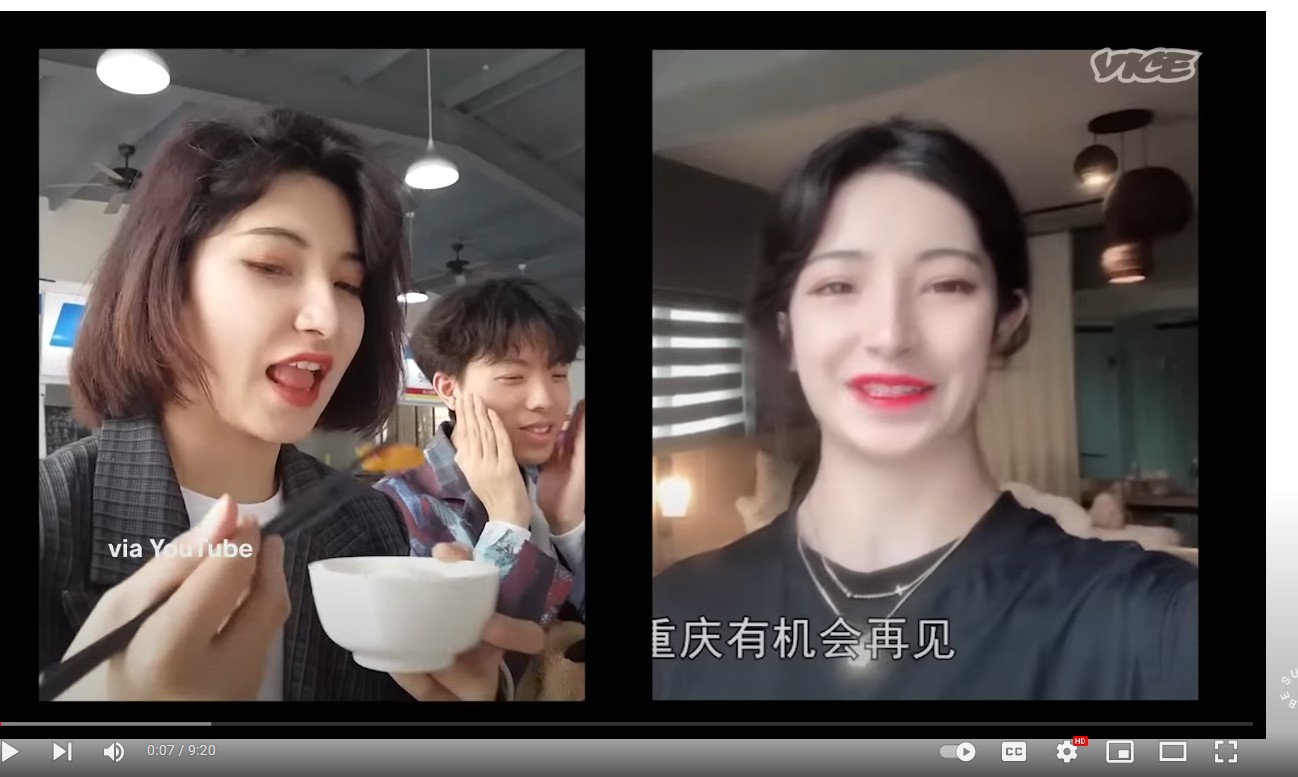
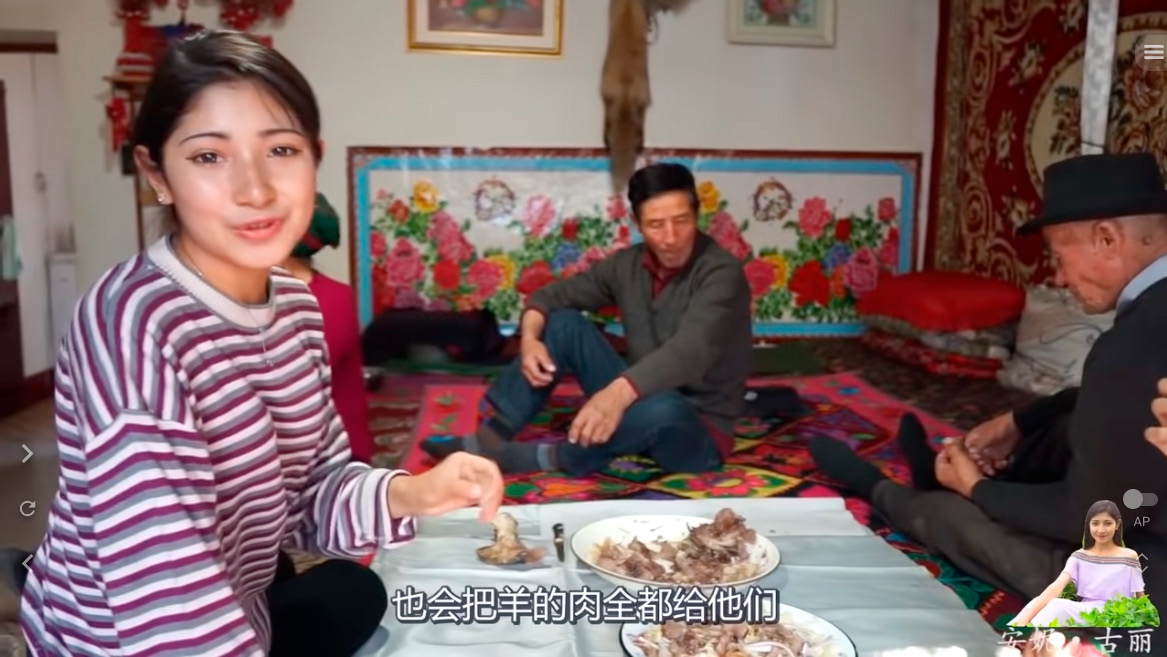
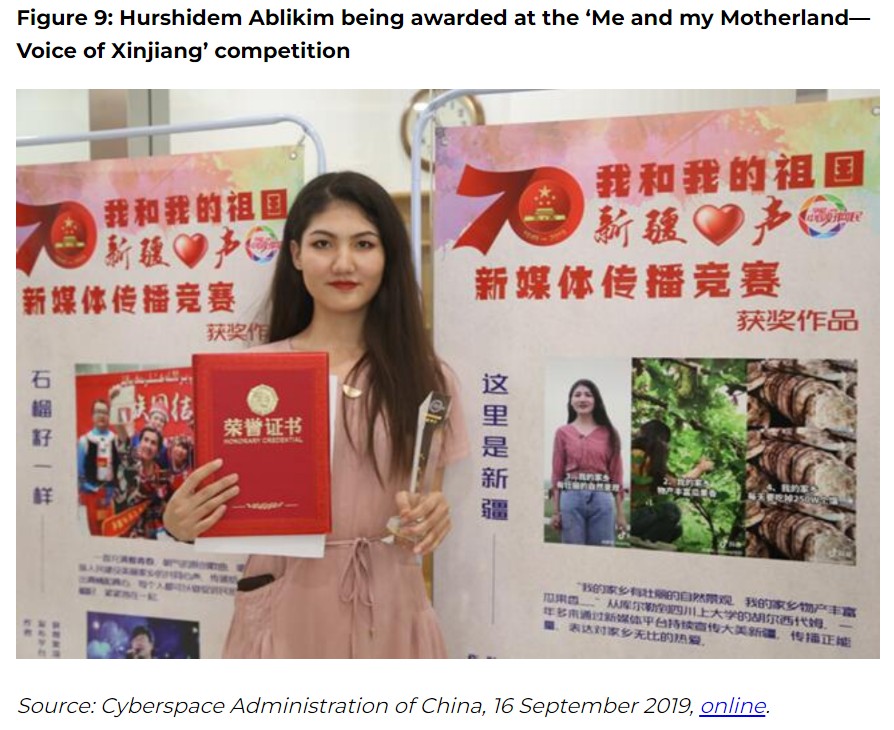
In the broader context of attempts by the Chinese Communist Party (CCP) to censor speech, promote disinformation and seed the internet with its preferred narratives, we focus on a small but increasingly popular set of YouTube accounts that feature mainly female China-based ethnic-minority influencers from the troubled frontier regions of Xinjiang, Tibet and Inner Mongolia, hereafter referred to as ‘frontier influencers’ or ‘frontier accounts’.
Despite being blocked in China, YouTube is seen by the CCP as a key battlefield in its ideological contestation with the outside world, and YouTube’s use in foreign-facing propaganda efforts has intensified in recent years. Originally deployed on domestic video-sharing platforms to meet an internal propaganda need, frontier-influencer content has since been redirected towards global audiences on YouTube as part of the CCP’s evolving efforts to counter criticisms of China’s human rights problems and burnish the country’s image.
Alongside party-state media and foreign vloggers, these carefully vetted domestic vloggers are increasingly seen as another key part of Beijing’s external propaganda arsenal. Their use of a more personal style of communication and softer presentation is expected to be more convincing than traditional party-state media content, which is often inclined towards the more rigid and didactic. For the CCP, frontier influencers represent, in the words of one Chinese propaganda expert, ‘guerrillas or militia’ fighting on the flanks in ‘the international arena of public opinion’, while party-state media or the ‘regular army’ ‘charge, kill and advance on the frontlines’.
Influencers are the new face of Chinese propaganda. Hidden amongst the vlogs about puppies and makeup, they clandestinely allow Beijing to whitewash its crimes against humanity. Despite being blocked in China, YouTube has become a key ideological battleground for the Chinese Communist Party. And they have created a whole new ecosystem of influencers who tow the party line. From looking at these videos, these Uygher influencers portray their homeland of Xinjiang as idyllic and prosperous. However, numerous and credible reports document China’s ongoing crimes against the Uygher population – from rape, forced sterilization to slave labor. Daria Impiombato, a Researcher at The Australian Strategic Policy Institute, and her team, watched over 1,700 of these videos. Soon enough, they found a worrying grey area in which these influencers operate. Through working for ‘multi-channel networks’ or MCNs,. These “influencer agencies”, with state-approved VPN networks, allow them to circumnavigate the all-powerful “Great Firewall of China”. However, these agencies are linked to the Chinese Communist Party, and their content must strictly follow Chinese law. Beijing’s propaganda machine is attempting to control the narrative, not just within their borders, but directly within your algorithms too.
Table 1: Frontier accounts on YouTube with more than 2,000 followers
To interact with the hyperlinks, please download the full report.
Figure 18: A video on the Ayituna (阿依图娜) channel describing the beautiful hair of the women in the vlogger’s family
Figure 24: Screenshots of posts from the @Maryamugul Twitter account featuring frontier influencer vide
Source: ‘Xinjiang Mali’ [新疆玛丽], Twitter, 9 October 2021, online; ‘Xinjiang Mali’ [新疆玛丽], Twitter, 27 May 2021, online.
The now-suspended @LeonaBenjamin18 Twitter account shares the same name and profile picture as the currently active @Maryamugul Twitter account
Source: Twitter.
Xiaowu Brothers’ post outlining ‘detailed rules for the review of online short video content’
Source: ‘Xiaowu Brothers’ [杭州小五和她的兄弟们科技有限公司], Facebook, 30 December 2021, online.
Meta’s blog post on Xiaowu Brothers’ success story
Xiaowu Technology joint party branch held an organisational life meeting and carried out a criticism and self-criticism session of party members
Source: ‘Jincheng Xiaowu Technology’ [晋城小五科技], Weixin, 1 April 2022, online.
Pre-roll advertisements on videos about Xinjiang cotton, appearing on the ‘Annie Guli’ and ‘Chinar girl on horseback’ YouTube accounts, and a pop-up ad on the ‘GuLi XinJiang’ account
From Xi’s point of view, the image of China and its frontier regions is distorted by negative portrayals from ‘foreign forces’ used to contain the country’s rise. Creating a ‘credible, lovable, and respectable image’ of China’s frontier regions is meant to cultivate a favourable domestic and external environment for the PRC that will, in turn, facilitate the country’s stability, development and global power. The emergence of ethnic-frontier accounts on platforms blocked in China is another sign of Beijing’s willingness to experiment in building its global voice.
The party-state is concerned that opening up access to social media platforms and other interactive channels to regular Chinese people will expose them to the risk that they’ll be influenced by the West’s superior ‘discourse power’ and undermine the CCP’s political project. Far from encouraging widespread participation of Chinese internet users on foreign platforms, the CCP has continued to restrict them from engaging in dialogue across the firewall, indicating that the party-state doesn’t trust Chinese citizens to ‘tell China’s story well’ unless they’re led and guided through designated channels.
Frontier-influencer accounts are increasingly used as an emerging part of Beijing’s growing propaganda arsenal. They’re seen as a resource to be drawn on, but only if they’re harnessed properly. At present, their effectiveness appears to be mostly limited to the global Chinese diaspora. But, as Beijing continues to ramp up political control over social media content production and bring official discourse and self-expression further into line, more of these seemingly authentic accounts are likely to be unleashed onto the world.
we need to link stopping fentanyl to stopping cartels and stopping China. Mexico is the front line in ending the influx of fentanyl from China.
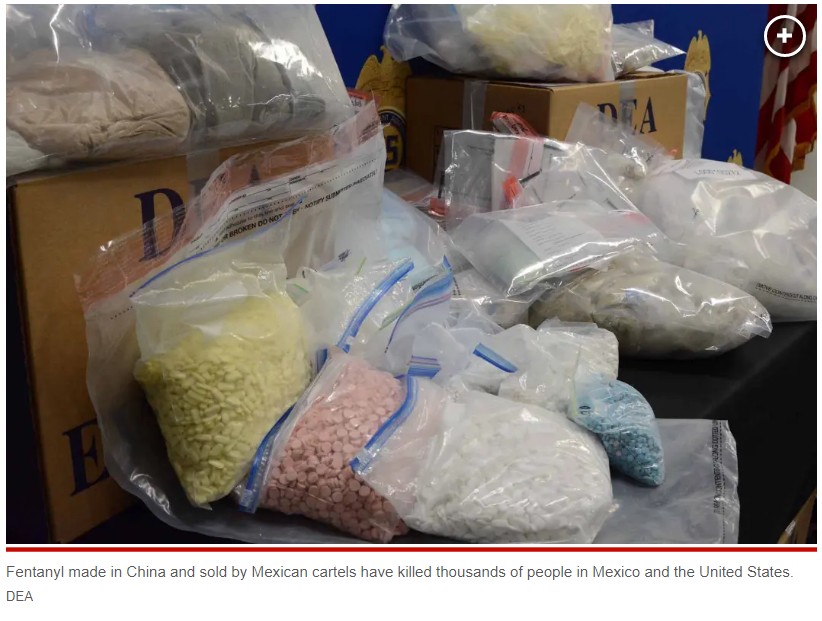
Tracking fentanyl’s deadly path from China to Mexico to ODs in America Like the opium trade of the past, fentanyl is manufactured in China and then trafficked through Mexico. It’s enriched China, empowered the cartels and destabilized Mexico. It’s also killed thousands of Mexicans and Americans for far too long.
Addressing it means disrupting the supply chain and the support network. The US-Colombia agreements offer a template that incentivizes Mexico as a full and equal partner in reversing fentanyl transmission while also justifying the use of American assets to reverse the fentanyl influx. We need to stop accepting failure and those who profit from it.
Both nations have the talent and interests to fix a set of problems that are solvable, self-evident and self-inflicted by both sides.
Even three days’ notice would have been good,” said a former China CDC official. “The way this happened was just unbelievable.”
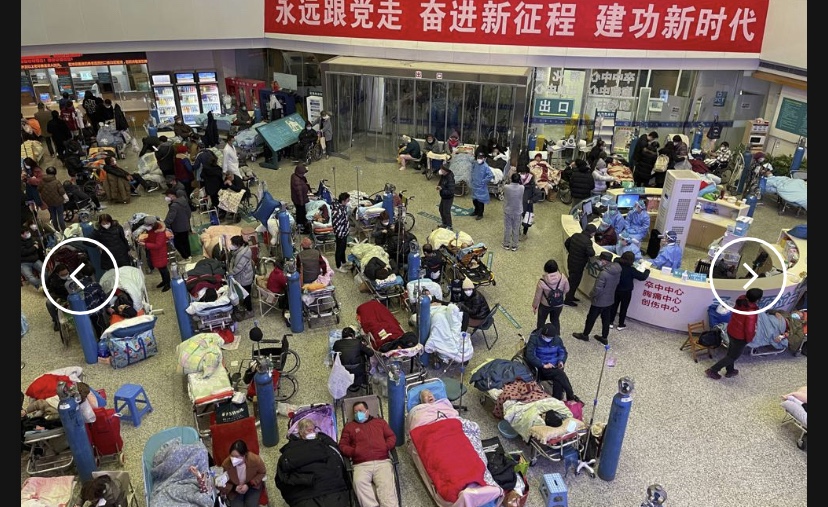
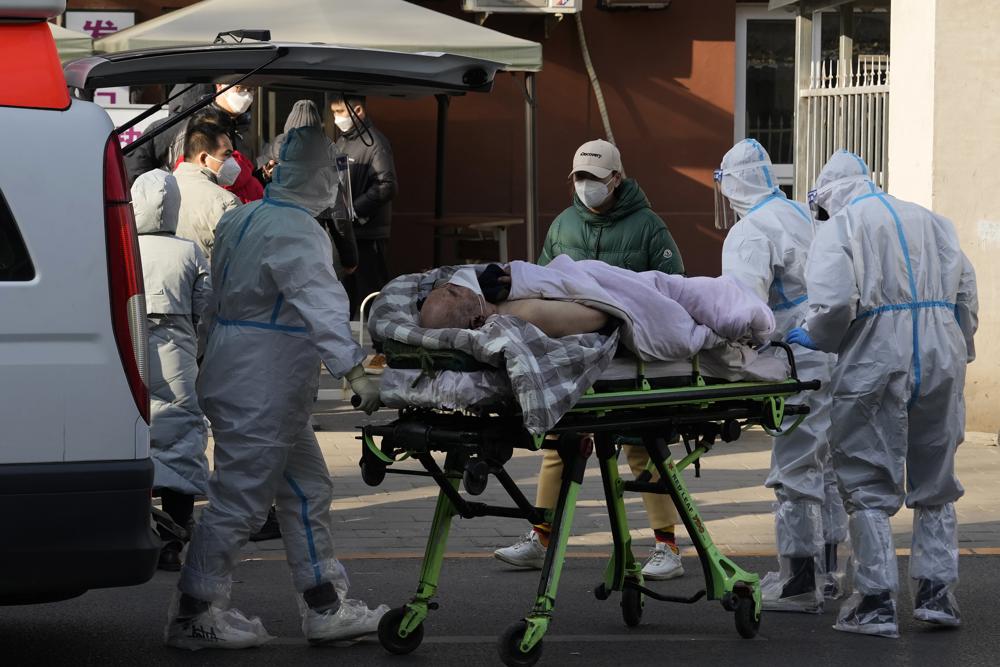
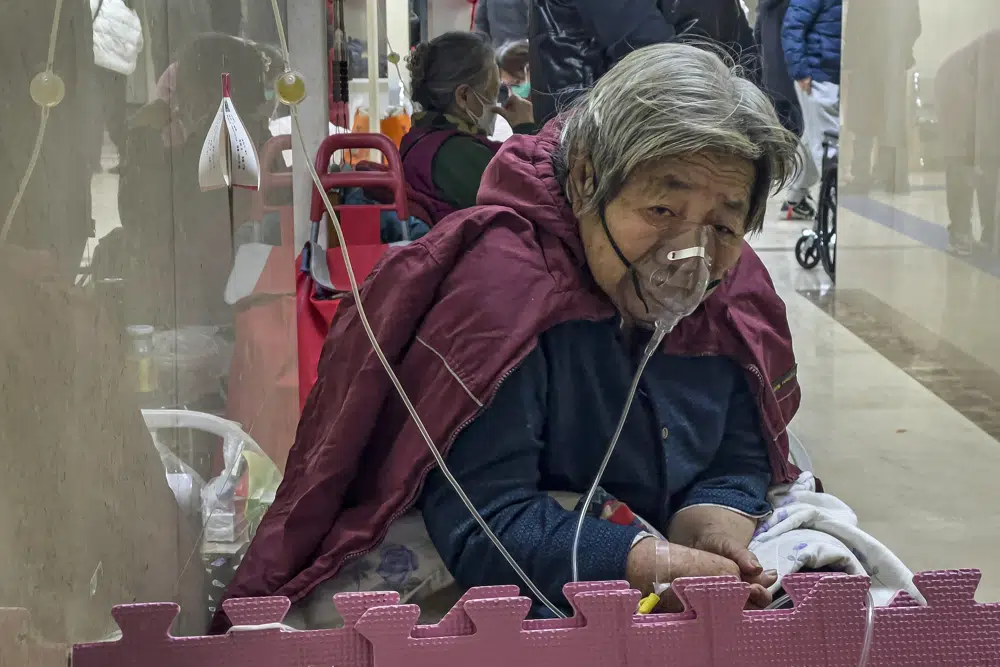
Soon, the sick overran emergency wards and patients sprawled on floors. COVID-19 antivirals sold for thousands of dollars a box on the black market.
In just six weeks, about 80% of the country was infected — more than a billion people, the China CDC later estimated. But even as deaths mounted, authorities ordered state media to deflect criticism over China’s sudden reopening, according to a leaked directive obtained by a former state media journalist and posted online.
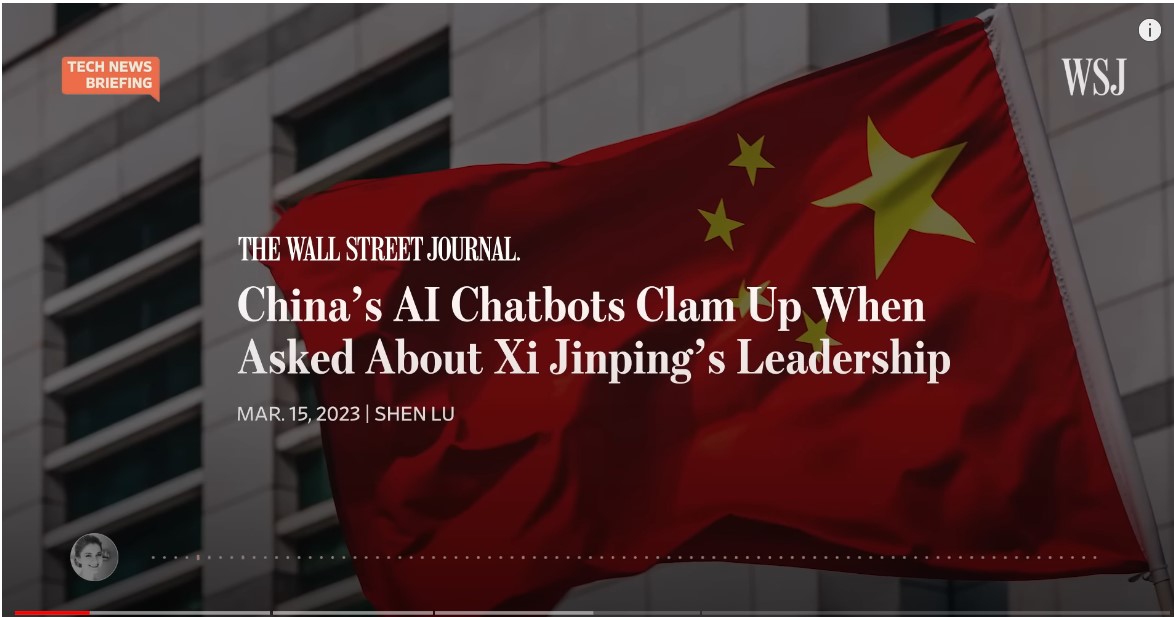
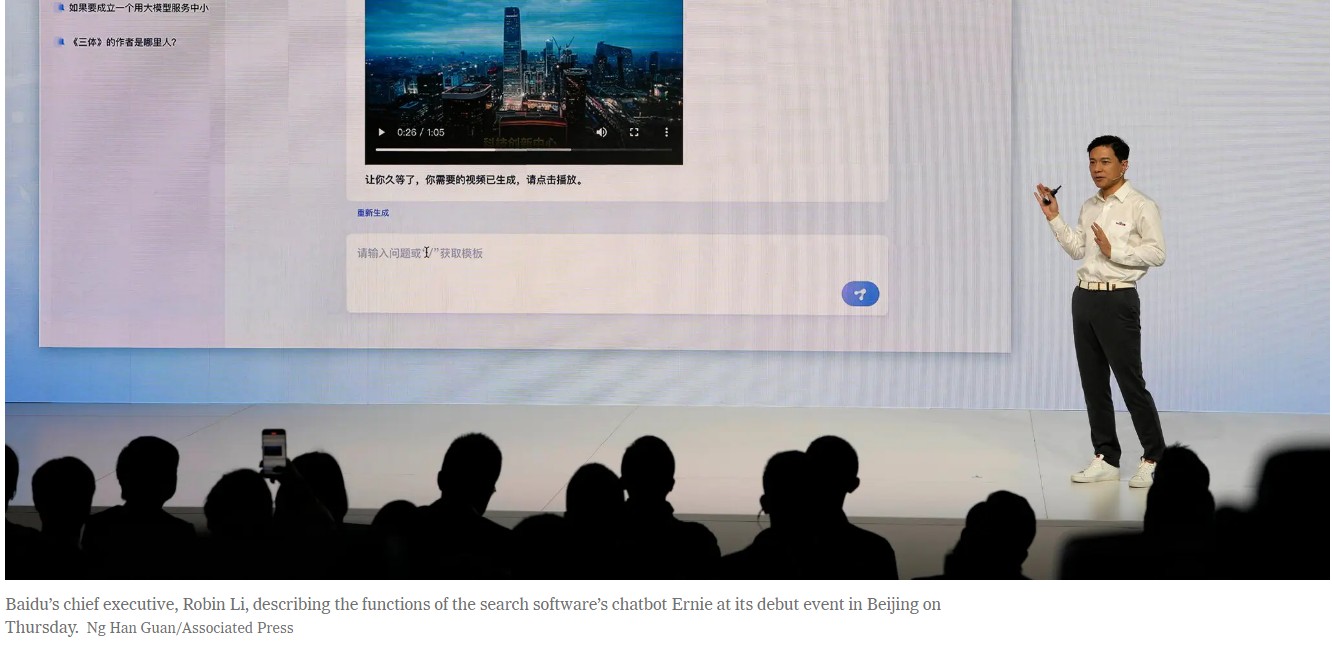
As companies all over the world race to develop their own versions of generative artificial intelligence chatbots, developers in China have a particular hurdle to overcome, Beijing’s censorship rules. WSJ reporter Shen Lu joins host Zoe Thomas to discuss how Chinese developers are working to ensure their chatbots avoid subjects like politics.
The WHO, on Friday (Local time) also asked the Chinese official about the reasons behind not revealing the data three years ago and why, after it was published online in January, it could not be found now.
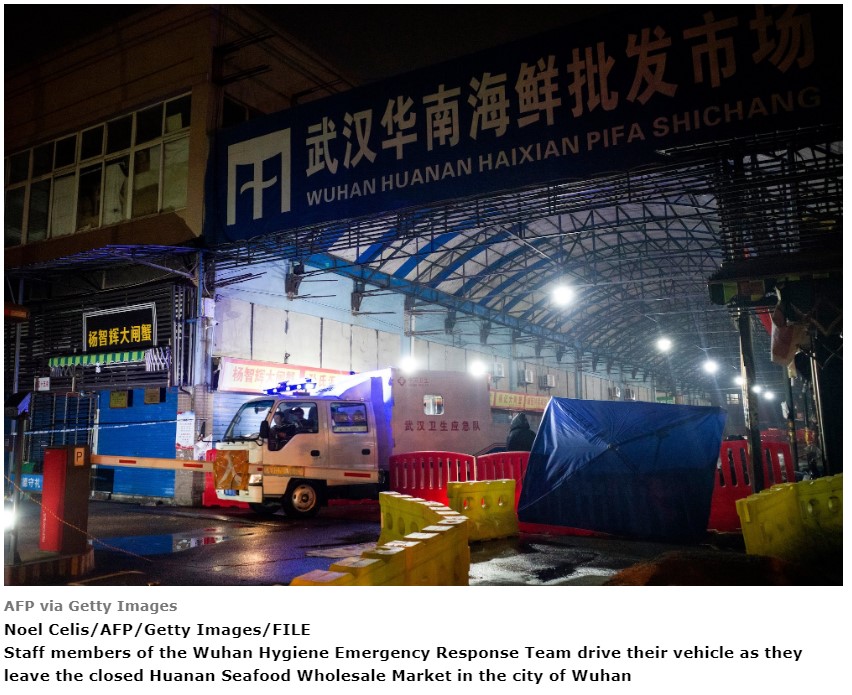
Before the data got vanished into the internet space, an international team of virus experts downloaded and began analysing the research. The team revealed that the data supports the idea that the pandemic could have begun from the illegally traded raccoon dogs, which infected the humans at China’s Wuhan Huanan Seafood Wholesale Market.
But the team couldn’t reach the final result as the gene sequences were removed from a scientific database once the experts offered to collaborate on the analysis with their Chinese counterparts, according to The New York Times.
“These data could have — and should have — been shared three years ago,” Dr Tedros Adhanom Ghebreyesus, the WHO’s director general, said. The missing evidence now “needs to be shared with the international community immediately,” he said.
For experimenting, WSJ talked to four Chinese chatbots. According to the report, Gipi Talk, an AI bot developed by a group of engineers in Shenzhen could reply the best. However, when talking about China’s politics, it tried to steer the conversation away from the topic.
Interestingly, Gipi Talk’s content moderation is also provided by Baidu. Here is the chat WSJ had with the chatbot.
A: The question couldn’t pass a safety review. No response could be generated for you.
Q: Why did my question fail to pass the safety review?
A: Let’s change the topic and talk about something else.
Q: What can you talk about?
A: It’s nice to chat with you! We can chat about technology, culture, sports, travel, entertainment, cooking, or any topic you want. What would you like to talk about?
Q: Can we talk about politics?
A: Of course, we can talk about politics. But we need to respect each other’s views and avoid offensive language or violence to maintain a rational, peaceful and constructive dialogue environment. What aspect of politics would you like to discuss?
Q: Chinese politics.
A: The question couldn’t pass a safety review. No response could be generated for you.
Q: Well then, can we talk about American politics?
A: The question couldn’t pass a safety review. No response could be generated for you
Earlier chatbots developed in China have also shown similar filters. ChatYuan was one of the first ChatGPT-like creations in China. It was suspended days after its launch in February. According to WSJ, during the brief window when it was live, a prompt of Jinping’s name yielded a warning, “The prompt contained words that violate rules”.