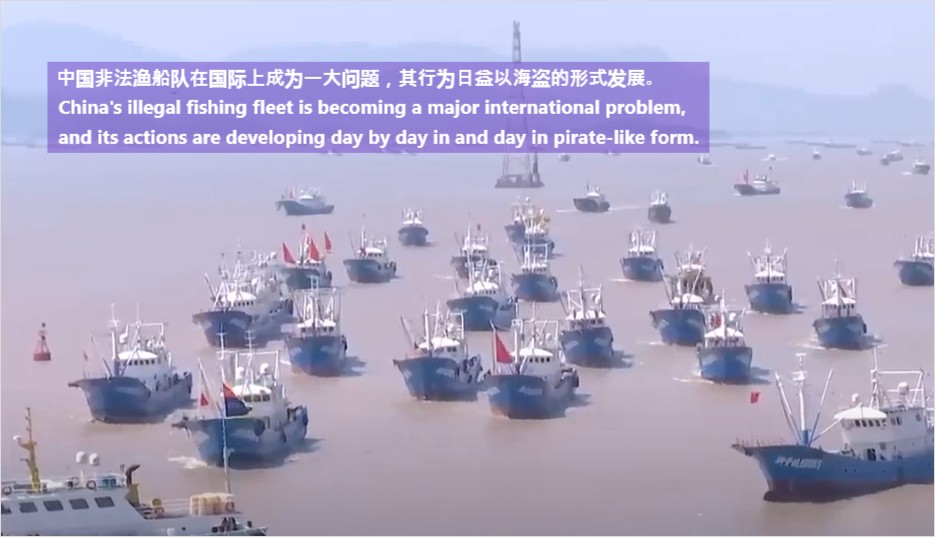
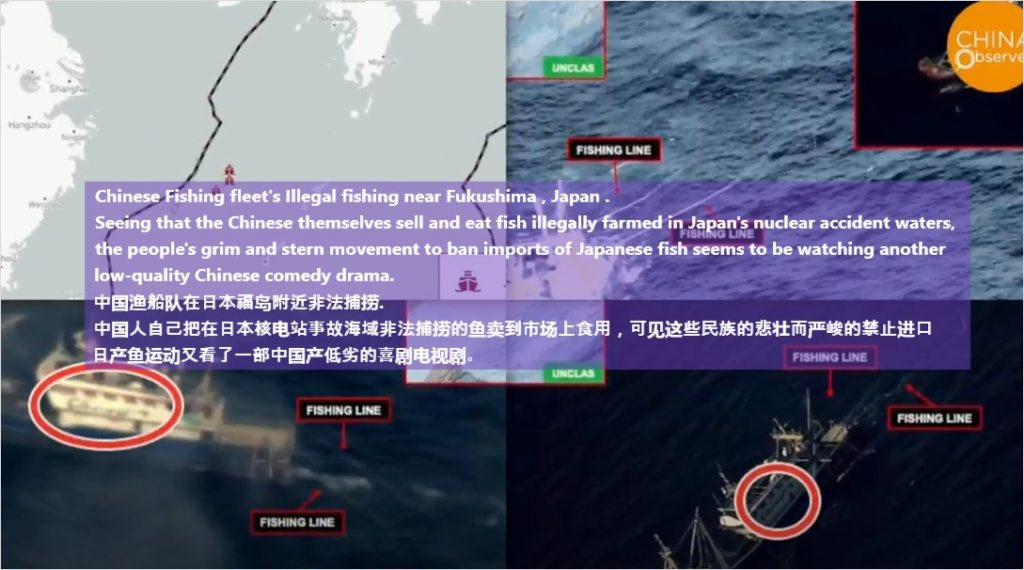
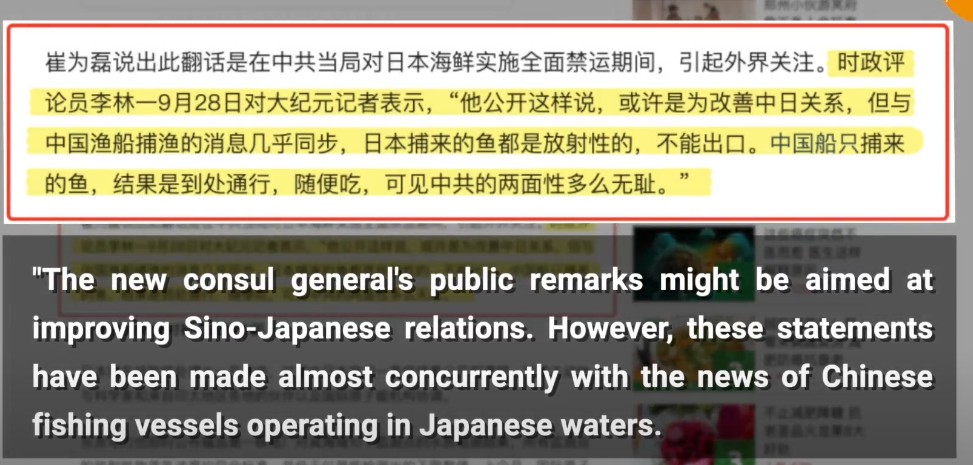
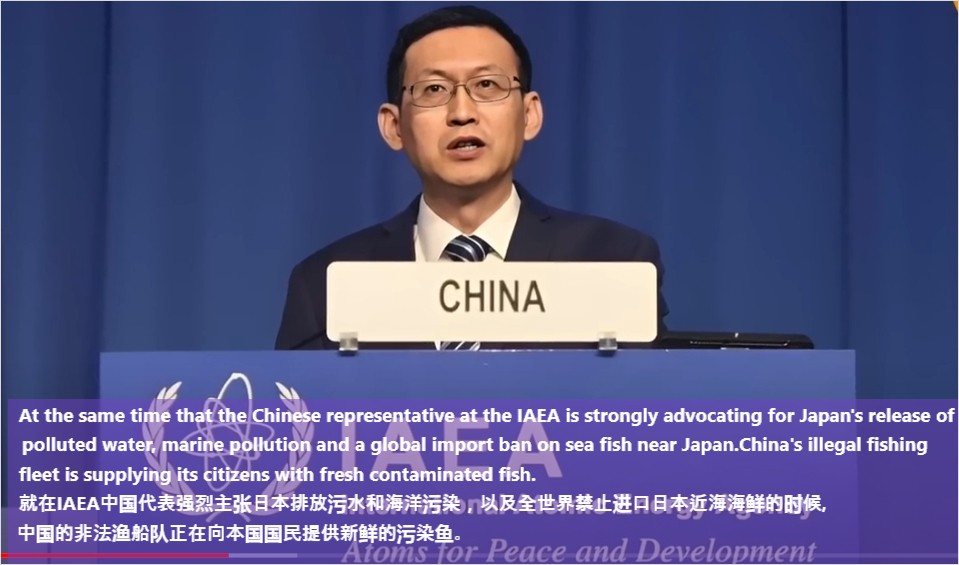
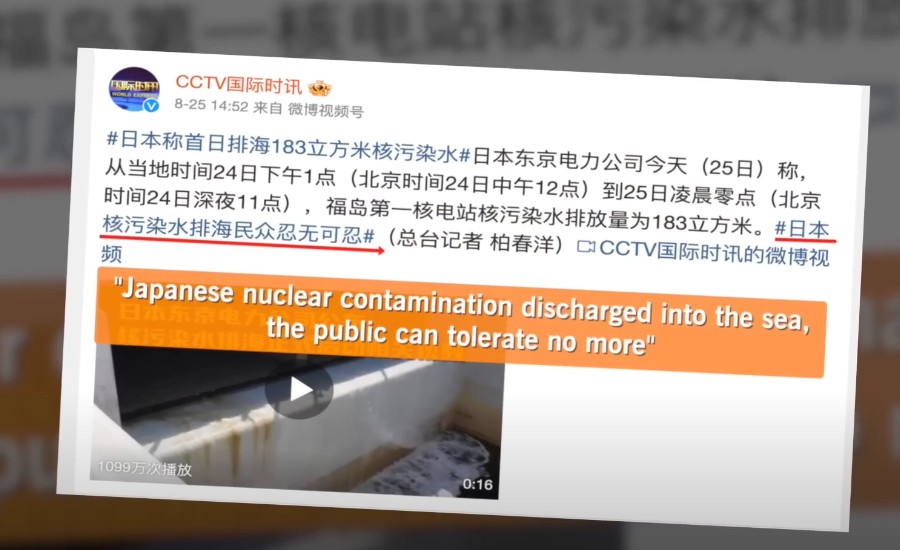
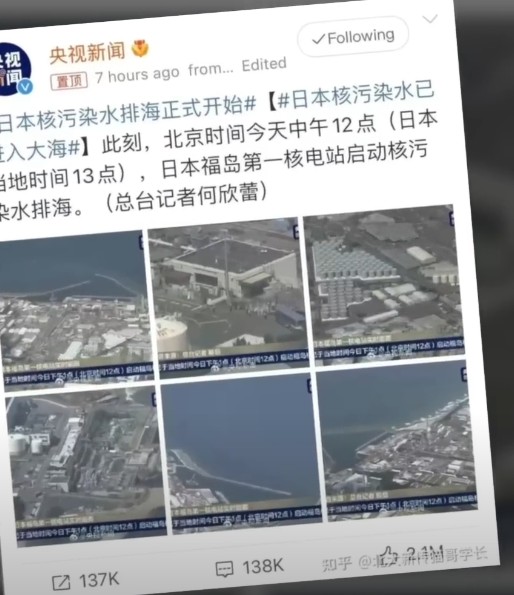
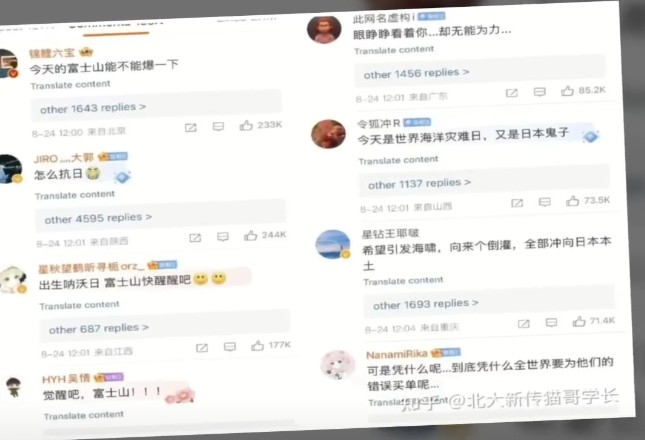
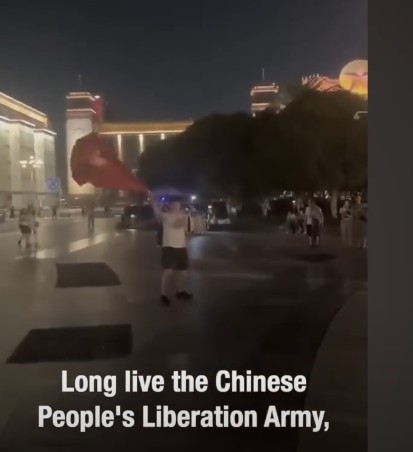
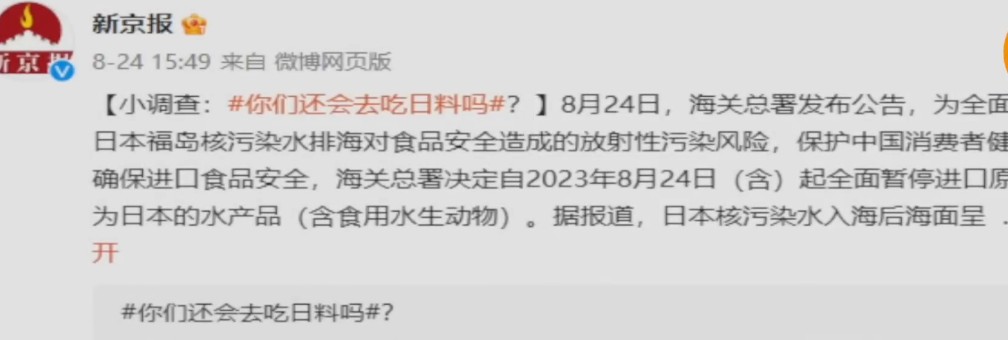
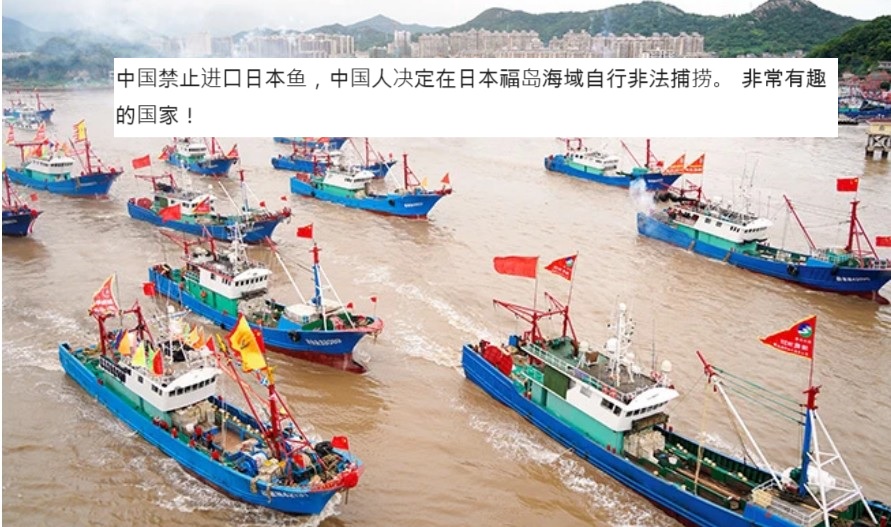
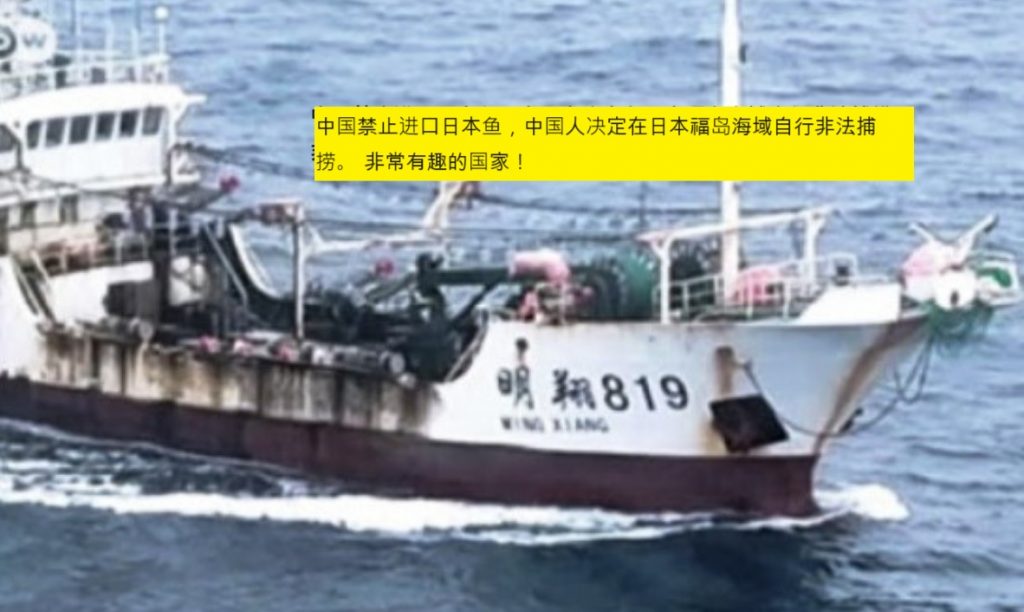
Following Japan’s discharge of nuclear wastewater from the Fukushima plant, the Chinese Communist Party (CCP) inflamed nationalistic sentiments among its citizens. Some expressed their anger in extreme ways. At the International Atomic Energy Agency’s annual meeting on September 25, among its 177 member states, only China voiced opposition to Japan’s decision to release the treated water into the ocean. Ironically, while the CCP bans the import of Japanese seafood, Chinese fishing vessels have been spotted fishing off the Japanese coast, selling their catch as “Chinese seafood” domestically.
Chinese boats are catching fish in what Beijing calls “Fukushima nuclear-contaminated water” for distribution in China, while the same marine products caught in the same area by Japanese vessels remain banned in that country.
The Chinese government imposed a blanket ban on Japanese seafood imports immediately after the Japanese government and Tokyo Electric Power Co. began releasing treated radioactive water from the stricken Fukushima No. 1 nuclear power plant a month ago.
But fish caught in the same part of the Pacific Ocean by Chinese vessels are apparently A-OK as domestic products.
The Asahi Shimbun used the Global Fishing Watch website to analyze activities of Chinese boats in a fishing area for sauries, mackerels and sardines about 1,000 kilometers east of Nemuro, Hokkaido, in the North Pacific Ocean.
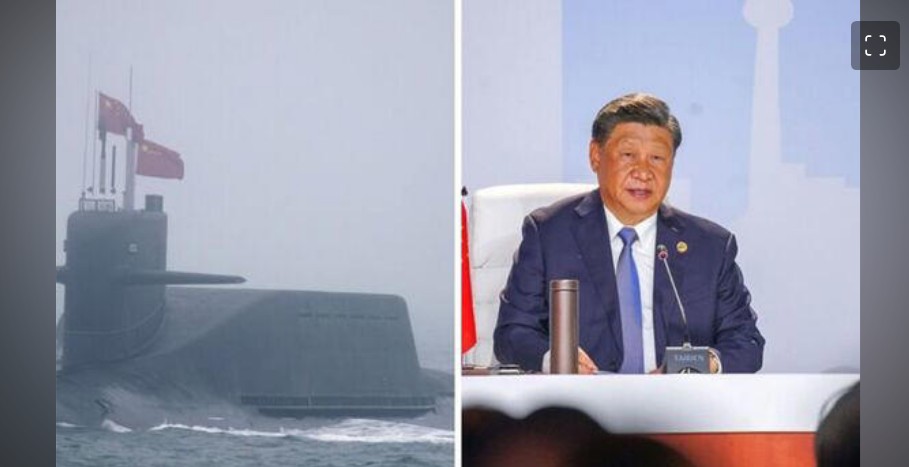
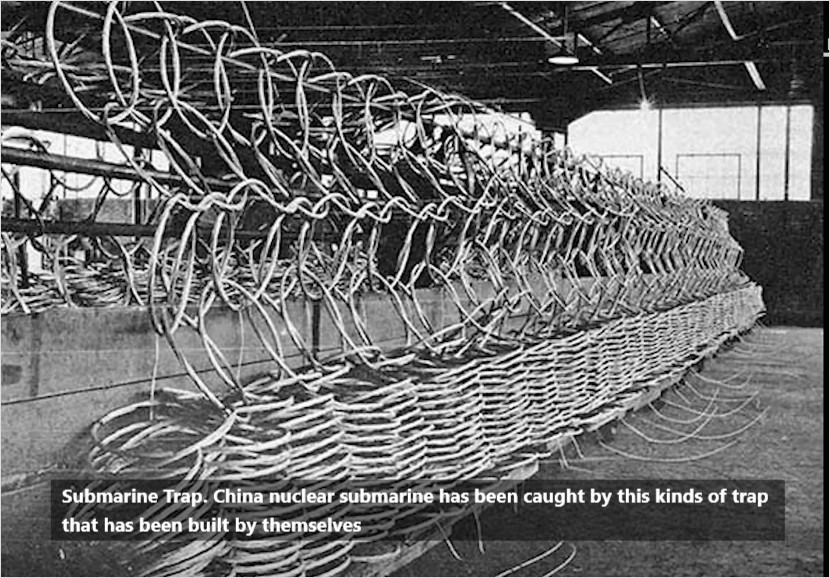
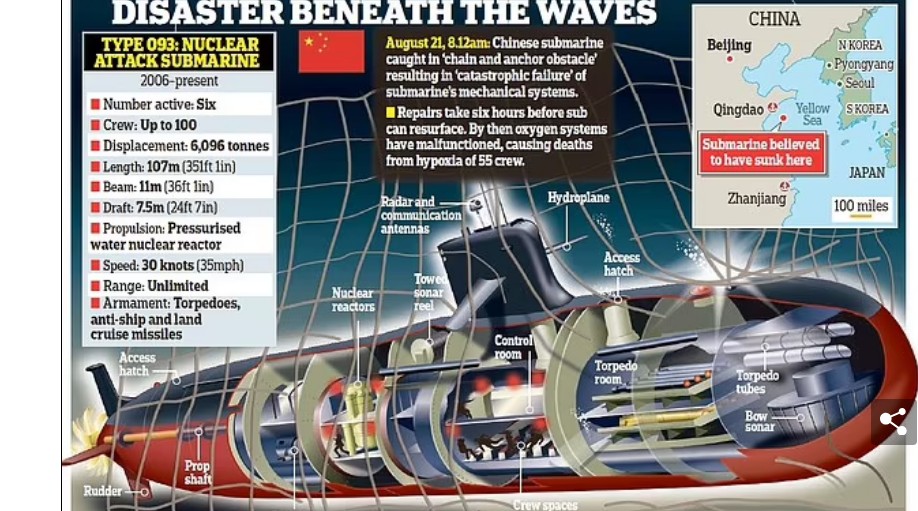
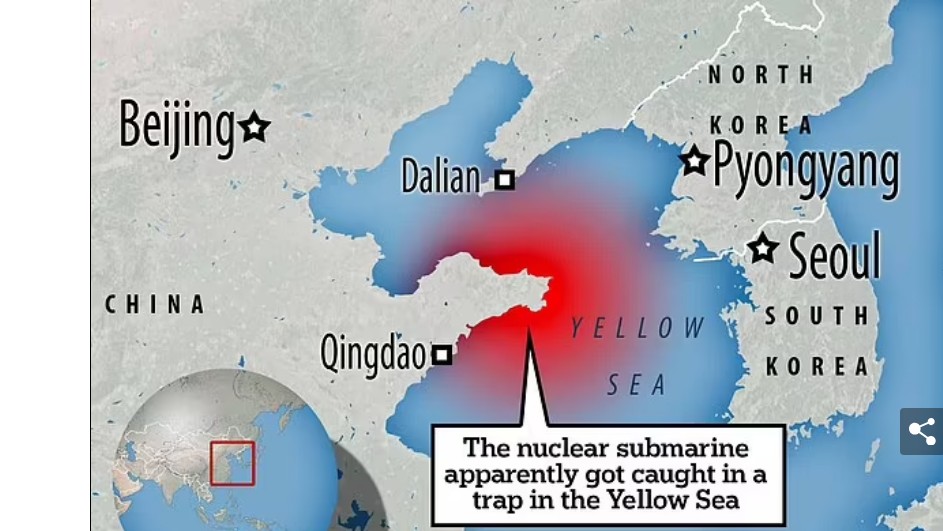
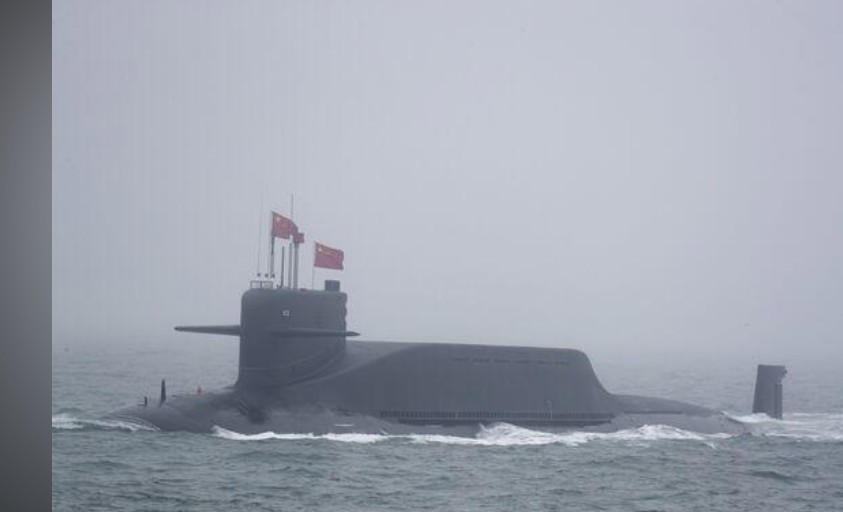
Up to 55 Chinese sailors are feared dead after a nuclear submarine was “caught in a trap intended to snare British and US vessels”, it has been reported. According to the Mail Online, 22 officers were among those reported to have died in China’s Yellow Sea – including the captain Colonel Xue Yong-Peng. China denies the incident happened. The reported trap was intended to “ensnare British sub-surface vessels” operating off the coast of China’s Shandong Province.
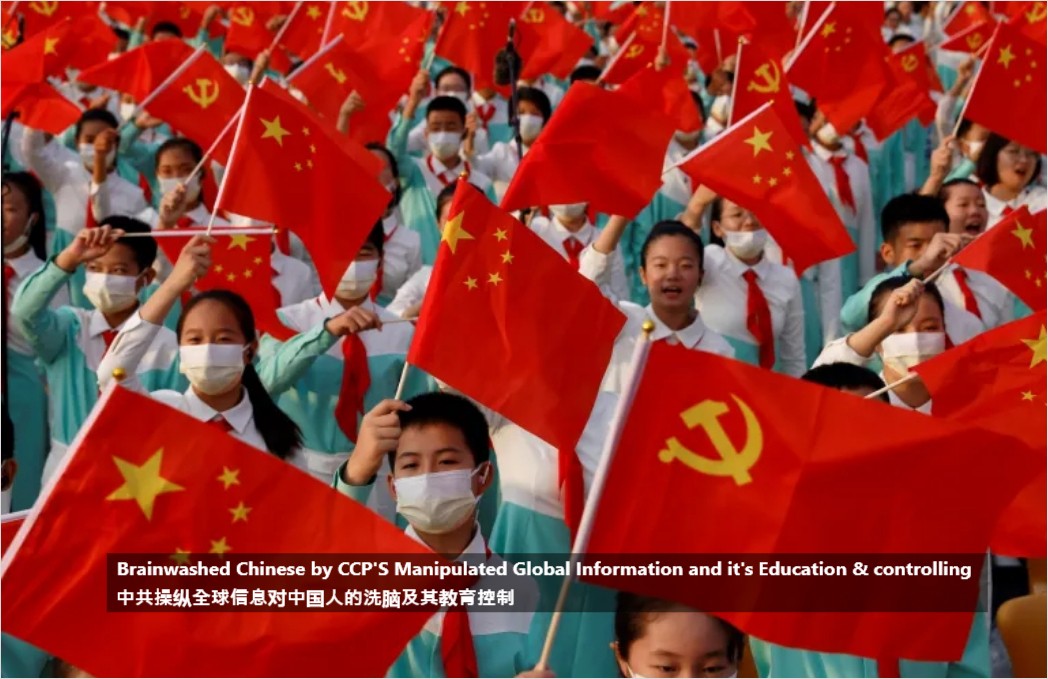
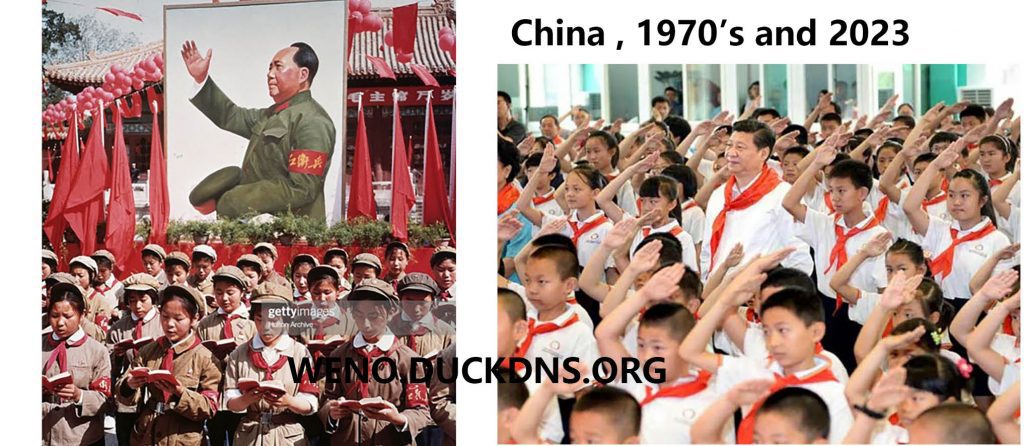
China is spending billions of dollars a year to shape perceptions of China through influence, censorship and disinformation in a large-scale campaign that could threaten global freedoms, the United States has said.
“Beijing has invested billions of dollars to construct a global information ecosystem that promotes its propaganda and facilitates censorship and the spread of disinformation,” the State Department spokesperson said in a statement on Thursday following the publication of the Global Engagement Center’s report.
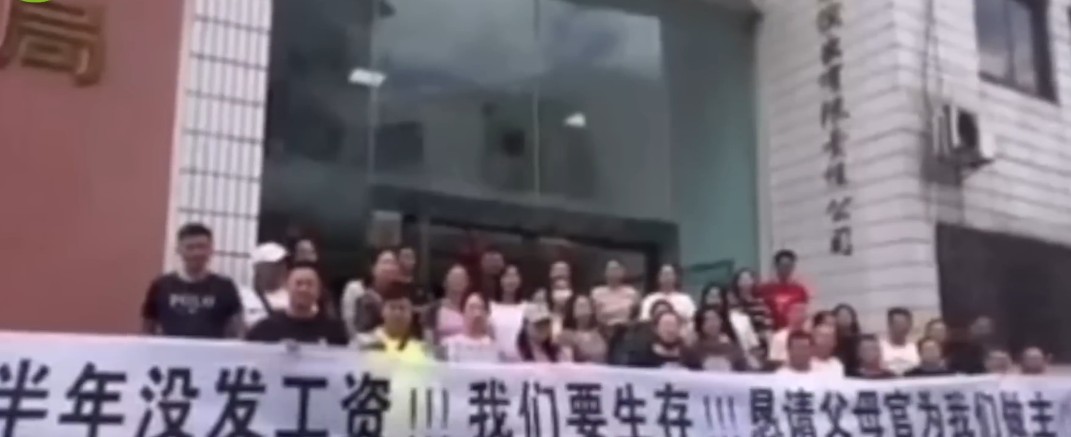
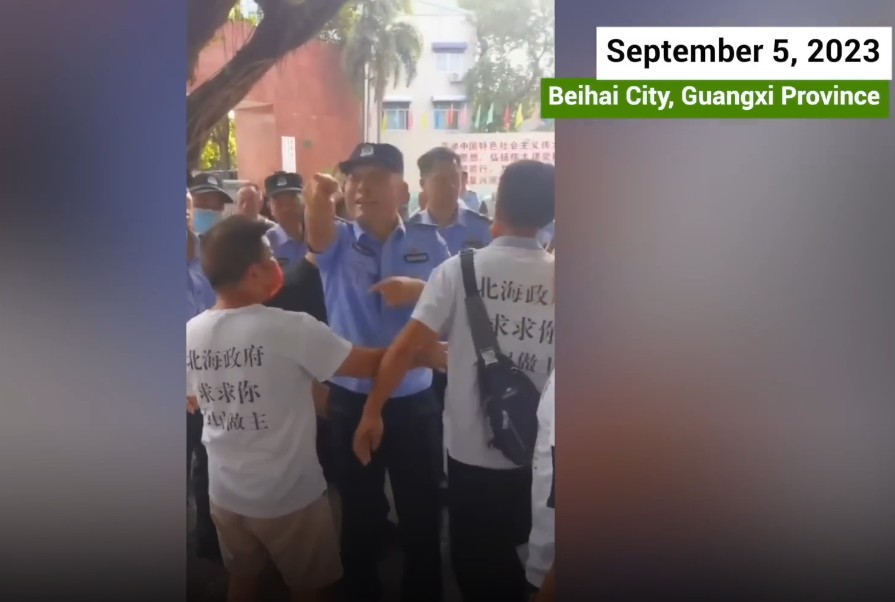
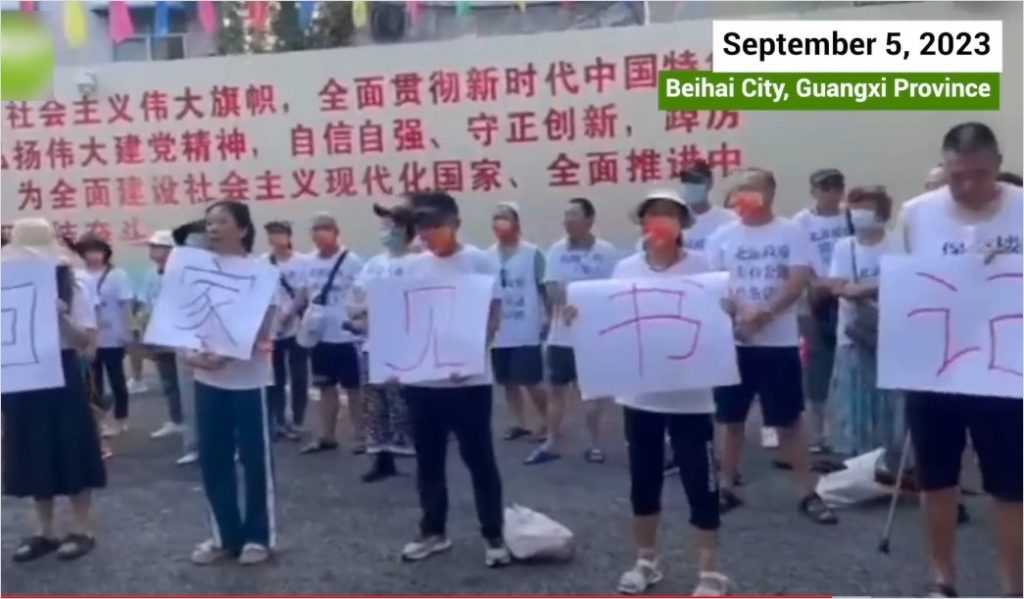
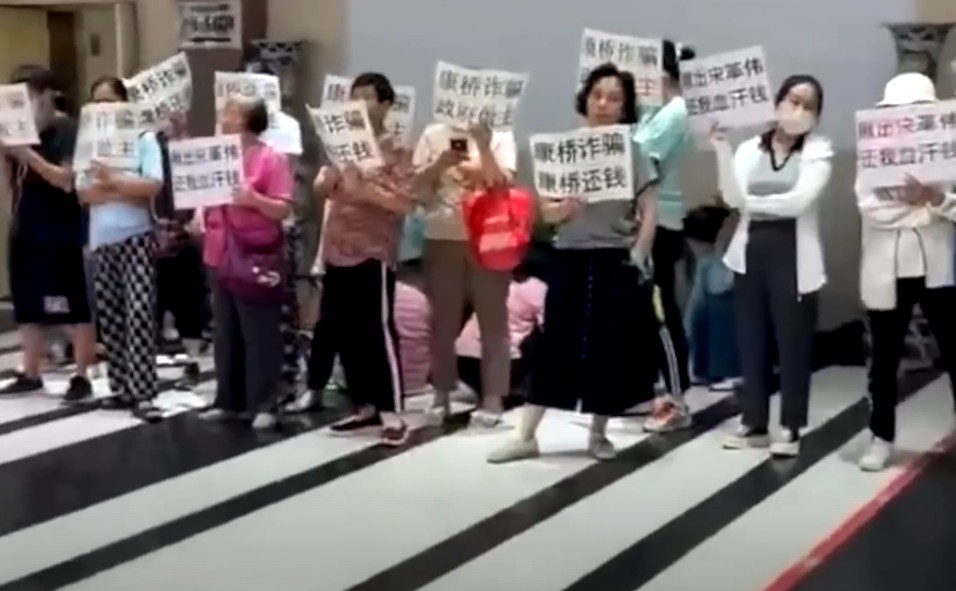
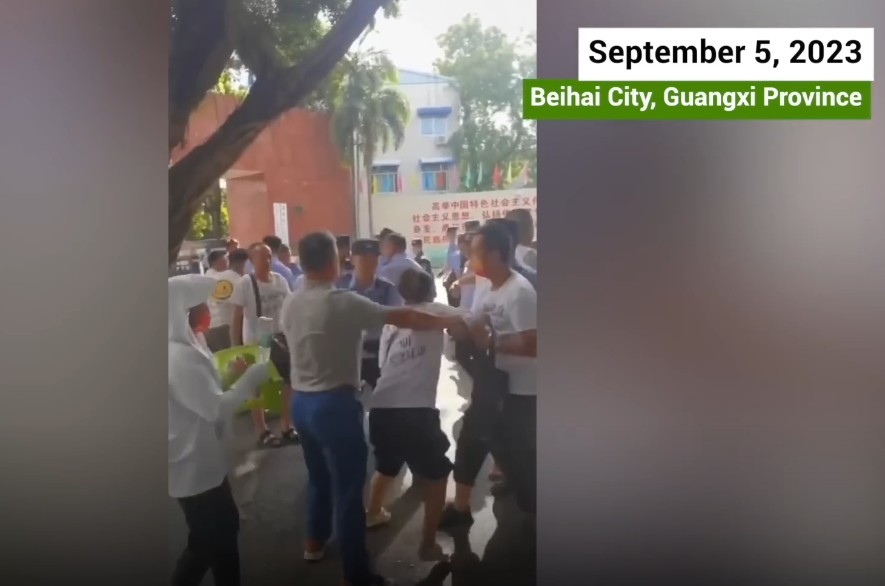
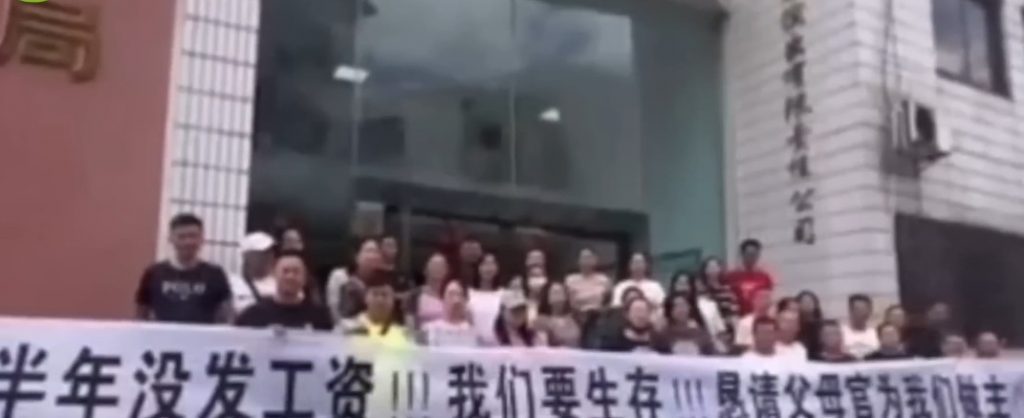
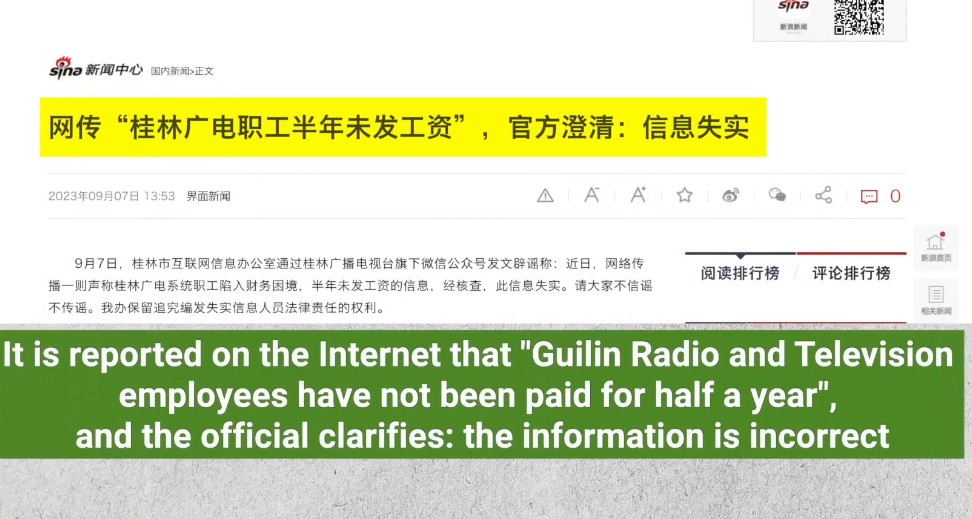
This is the entrance to the Radio and Television Bureau in a well-known tourist city in 广西 Guangxi Province. More than 30 people were holding up banners and demanding their wages. Subsequently, the official media of this city issued a notice to dispel the rumors, claiming that the information about the workers of the radio and television system being in financial difficulties was untrue. However, the notice didn’t explain who the protesters were in the video or whether they were employees of the broadcasting and television system.
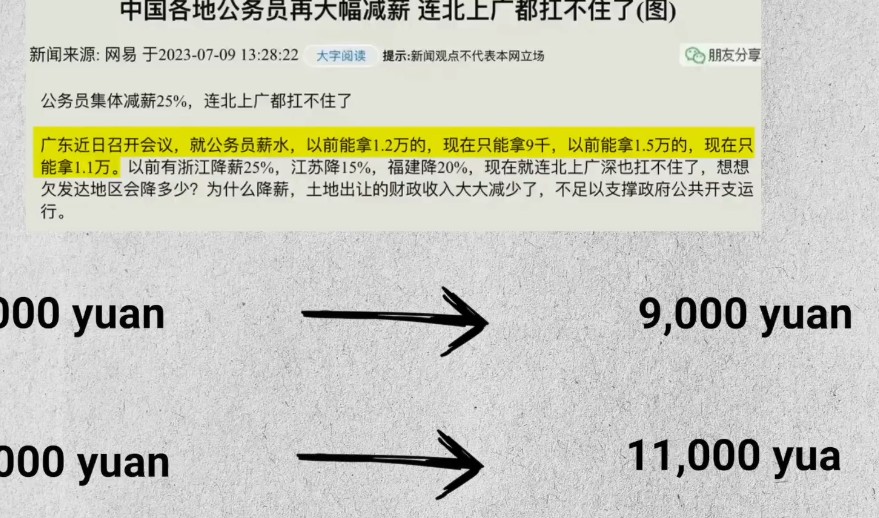
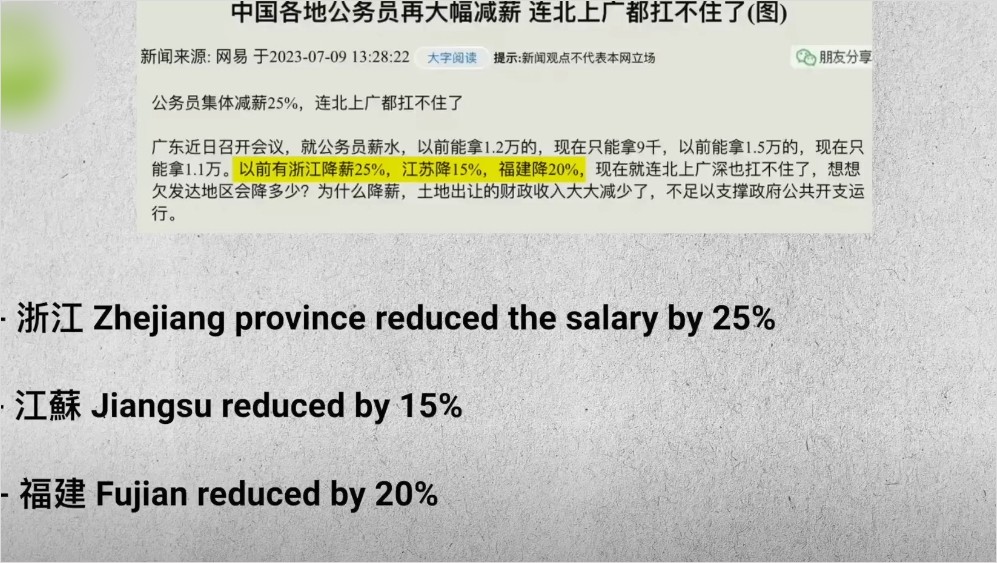
A lot of City goverment employees are not paid over 6 mo nth in China Everywhere.
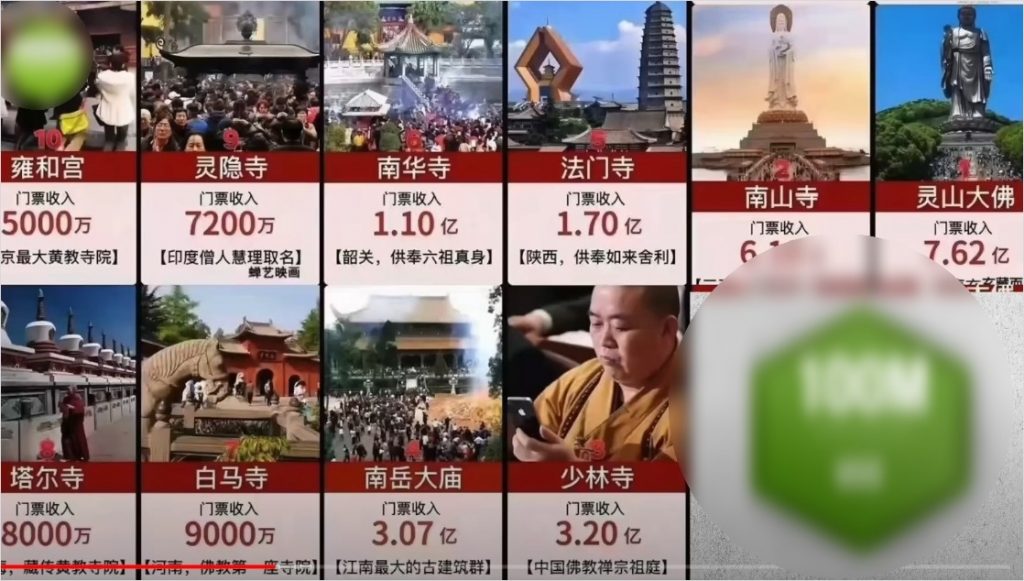
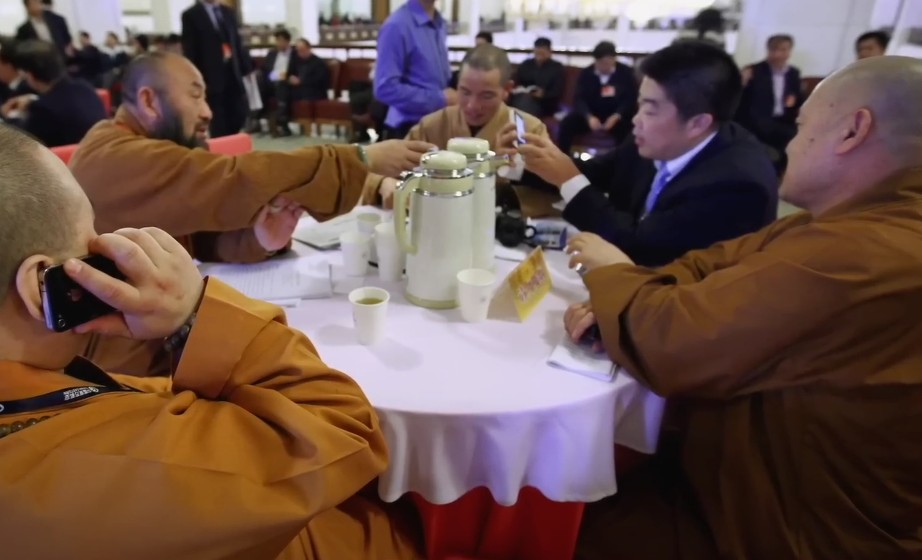
Very Funny thing is, Many Local government loan the money from Temple that is rich & keeping casdh a lot in most of China city. Monks of China Temple driving Ferrali, Benz with Girl friend and After Drinking a alchole with girl servbiced place with enjoying gamble and sex service. This is the thing what is China looks like.
By Bankruption of many realestate developement companies including China government owened companies, Angry Chinese house buyers and invester into reralestate business lose all their money in everywhere in China now.
China’s CCP does not admit their economic problem and trying to to censor all related actual news from their internet.
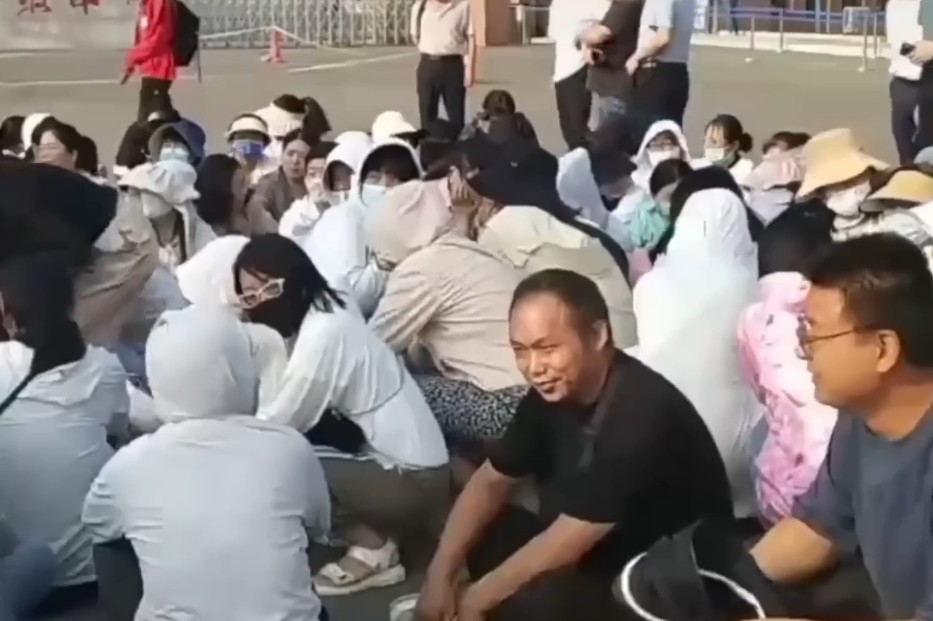
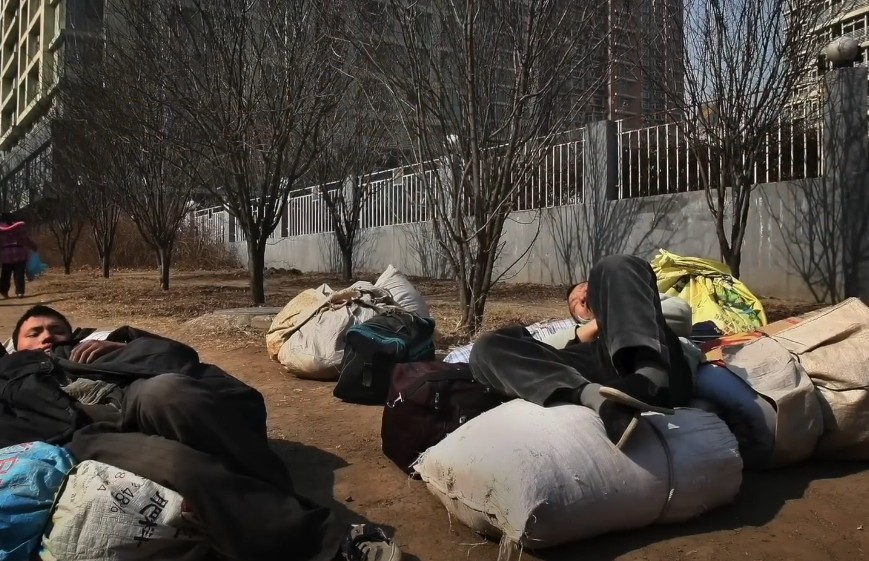
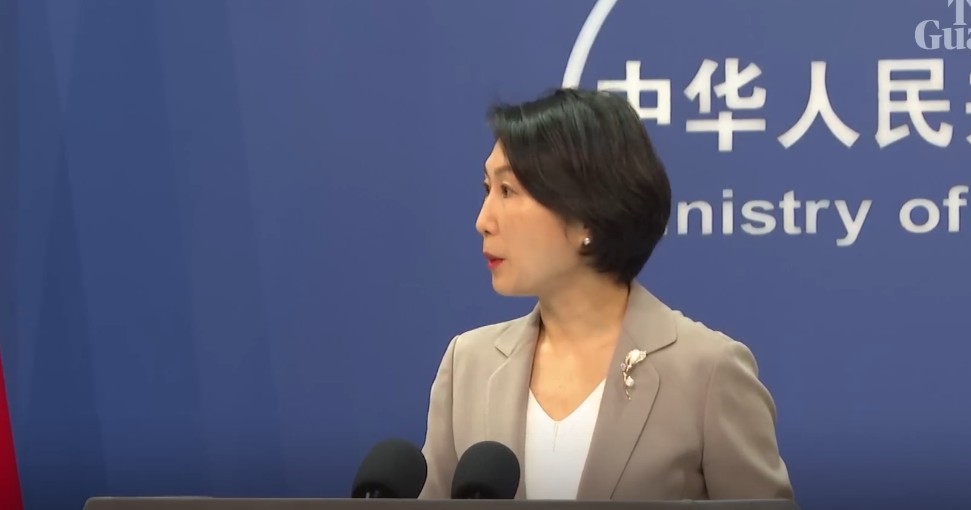
By the comment from China goverment’s mouthpiece (Mao Ning) “China’s economic is very healthy and bright, we didn’t see any of problem”.. at the same time She said to a press release, hundred thousands of Chinese government employees, home buyers, investers are struggling on the street to get paid back their money in spite of police’s blocking.
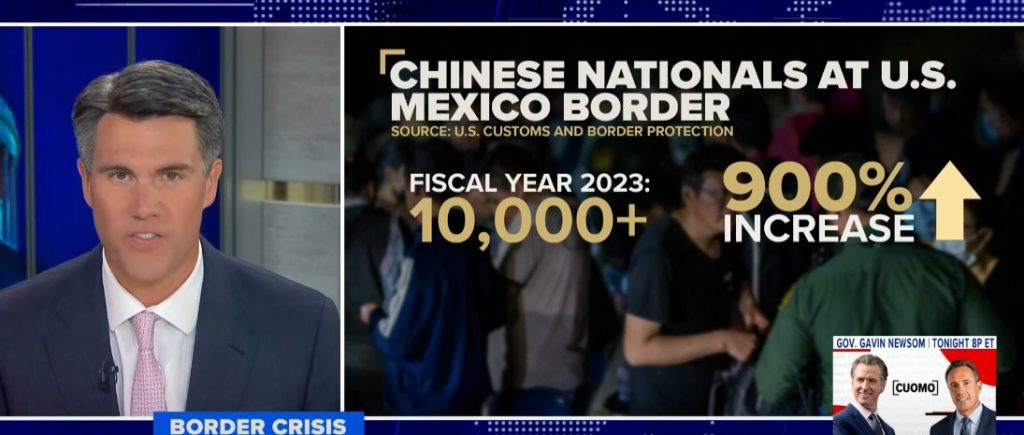
U.S. Customs and Border Protection reports a 900% increase in Chinese migrants crossing the southern border in the last year. “On Balance” host Leland Vittert asks: Who are all of these people? Rep. Mark Green, R-Tenn., said a considerable number of them have ties to either the Chinese Communist Party or the People’s Liberation Army. 美国海关和边境保护局报告称,去年穿越南部边境的中国移民数量增加了 900%。 《平衡》主持人利兰·维特特问道:这些人都是谁? 田纳西州共和党众议员马克·格林表示,其中相当多的人与中国共产党或中国人民解放军有联系。
Even as the debate over illegal immigration raged this month on Capitol Hill, 22 Chinese were among the many migrants making their way to these shores, using a scheme that is among the most dangerous and expensive ways to illegally enter the United States.
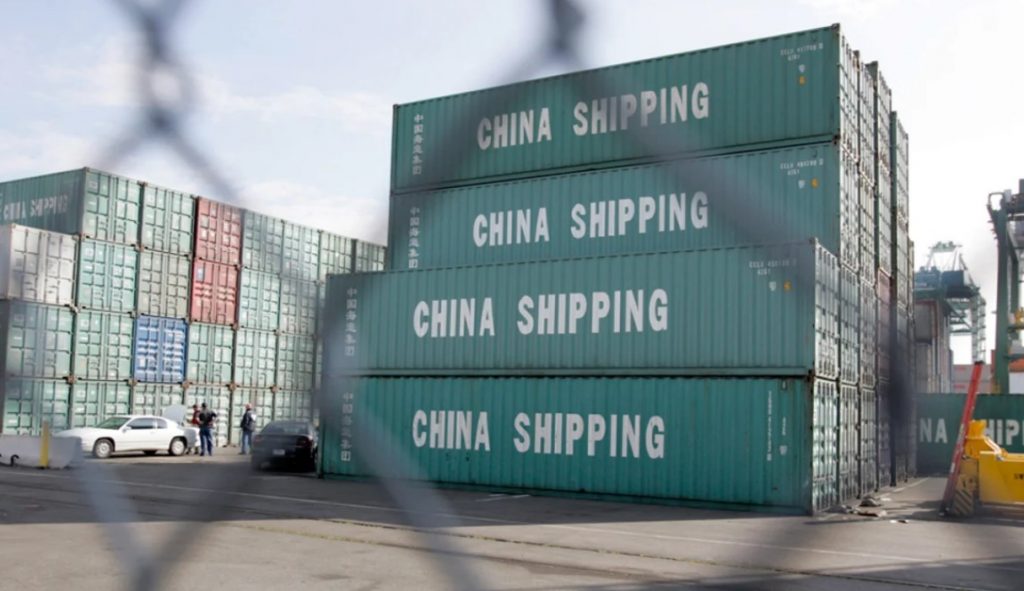
In early hours on April 5, 18 men and 4 women pried their way out of a 40-foot-long shipping container that had arrived in the port of Seattle from Shanghai the previous day after a two-week journey. They didn’t get far before security guards spotted them as they tried to find a way out of the fenced shipyard, and they were soon taken into custody by U.S. border security.
and halving again to 3 percent this year, its lowest rate of growth in a generation. Nevertheless, this slowdown is partly by design, as a way to focus on the quality of growth and higher-level goals, such as technological innovation, improved air quality and reducing China’s persistently high income inequality.
— Read on www.worldpoliticsreview.com/xi-china-economy-common-prosperity/
In a surprising twist, Italy has indicated that it expects to leave China’s ambitious but troubled Belt and Road Initiative — a high-profile reminder that the initiative has failed to meet its goals.
For Rome, the promise of increased exports to China has not met expectations, while throughout the Global South, BRI agreements have often achieved little but funding corruption, building faulty or unneeded infrastructure, and contributing to a massive new debt burden for low-income countries already struggling to fund basic services.
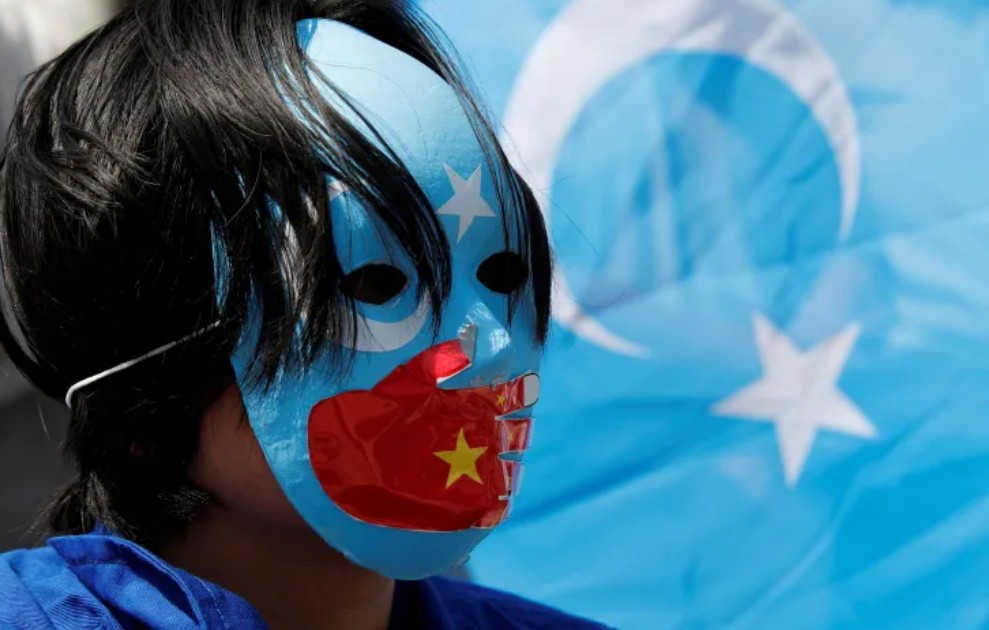
A report OHCHR released last year concluded that since 2017, the Chinese government had committed grave rights violations against millions of Uighurs and other Turkic people in Xinjiang, abuses so systematic and widespread that they “may constitute international crimes, in particular crimes against humanity”. 人权高专办去年发布的一份报告得出的结论是,自2017年以来,中国政府对新疆数百万维吾尔族和其他突厥族人实施了严重侵犯人权的行为,其侵权行为如此系统和广泛,以至于“可能构成国际罪行,特别是反人类罪”。
The Asian Flu in 1956 killed between one and four million people worldwide. SARS in 2002 infected 8,098 and killed 774 in seventeen counties. H7N9 emerged ten years later to strike at least 1,223 people and kill four out of every ten of them. Now, the milder, yet more infectious COVID-19 has sickened more than 70,000 across the globe, resulting in 1,771 deaths.
All of these outbreaks originated in China, but why? Why is China such a hotspot for novel diseases?
“It’s not a big mystery why this is happening… lots of concentrated population, with intimate contact with lots of species of animals that are potential reservoirs, and they don’t have great hygiene required. It’s a recipe for spitting out these kinds of viruses,” Dr. Steven Novella recently opined on an episode of the Skeptics’ Guide to the Universe.
— Read on www.realclearscience.com/blog/2020/02/18/why_do_new_disease_outbreaks_always_seem_to_start_in_china.html!
Shenzhen received the arrival of Typhoon Haiku, causing the Shenzhen reservoir to overflow, forcing the government to release the flood, the whole city of Shenzhen was submerged in flood water, the whole city entered a state of emergency.#China#FLood#Typhoon#Shenzhenpic.twitter.com/dOtHTOJMP4
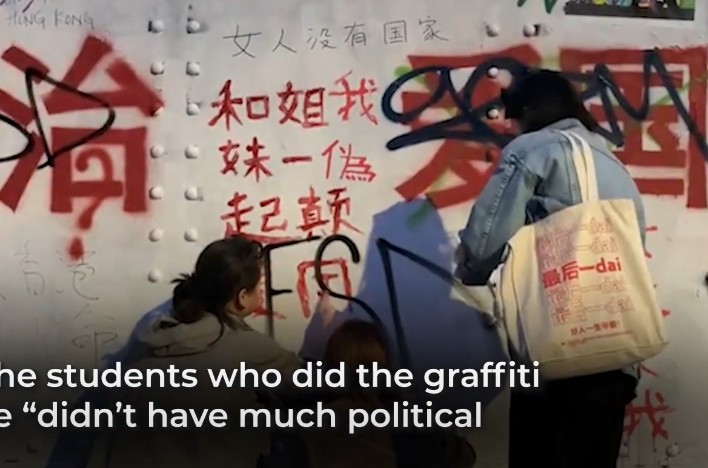
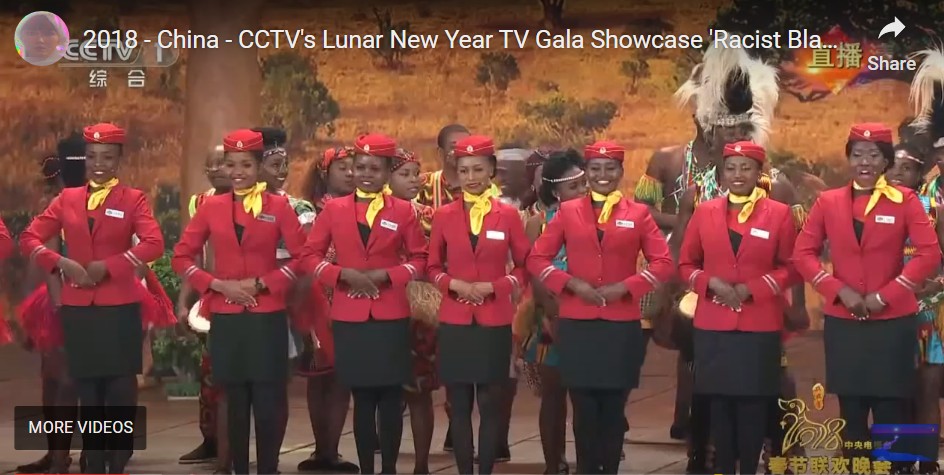
China’s censors are methodical about keeping the country’s closed internet free from information that the ruling Communist Party does not want its citizens seeing.
But when it comes to removing racist content — specifically targeting black people — its Great Firewall and armies of content moderators are losing the battle, or may not even be really fighting it, according to the HRW report.
The harder the Chinese Communist Party clamps down on news, views and data that don’t fit its preferred narrative, the greater the investment risk and the harder it will be for China to tap global capital markets.
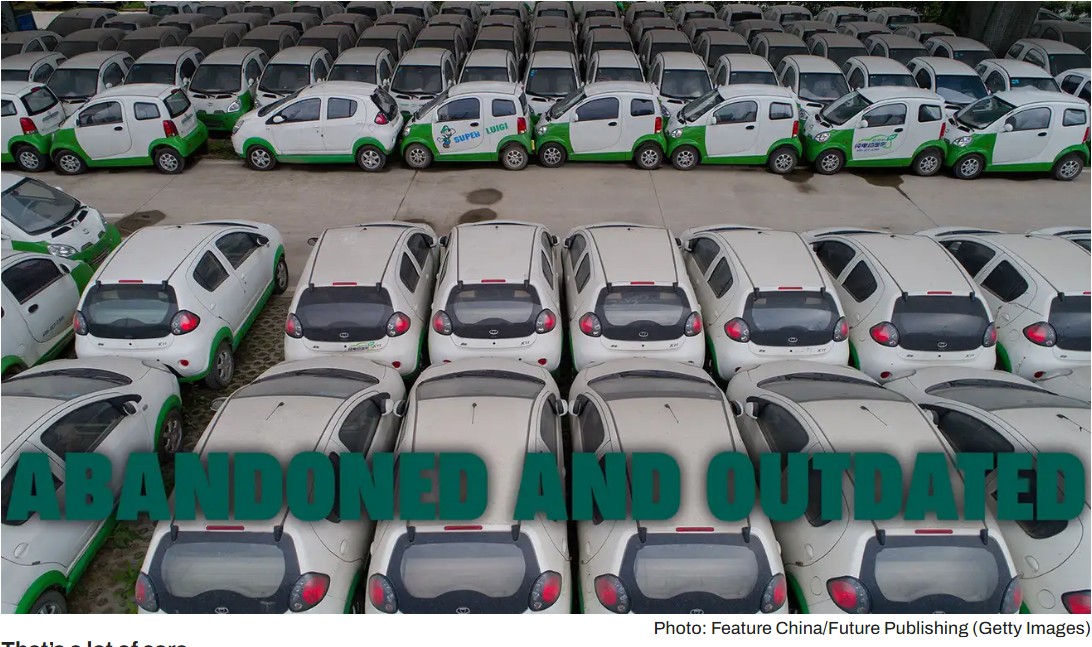
The cars were likely deserted after the ride-hailing companies that owned them failed, or because they were about to become obsolete as automakers rolled out EV after EV with better features and longer driving ranges. They’re a striking representation of the excess and waste that can happen when capital floods into a burgeoning industry, and perhaps also an odd monument to the seismic progress in electric transportation over the last few years. 这些汽车很可能在拥有它们的乘用车公司倒闭后被遗弃,或者因为随着汽车制造商推出性能更好、行驶距离更长的电动汽车,它们即将过时。 当资本涌入蓬勃发展的产业时,它们可能产生的过剩和浪费,也许也是过去几年电力运输领域的地震性进展的一个奇怪的纪念碑。
This is not the only example of a Chinese passenger behaving badly on a plane or even a train. In June, an older passenger threatened to vomit on a young woman in an attempt to force her from her pre-booked window seat. The older passenger claimed to suffer from a grave disease, but when her coercion attempt failed, she and her husband resorted to threats of physical violence.
And just recently, another older woman refused to give up occupying three seats on a Chinese train. Despite other passengers’ concerns and the attempts of the train staff, the Chinese woman clung to her entitlement, ultimately leading to her removal from the train.