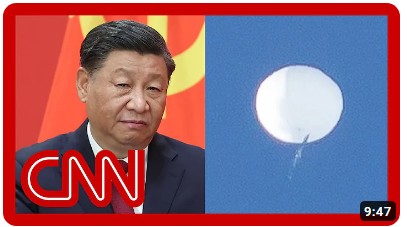
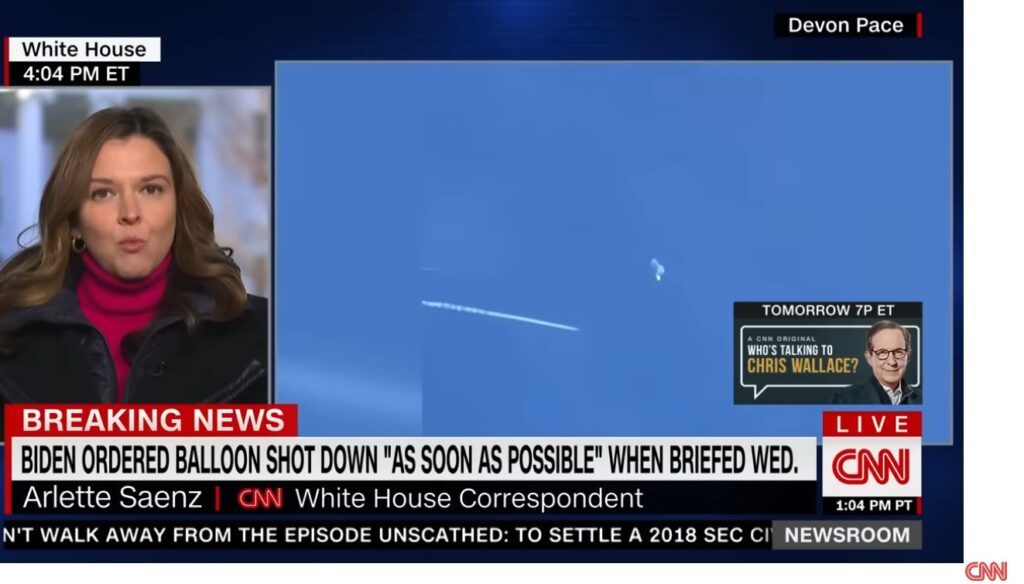
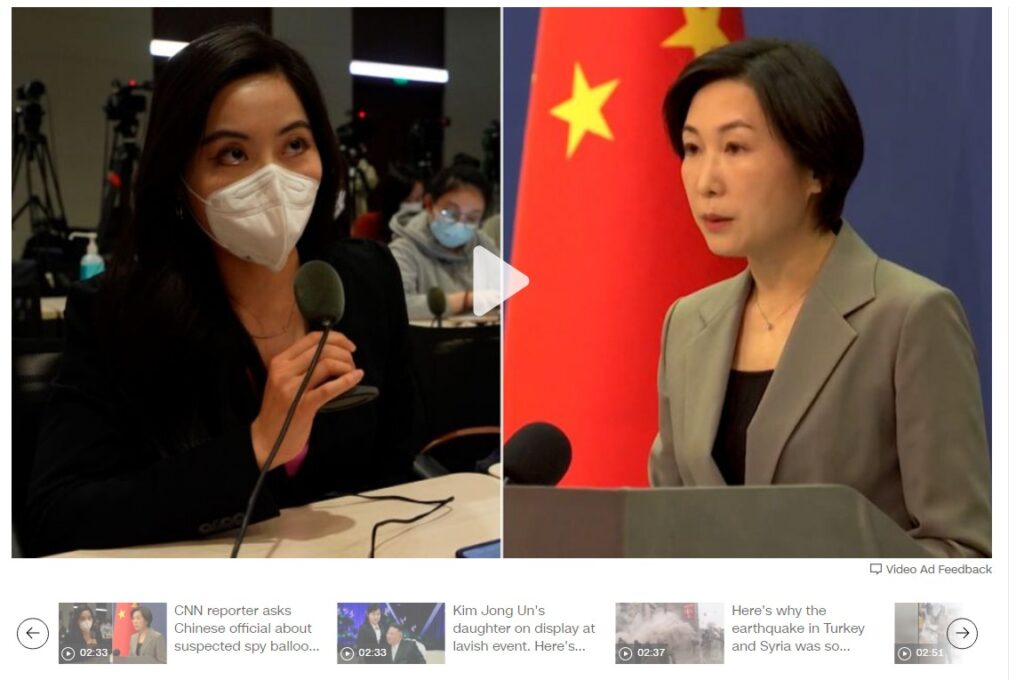
China maintains the vessel, which was shot down by the US over the Atlantic Ocean on Saturday, was a weather balloon thrown off course. And it has shown signs of both being caught off guard by the incident and wanting to stem the potential damage, analysts say, not only framing the situation as the result of factors beyond its control, but also offering a rare expression of “regret” over it in a statement Friday.
While some crucial facts of the situation remain unclear, Beijing’s official response – and the timing of the incident, which resulted in the US’ postponement of the Blinken visit – suggest its leadership is now grappling with how to handle a diplomatic crisis that has inflamed the very tensions it had been hoping to mend.
Japan and the Netherlands are poised to join the United States in limiting China’s access to advanced semiconductor machinery, forging a powerful alliance that will undercut Beijing’s ambitions to build its own domestic chip capabilities, according to people familiar with the negotiations.
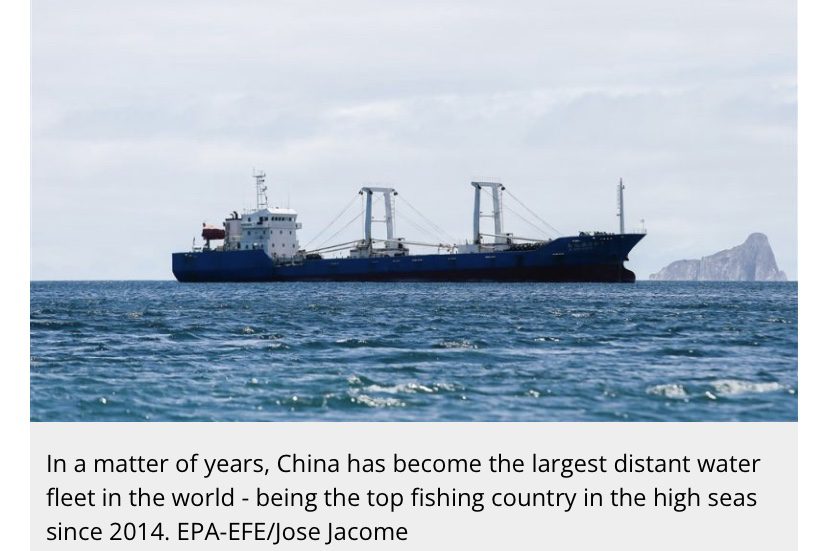
China is a clear example of a country with a significant illegal, unreported and unregulated (IUU) fishing problem, especially for its long-distance fishing fleet that operates in the ocean globally,” said Vanya Vulperhorst, campaign director for illegal fishing and transparency at the NGO Oceana. — Read on www.euractiv.com/section/agriculture-food/news/pressure-on-eu-to-sanction-chinese-fisheries-mounts/
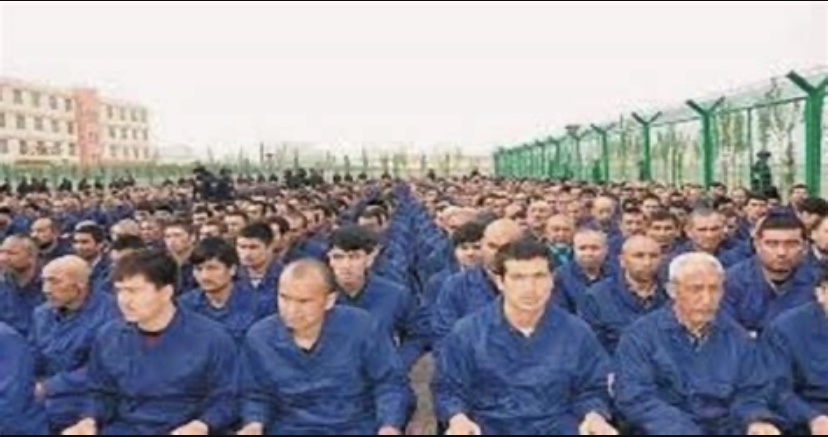
“One day, we will raise this flag in our homeland,” Küseni says. “Are you ready?”
“Yes!” the children reply in unison, placing their right hands to their chests as the East Turkestan anthem “March of Salvation” plays. In Xinjiang that would also be illegal. Then the students crowd into an assembly hall where a carpeted stage, backed by lilac drapes and an arch of white flowers, has been arranged in front of rows of plastic chairs.
There have been attempts to rein in hacking specifically.
In 2015 the US and China struck a deal in which both sides pledged not to carry out “cyber-enabled theft of intellectual property, including trade secrets or other confidential business information for commercial advantage”.
By the following year, the US National Security Agency had accused the Chinese of violating the agreement, although it did acknowledge that the quantity of attempts to hack government and corporate data had dropped “dramatically”.
But observers say the deal’s overall impact has been minimal. Mr Wang said it was a “joke” due to a lack of enforcement. Chinese cyber-espionage in the US has been “pervasive” and extends to academic labs. “It has been going on in every aspect of Western businesses,” he told the BBC.
However Lim Tai Wei from the National University of Singapore noted that there were no “definitive uncontested studies” on the extent of the phenomenon.
“Some believe that there was a short dip in Chinese cyber espionage against the US, but resumed its former level thereafter. Others believe it failed due to the overall breakdown in US-China relations,” he said.
Meanwhile the US is now directly trying to block China’s progress in the key semiconductor industry – vital for everything from smartphones to weapons of war – saying China’s use of the technology poses a national security threat.
In October, Washington announced some of the broadest export controls yet, requiring licences for companies exporting chips to China using US tools or software, no matter where they are made in the world. Washington’s measures also prevent US citizens and green card holders from working for certain Chinese chip companies. Green card holders are US permanent residents who have the right to work in the country.
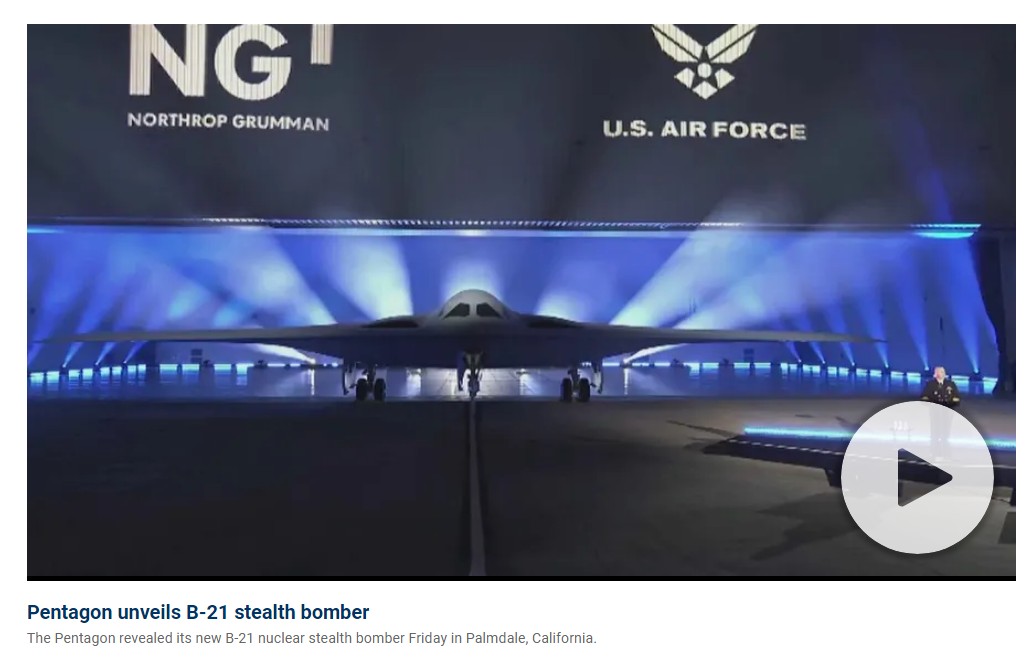
So, can China crack the secrets of the B-21? We know China will try. At Plant 42 in California, the Air Force says people are found “walking their dogs” along the concertina wire fence at 4 a.m. and little drones “accidentally” crash in the compound. To be sure, the B-21 program is also a major stress test for cybersecurity since many companies supply the program. Still, I’m not worried. The immense secrecy surrounding the B-21 was baked into the program from the start. …
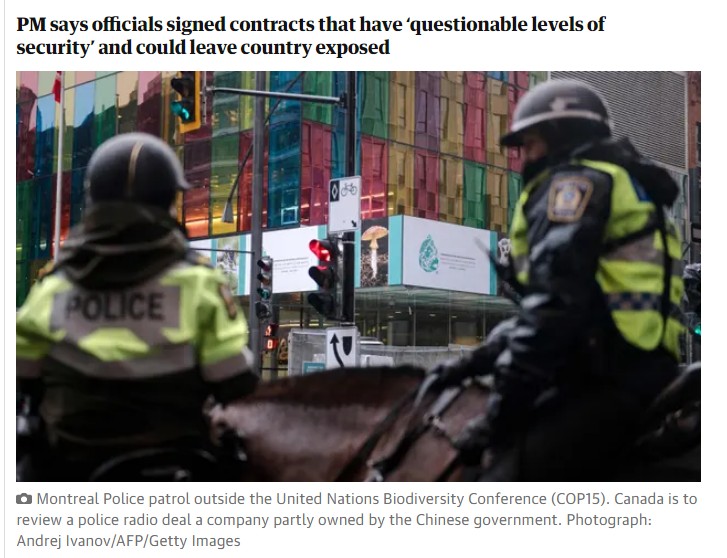
The Shenzen-based company is partly owned by the Chinese government and blacklisted by the United States – raising concerns about potential Chinese access to Royal Canadian Mounted Police (RCMP) communications.
TikTok is a formidable tool for espionage and mass control, and the Chinese communist dictatorship could do whatever they want with it. These, in brief, are the concerns expressed by FBI director Christopher Wray while attending an event at the University of Michigan’s Gerald R. Ford School of Public Policy.
— Read on www.techspot.com/news/96859-fbi-director-tiktok-could-china-best-espionage-tool.html
A new book shows that China uses private intel mercenaries. If true, this would be the outsourcing of intelligence gathering.
— Read on www.19fortyfive.com/2022/11/how-china-spies/
China’s Espionage: Methods and Goals
My experiences prompted me to readChinese Espionage: Operations and Tacticsby the pioneering Nicholas Eftimiades. The author does yeoman’s work and offers the free world an important service by painstakingly combing through publicly available information on how the PRC operates its vast foreign intelligence apparatus. He creates a monograph that every U.S. business professional and member of Congress should read – as should any person concerned about free markets and fair competition. I read it in one evening. It is only 56 pages, but that is more than enough. Eftimiades is trying to sound an alarm, not win a Man Booker Prize.
Analyzing 595 cases over a 10-year period, and using disparate data including U.S. Department of Justice filings, asset control briefs, import/export applications, and foreign government information, Eftimiades presents a compelling narrative of just how pervasive PRC intelligence is, what are its global goals, and how it has already co-opted private industry to advance its agenda.
While local governments have been much more ambitious with their innovative regulations, causing more controversies and public pushback, the countrywide social credit system will still take a long time to materialize. And China is now closer than ever to defining what that system will look like. On November 14, several top government agencies collectively released a draft law on the Establishment of the Social Credit System, the first attempt to systematically codify past experiments on social credit and, theoretically, guide future implementation.