“One day, we will raise this flag in our homeland,” Küseni says. “Are you ready?”
“Yes!” the children reply in unison, placing their right hands to their chests as the East Turkestan anthem “March of Salvation” plays. In Xinjiang that would also be illegal. Then the students crowd into an assembly hall where a carpeted stage, backed by lilac drapes and an arch of white flowers, has been arranged in front of rows of plastic chairs.
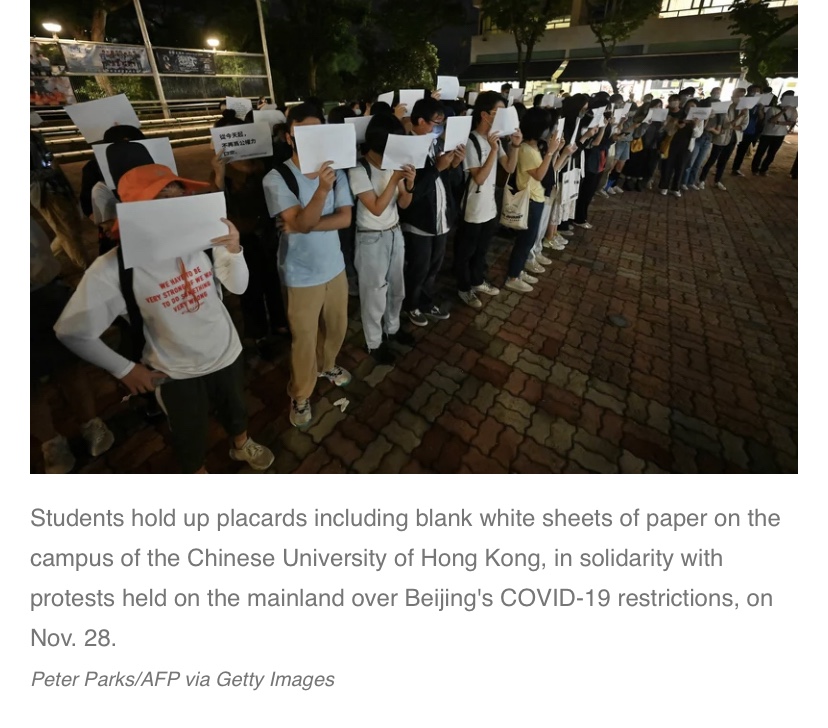
In the weeks following anti-zero Covid protests in Beijing, a protester made a video warning she could vanish. Soon after filming the video, she was arrested. CNN’s Selina Wang reports.
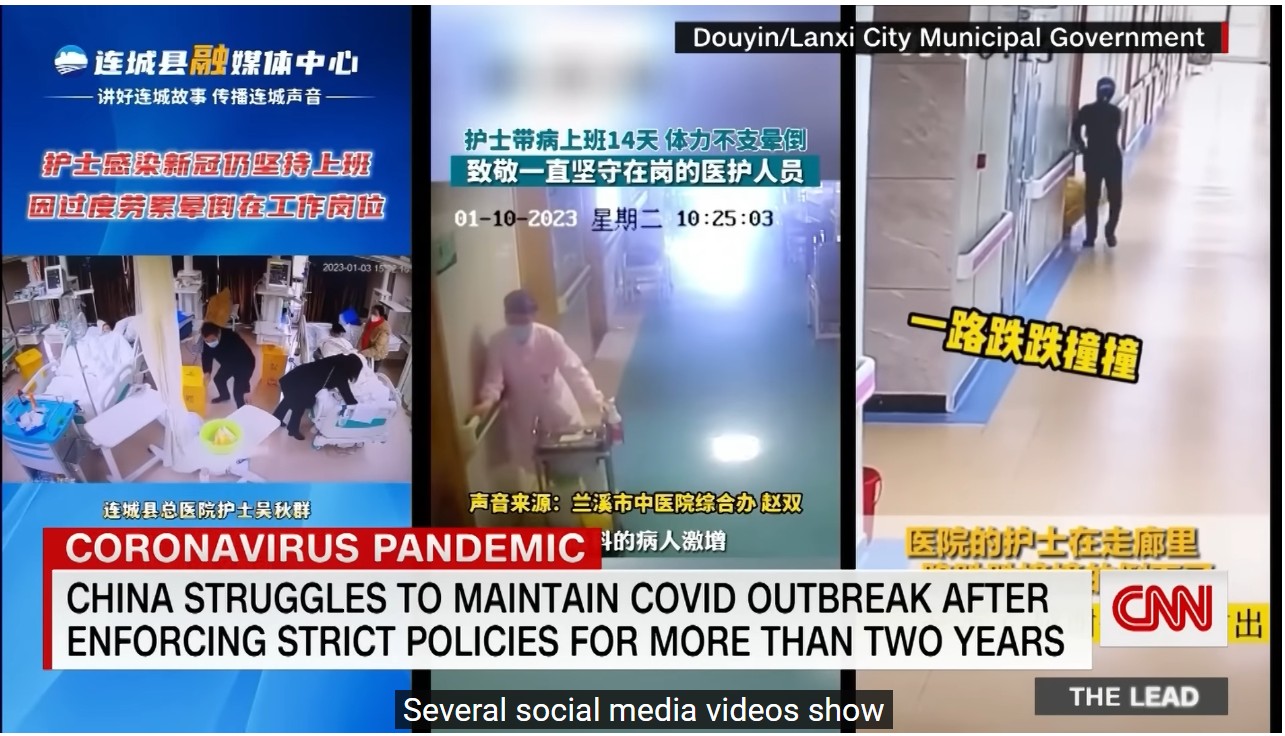
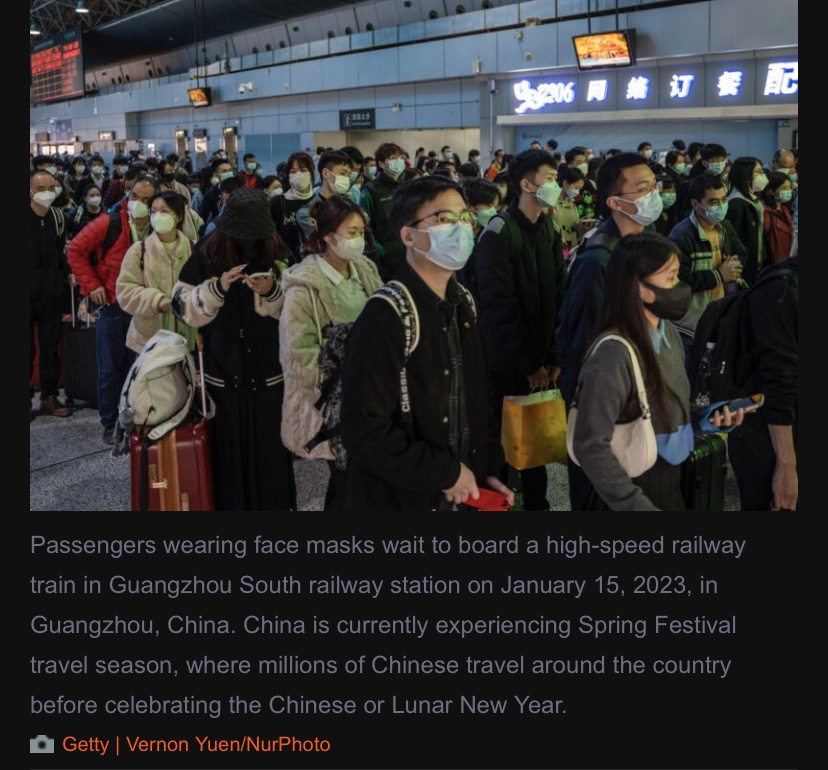
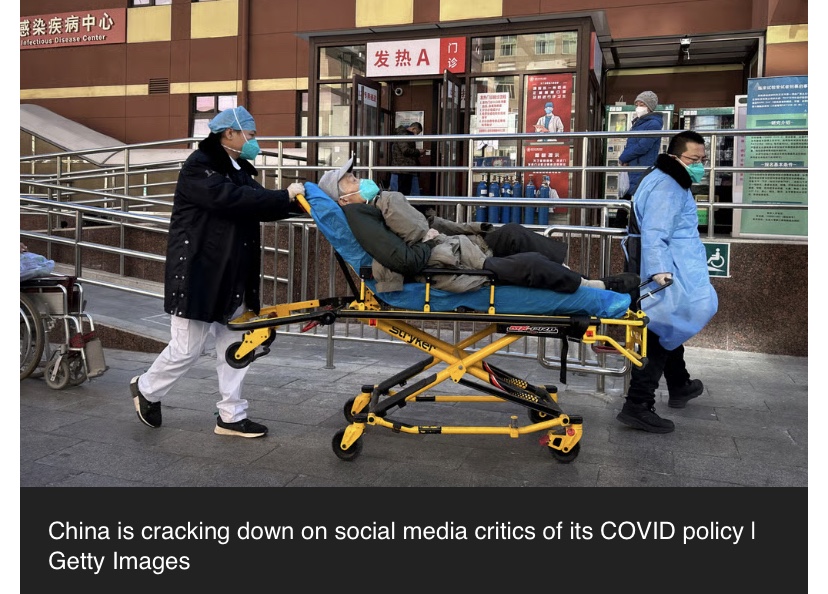
China’s healthcare system has been overwhelmed by a surge in Covid cases since abandoning its zero-Covid policy last month. Now there are fears that the Covid crisis could worsen amid Lunar New Year celebrations. CNN’s Ivan Watson reports.
There have been attempts to rein in hacking specifically.
In 2015 the US and China struck a deal in which both sides pledged not to carry out “cyber-enabled theft of intellectual property, including trade secrets or other confidential business information for commercial advantage”.
By the following year, the US National Security Agency had accused the Chinese of violating the agreement, although it did acknowledge that the quantity of attempts to hack government and corporate data had dropped “dramatically”.
But observers say the deal’s overall impact has been minimal. Mr Wang said it was a “joke” due to a lack of enforcement. Chinese cyber-espionage in the US has been “pervasive” and extends to academic labs. “It has been going on in every aspect of Western businesses,” he told the BBC.
However Lim Tai Wei from the National University of Singapore noted that there were no “definitive uncontested studies” on the extent of the phenomenon.
“Some believe that there was a short dip in Chinese cyber espionage against the US, but resumed its former level thereafter. Others believe it failed due to the overall breakdown in US-China relations,” he said.
Meanwhile the US is now directly trying to block China’s progress in the key semiconductor industry – vital for everything from smartphones to weapons of war – saying China’s use of the technology poses a national security threat.
In October, Washington announced some of the broadest export controls yet, requiring licences for companies exporting chips to China using US tools or software, no matter where they are made in the world. Washington’s measures also prevent US citizens and green card holders from working for certain Chinese chip companies. Green card holders are US permanent residents who have the right to work in the country.
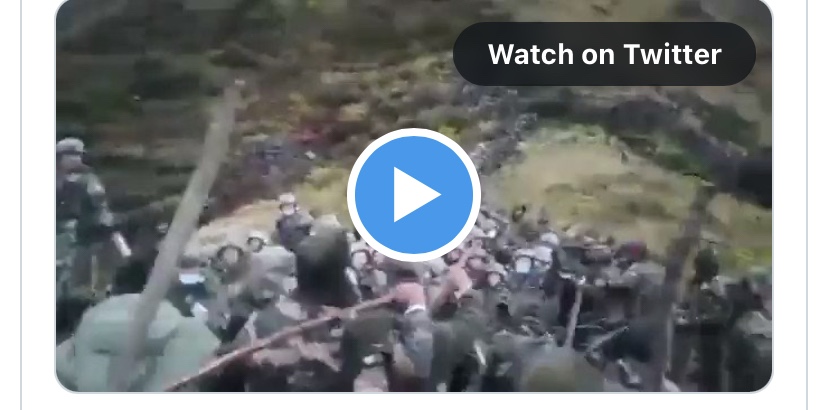
#ArunachalPradesh; Video footage from LAC #Yangtse area,Tawang Sector, how Indian Army chased away Chinese Army on 9th Dec 2022.
300 plus Chinese PLA Soldiers ran away leaving 25-30 soldiers behind who were than trashed by Indian Army's Sikh Reg't and Jat Regiment. #TawangSectorpic.twitter.com/9jwHkBFqqO
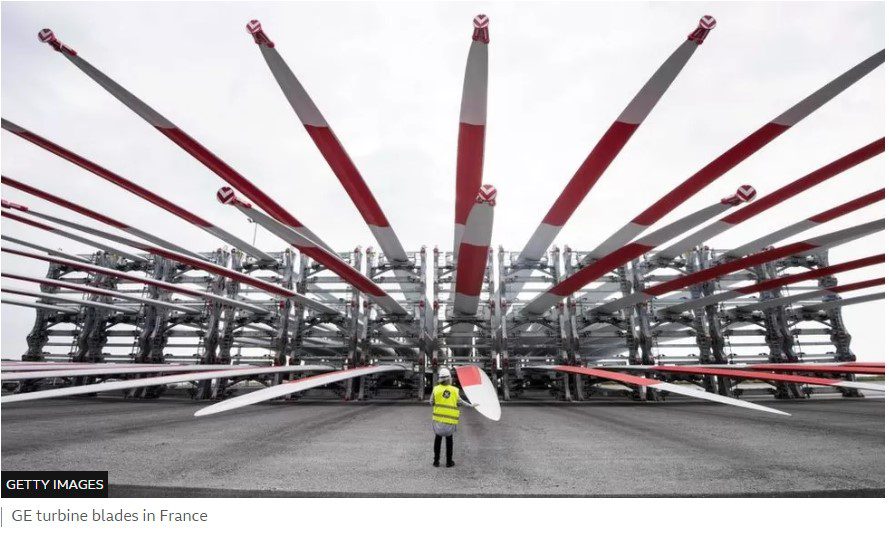
Intended to punish China for its treatment of Uyghurs and other minorities across Xinjiang province, the crackdown has had the corresponding effect of crippling the U.S. solar market and freezing its supply chain.
— Read on www.axios.com/2023/01/13/us-china-forced-labor-imports-solar-industry
Such Chinese outposts represent China’s efforts to police its diaspora far beyond its borders which has caused a dispute. the FBI raid is the first known example of the authorities seizing materials from one of the outposts, reported ANI citing the US daily. ‘110 Overseas – China’s Transnational Policing Gone Wild’ was released by Madrid-based Safeguard Defenders in September 2022. This was later followed by case studies of how such stations had been used in persuasion operations in Spain and Serbia.
— Read on m.republicworld.com/world-news/us-news/us-steps-up-fight-against-chinese-overseas-police-service-centers-articleshow.html