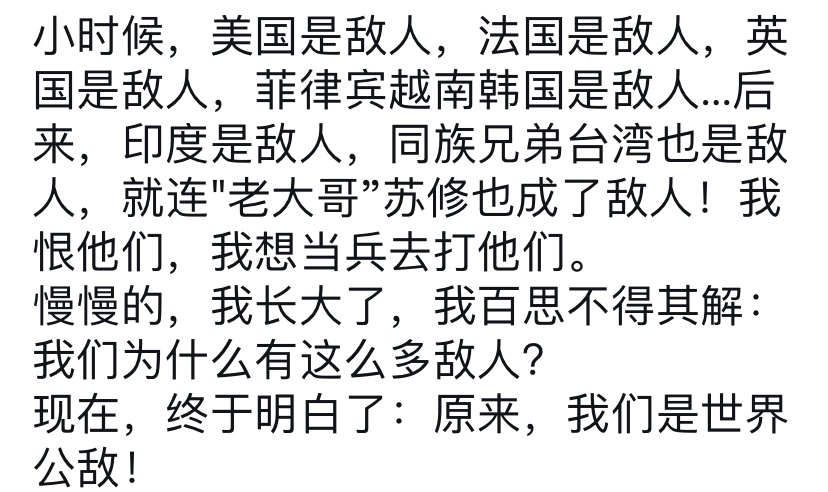
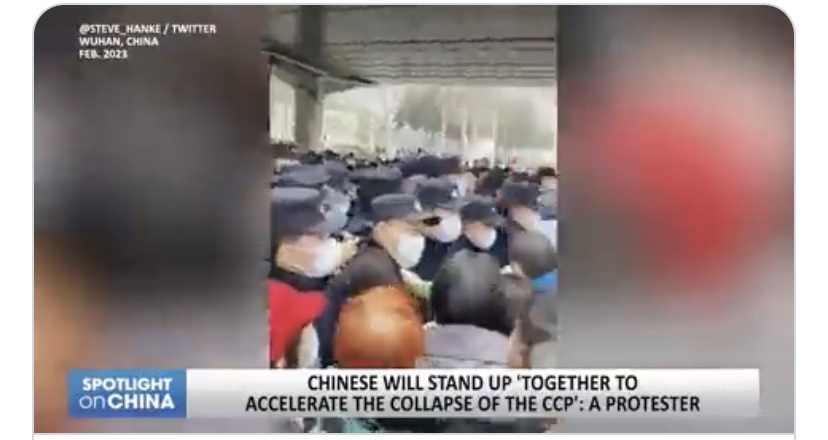
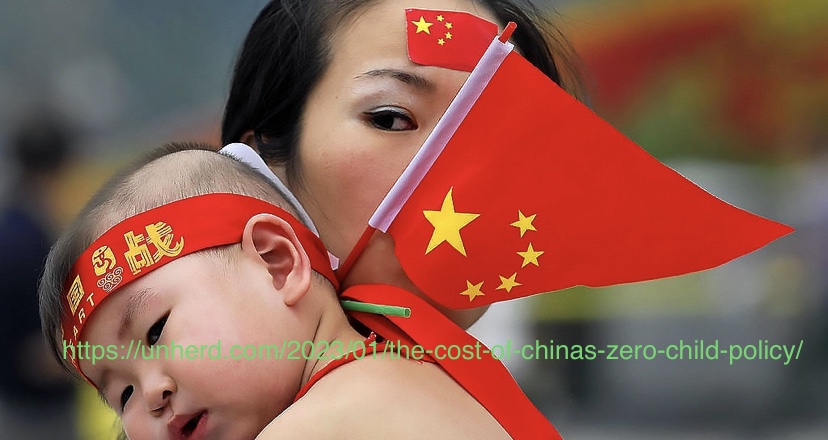
When I was a child, the United States was the enemy, France was the enemy, the United Kingdom was the enemy, and the Philippines, Vietnam and South Korea were enemies… Later, India was the enemy, Taiwan, the brother of the same race, was also the enemy, and even the “Big Brother” Su Xiu became the enemy! I hate them. I want to be a soldier to beat them. Slowly, when I grew up, I couldn’t figure it out: Why do we have so many enemies? Now, I finally understand that we are the public enemies of the world!
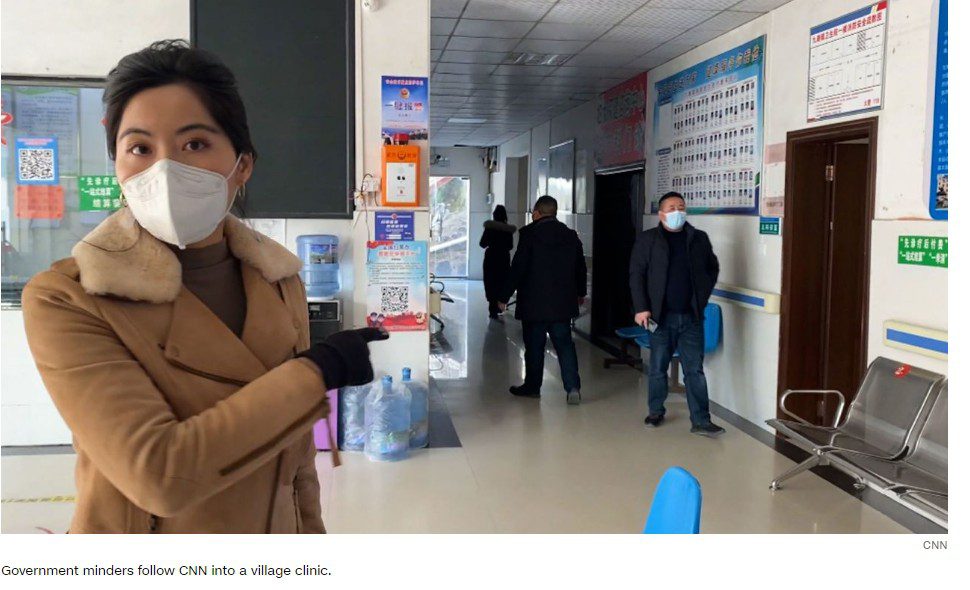
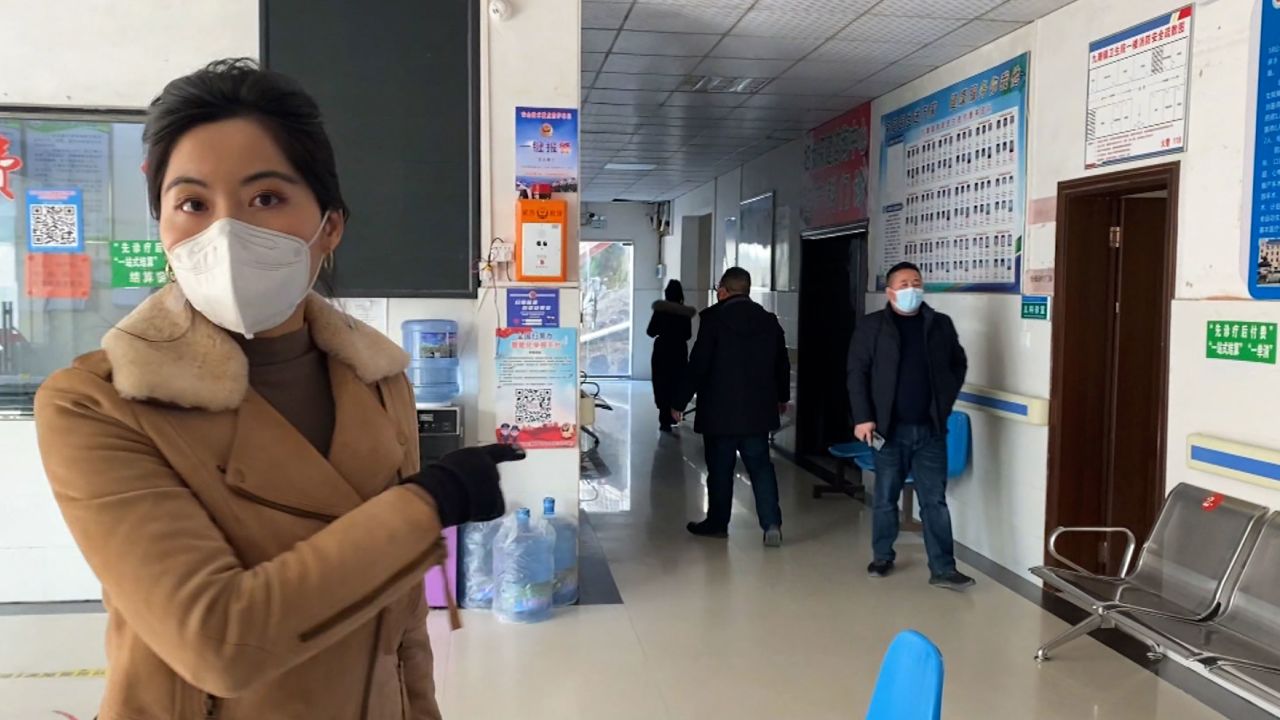
We saw them say something to the staff there, then suddenly no one would speak to us, so I went outside and asked nearby stores if they had seen lines outside the clinic a few weeks ago. Every time, the government minder would interrupt the conversation to speak to the interviewee, clearly telling them not to say anything.
The government officials again appeared at the next hospital we visited. This time, there were more of them. I tried confronting them, asking why they were following us. Anytime I spoke to them, they would immediately walk away and ignore me. Then, the moment I turned away, they would continue tailing us, while obstructing our reporting.
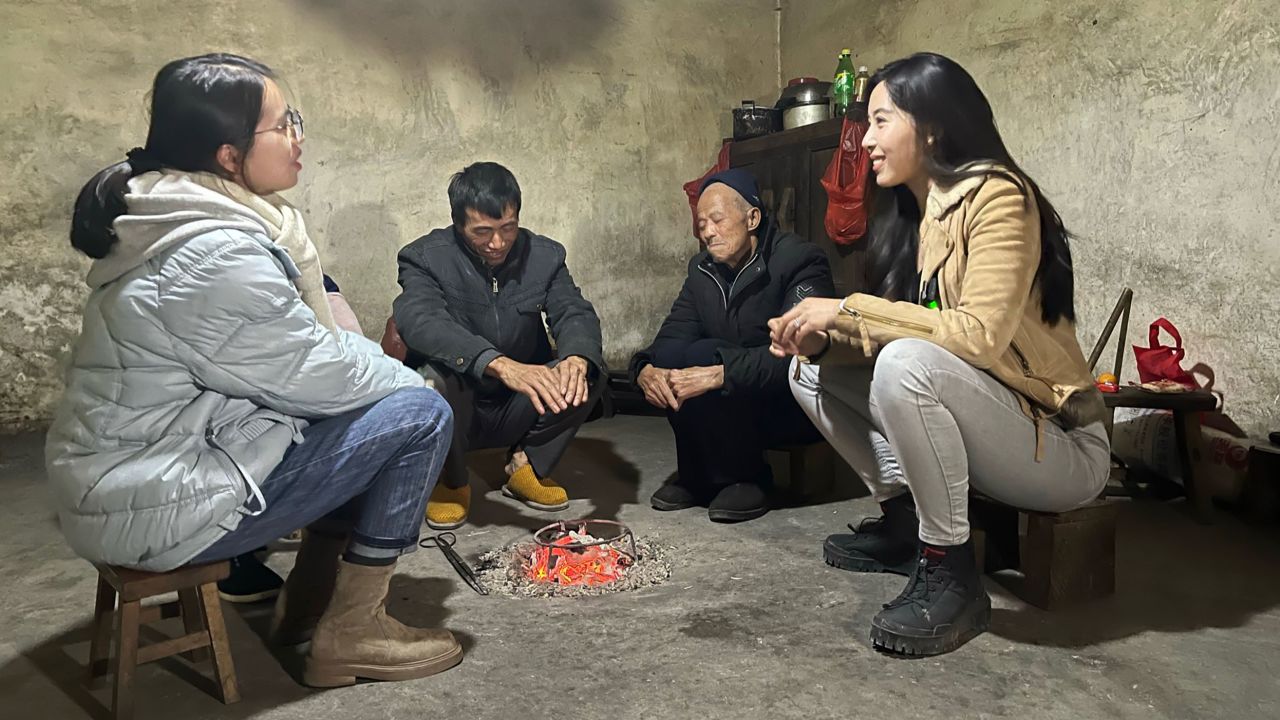
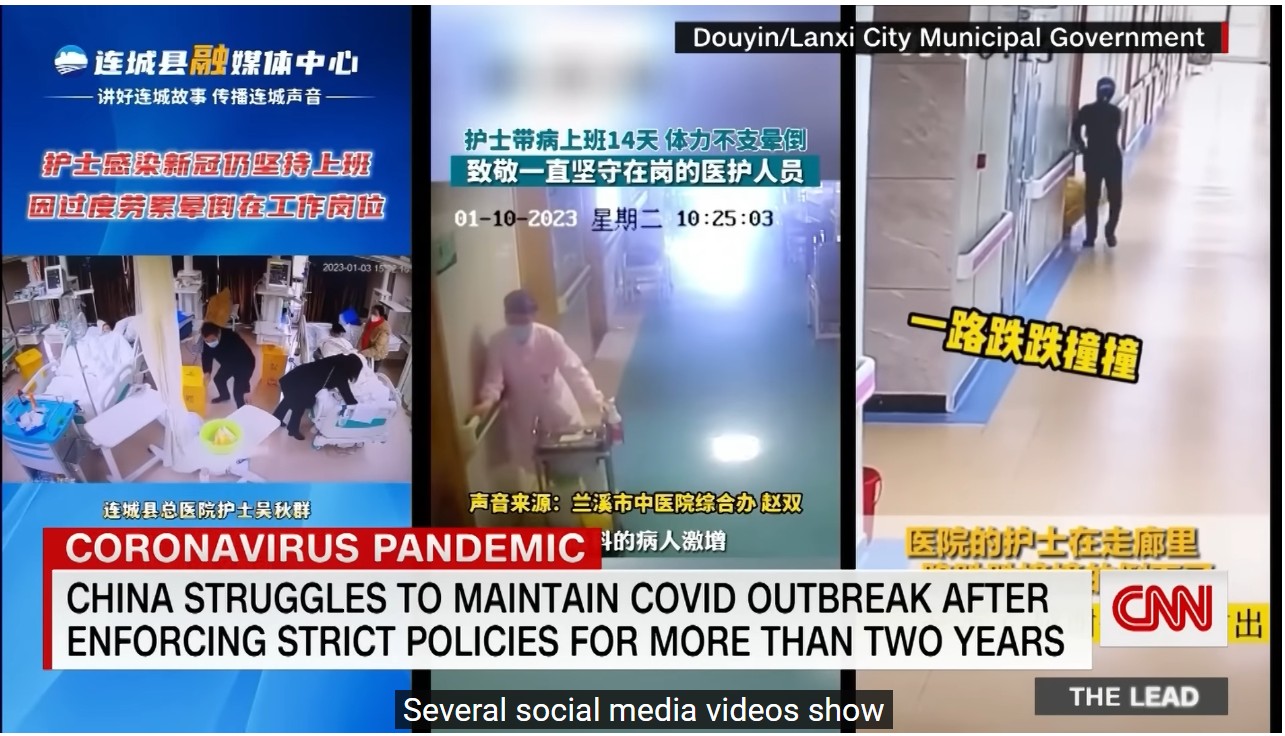
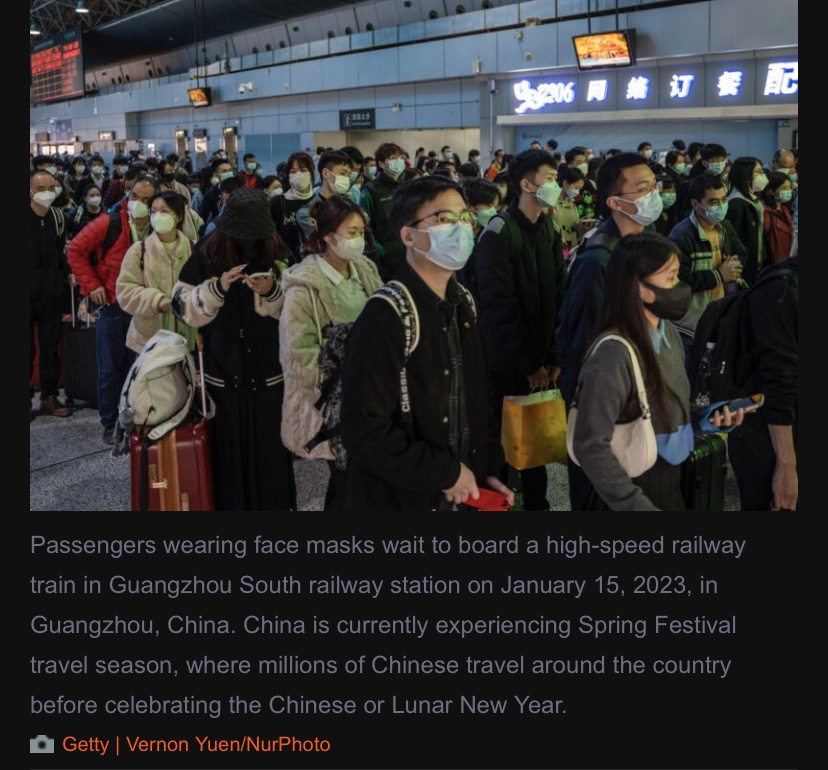
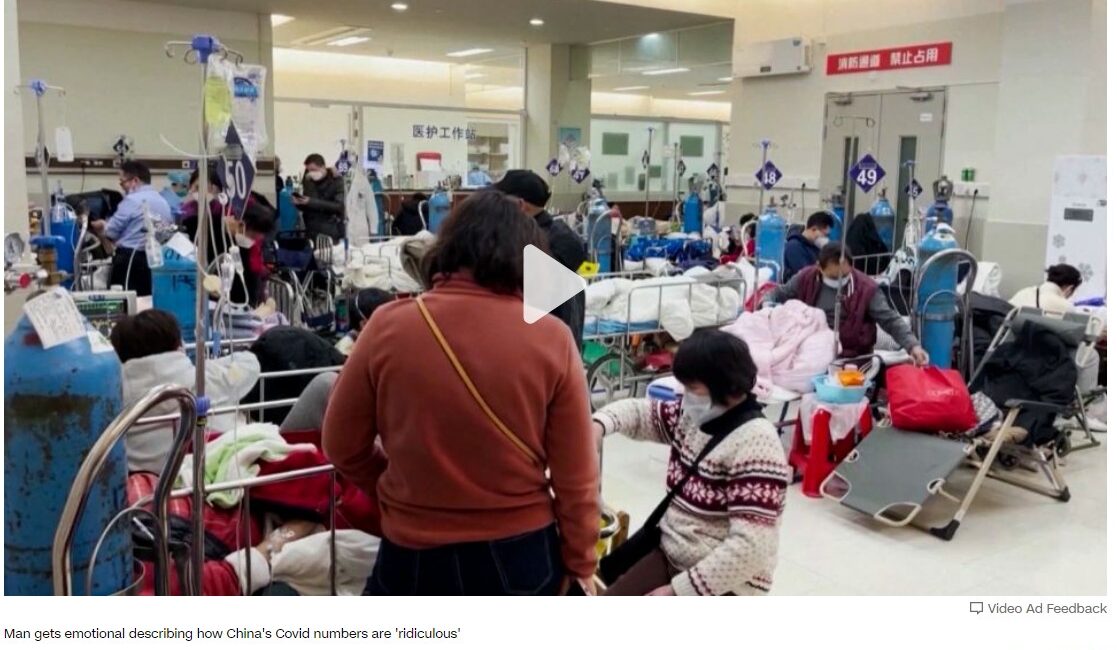
China’s healthcare system has been overwhelmed by a surge in Covid cases since abandoning its zero-Covid policy last month. Now there are fears that the Covid crisis could worsen amid Lunar New Year celebrations. CNN’s Ivan Watson reports.
There have been attempts to rein in hacking specifically.
In 2015 the US and China struck a deal in which both sides pledged not to carry out “cyber-enabled theft of intellectual property, including trade secrets or other confidential business information for commercial advantage”.
By the following year, the US National Security Agency had accused the Chinese of violating the agreement, although it did acknowledge that the quantity of attempts to hack government and corporate data had dropped “dramatically”.
But observers say the deal’s overall impact has been minimal. Mr Wang said it was a “joke” due to a lack of enforcement. Chinese cyber-espionage in the US has been “pervasive” and extends to academic labs. “It has been going on in every aspect of Western businesses,” he told the BBC.
However Lim Tai Wei from the National University of Singapore noted that there were no “definitive uncontested studies” on the extent of the phenomenon.
“Some believe that there was a short dip in Chinese cyber espionage against the US, but resumed its former level thereafter. Others believe it failed due to the overall breakdown in US-China relations,” he said.
Meanwhile the US is now directly trying to block China’s progress in the key semiconductor industry – vital for everything from smartphones to weapons of war – saying China’s use of the technology poses a national security threat.
In October, Washington announced some of the broadest export controls yet, requiring licences for companies exporting chips to China using US tools or software, no matter where they are made in the world. Washington’s measures also prevent US citizens and green card holders from working for certain Chinese chip companies. Green card holders are US permanent residents who have the right to work in the country.
#ArunachalPradesh; Video footage from LAC #Yangtse area,Tawang Sector, how Indian Army chased away Chinese Army on 9th Dec 2022.
300 plus Chinese PLA Soldiers ran away leaving 25-30 soldiers behind who were than trashed by Indian Army's Sikh Reg't and Jat Regiment. #TawangSectorpic.twitter.com/9jwHkBFqqO
Such Chinese outposts represent China’s efforts to police its diaspora far beyond its borders which has caused a dispute. the FBI raid is the first known example of the authorities seizing materials from one of the outposts, reported ANI citing the US daily. ‘110 Overseas – China’s Transnational Policing Gone Wild’ was released by Madrid-based Safeguard Defenders in September 2022. This was later followed by case studies of how such stations had been used in persuasion operations in Spain and Serbia.
— Read on m.republicworld.com/world-news/us-news/us-steps-up-fight-against-chinese-overseas-police-service-centers-articleshow.html
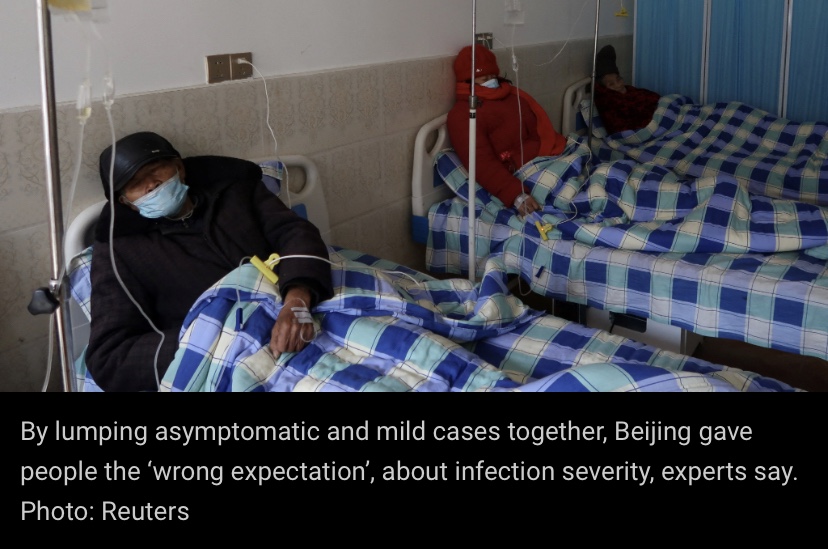
The World Health Organization has accused China of “under-representing” the severity of its Covid outbreak and criticized its “narrow” definition of what constitutes a Covid death, as top global health officials urge Beijing to share more data about the explosive spread.
“We continue to ask China for more rapid, regular, reliable data on hospitalizations and deaths, as well as more comprehensive, real-time viral sequencing,” WHO director-general Tedros Adhanom Ghebreyesus said at a media briefing in Geneva Wednesday.
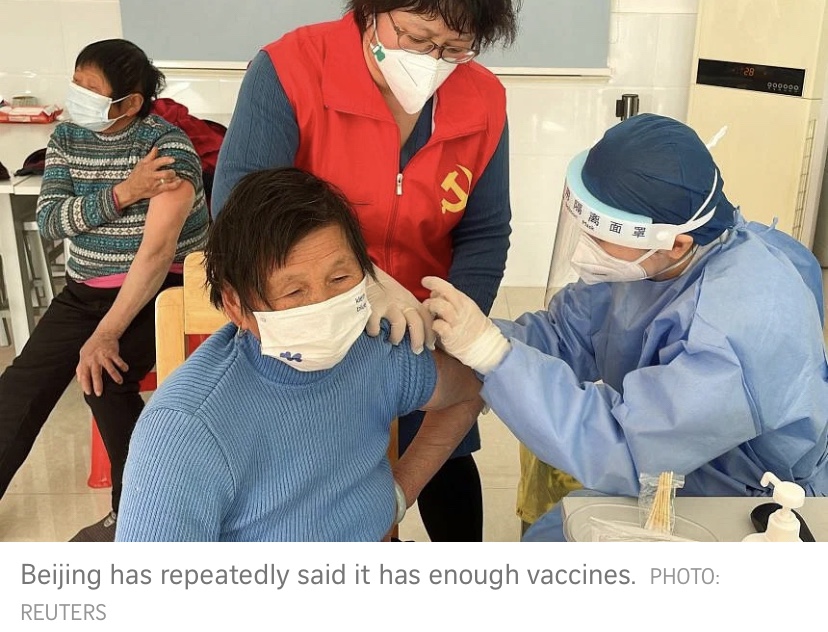
“WHO is concerned about the risk to life in China and has reiterated the importance of vaccination, including booster doses, to protect against hospitalization, severe disease, and death,” he said.
Speaking in more detail, WHO executive director for health emergencies Mike Ryan said the numbers released by China “under-represent the true impact of the disease” in terms of hospital and ICU admissions, as well as deaths.