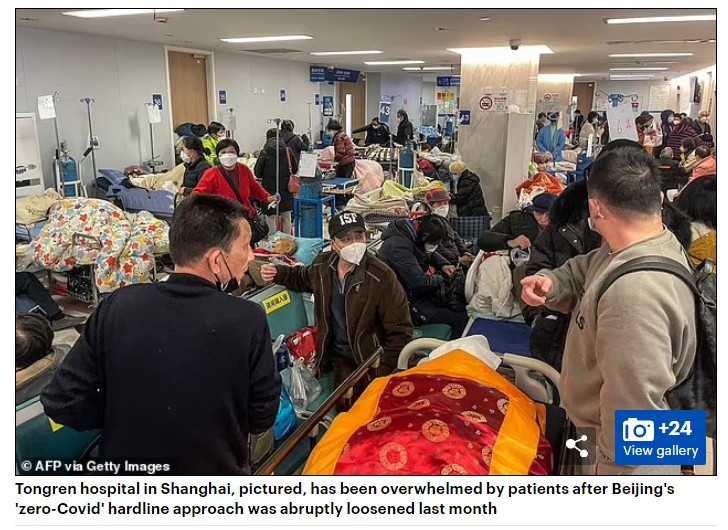
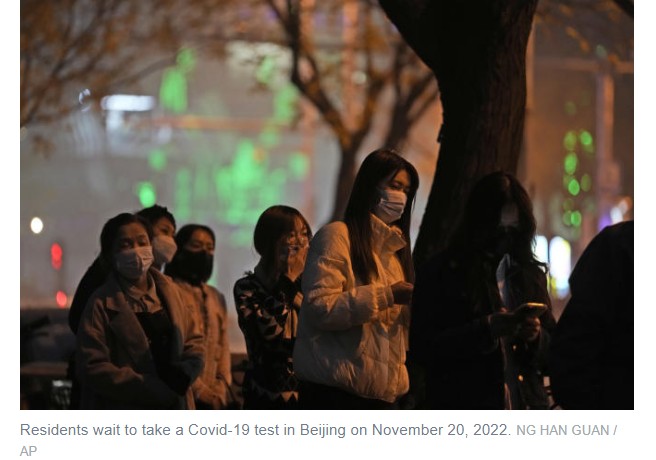
A simple “Are you okay?” was enough for Stella (not her real name), 30 years old, to open the floodgates: “Five months after the Shanghai lockdown, we are still locked up in China. We don’t know if we will be able to go outside next weekend or even leave our apartment because we are still at risk of being quarantined at the slightest contact in the building. This constant uncertainty is exhausting. I want to go out, to see the world,” said the young woman, sitting on a mattress in a gym in the city center
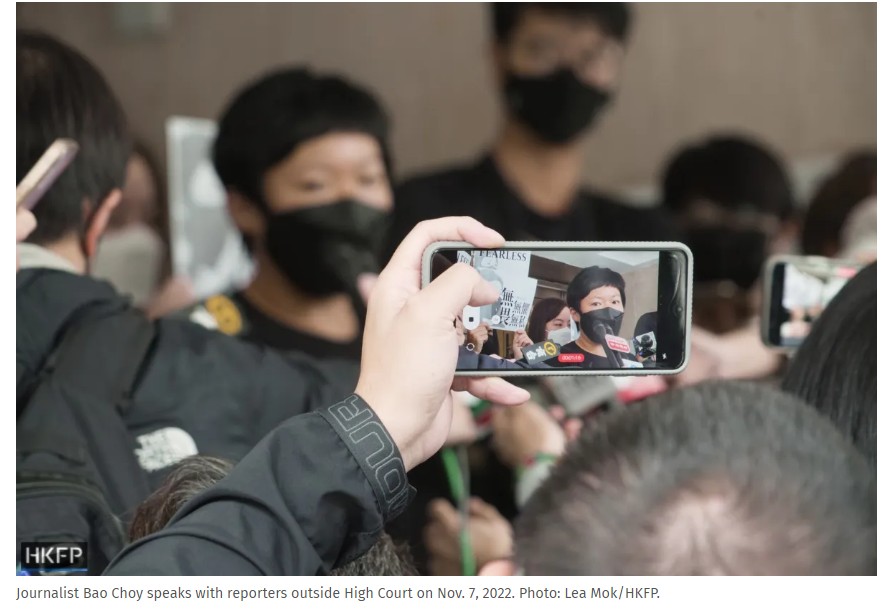
December 2022 The national security trial of pro-democracy media tycoon Jimmy Lai was adjourned on its scheduled starting date until December 13 as Hong Kong waits for Beijing to “clarify” the law as to whether overseas lawyers are allowed to appear in such cases. Defendants charged under the national security law could be sent to mainland China for trial if they cannot find a lawyer in Hong Kong, the city’s top delegate to Beijing’s advisory body said. US-based NGO Human Rights Watch announced it would co-host the Human Rights Press Awards after Hong Kong’s Foreign Correspondents’ Club (FCC) cancelled the event earlier this year. Jimmy Lai, the founder of defunct pro-democracy tabloid Apple Daily, was sentenced to five years and nine months in jail after being convicted of fraud. The jailing of pro-democracy media tycoon Jimmy Lai over fraud charges “has nothing to do with freedom of the press or freedom of speech,” the Hong Kong government said, following criticism from the US. Chung Pui-kuen, a former top editor of Hong Kong news outlet Stand News facing sedition charges was granted bail after spending almost a year in custody pending trial. The national security trial against Apple Daily founder Jimmy Lai was adjourned until September 25, 2023. Proceedings against former editors of independent outlet Stand News were “unfair” and “not transparent,” the defence argued, as the court sought to rule on whether the discovery of previously undisclosed evidence was grounds to terminate the trial. An additional six articles published by the shuttered independent media outlet Stand News were flagged by the prosecution for potentially violating Hong Kong’s colonial-era sedition law.
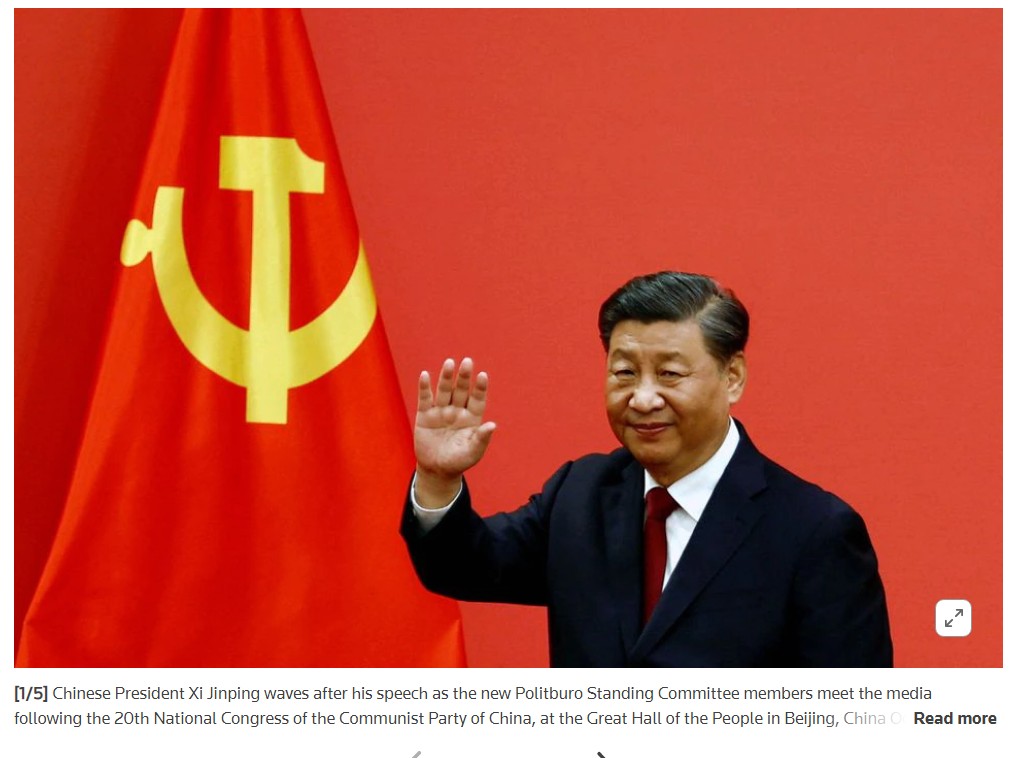
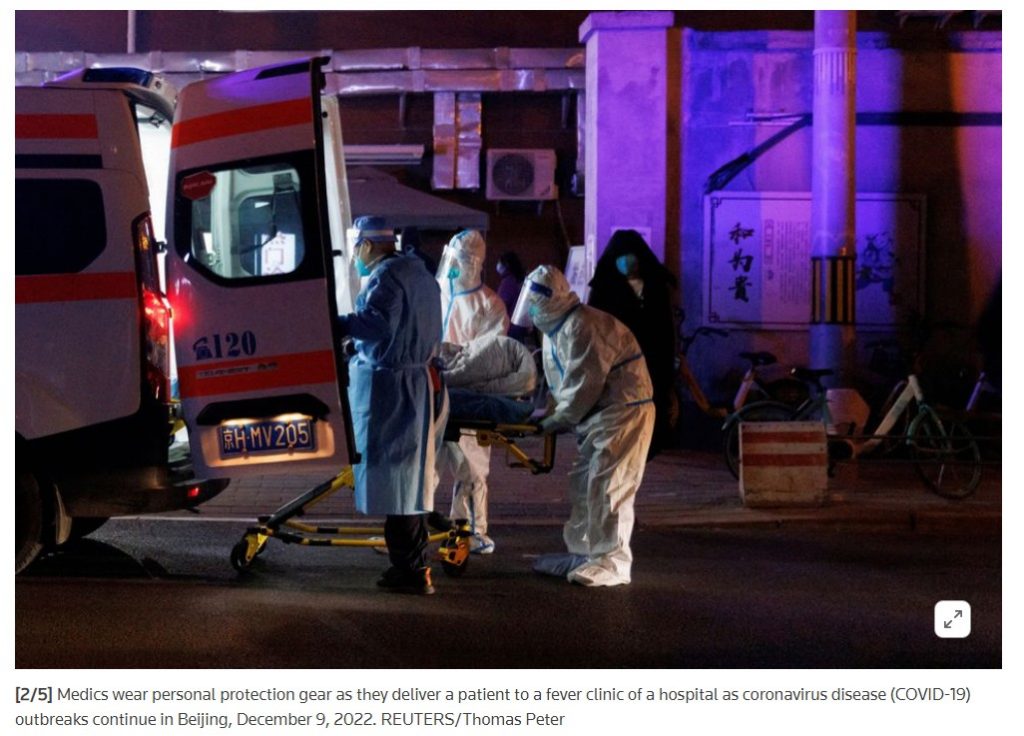
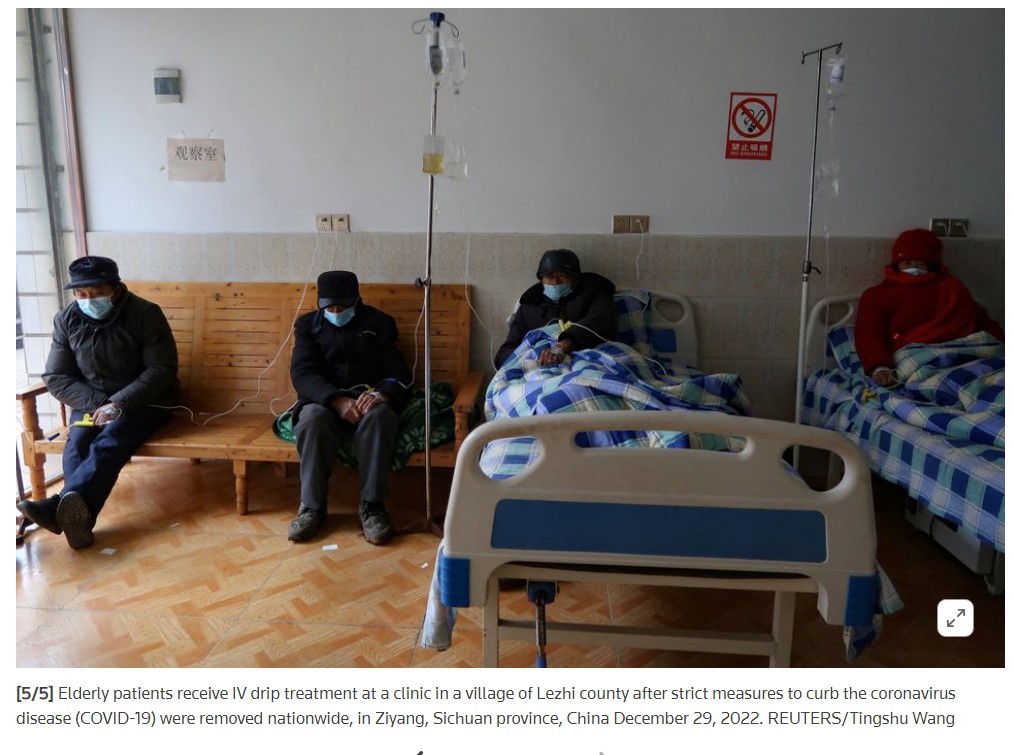
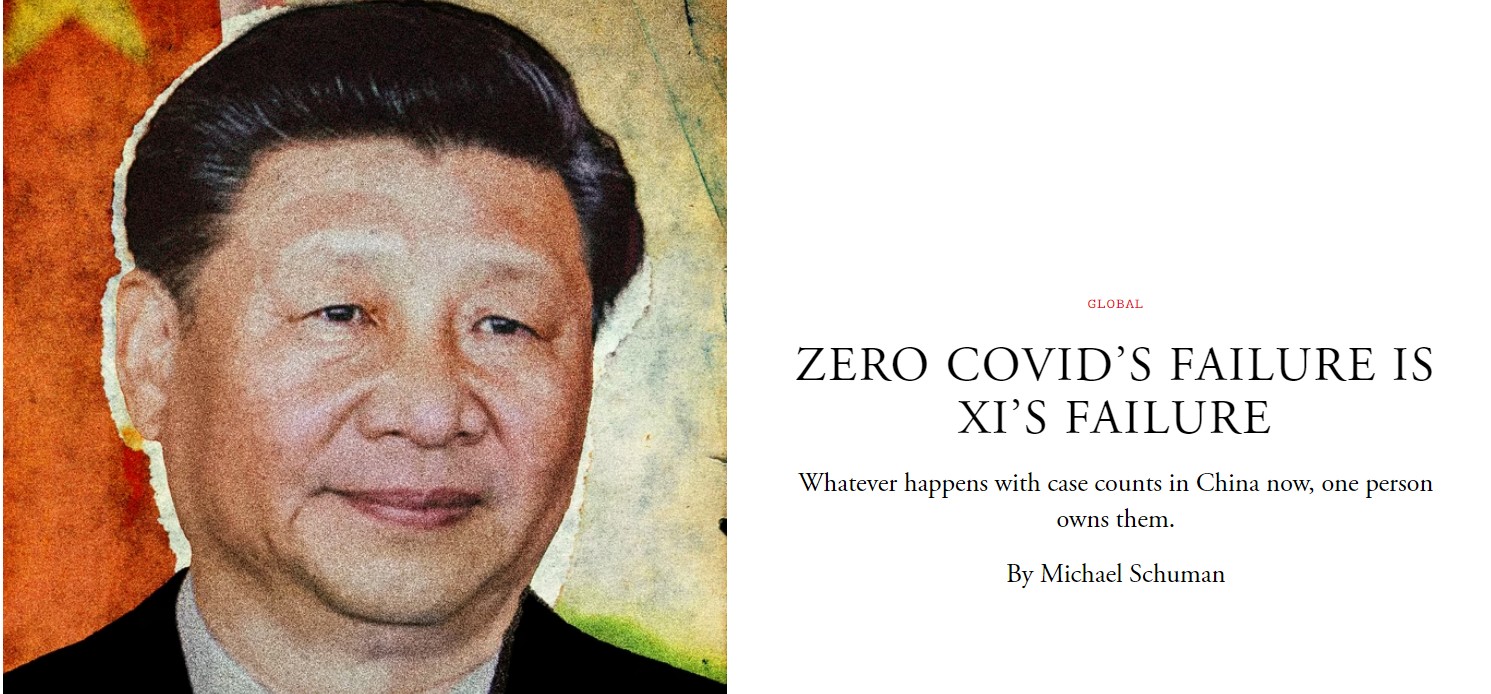
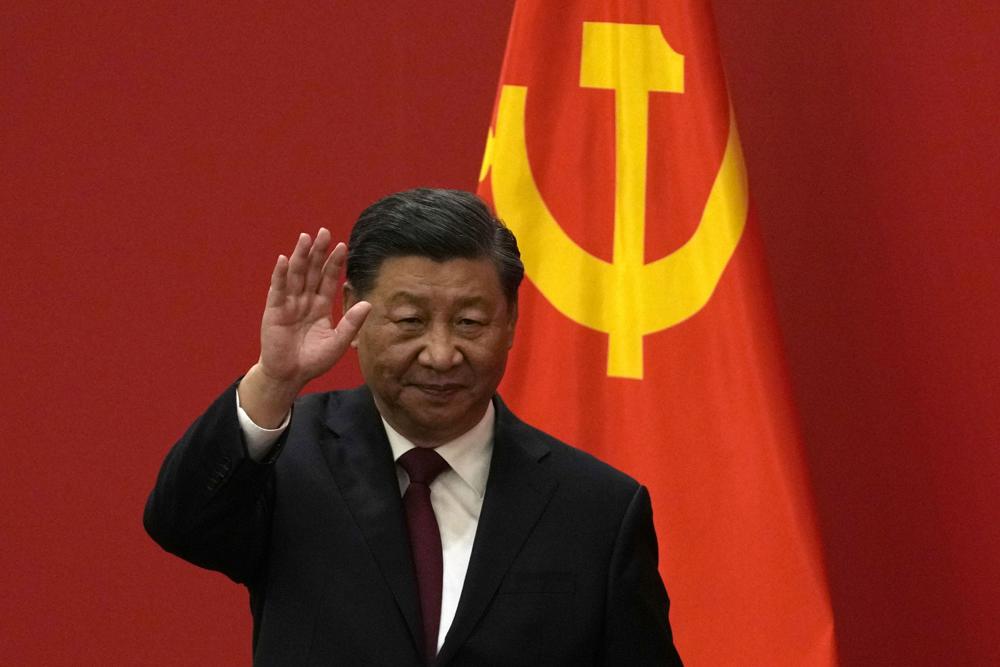
For three years, China’s leader, Xi Jinping, fought a remorseless battle against COVID-19. He called it a “people’s war”—a national struggle to defeat an unseen foe and save lives. The contest locked families in their homes for weeks, strangled the economy, and closed the country to the world. Other governments that failed to contain the pandemic may be indifferent to death and suffering, the message was, but not the Chinese Communist Party, which cares about life above all else.
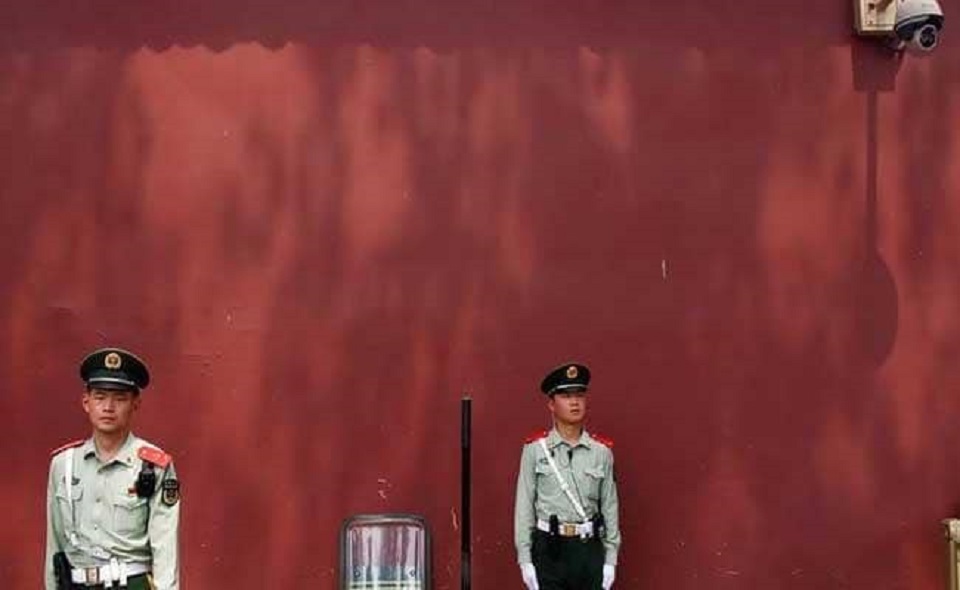
China’s 55 police stations
Earlier this year, Spanish-based NGO Safeguard Defenders said China had set up 54 overseas police stations around the world, which are sometimes used to target critics of the Chinese Communist Party.
German lawmaker Joana Cotar, whose request led to the information being disclosed, said it was an “outright scandal” the government only revealed the details when asked and that it “simply accepts” the stations’ existence.
— Read on www.citizen.co.za/news/news-world/china-police-stations-uncovered-germany/
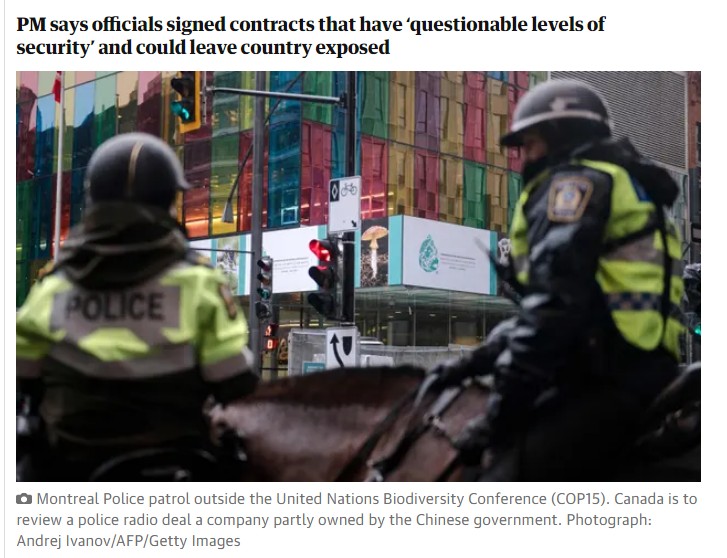
The Shenzen-based company is partly owned by the Chinese government and blacklisted by the United States – raising concerns about potential Chinese access to Royal Canadian Mounted Police (RCMP) communications.
TikTok is a formidable tool for espionage and mass control, and the Chinese communist dictatorship could do whatever they want with it. These, in brief, are the concerns expressed by FBI director Christopher Wray while attending an event at the University of Michigan’s Gerald R. Ford School of Public Policy.
— Read on www.techspot.com/news/96859-fbi-director-tiktok-could-china-best-espionage-tool.html
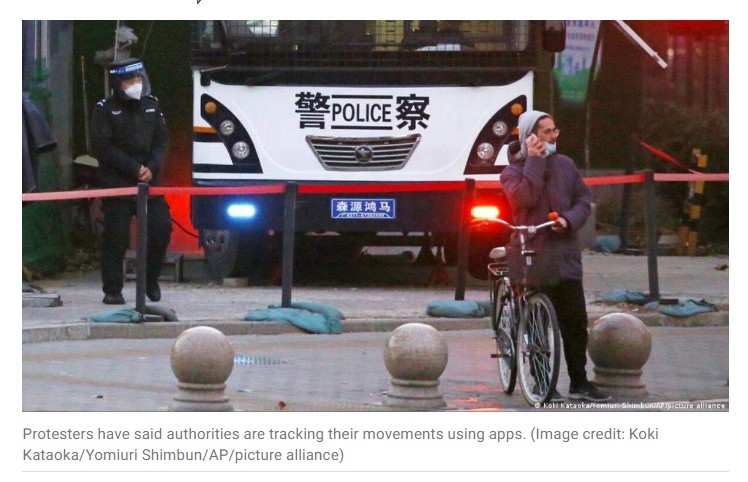
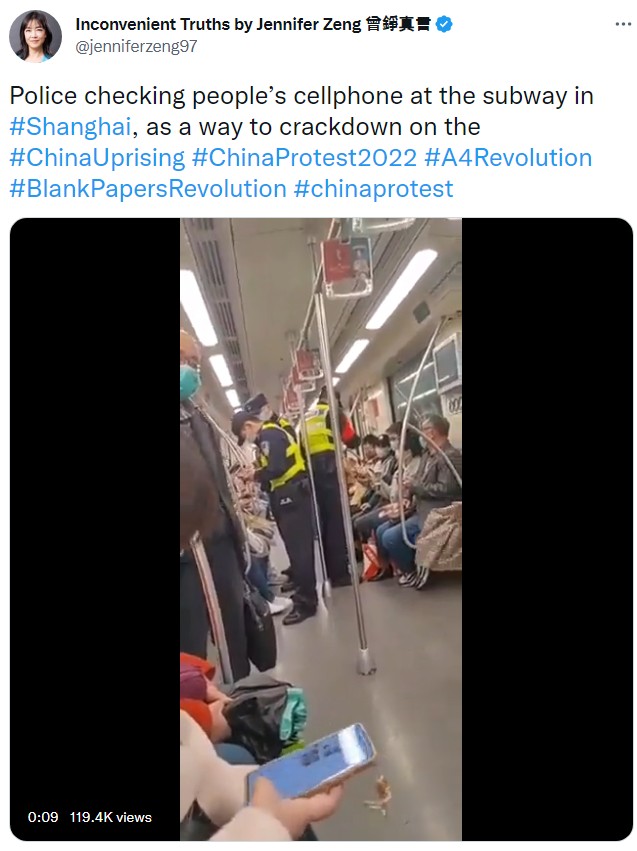
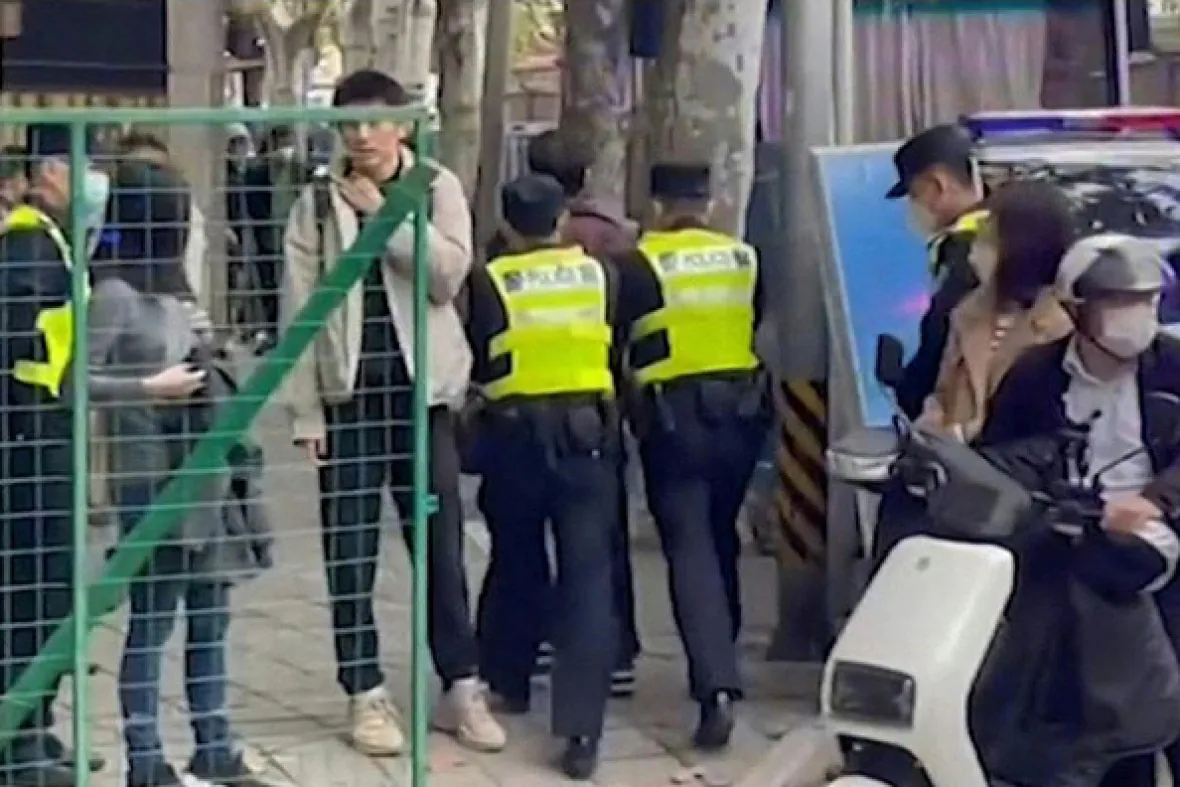
Several sources told DW that police in large cities like Shanghai have been randomly checking people’s phones on the street or on subways. Police have demanded people provide personal information and immediately remove apps like Telegram, Twitter or Instagram.
Others have said they were called by police and had their phones searched by authorities.
“Police warned me not to use Telegram and asked me to stop sharing information about the pandemic through the software,” said one protester with the surname Lin, who declined to be identified by his full name due to security concerns. — Read on www.dw.com/en/china-fights-lockdown-protests-by-targeting-smartphones/a-63953000
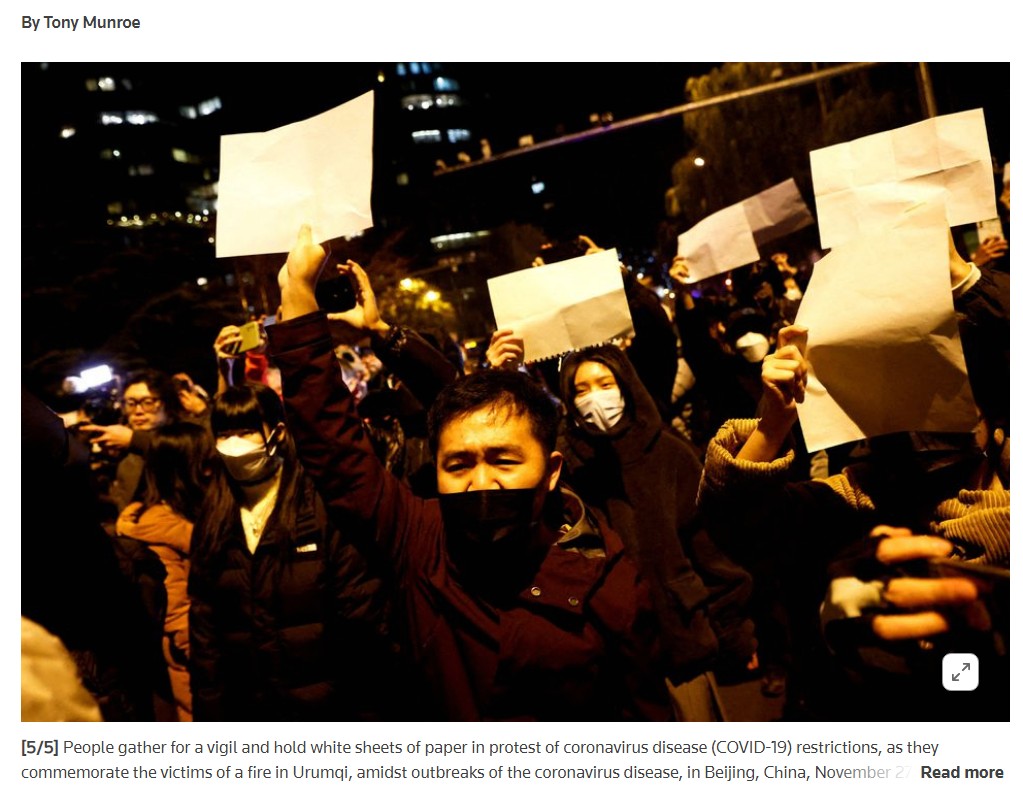
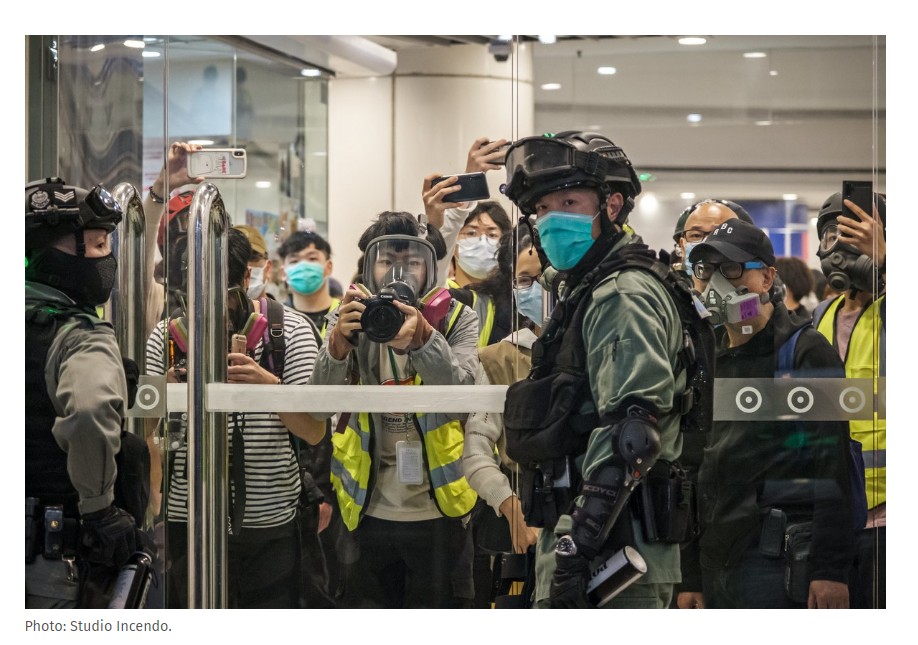
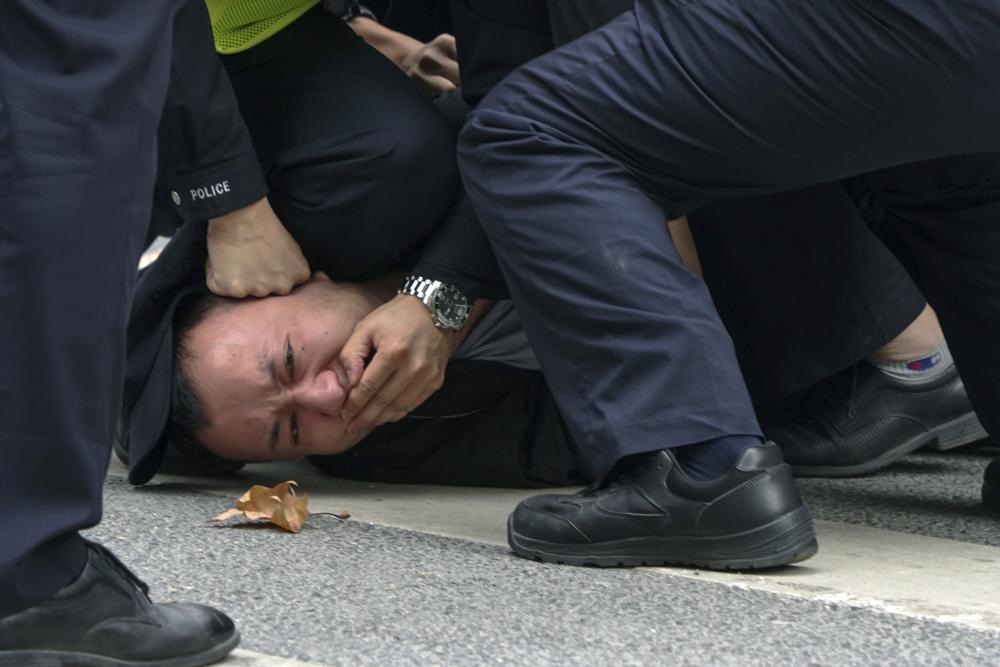
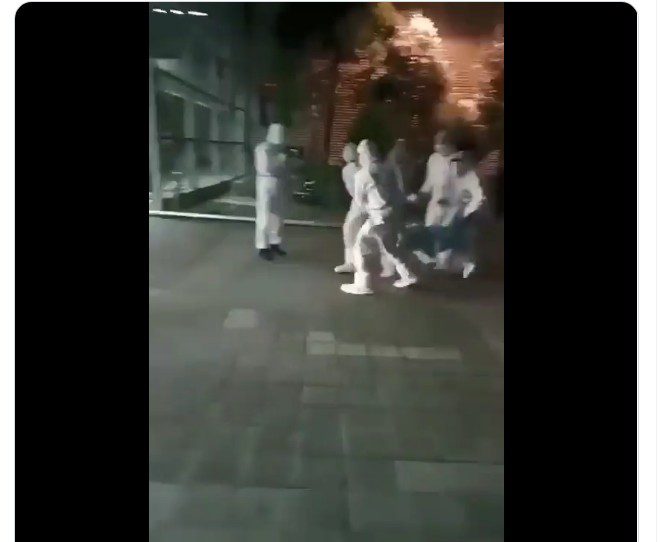
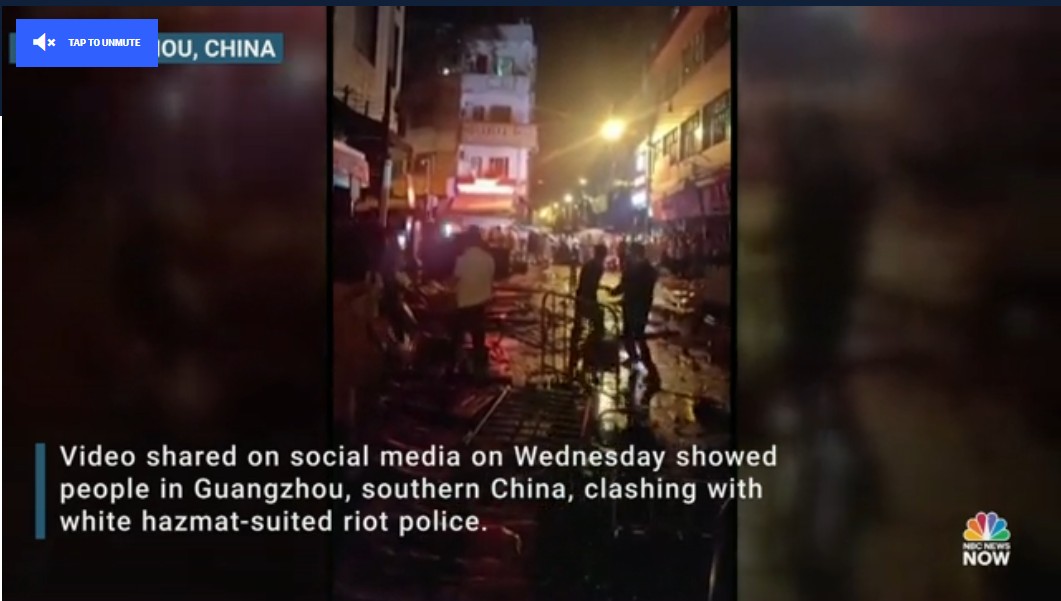
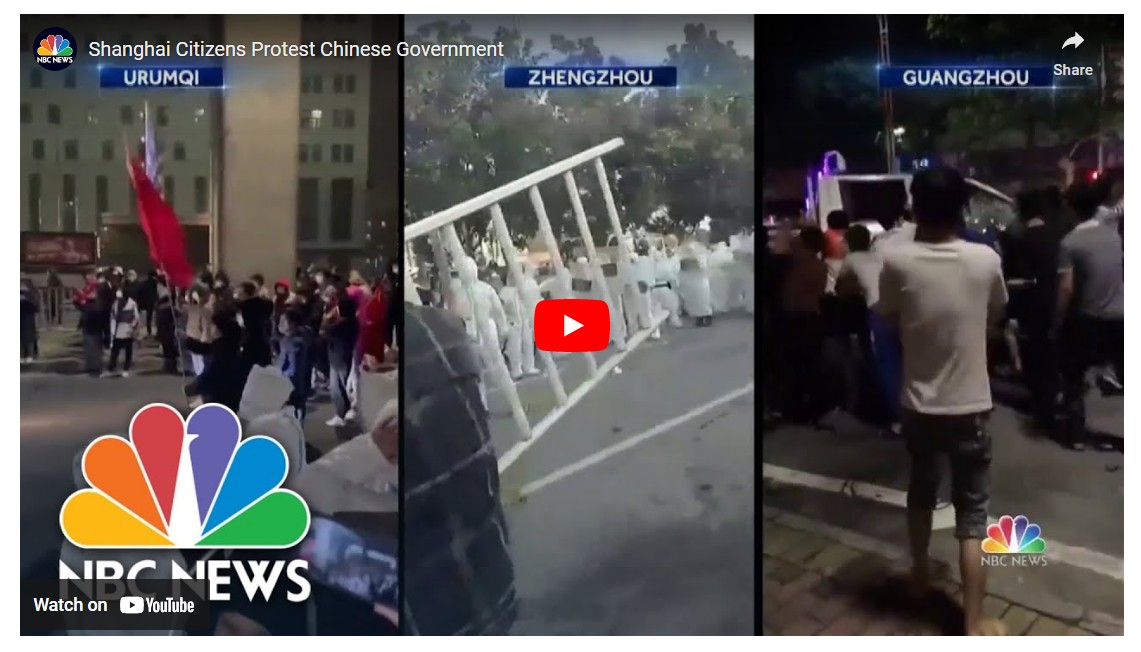
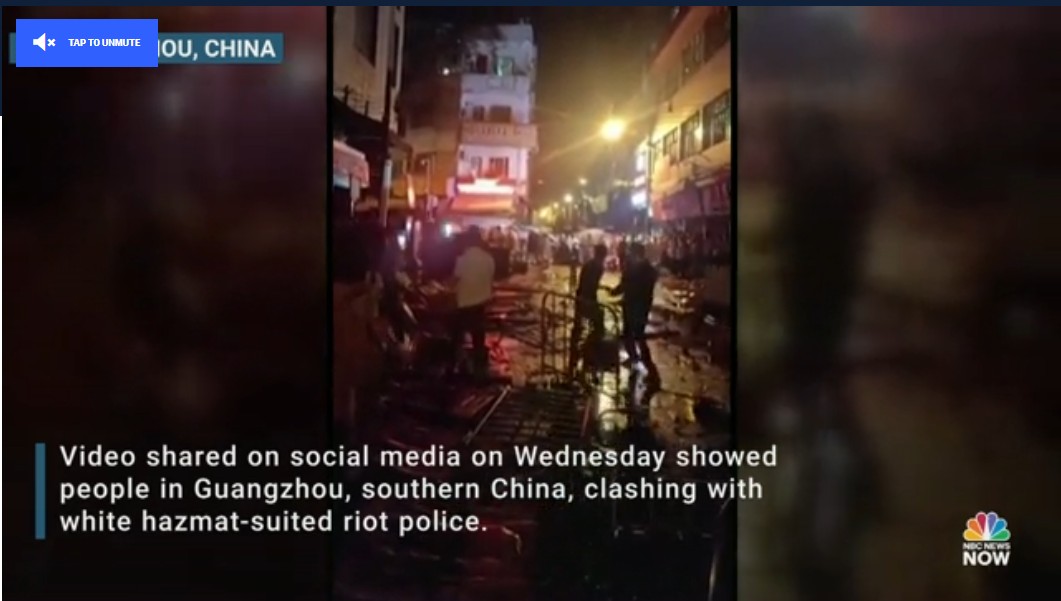
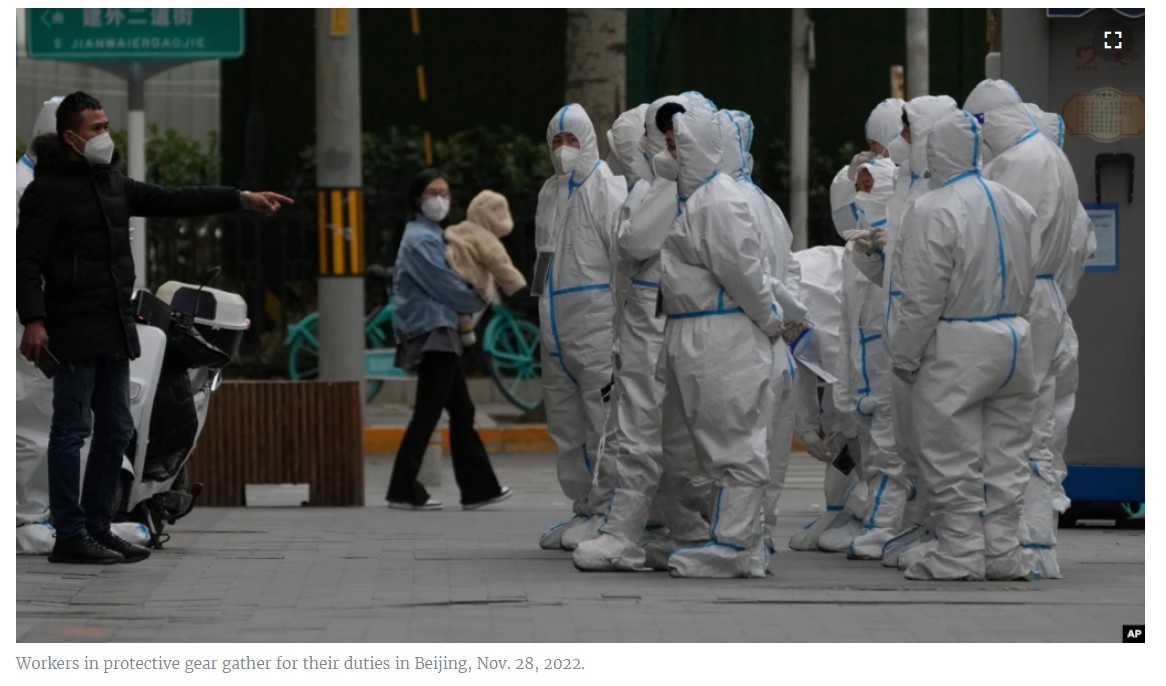
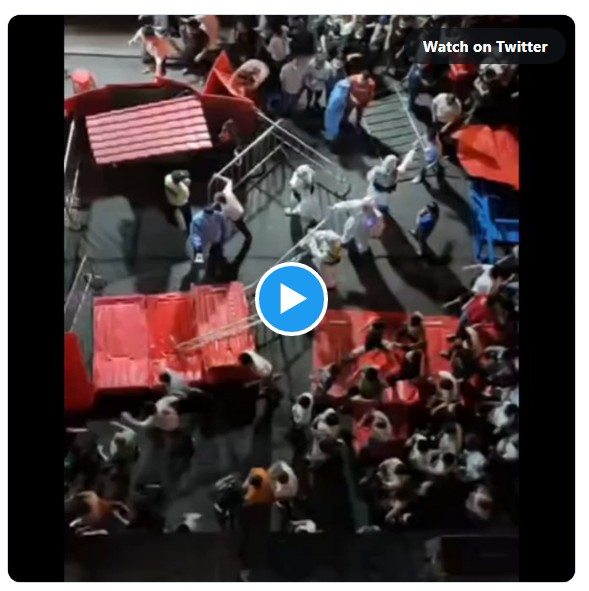
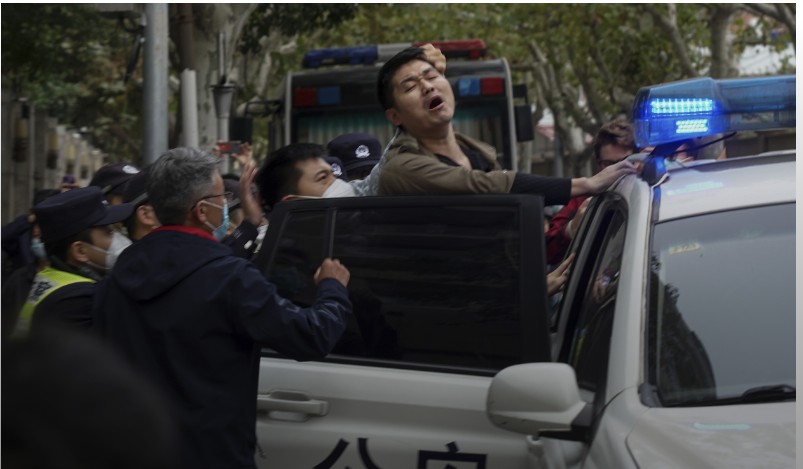
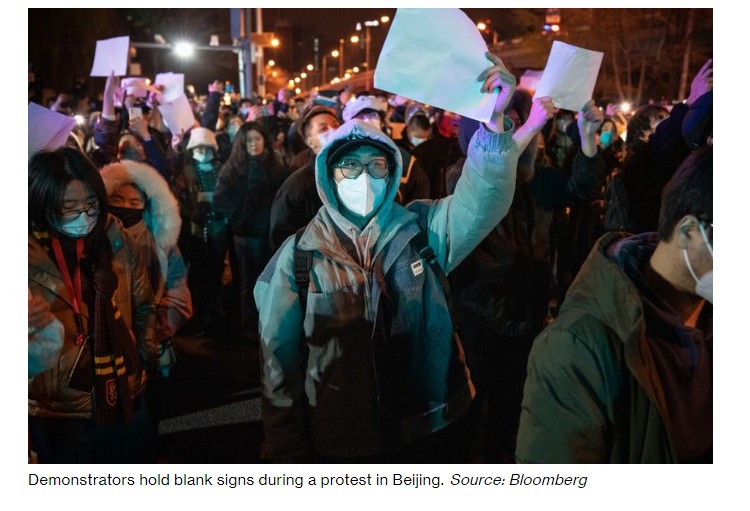
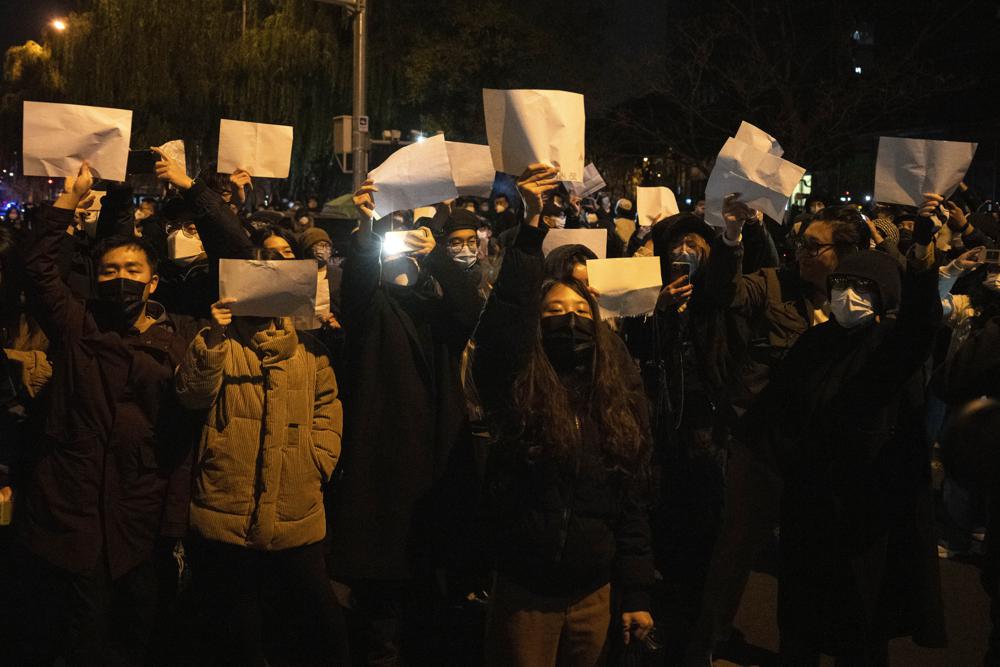
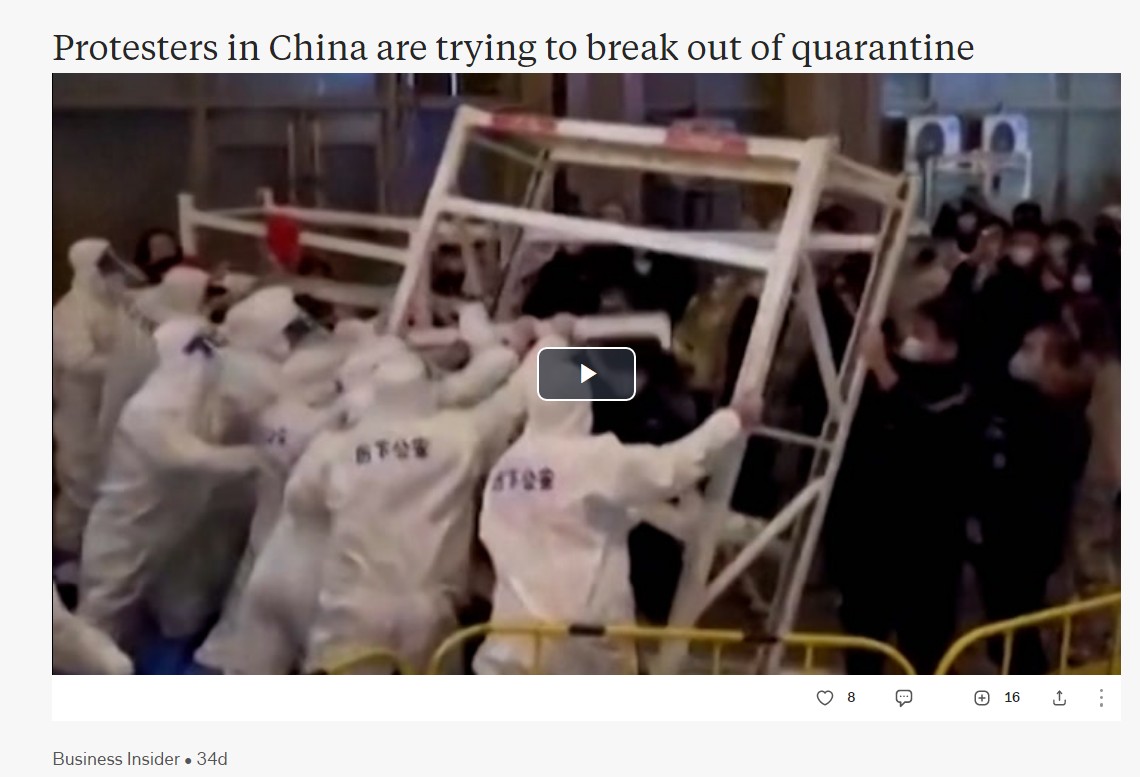
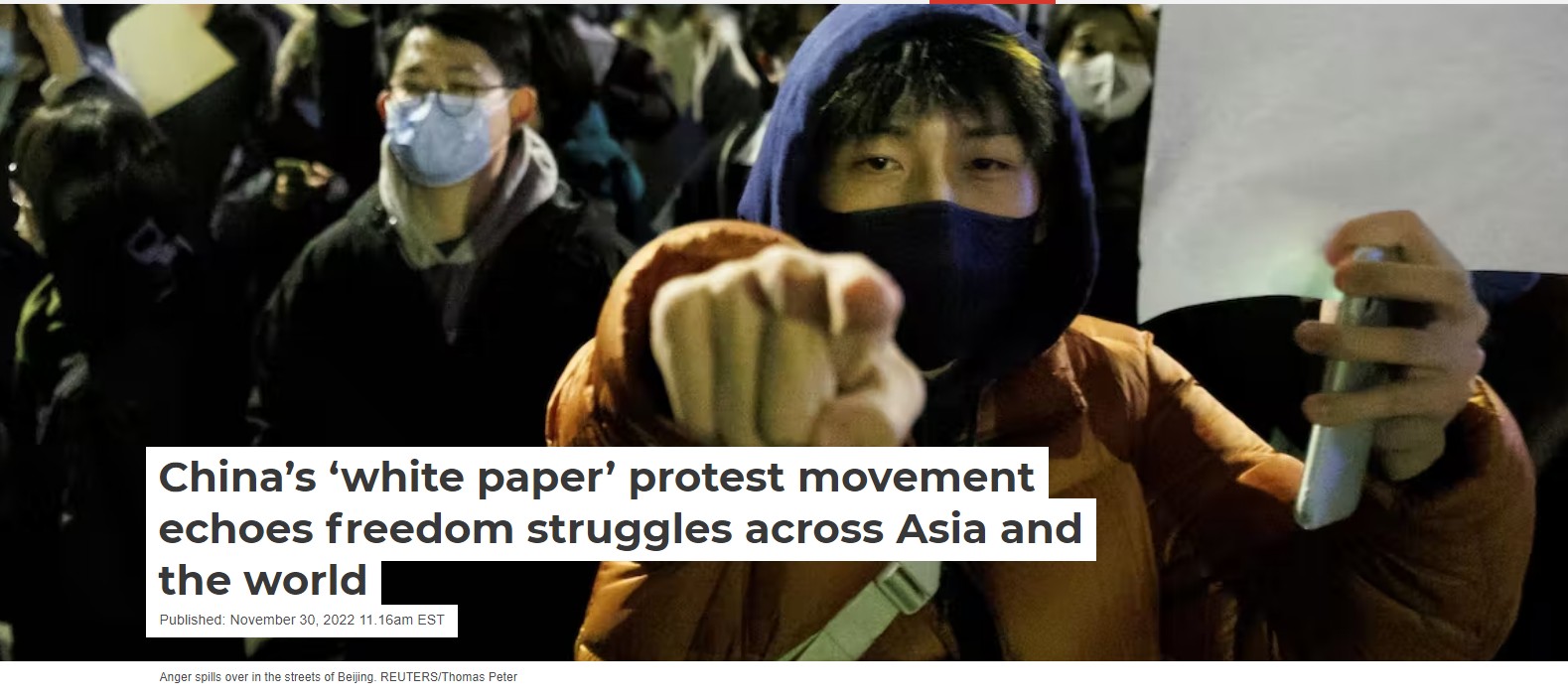
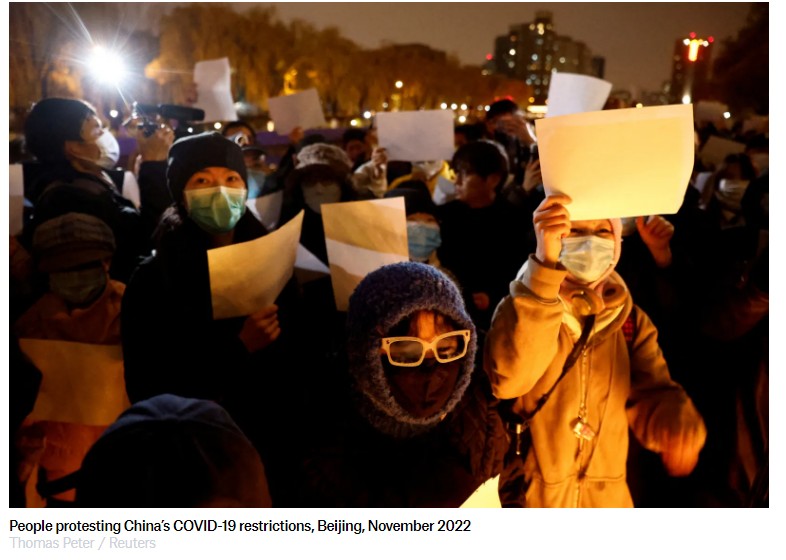
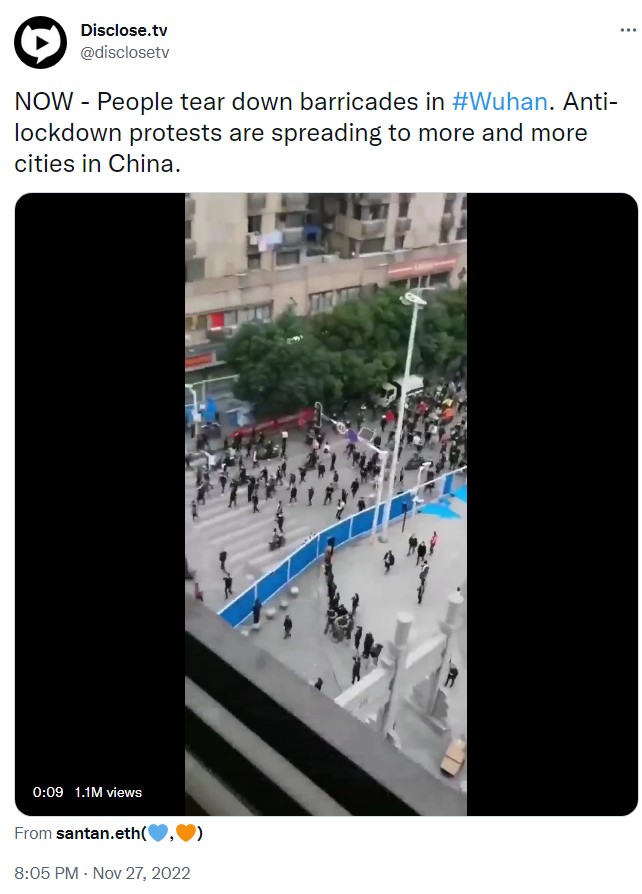
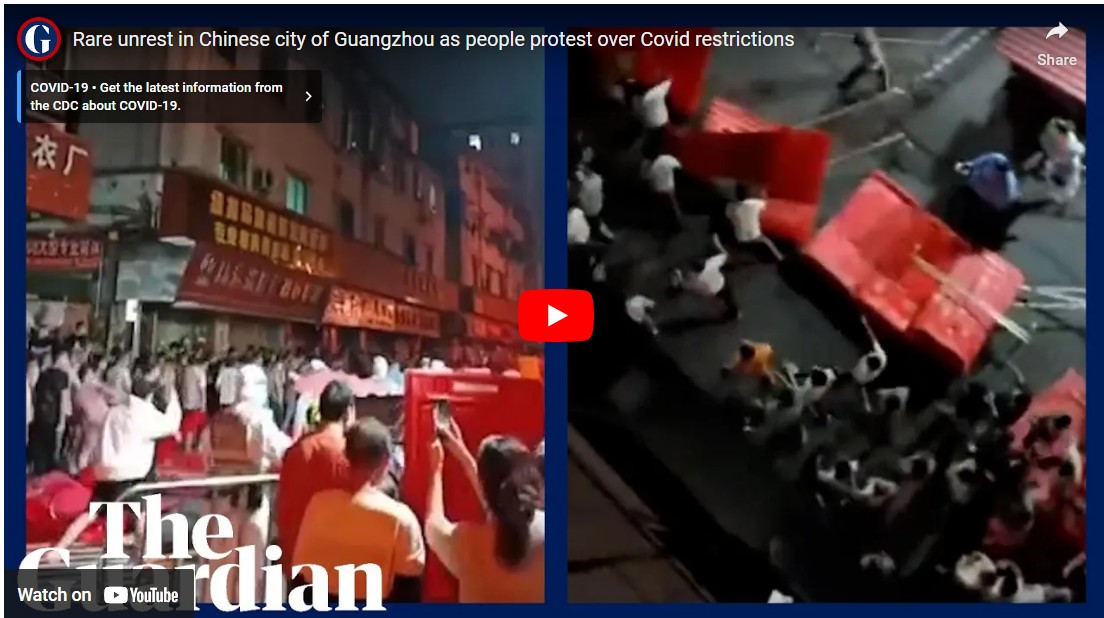
People in the Chinese manufacturing hub of Guangzhou clashed with white hazmat-suited riot police on Tuesday night, online videos showed, the latest in a string of protests that escalated over the weekend over stringent Covid-19 lockdowns.
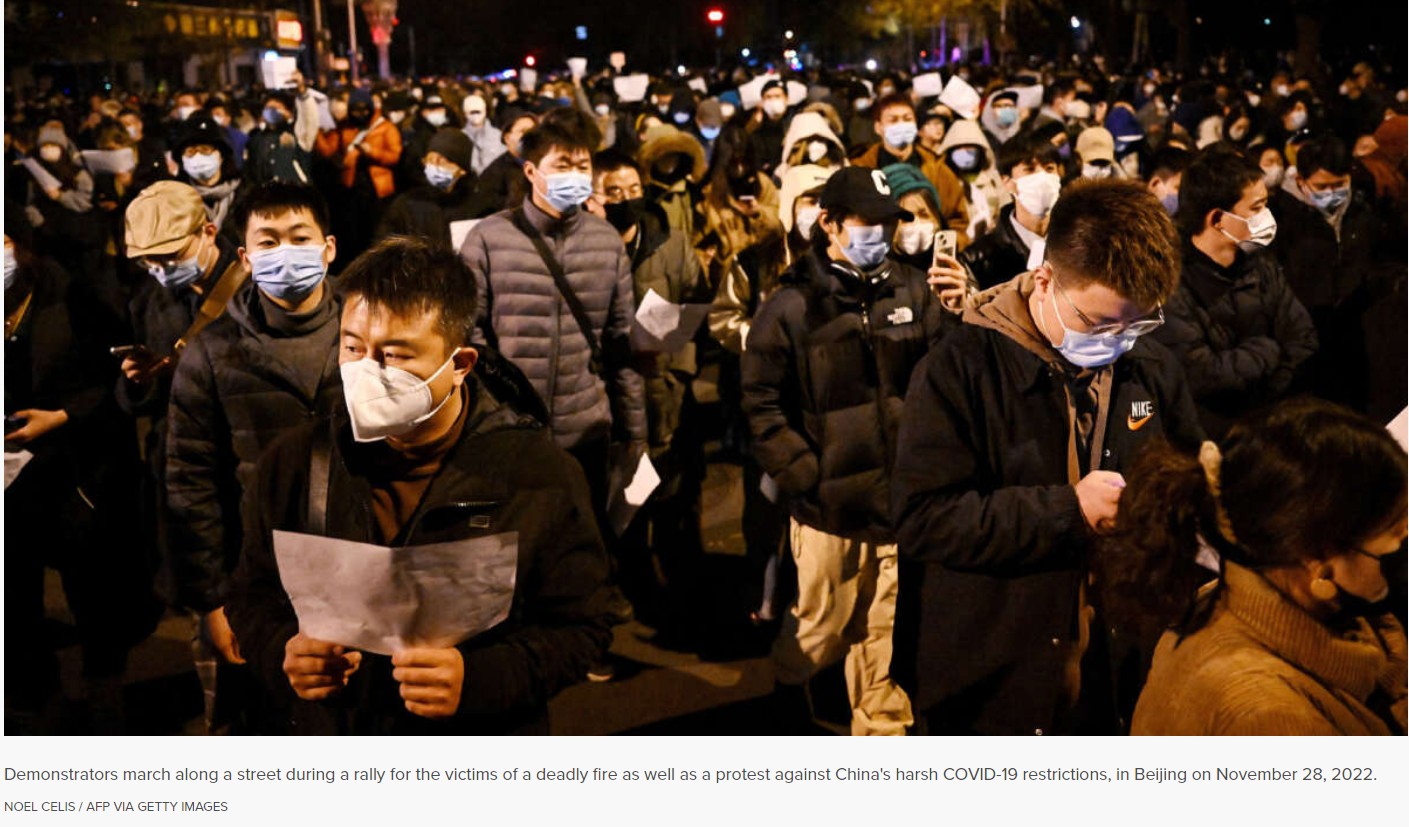
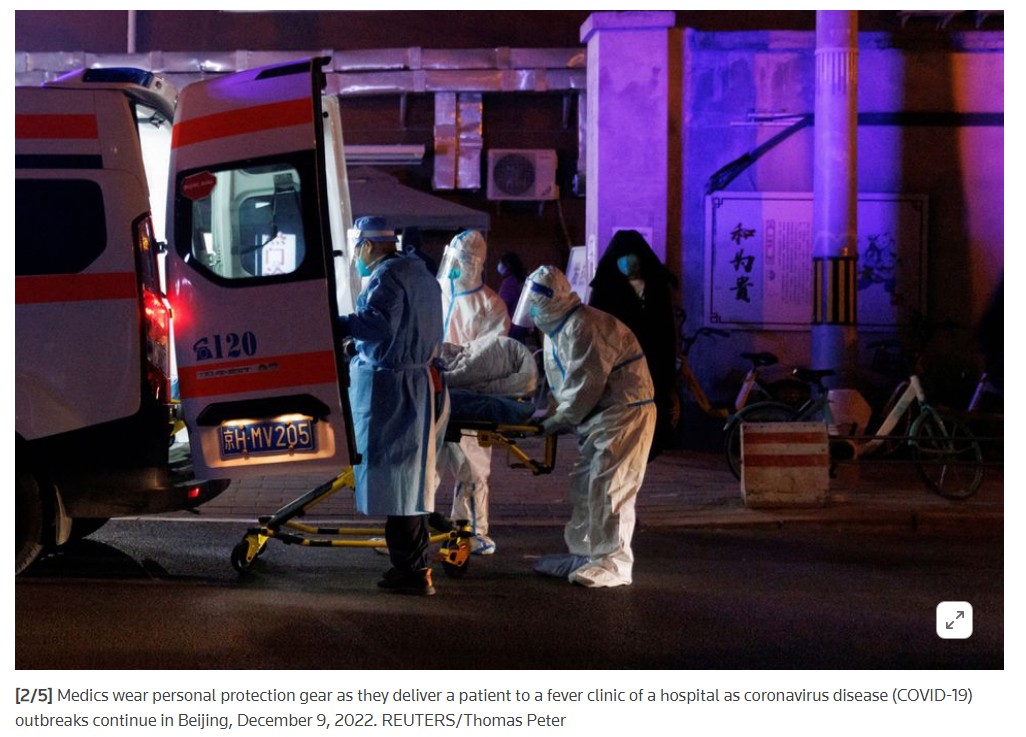
The clashes, which follow protests in Shanghai, Beijing and elsewhere, erupted as China posts record numbers of Covid cases daily and health officials, including in the southern region around Guangzhou, announced a slight loosening of the curbs.
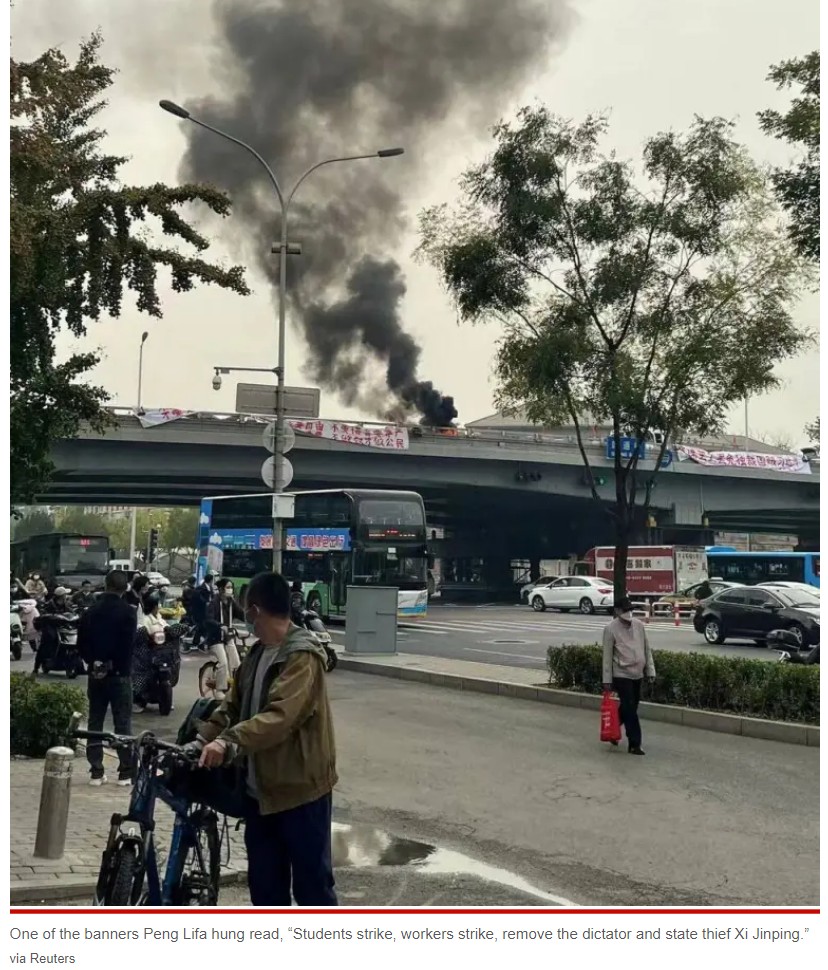
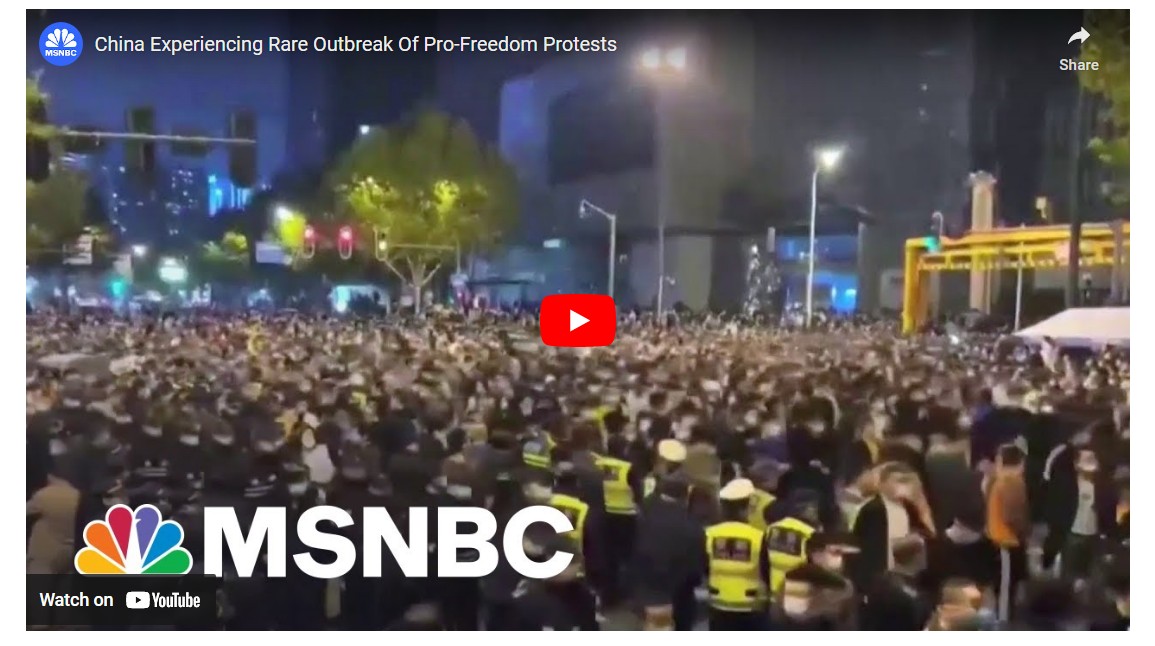
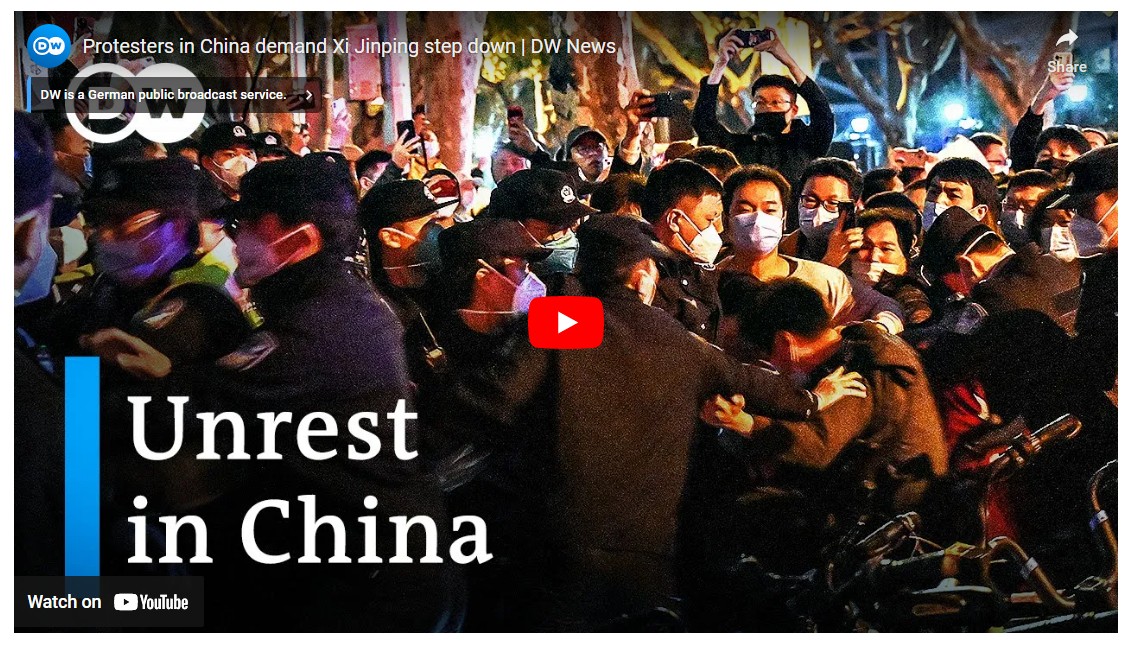
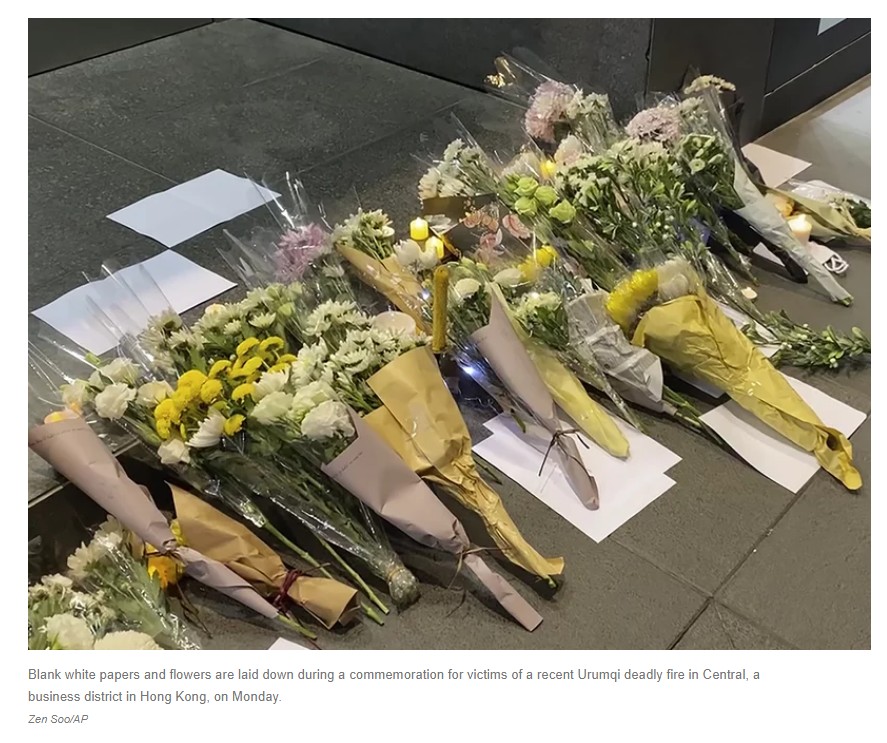
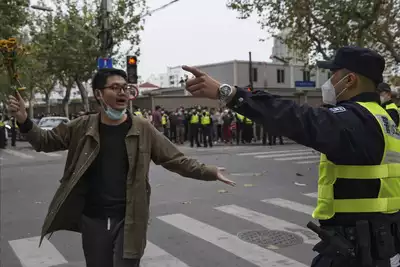
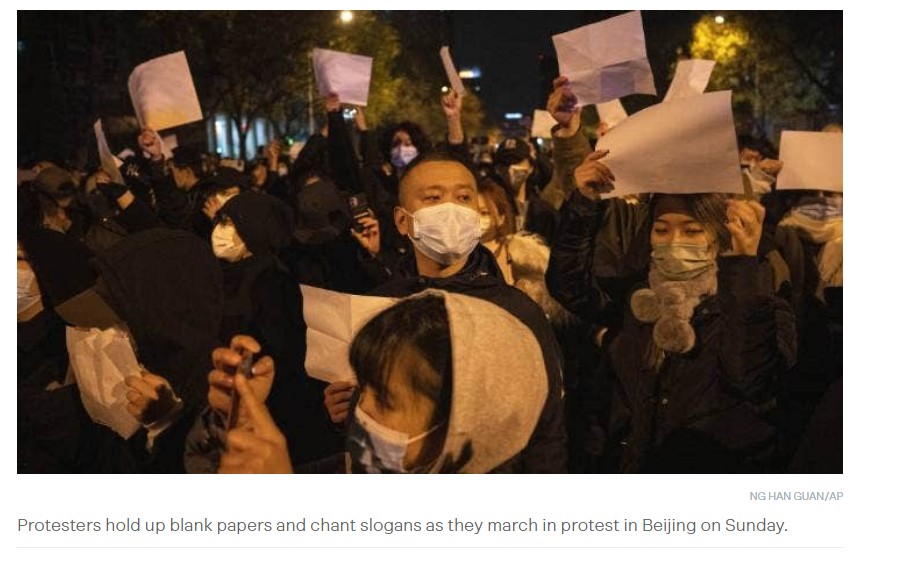
Mainland China’s biggest wave of civil disobedience since the 1989 Tiananmen protests comes as its economy sputters after growing at breakneck rates for decades.
That era of prosperity was fundamental for the social contract between the Communist Party and a population whose freedoms have been dramatically curtailed since President Xi Jinping took power 10 years ago…….