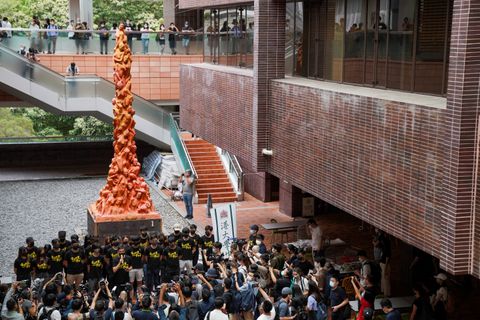
The two-tonne copper Pillar of Shame was first exhibited at a Tiananmen Square commemoration in Hong Kong in 1997, the same year Britain handed the city back to China.
In 2021, the University of Hong Kong dismantled and removed the statue “based on external legal advice and risk assessment for the best interest of the university”. It has since been kept in a cargo container on university-owned land.
Danish sculptor Jens Galschiot, who created the work, said he had not been informed about its seizure by police.
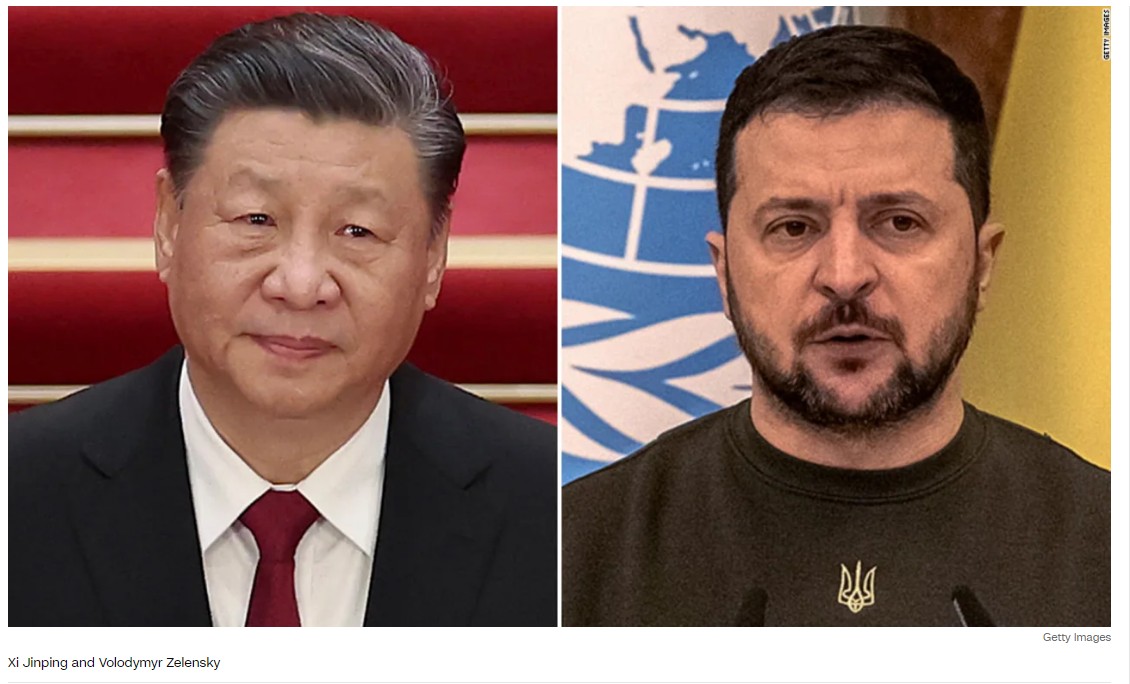
But another set of optics, Beijing’s close rapport with Moscow, has already embedded a deep skepticism in the West over China’s potential role as mediator.
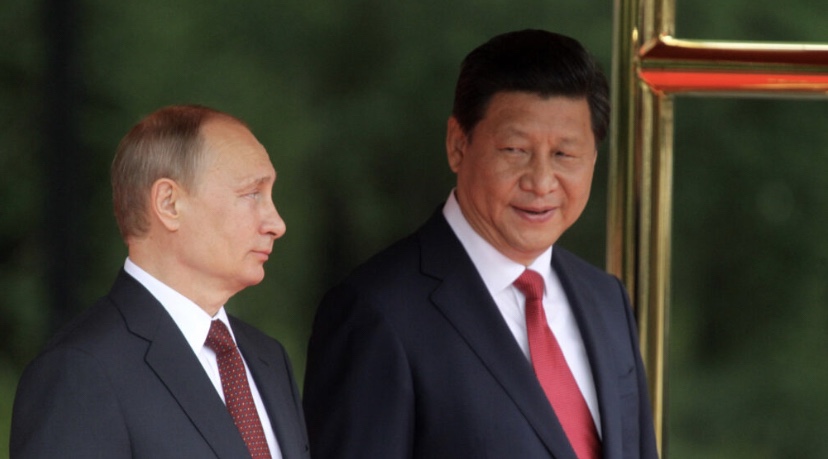
Since Russia’s invasion of Ukraine, Xi has claimed China’s neutrality, but has spoken with Putin five times – including twice in person – without picking up the phone to call Zelensky, despite a years-long strategic-level partnership between their countries.
China has also continued to carry out military exercises alongside Russian forces, with its defense minister visiting Moscow earlier this month and hailing “increasingly consolidated” trust between the two countries.
A vaguely-worded “political settlement” to the conflict released by China on the one-year anniversary of the invasion – and raised by Xi to Zelensky on Wednesday – has been widely viewed in the West and Kyiv as being far more favorable to Russia than Ukraine. It calls for a ceasefire but includes no provision that Moscow first withdraw its troops from Ukrainian land.
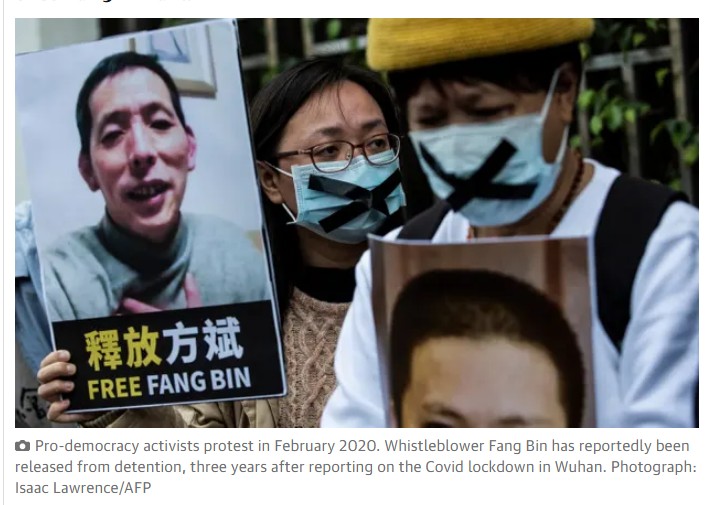
Fang was among a number of Chinese people who were targeted by authorities for publicly reporting the events of the world’s first major Covid-19 outbreak and lockdown. He and fellow citizen journalist Chen Qiushi, disappeared from Wuhan in February 2020.
Chen resurfaced in September 2021 in a video broadcast live on his friend’s YouTube feed, saying he had suffered from depression. He did not provide details about his disappearance.
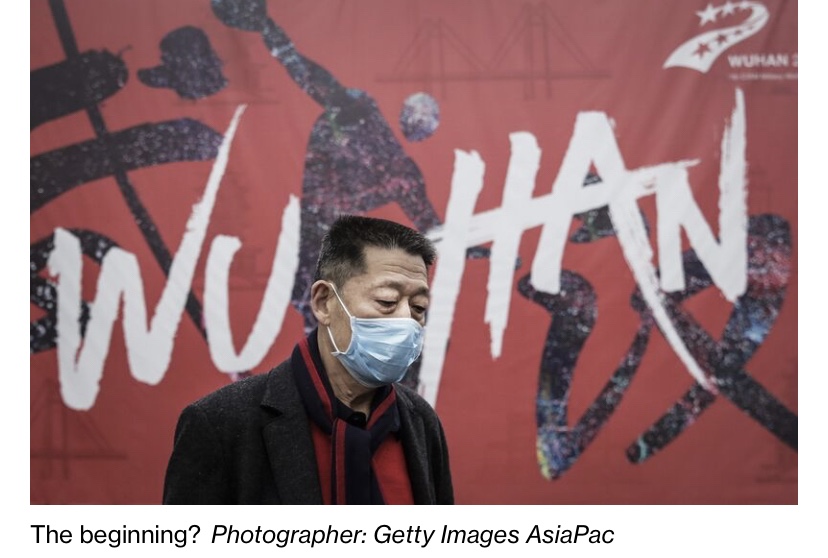
In early 2020, the initial COVID outbreak devastated the city of Wuhan, home to 11 million residents, in central China’s Hubei province. Under a 76-day lockdown, its streets were deserted for months, apart from ambulances and security personnel.
At that time, a small number of citizen journalists tried to tell their stories and those of others with smart phones and social media accounts, defying the Communist Party’s tightly policed monopoly on information. Although their movement was small, the scale was unprecedented in any previous major disease outbreak or disaster in China.
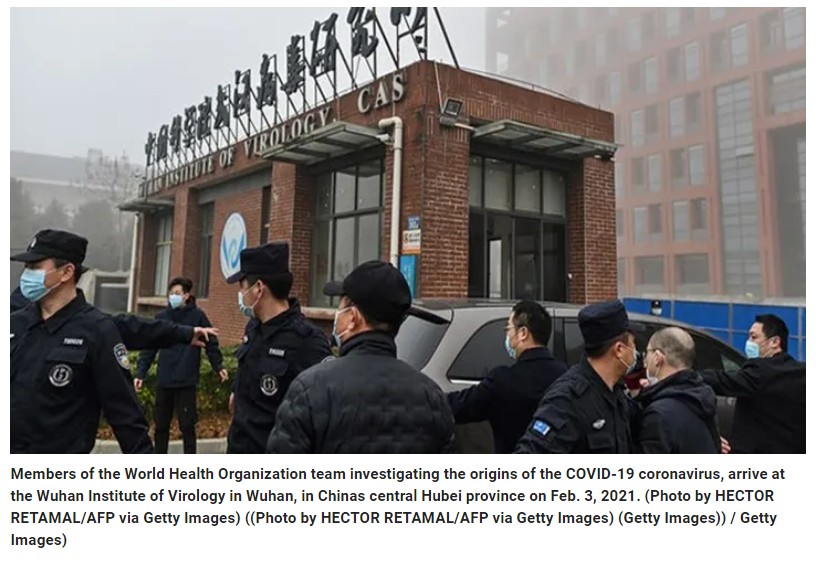
The origins of the COVID pandemic have been hotly debated. From the very beginning, the news media and their allies in Big Tech censored many legitimate questions and concerns. But three years later, the evidence clearly points in the very direction that was censored.
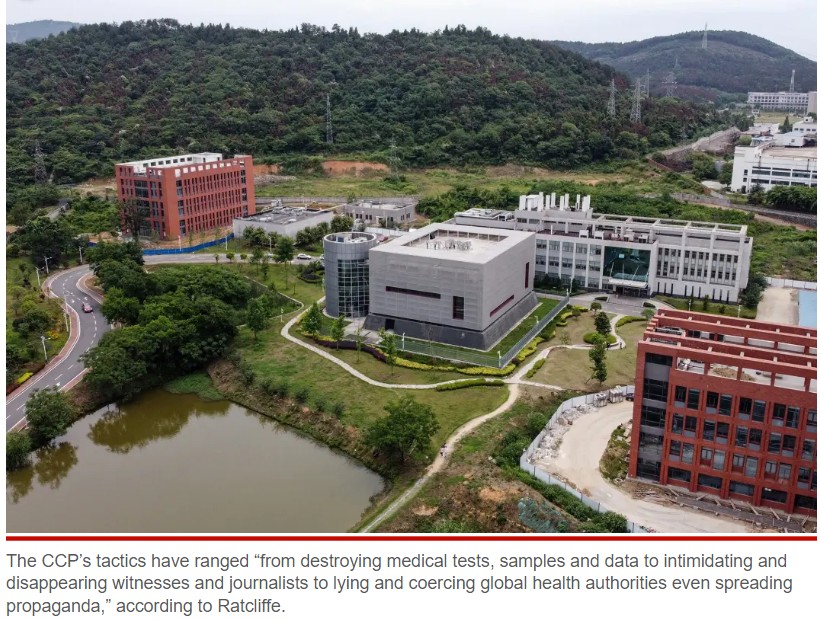
The former Director of National Intelligence, John Ratcliffe, told a House committee Tuesday that a leak of COVID-19 from a laboratory in Wuhan, China is the only credible explanation for the pandemic that killed millions of people worldwide.
“My informed assessment as a person with as much access as anyone to our government’s intelligence during the initial year of the pandemic has been and continues to be that a lab leak is the only explanation credibly supported by our intelligence, by science, and by common sense,” Ratcliffe told the House Select Subcommittee on the Coronavirus Pandemic.
Director of Changfeng hospital among those detained after deadliest fire in China’s capital since 2002. Deadly fires are common in China due to weak safety standards and lax enforcement.
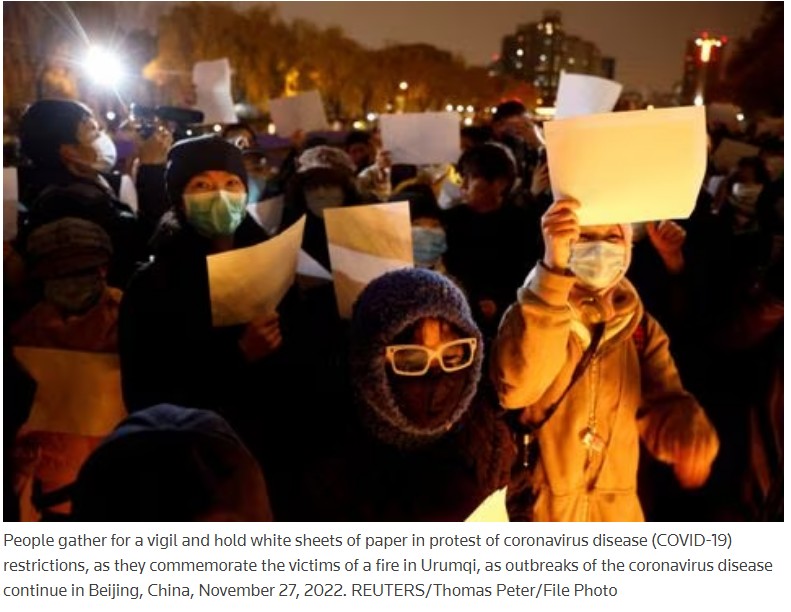
Tuesday’s tragedy was the deadliest in the Chinese capital since a fire at an internet cafe in June 2002 killed 25 students. Ten people died in an apartment block fire in north-western Xinjiang in November, prompting protests against Covid-19 lockdowns blamed for hindering rescue efforts.
And 38 people were killed in a fire at a factory in central China, also in November, with authorities blaming workers for illegal welding.
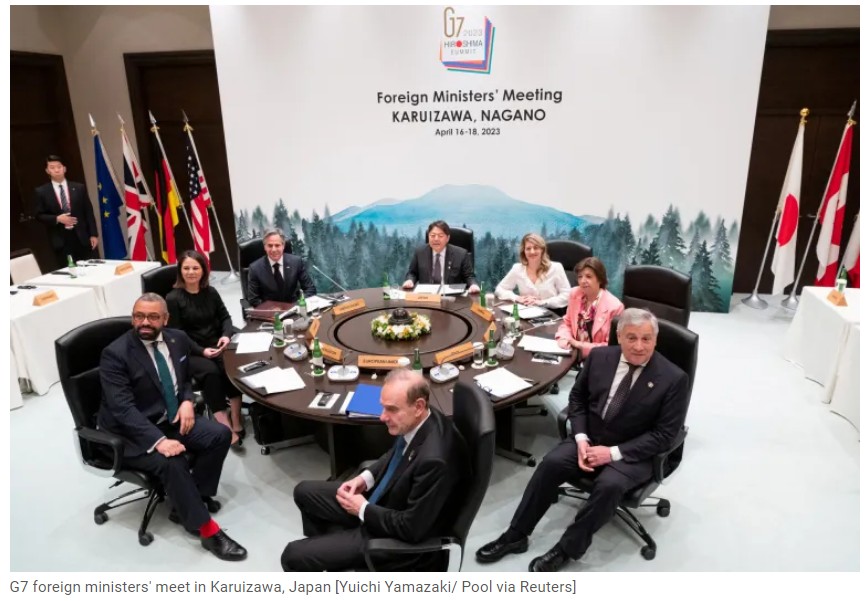
七国集团外长承诺将加强对俄罗斯在乌克兰的战争制裁,并批评中国在台湾海峡和争议南海的行动,敦促北京”作为国际社会负责任的一员行事”。 The foreign ministers of G7 have pledged to intensify sanctions against Russia over its war in Ukraine and criticised China for its actions in the Taiwan Strait and disputed South China Sea, urging Beijing “to act as a responsible member of the international community”.
At least two Chinese women who joined historic “white paper” demonstrations in Beijing calling for an end to COVID-19 curbs were released on Wednesday after almost four months in detention, two of their friends told Reuters.
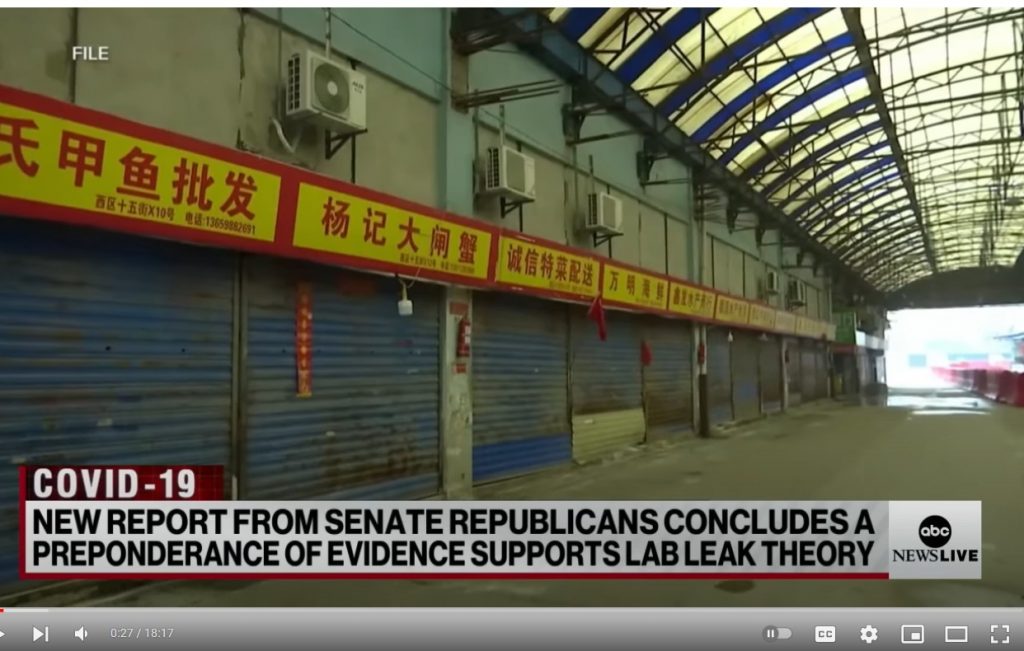
Sen. Roger Marshall released a 300-page report that claims the virus came from two lab leaks
GOP Senate report details evidence of lab leak theory for COVID-19 origin 共和党参议院报告详细记载了新冠肺炎起源实验室泄漏理论证据
The new report from Senate Republicans doubles down on the theory that the virus came from an accidental lab leak in Wuhan, China, and that there may have been more than one leak 参议院共和党人的新报告对”病毒来自中国武汉的实验室意外泄漏”的说法进行了双重反驳,认为该病毒可能不止一次泄漏https://youtu.be/HIym_Ls3Ovw
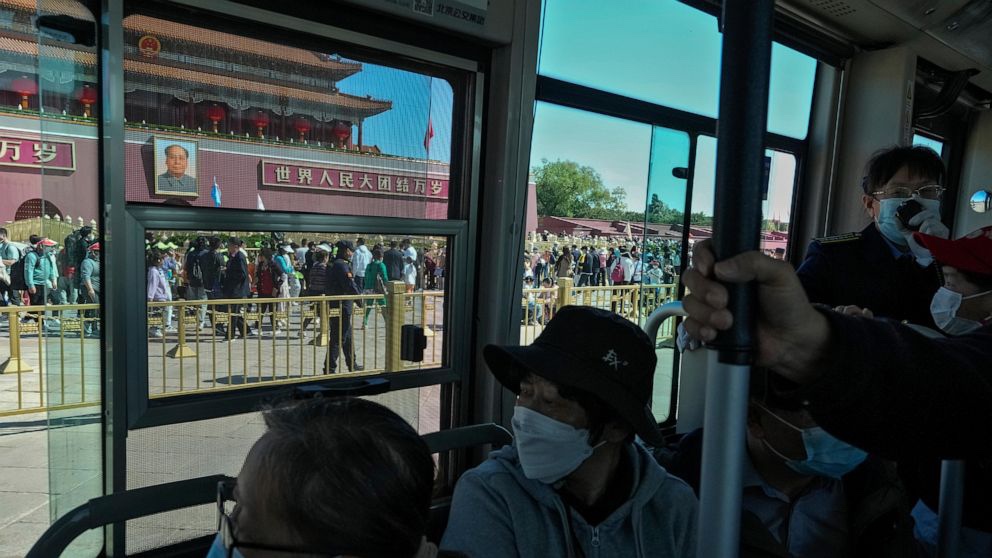
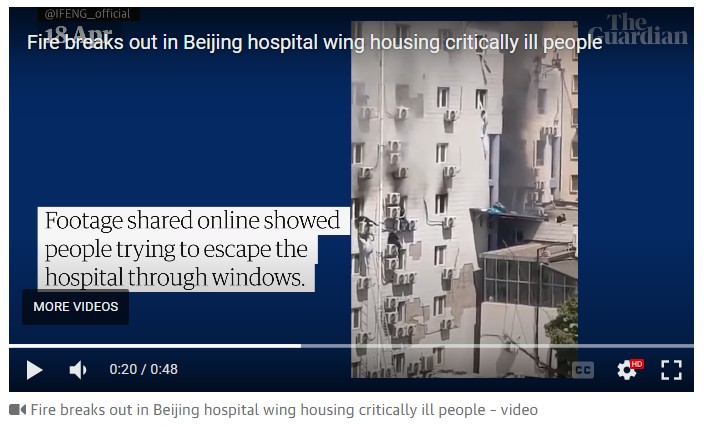
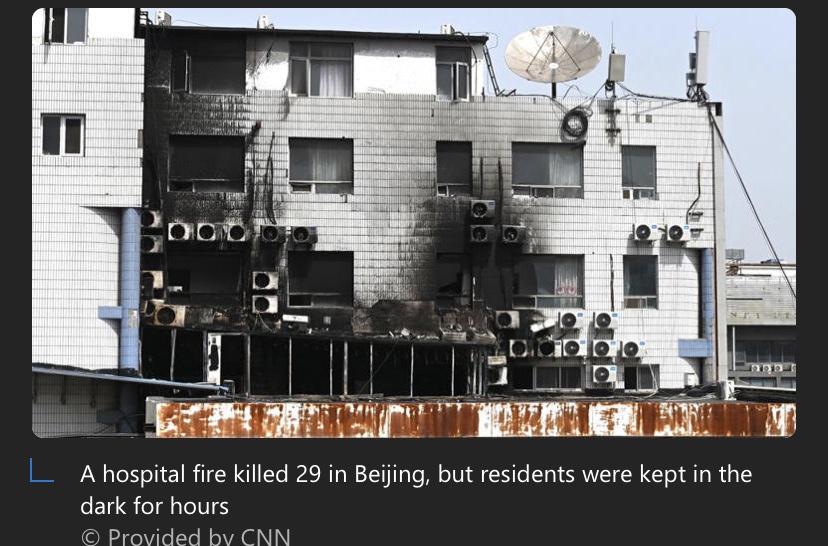
The deadly blaze erupted at the hospital’s inpatient department Tuesday afternoon at the Changfeng Hospital in the heart of Beijing, less than seven miles away from Tiananmen Square.
Initial media reports about the fire were scant. The official Xinhua News Agency and the Beijing Daily didn’t publish articles until late Tuesday evening, several hours after the blaze had been extinguished. Footage of the fire was also censored on social media at first.
The death toll was confirmed Wednesday afternoon at a press briefing held by Beijing local government officials. Initial investigations suggested the incident was caused by construction work, as police detained a dozen people — including the head of the hospital.
Police officers stand near a barricaded building following a fire breaking out at a hospital in Beijing on Tuesday, April 18, 2023. More than a dozen people have died in a fire at a Beijing hospital that forced the evacuation of dozens of patients, Chinese state media reported.
Chinese authorities are censoring online posts about a fire that killed 29 people at a hospital in the heart of Beijing, as public anger mounts over the death toll and initial attempts to clamp down on information about the incident.
The deadly blaze erupted at the Beijing Changfeng Hospital’s inpatient department Tuesday, according to a late evening report published by state media outlet Xinhua News Agency. Firefighters were notified of the fire at 12:57 p.m. local time and put it out by 1:33 p.m., Xinhua said. Another 71 patients were evacuated and transferred to other facilities, the report said, citing the local fire department.
周二,二十年来袭击中国首都的最致命的火灾在一家医院造成29人死亡,但大多数人直到几个小时后才听说这件事,即使如此,由于当局对细节的严格保密,细节也很渺茫。The deadliest fire to hit the Chinese capital in two decades killed 29 people in a hospital Tuesday, but most people didn’t hear about it until several hours later, and even then the details were slim as authorities kept a tight lid on details.
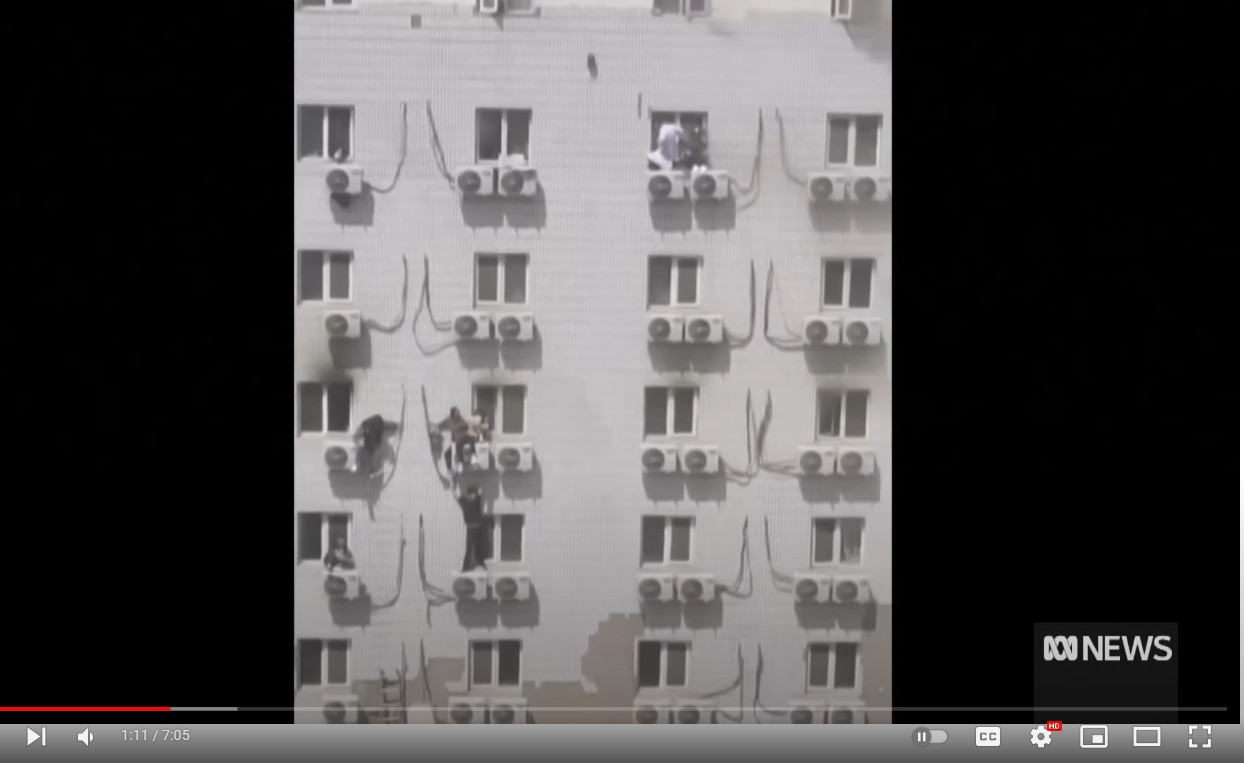
The death toll from a fire at a Beijing hospital has risen to at least 29, with some people seen trapped and using bedsheets tied together to escape the flames. https://t.co/FFXQWx7KlEpic.twitter.com/I3KH8q84LL
Public anger is continuing to mount over the high death toll and initial attempts to clamp down on information about the incident, including censoring footage on social media at first.
A fire at a Beijing hospital has left more than two dozen dead, making it the Chinese capital's deadliest blaze in at least two decades. Dramatic videos on social media show people using tied bed sheets to escape the smoke and flames engulfing the Hospital https://t.co/VotEWSHk7Qpic.twitter.com/3WKSnjvCye
29 people, mostly patients, died in the terrible hospital fire in Beijing's Fengtai District on April 18. According to preliminary investigation, the fire was caused by sparks from renovation and construction work inside the hospital. The hospital director has now been detained. pic.twitter.com/ovfrBsFl3S
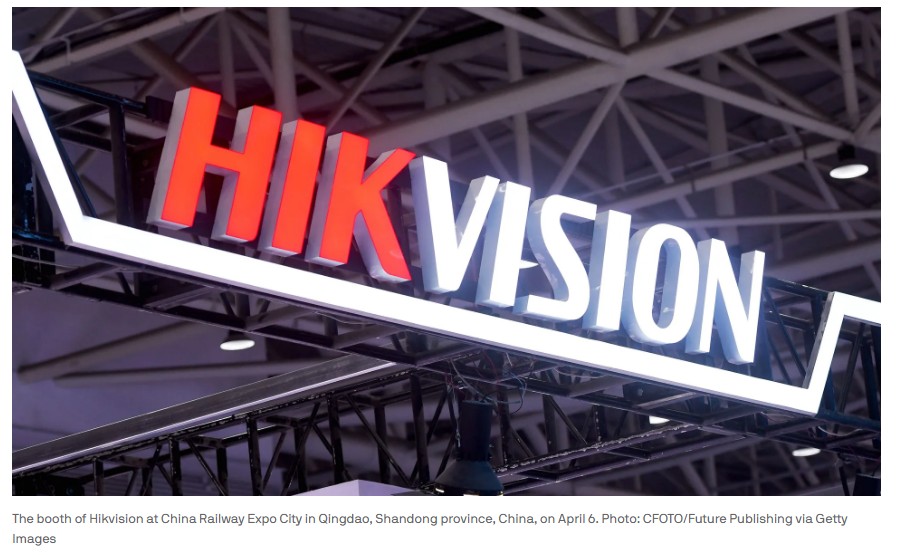
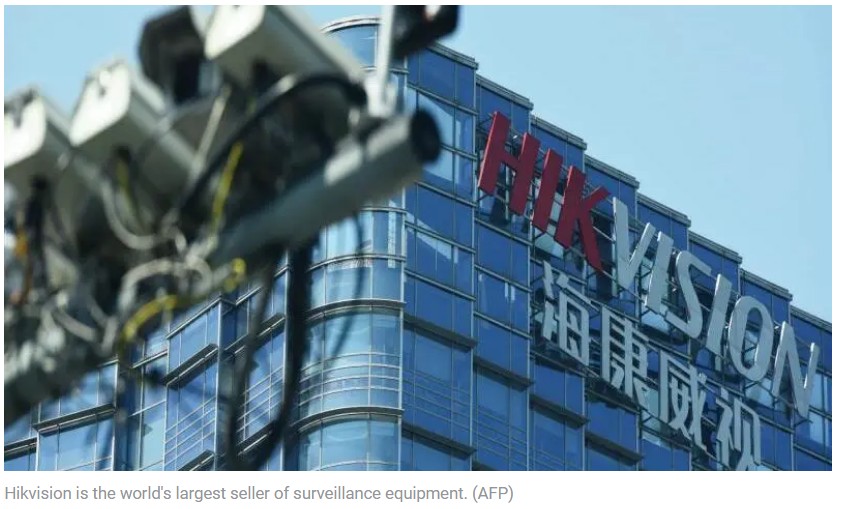
Chinese surveillance giant Hikvision has repeatedlydenied reports that the company is complicit in human rights abuses targeting Uyghurs in China’s northwestern region of Xinjiang.
But new details from an internal review of its contracts with police agencies in the region reveal the company has known since at least 2020 that some of its Xinjiang contracts were a “problem” because they included language about targeting Uyghurs as a group, according to a recording of a recent private company meeting obtained by technology trade publication IPVM and exclusively shared with Axios.
Why it matters: The Chinese government is perpetrating an ongoing campaign of genocide and mass detention of Uyghurs and other ethnic minorities in the country’s northwest region of Xinjiang.
Procurement documents reportedly show that Hikvision cameras have been installed in public spaces across Xinjiang and in mass detention facilities, and Hikvision cameras have captured footage that has led to the detention of Uyghurs.
Hikvision has also advertised that it offers biometric surveillance technology that can track ethnic minorities, including Uyghurs, though in 2020 the company stated its products no longer offer that capability.
Human rights groups and the U.S. and othergovernments have accused Hikvision of participating in human rights abuses in Xinjiang — allegations the surveillance giant has rejected.
BEIJING — Chinese health officials defended their search for the source of the COVID-19 virus and lashed out Saturday at the World Health Organization after its leader said Beijing should have shared genetic information earlier.
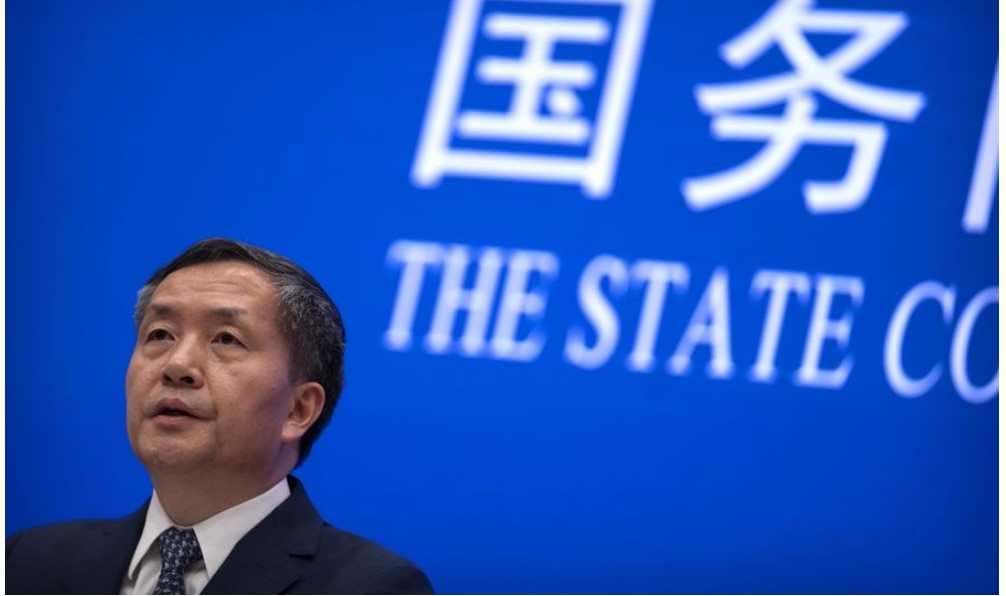
The WHO comments were “offensive and disrespectful,” said the director of the China Center for Disease Control and Prevention, Shen Hongbing. He accused the WHO of “attempting to smear China” and said it should avoid helping others “politicize COVID-19.”
There are several reasons that Chinese demographic data are unreliable. For starters, China’s local governments have a strong incentive to inflate population figures. More residents mean larger fiscal transfers from the central government, including funds for priorities such as education, pensions and poverty alleviation. Likewise, households might claim to have more members to receive more benefits.
Politics provides another motive for exaggerating the birth figures. For example, to show that the shift from a one to a two-child policy worked — and benefitted the careers of officials — the Chinese National Health and Family Planning Commission announced 18.85 million births in 2016, a 27 percent increase from the previous year.
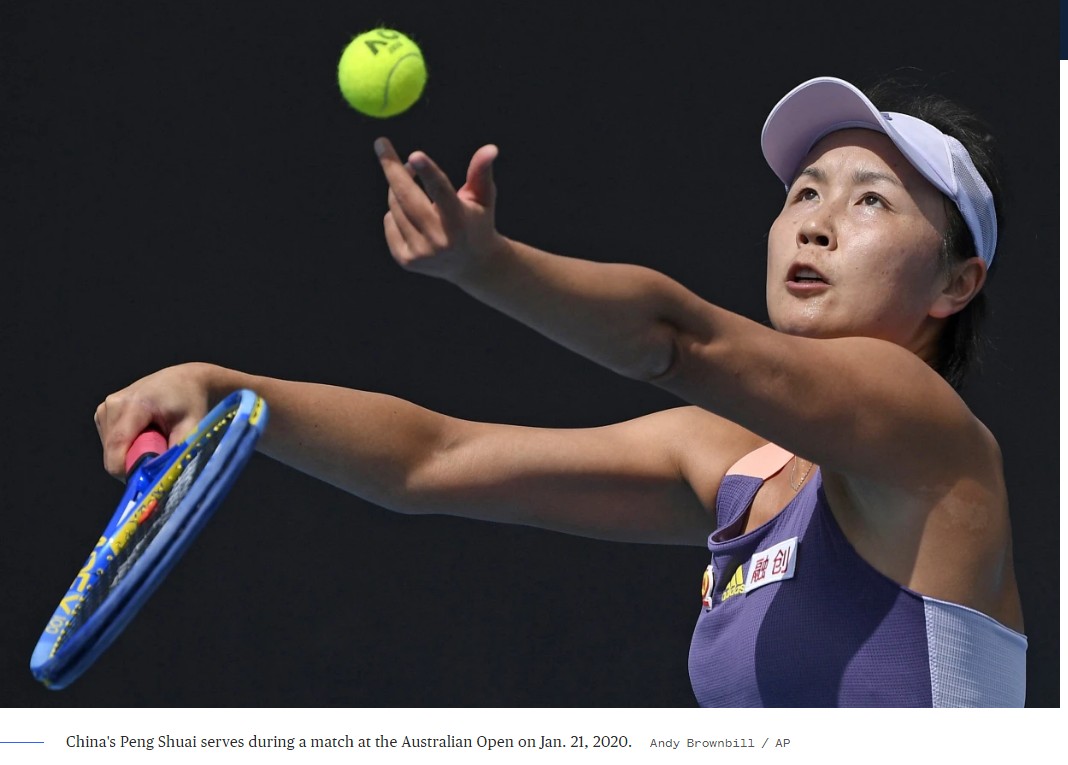
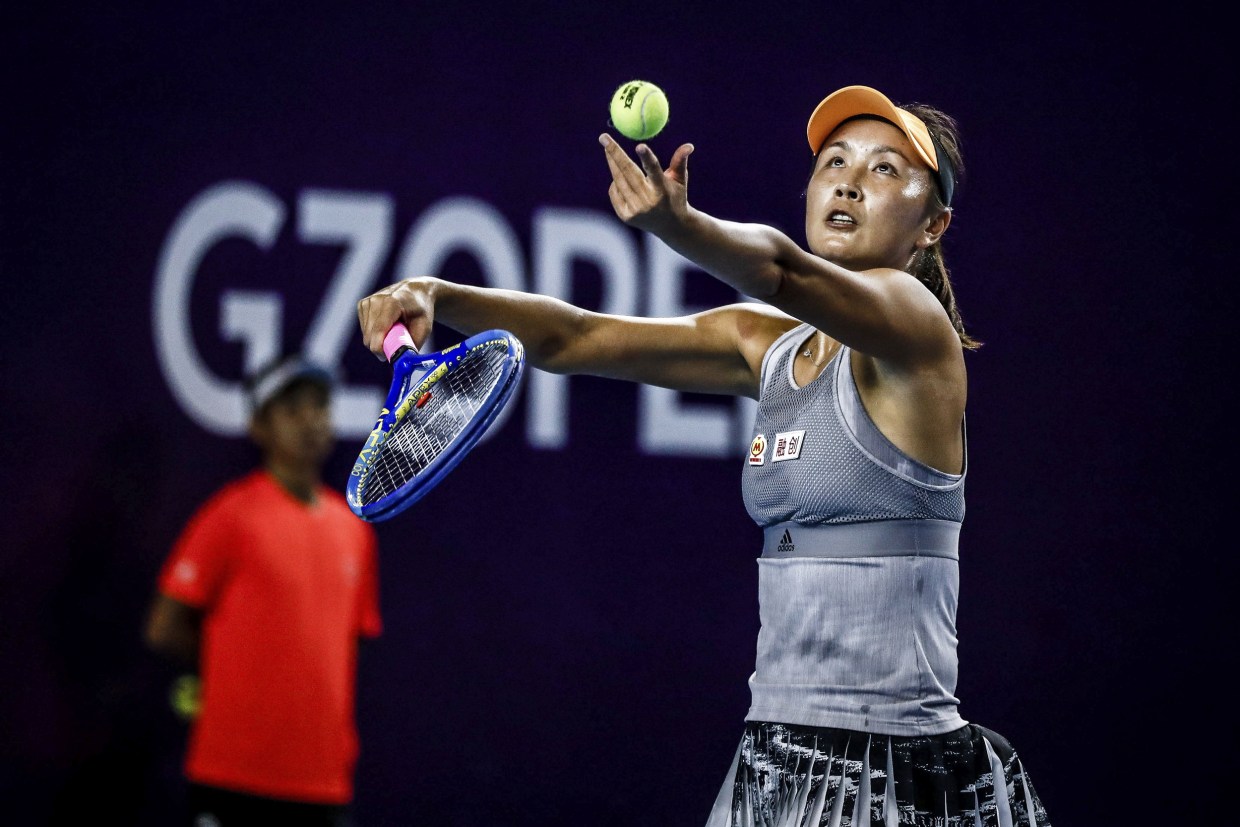
Women’s tennis tour ends Peng Shuai-inspired China boycott Peng dropped out of public view after saying in a social media post in November 2021 that a high-ranking government official forced her to have sex.
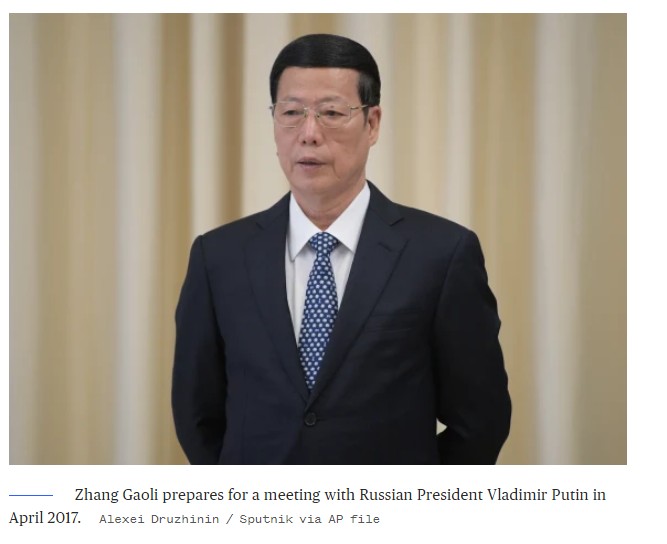
The Information Office of the State Council, China’s ruling administrative body, has not responded to requests for comment on the allegations. Zhang is one of the most senior officials in the Chinese Communist Party in recent years, and as such his contact details are not publicly available, so he could not be contacted directly.