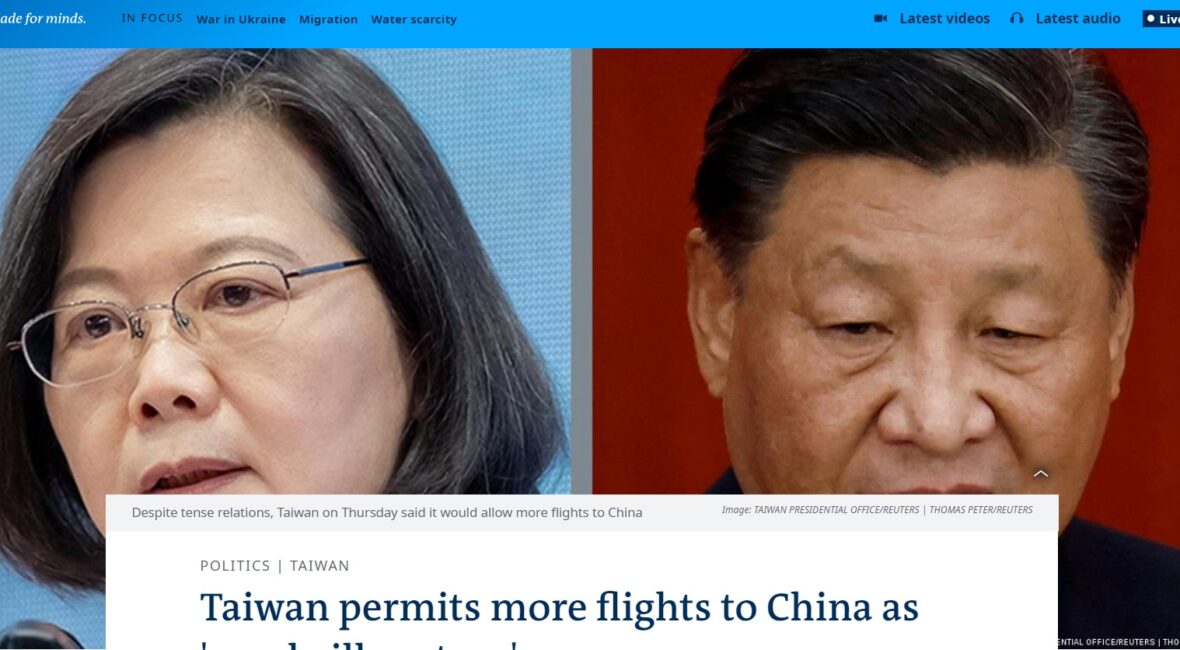
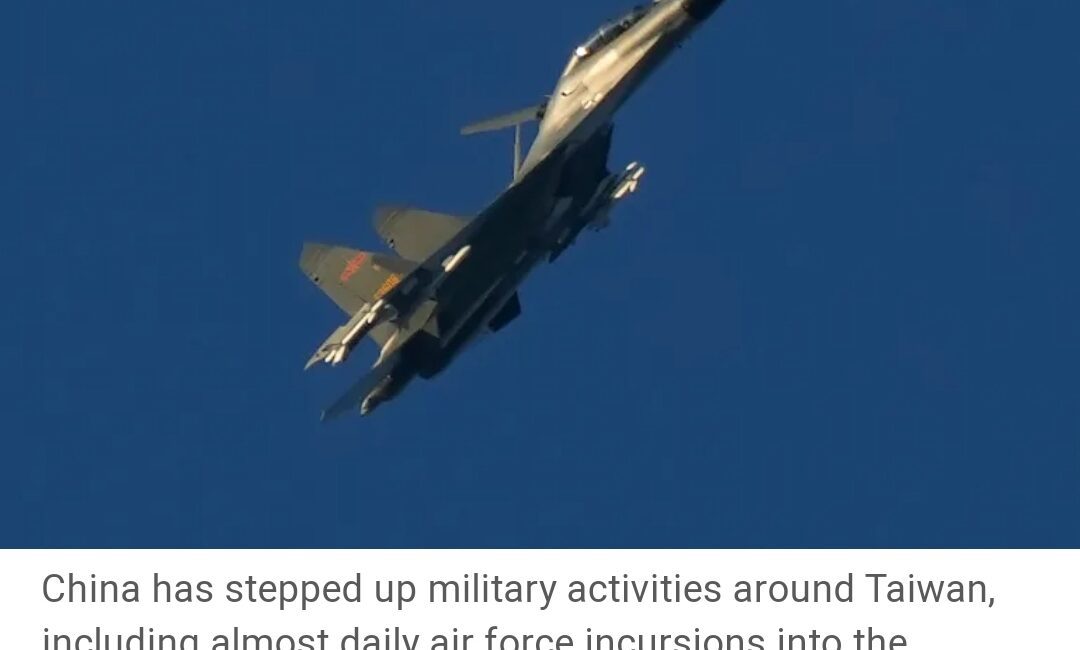
The Taiwanese government on Thursday said it had agreed to resume more direct flights to China that were stopped after the coronavirus pandemic. It said this was part of a bid to foster “healthy and orderly exchanges” with Beijing amid continued tension in the region. Taiwan currently allows air access to only four cities in China, namely Beijing, Chengdu, Shanghai, and Xiamen. Prior to the pandemic, however, there were more direct flights to multiple Chinese cities from Taiwan. 台湾政府周四表示,同意恢复新冠肺炎疫情后中断的飞往中国的直航。 声明说,这是在该地区持续紧张的情况下,为促进与北京”健康有序的交流”而做出的努力的一部分。台湾目前只允许飞往中国四个城市,即北京、成都、上海和厦门。然而,在大流行之前,台湾有更多的直飞中国多个城市的航班。
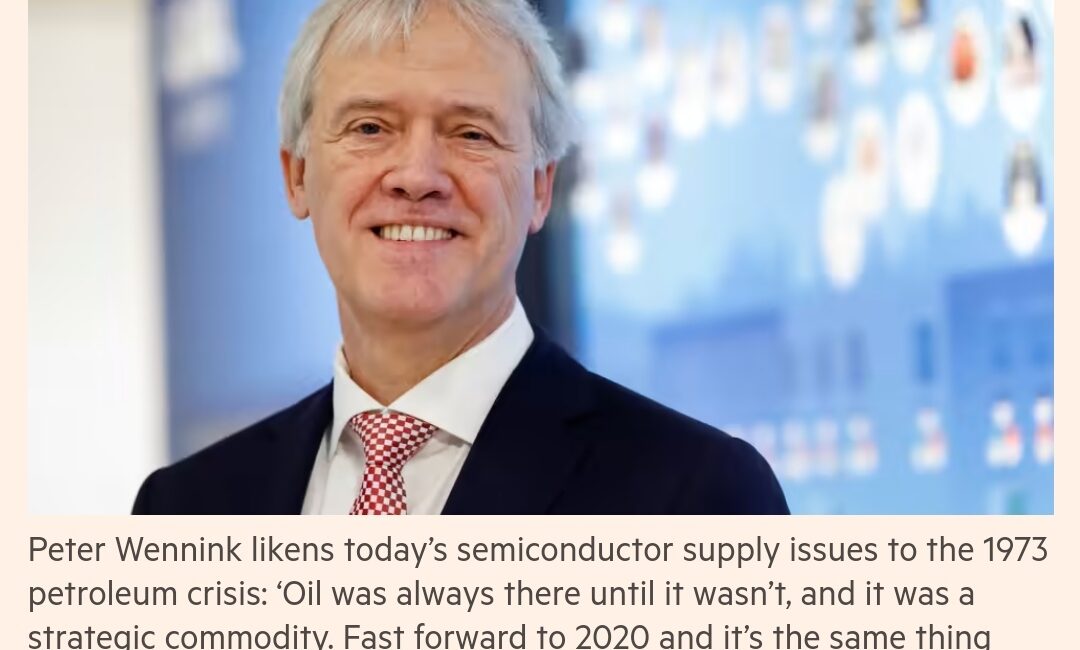
The head of ASML, the chip toolmaker that is Europe’s biggest tech company, said he was guarding against intellectual property theft more fiercely than “ever before”, as a geopolitical tussle forces China to bolster its homegrown semiconductor industry. 作为欧洲最大科技公司的芯片工具制造商 ASML 的负责人表示,他比“以往任何时候”都更加严厉地防范知识产权盗窃,因为地缘政治斗争迫使中国加强其本土半导体产业。
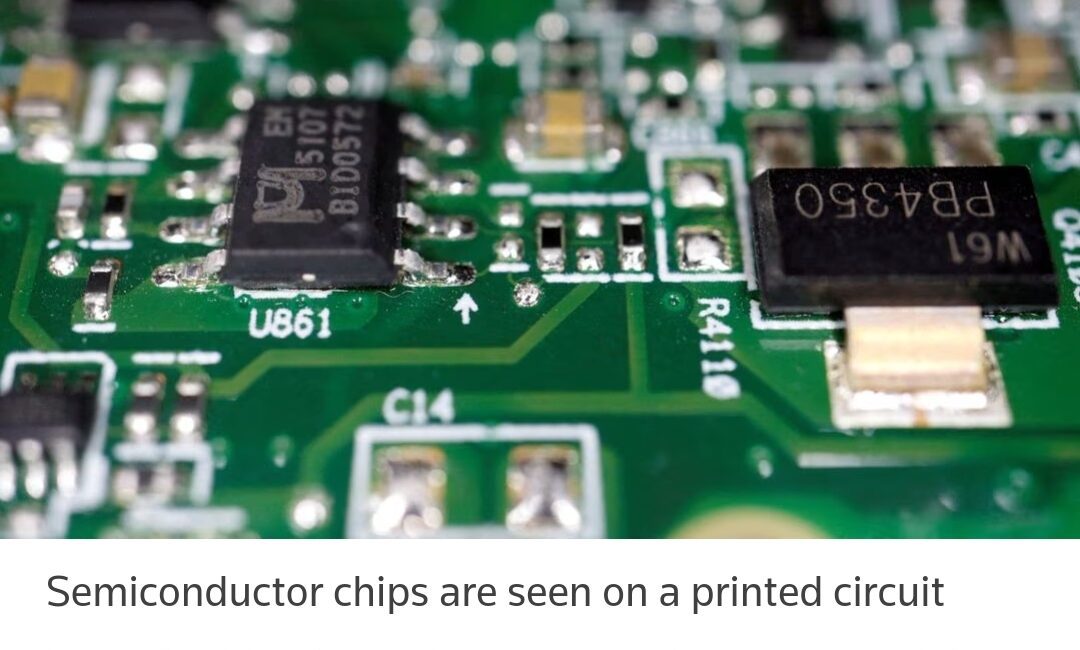
The Netherlands’ government on Wednesday said it plans new restrictions on exports of semiconductor technology to protect national security, joining the U.S. effort to curb chip exports to China. 荷兰政府周三表示,计划对半导体技术出口实施新的限制以保护国家安全,加入美国遏制对华芯片出口的行列。
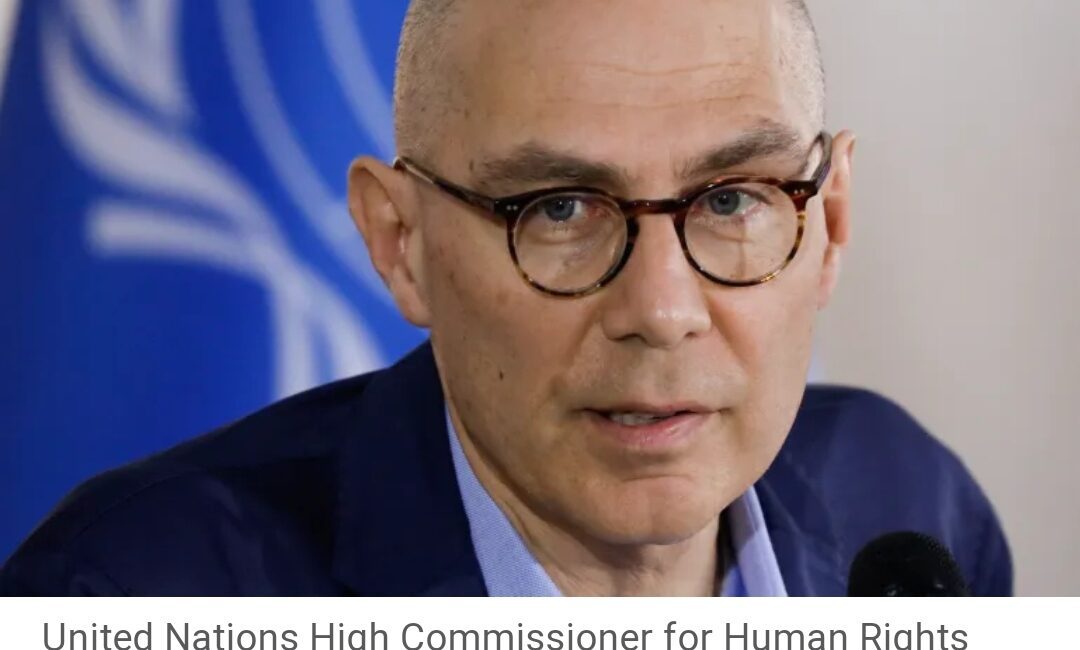
The new United Nations human rights chief has said his office has opened “channels of communication” to help follow up on concerns about the rights of minorities in the western Xinjiang region of China, including Uighur Muslims and Tibetans. 新任联合国人权事务负责人表示,他的办公室已经开通了“沟通渠道”,以帮助跟进对中国西部新疆地区少数民族权利的担忧,包括维吾尔族穆斯林和藏族人。
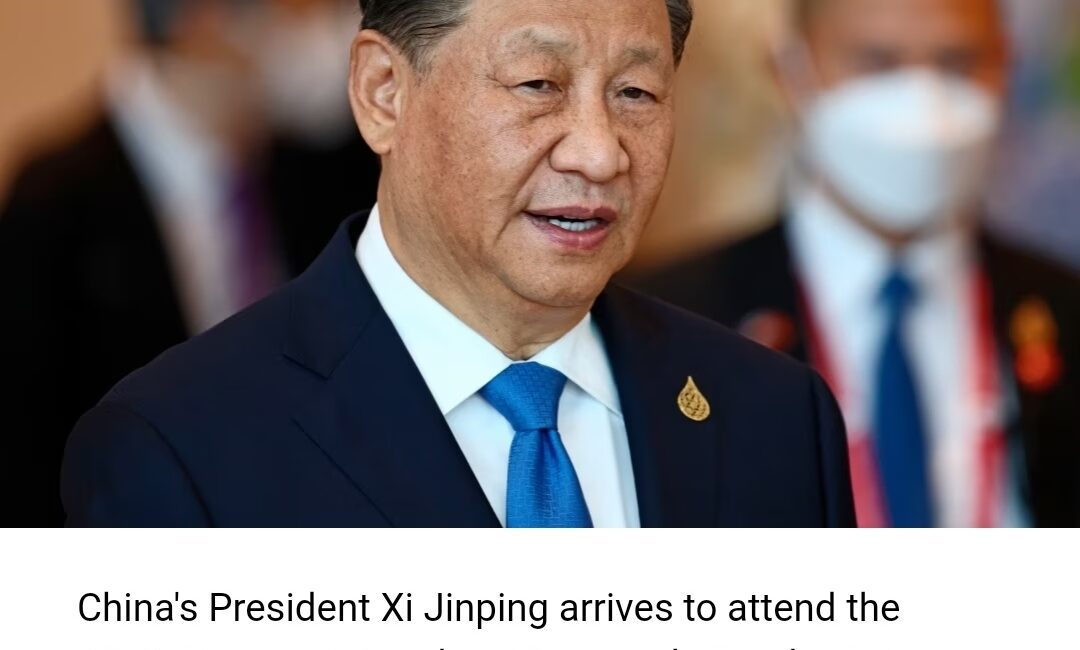
Insecure leaders in control of illegitimate governments and parties make for a dangerous time in international politics. Nazi Germany was one; China under the leadership of Xi Jinping and the Chinese Communist Party (CCP) is another. 控制非法政府和政党的缺乏安全感的领导人在国际政治中造成了危险的时刻。 纳粹德国就是其中之一; 习近平和中国共产党领导下的中国是另一个。
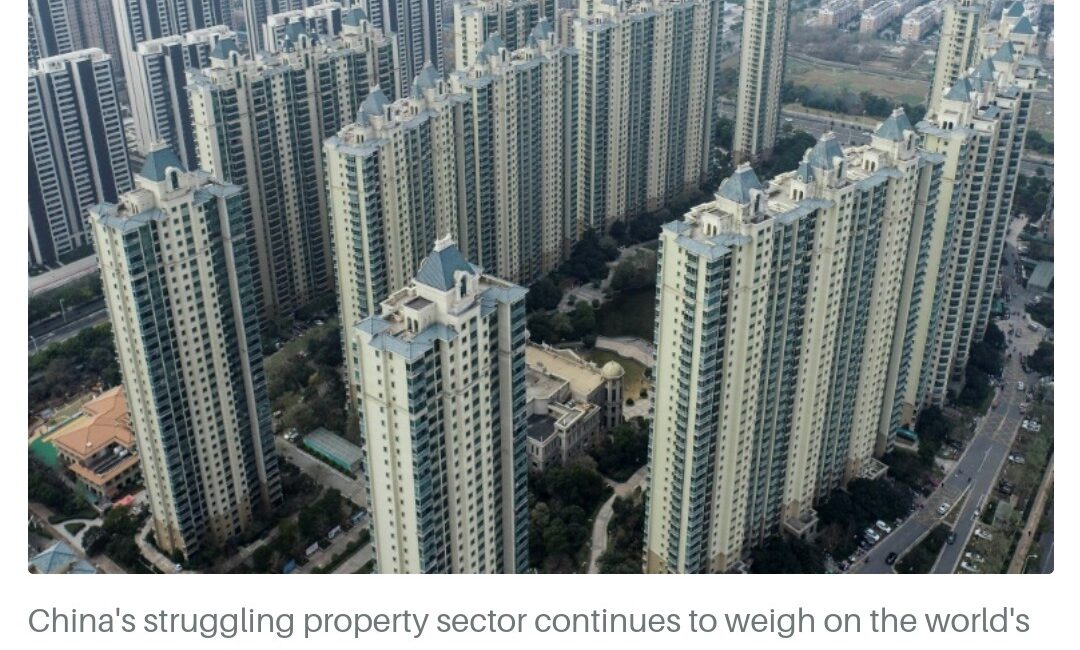
Excluding 2020, when COVID-19 upended the global economy, last year’s economic growth rate was the lowest since 1976, the last year of Mao Zedong’s cultural revolution. Although China’s economy appears to be rebounding strongly from the pandemic — manufacturing activity in February, for example, smashed expectations, expanding at the fastest pace in more than a decade — Chinese officials have warned of risks ahead. While acknowledging China’s “vast potential and momentum for further growth,” Li pointed to the rise of “uncertainties in the external environment,” including high inflation, and “external attempts to suppress and contain China” — a thinly-veiled reference to the country’s heated geopolitical competition with the US. China’s economy faces serious long-term challenges domestically, too, including an enormous housing bubble and a shrinking working population due to a rock-bottom birth rate. Many economists believe that China’s high-growth era — characterised by decades of double-digit expansion each year — is now in the past.
After their husbands became targets of a Chinese crackdown, these women began speaking out against Beijing’s abuses. They tell DW how their experiences have helped them grow and broadened their perspectives.
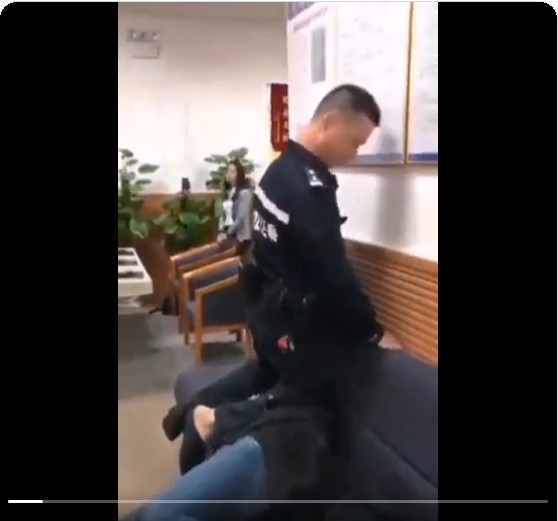
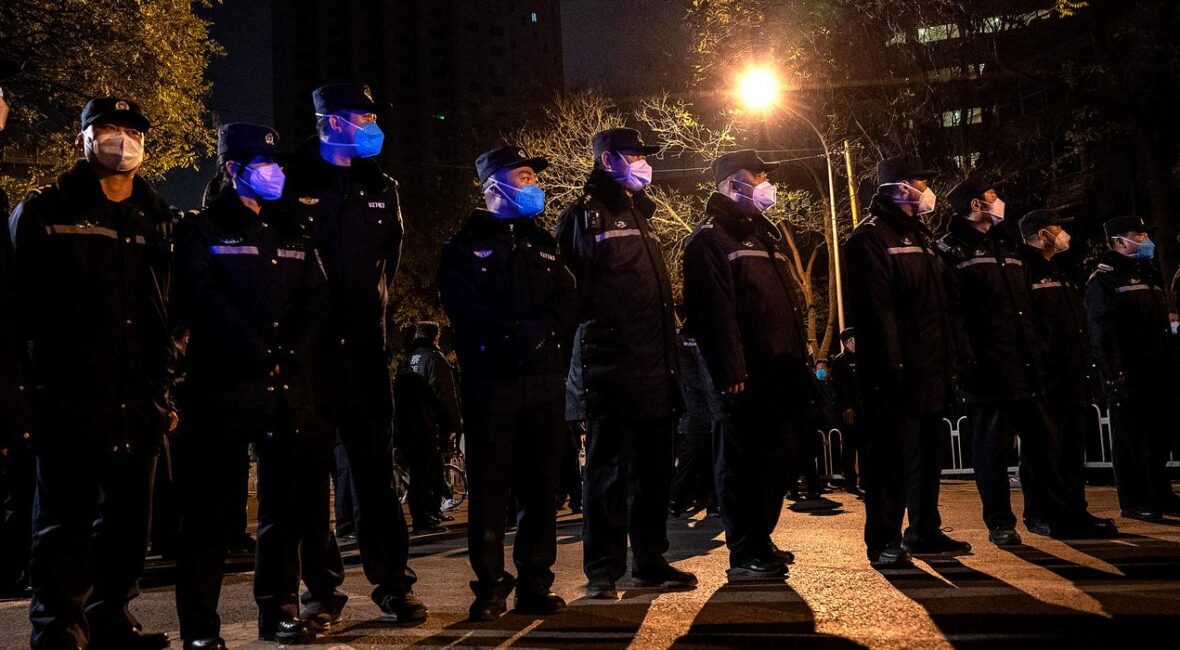
Since President Xi Jinping took office in 2012, one of the groups that has been persecuted the most by Chinese authorities has been human rights lawyers. Following the “709 mass arrest” in 2015, in which more than 300 lawyers across China were arrested, many are still in detention, have been given lengthy prison sentences, faced exit bans, or simply disappeared.
Amid this yearslong, nationwide crackdown on human rights lawyers, it has fallen on family members, especially their wives, to become “accidental human rights defenders.” They speak out against the Chinese government’s abuses on social media and in media interviews. They also try to hold authorities accountable by sharing details of the cases with foreign parliamentarians and diplomats.
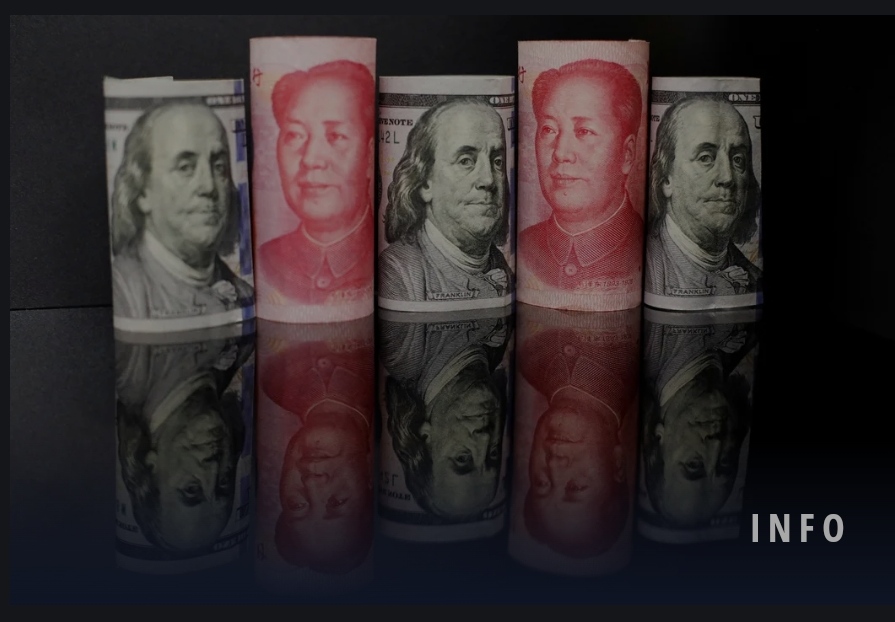
The yuan had its worst year in 2022 since China unified market and official exchange rates in 1994, dropping nearly 8% as rising US interest rates diverged from falling Chinese ones, supporting dollar gains.
Now the prospect of Chinese tourists using foreign exchange for their trips abroad, fresh concerns that US interest rates might rise further, and geopolitical tensions keeping investment flows away from China are all weighing on the currency.
“It’s possible to see the yuan go past the 7-mark against the dollar in the near term given the escalating geopolitical tensions between China and the US,” said Tommy Wu, senior China economist at Commerzbank.
China is in a ‘lot more trouble than anybody ever wants to imagine’
https://flip.it/5VNCAL
“Yes, they are aggressive, and they could actually stumble into something they don’t want to, but right now, I wouldn’t worry about them too much, but I think Xi’s looking over his shoulders,” Professor Siracusa told Sky News Australia. “是的,他们很有侵略性,他们实际上可能会陷入他们不想做的事情,但现在,我不会太担心他们,但我认为习近平正在注意他的肩膀,”锡拉库萨教授告诉天空新闻 澳大利亚。
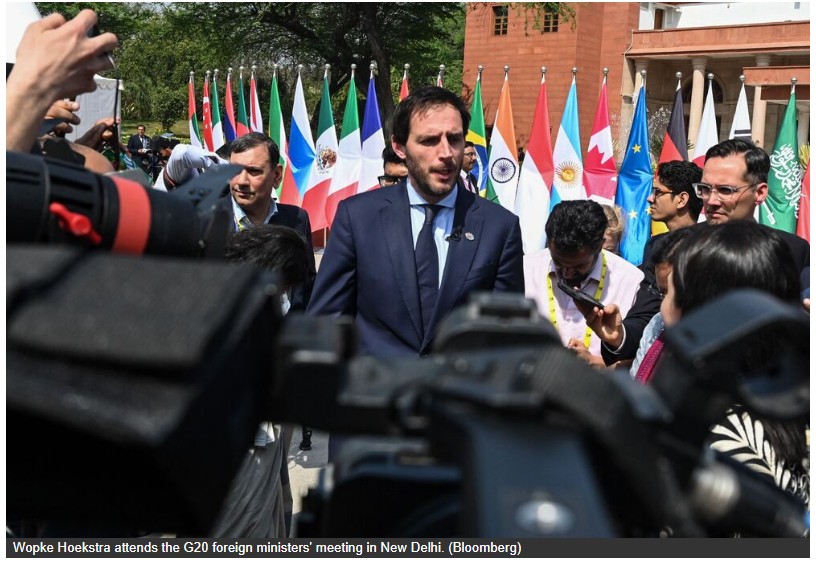
Dutch Foreign Minister Wopke Hoekstra said China would face consequences if it were to consider shipping weapons to Russia for its war in Ukraine amid broader US warnings that Beijing may begin offering Moscow military aid.
“What I will convey to each of the colleagues, including my Chinese colleague here, is that the truth here is not somewhere in the middle, there is only one country responsible and that is Russia,” Hoekstra told reporters on the sidelines of the Group of 20 foreign ministers’ summit in New Delhi. Helping Moscow militarily “will have consequences if countries crossed that line, in my opinion.”
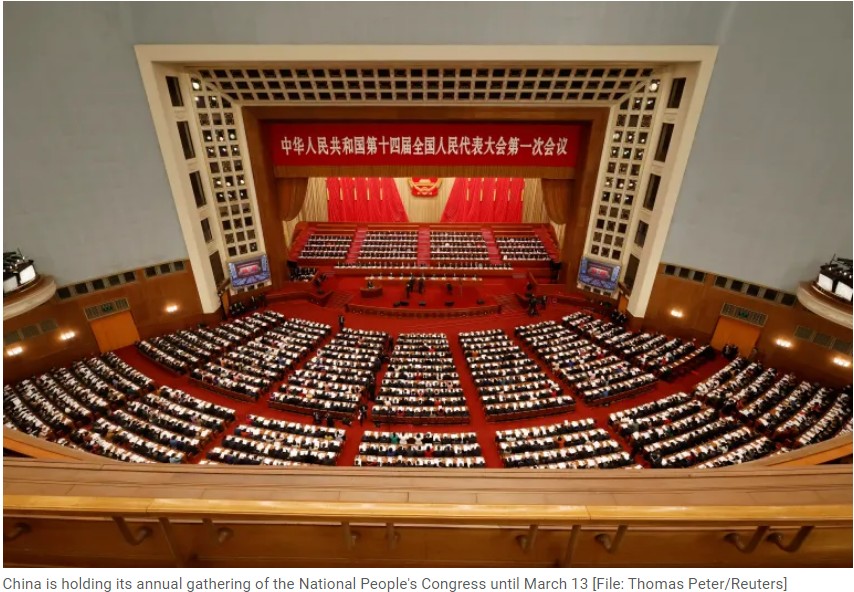
China will likely set one of the country’s lowest growth goals in decades at the annual National People’s Congress next week, experts told AFP, hit by long-running property woes, a sluggish global economy and geopolitical tensions.
Thousands of party delegates from across China will converge on Beijing for a rubber stamp conclave set to confirm key personnel appointments and make policy for the coming year.
Among the first declarations is expected to be a target for gross domestic product growth over the coming 12 months, announced by outgoing Premier Li Keqiang at Sunday’s opening ceremony.
Last year, the economy expanded just three percent, one of its weakest in decades on the back of the Covid-19 pandemic, lockdowns and a real estate crisis.
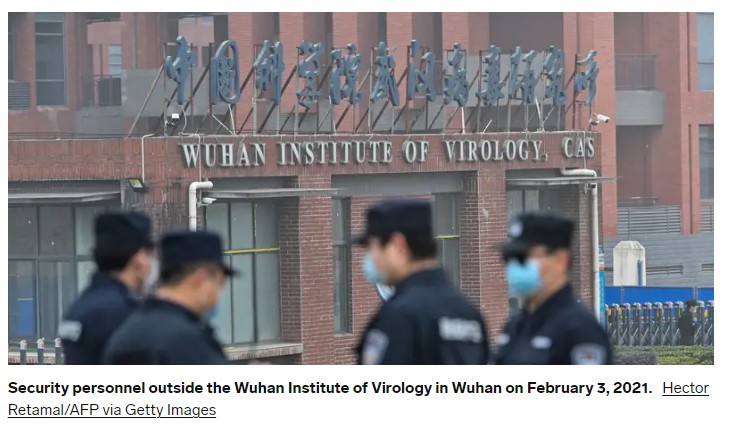
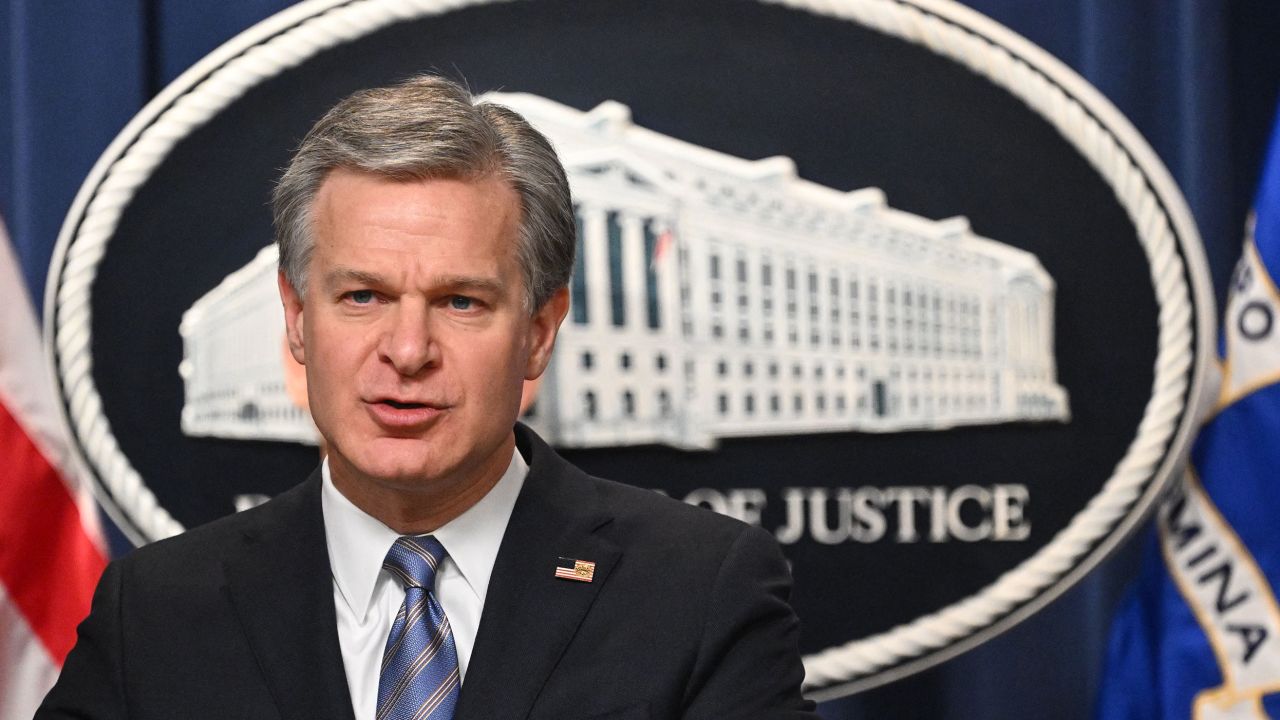
FBI Director Christopher Wray on Tuesday acknowledged that the bureau believes the Covid-19 pandemic was likely the result of a lab accident in Wuhan, China. In his first public comments on the FBI’s investigation into the virus’ origins during an interview with Fox News, Wray said that “the FBI has for quite some time now assessed that the origins of the pandemic are most likely a potential lab incident in Wuhan.”
Wray said in the interview that the FBI has a team of experts who focus specifically on the risk of biological threats that come into the “wrong hands,” including by a “hostile nation state.”
“You’re talking about a potential leak from a Chinese government-controlled lab that killed millions of Americans,” Wray said of the coronavirus, “and that’s precisely what that capability was designed for.”
Wray said that most details of the FBI’s investigation remain classified, and that it has been difficult to work with the Chinese government on investigating the pandemic’s origin.
“I will just make the observation that the Chinese government, it seems to me, has been doing its best to try to thwart and obfuscate the work here,” the bureau director said. “The work that our US government and close foreign partners are doing. And that’s unfortunate for everybody.”
美国联邦调查局(FBI)局长克里斯托弗•雷在接受福克斯新闻采访时承认,新冠肺炎大流行很有可能是中国武汉实验室事故的结果。FBI Director Christopher Wray acknowledged in a Fox News interview that the bureau believes the Covid-19 pandemic was likely the result of a lab accident in Wuhan, China
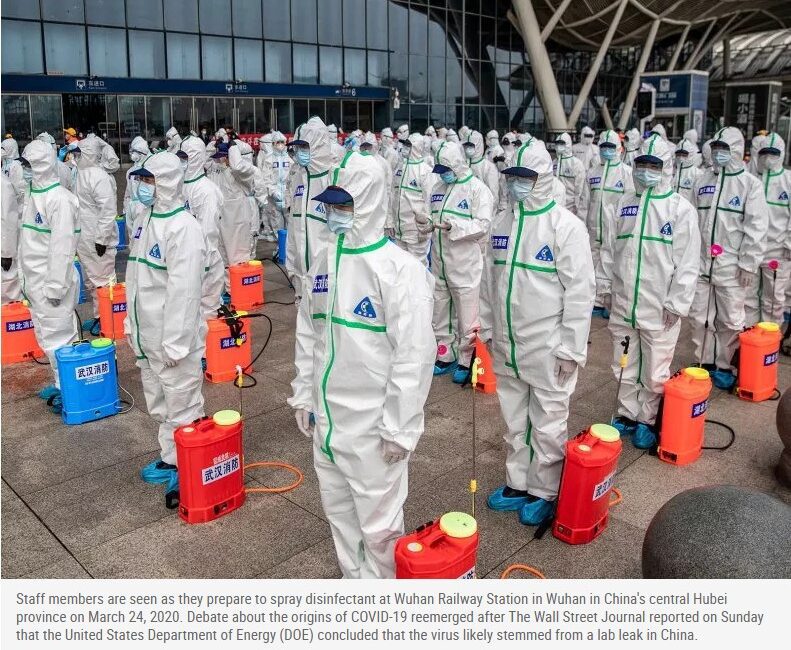
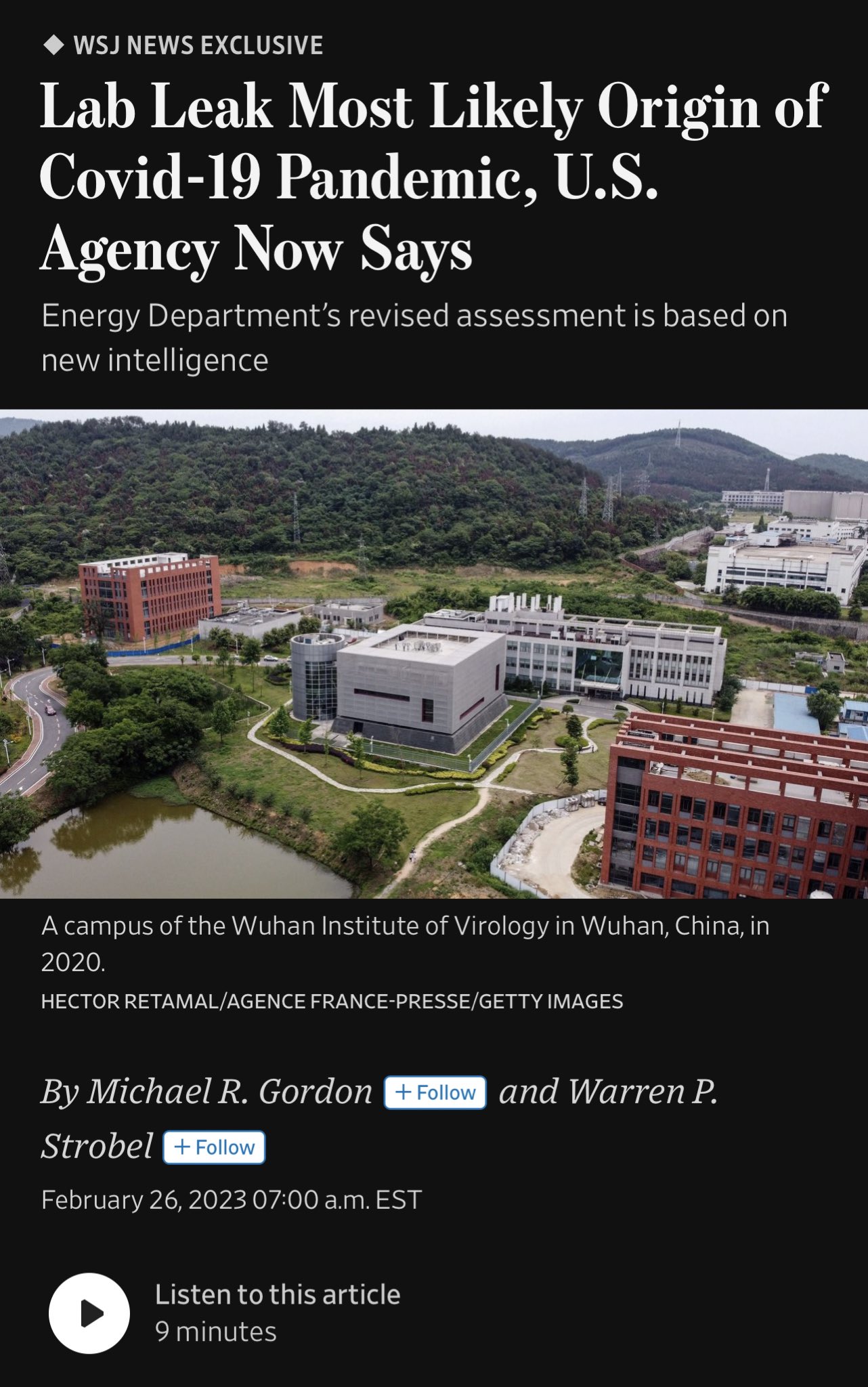
Debate about the origins of COVID-19 reemerged after The Wall Street Journal reported on Sunday that the United States Department of Energy (DOE) concluded that the virus likely stemmed from a lab leak in China.
Sars-CoV-2—first discovered in Wuhan, China, in December 2019—has spread across the globe ever since, killing more than 6.8 million people worldwide, according to Johns Hopkins University, and having life-altering effects on many others. From the onset of the pandemic, questions emerged about the virus’ origins with two leading theories typically dominating the scientific community.
Newsweek reported on March 27, 2020, and corroborated by two U.S. officials, that U.S. intelligence revised its January assessment in which it “judged that the outbreak probably occurred naturally” to now include the possibility that the new coronavirus emerged “accidentally” due to “unsafe laboratory practices” in Wuhan.
The classified report, titled “China: Origins of COVID-19 Outbreak Remain Unknown,” ruled out that the disease was genetically engineered or released intentionally as a biological weapon.
It would be helpful to at least get a vague sense of the evidence that shifted the position from “natural cause with low confidence” to “accidental lab leak with low confidence”. Most of us out here, myself included, immediately jumped to “lab leak with high confidence” at the… pic.twitter.com/zKVzt8LJyQ
Now that the U.S. Department of Energy has joined FBI in concluding that the coronavirus likely leaked from a lab, it’s worth remembering that the media, en masse, condemned the lab leak theory as a “debunked conspiracy theory,” and Facebook censored people who dared suggest it pic.twitter.com/RuT0w0SgpV